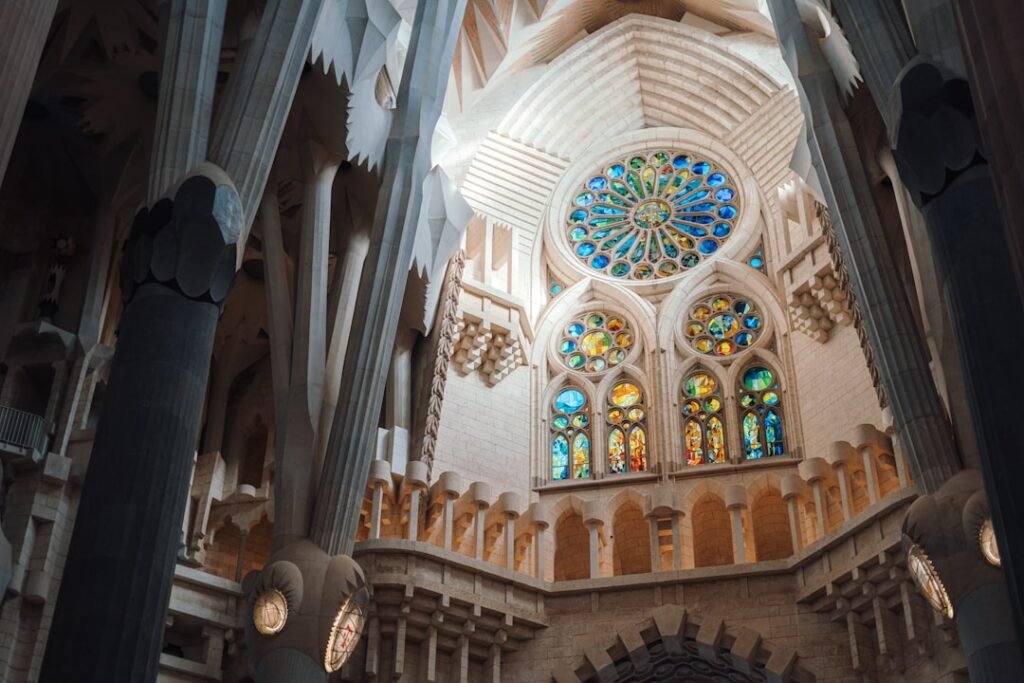
Barcelona is Europe’s most dynamic city — a Mediterranean capital with a distinct Catalan identity, the world’s most extraordinary collection of Art Nouveau architecture, an exceptional food scene, genuine beaches within walking distance of the city centre, and a quality of daily life that consistently ranks it among Europe’s most liveable cities. These are its 15 most interesting places.
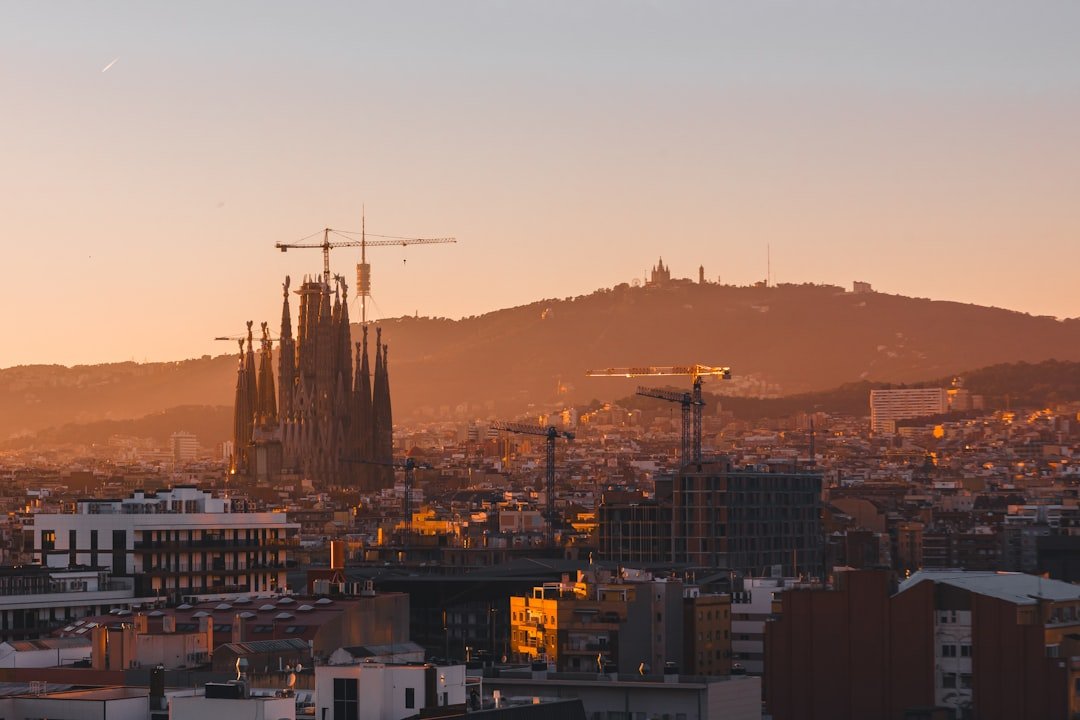
1. The Sagrada Família
Antoni Gaudí’s basilica — under construction since 1882 and still incomplete — is the most extraordinary building in Europe and one of the most remarkable works of architecture in human history. The exterior, with its forest of towers and nature-inspired ornamentation, is unlike anything else ever built. The interior — completed to the original designs in the 21st century — is even more extraordinary: a forest of branching columns filtering coloured light through abstract stained glass windows that transform the nave into something between a cathedral and a living organism. Book tickets well in advance; same-day entry is almost never available.
2. The Gothic Quarter
The Barri Gòtic — Barcelona’s old city — contains Roman walls, a medieval cathedral, and the Plaça Reial (a 19th-century square with Gaudí-designed lampposts) within a labyrinth of narrow lanes. The Barcelona Cathedral, the Plaça de Sant Jaume (seat of both the Catalan government and Barcelona city hall), and the ancient Temple of Augustus (Roman columns hidden inside a medieval courtyard) are the principal sights. The surrounding streets at night, when the tourists have thinned, are the most atmospheric in the city.
3. La Barceloneta and the Seafront
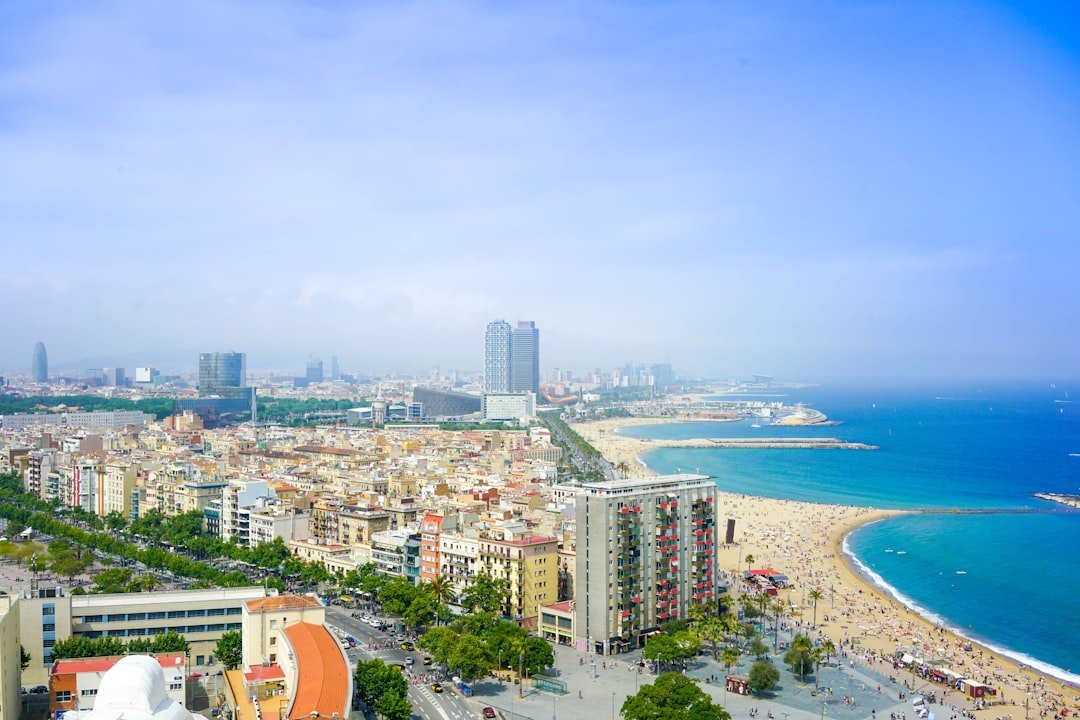
Barcelona’s 4.5km of sandy Mediterranean beach — created for the 1992 Olympics — is one of the great unexpected pleasures of any European city. The neighbourhood of Barceloneta (a tight grid of 18th-century streets between the old port and the beach) has the best seafood restaurants and the most authentic neighbourhood atmosphere of any area near the water. The Rambla del Mar, the W Hotel sculpture, and the Frank Gehry fish sculpture at the Olympic Port are the principal landmarks.
4-15. The Essential Barcelona
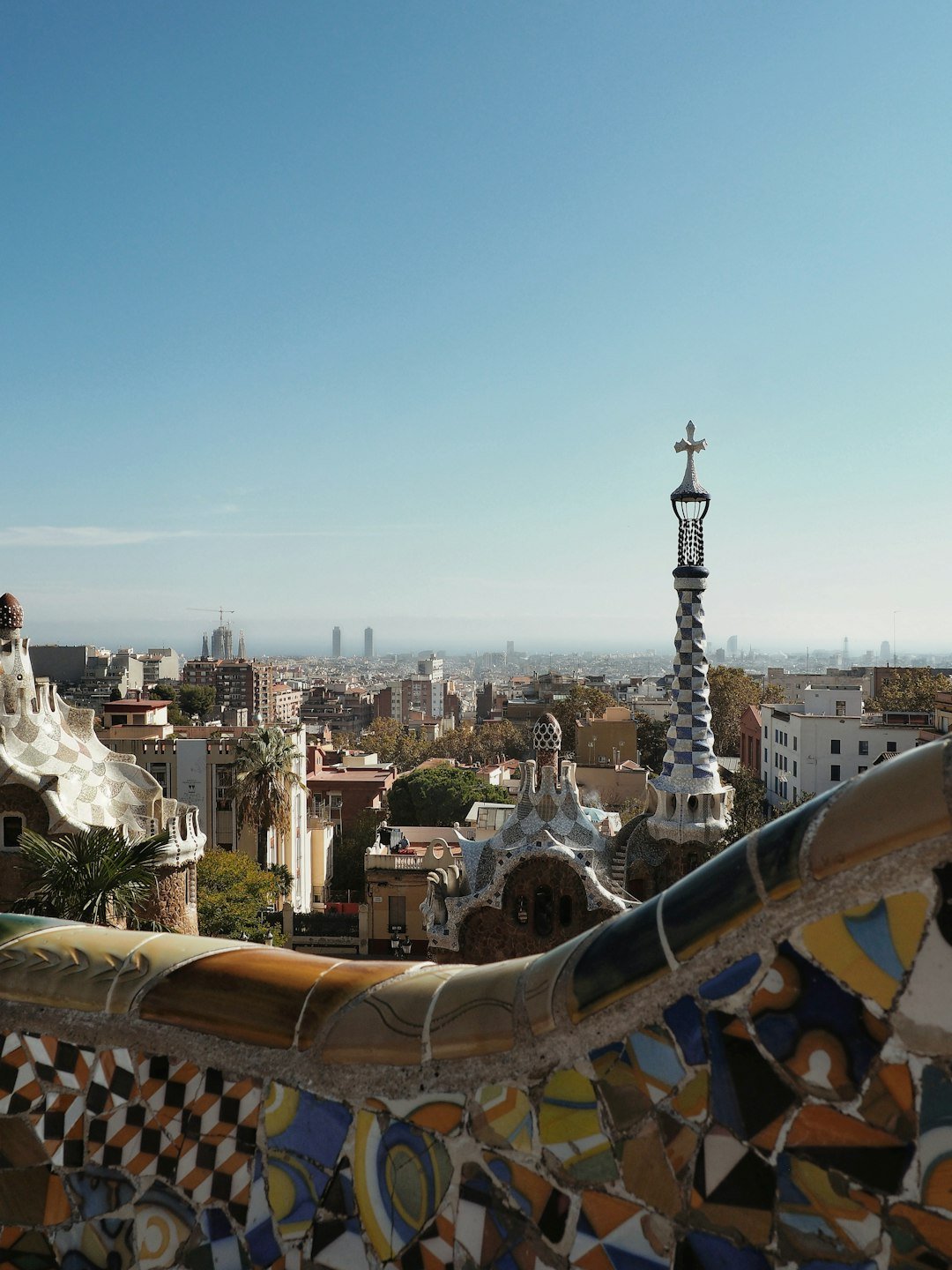
Park Güell (Gaudí’s UNESCO-listed park — book tickets in advance for the monumental zone with the famous mosaic terrace). Casa Batlló (Gaudí’s 1904 remodel of a city block apartment — the most extraordinary building facade in Europe; the Dragon rooftop at night is particularly spectacular). Casa Milà (La Pedrera) (Gaudí’s 1910 apartment building — the rooftop terrace with its warrior chimney stacks is one of the city’s best views). Palau de la Música Catalana (Lluís Domènech i Montaner’s 1908 concert hall — the finest Art Nouveau interior in the world; attend a concert for the full experience). El Born (Barcelona’s most creative neighbourhood — the Picasso Museum, independent galleries, and the best bar-hopping in the city). La Boqueria (the city’s famous market on La Rambla — arrive early morning for the authentic version before the tourist rush). Montjuïc (the hill overlooking the city and port — the MNAC art museum, the 1992 Olympic Stadium, the Fundació Miró, and the best city panorama). El Raval (Barcelona’s most diverse and rapidly gentrifying neighbourhood — the MACBA contemporary art museum, the Filmoteca, and the best independent music venues). Gràcia (the most Barcelonan of neighbourhoods — a former independent village with its own distinct identity, excellent restaurants, and the Plaça del Sol evening culture). Tibidabo (the mountain behind the city — an amusement park, a neo-Gothic church, and the most complete panorama of Barcelona available). Poblenou (Barcelona’s former industrial district, now the city’s tech and creative hub — the Rambla del Poblenou is the most authentic Rambla in the city).