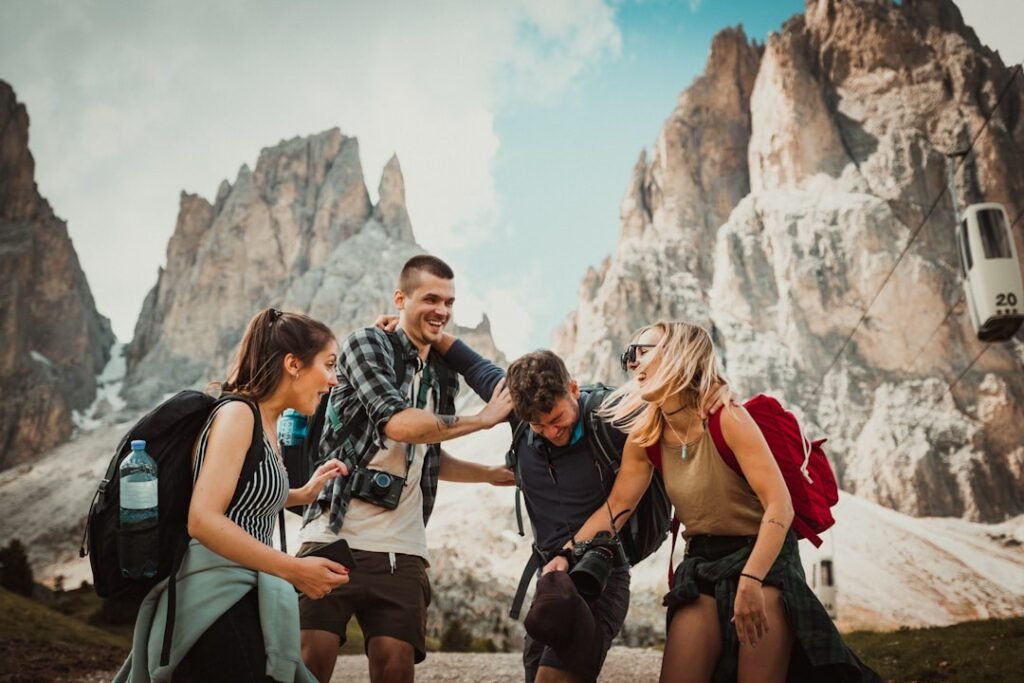
One of the most persistent myths about solo travel is that it is lonely. The reality, for most people who try it, is almost exactly the opposite: solo travel removes the social buffer of travelling companions and forces genuine interaction with the world — with locals, with other travellers, with the places themselves. The question is not whether you will meet people when travelling alone, but how to do it intentionally and well.
Stay in Social Accommodation
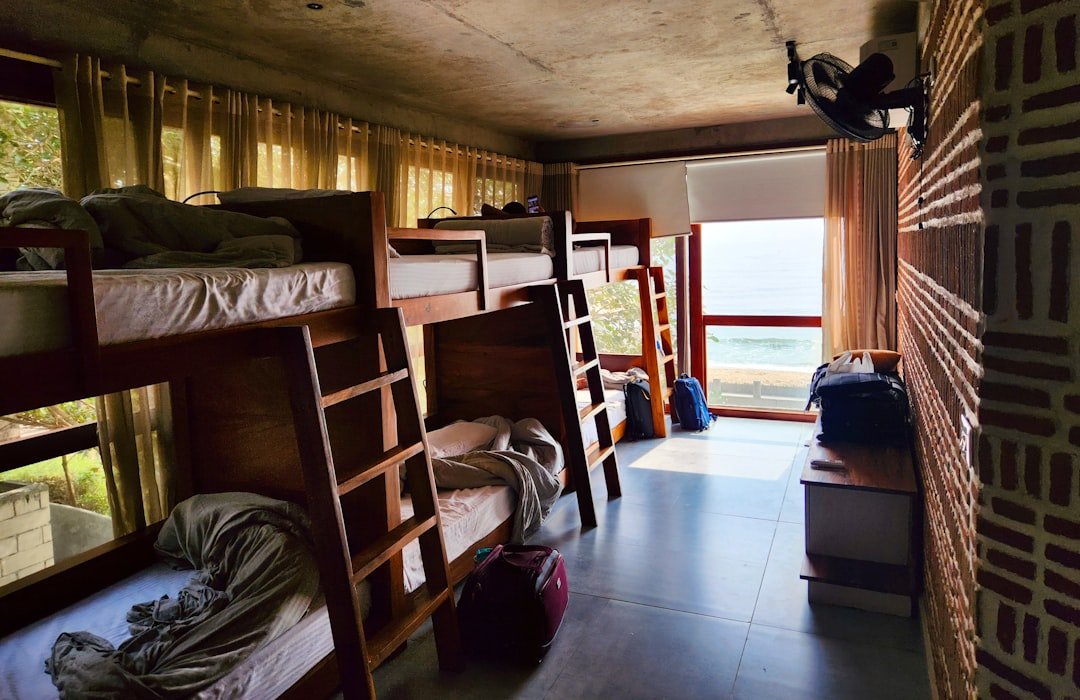
The single most effective decision for meeting people when travelling solo is where you stay. Hostels with active common rooms, communal kitchens, and organised social events (pub crawls, walking tours, group dinners) create environments where meeting people requires almost no effort. The social infrastructure does the work. Even if you book a private room, a well-run hostel with a good common room will consistently produce conversations, shared meals, and ongoing travel companions.
Boutique guesthouses with communal breakfast areas and knowledgeable owners can be similarly effective — particularly in destinations where the owners function as local connectors, introducing guests to each other and to the city.

Join Group Activities and Tours
Organised activities are the most reliable mechanism for meeting people with shared interests. Free walking tours (operating in almost every major city globally, tip-based, with excellent local guides) consistently attract solo travellers and produce friendships. Cooking classes, surf lessons, language exchanges, volunteer days, and day hikes create shared experiences that generate conversation naturally. The activity is the social lubricant — it removes the awkwardness of cold introduction.
Platforms like Meetup, Couchsurfing events, and local Facebook groups for expats and travellers list activities in most cities. Airbnb Experiences and GetYourGuide also surface small-group activities that work well for solo travellers.
Eat and Drink at the Bar
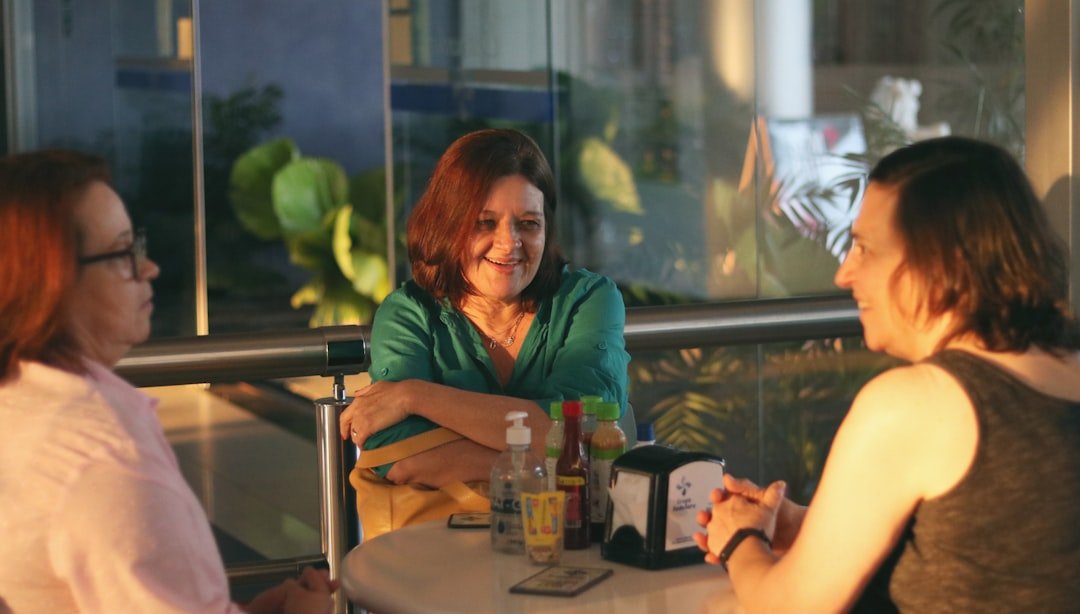
A small tactical adjustment with outsized social results: when eating or drinking alone, sit at the bar rather than a table. Bars are designed for conversation — the bartender is a natural interlocutor, other bar-seat occupants are self-selecting for social interaction, and the physical proximity makes conversation natural rather than forced. This works in every culture and every type of establishment.
Use Technology Strategically
Couchsurfing’s meetup feature (distinct from the accommodation function) hosts regular local gatherings that mix travellers and locals. Bumble BFF mode has become a legitimate tool for solo travellers looking for activity partners. Solo travel Facebook groups for specific destinations (Solo Travel Network, Girls LOVE Travel, Solo Travelers) connect people planning to be in the same city at the same time. These are not substitutes for real-world interaction but effective pre-arrival connectors.
Be Present and Approachable
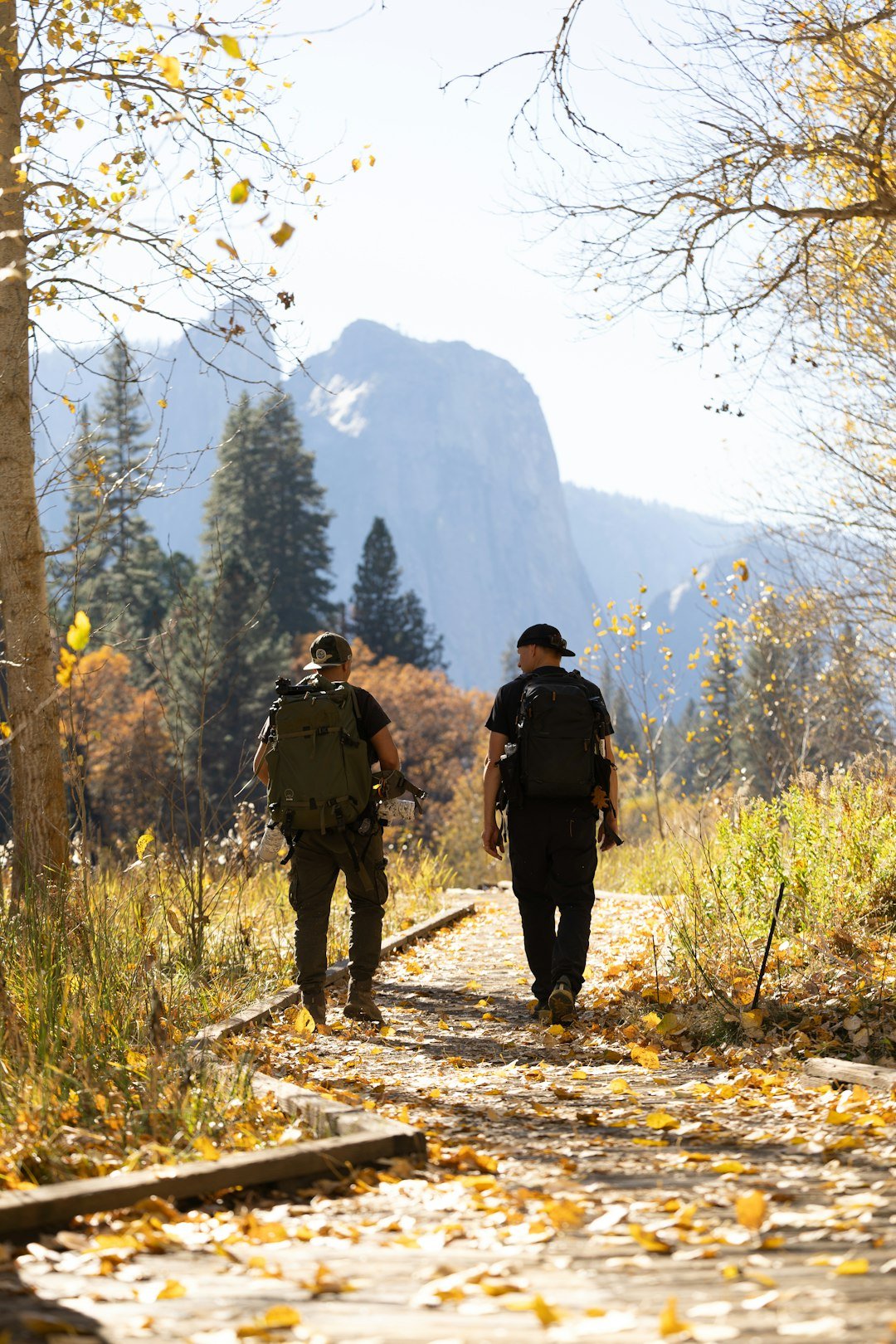
The most effective social tool available to any solo traveller costs nothing and requires no app: put your phone away in shared spaces. The traveller reading a book in a hostel common room is more approachable than the traveller scrolling a phone. Eye contact, a natural smile, and a willingness to initiate (“Where are you headed next?”) is the entire social toolkit. Most solo travellers are looking for exactly the same thing as you — the opening question is usually all it takes.