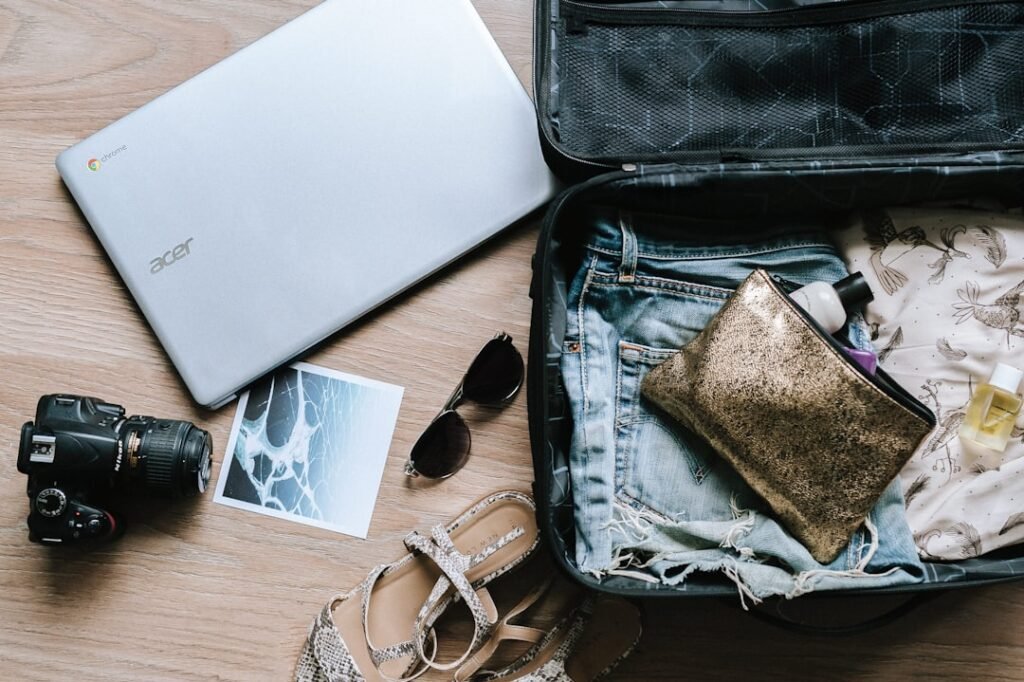
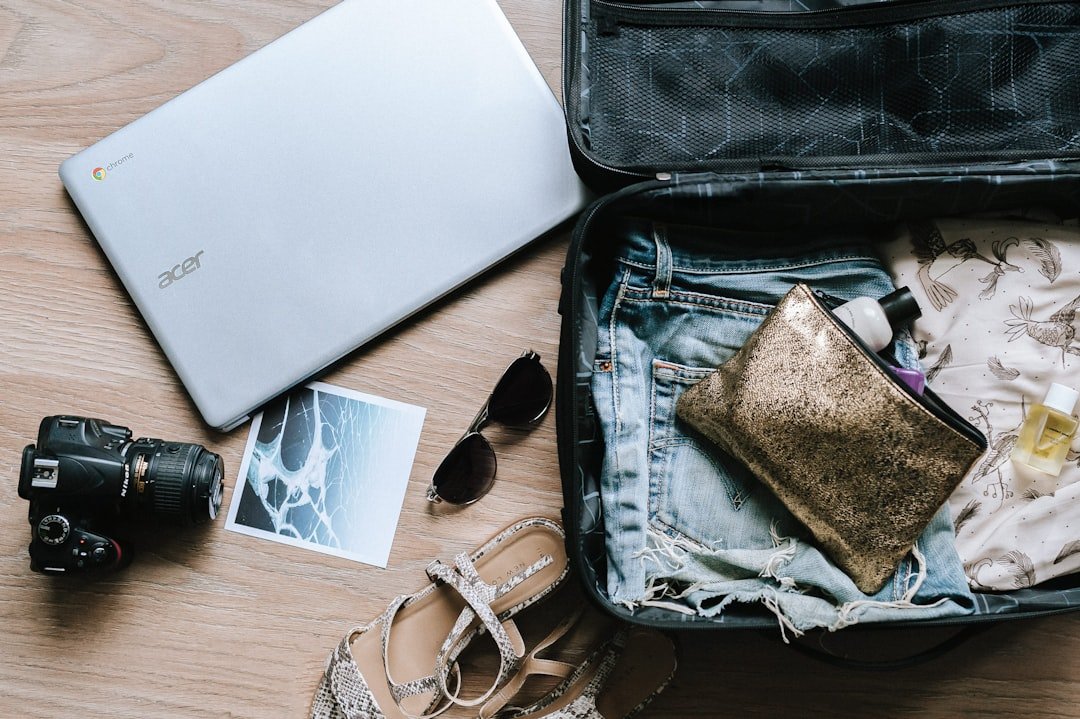
Packing for international travel is a skill that most travellers spend years getting wrong before they get it right. The most common mistake is overpacking — bringing options you won’t use and carrying weight that slows you down, costs money in baggage fees, and makes every transit more difficult. The second most common mistake is underpacking — leaving behind something genuinely essential and spending the first days of a trip trying to source it.
This list covers what actually belongs in your bag for international travel — organized by category, with reasoning for each decision.
Documents and Money
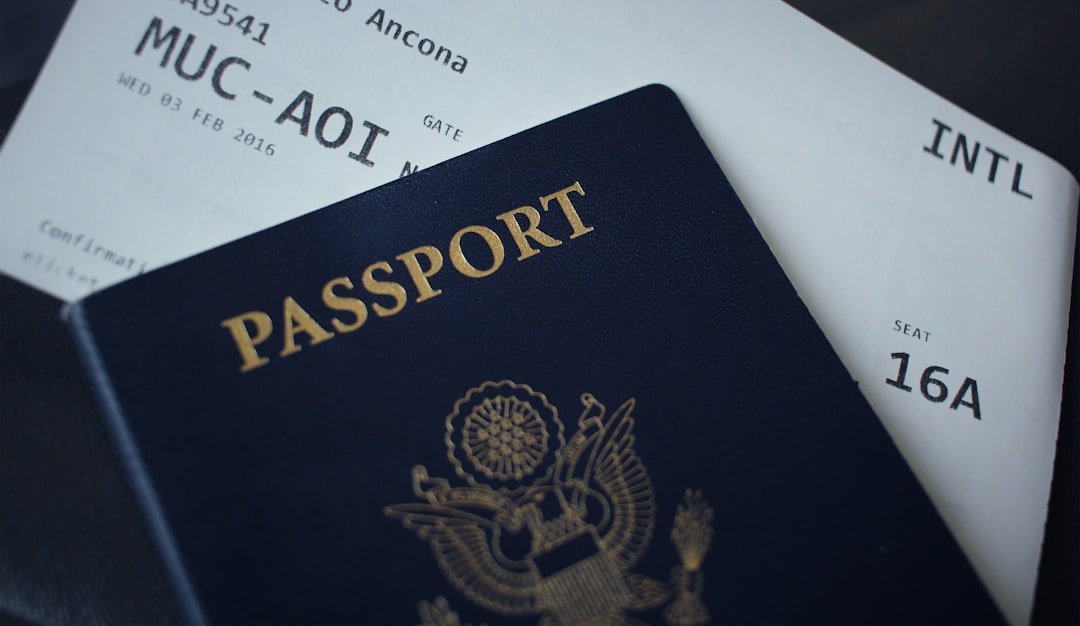
Passport (valid for at least six months beyond your travel dates — many countries require this). Printed copies of your booking confirmations, travel insurance policy, and emergency contacts stored separately from the originals. A second form of photo ID. Two bank cards from different networks (Visa and Mastercard), ideally from banks with low or no foreign transaction fees. Some local currency for arrival — enough for transport and food for the first day before you reach an ATM.
Clothing: The One-Week Rule
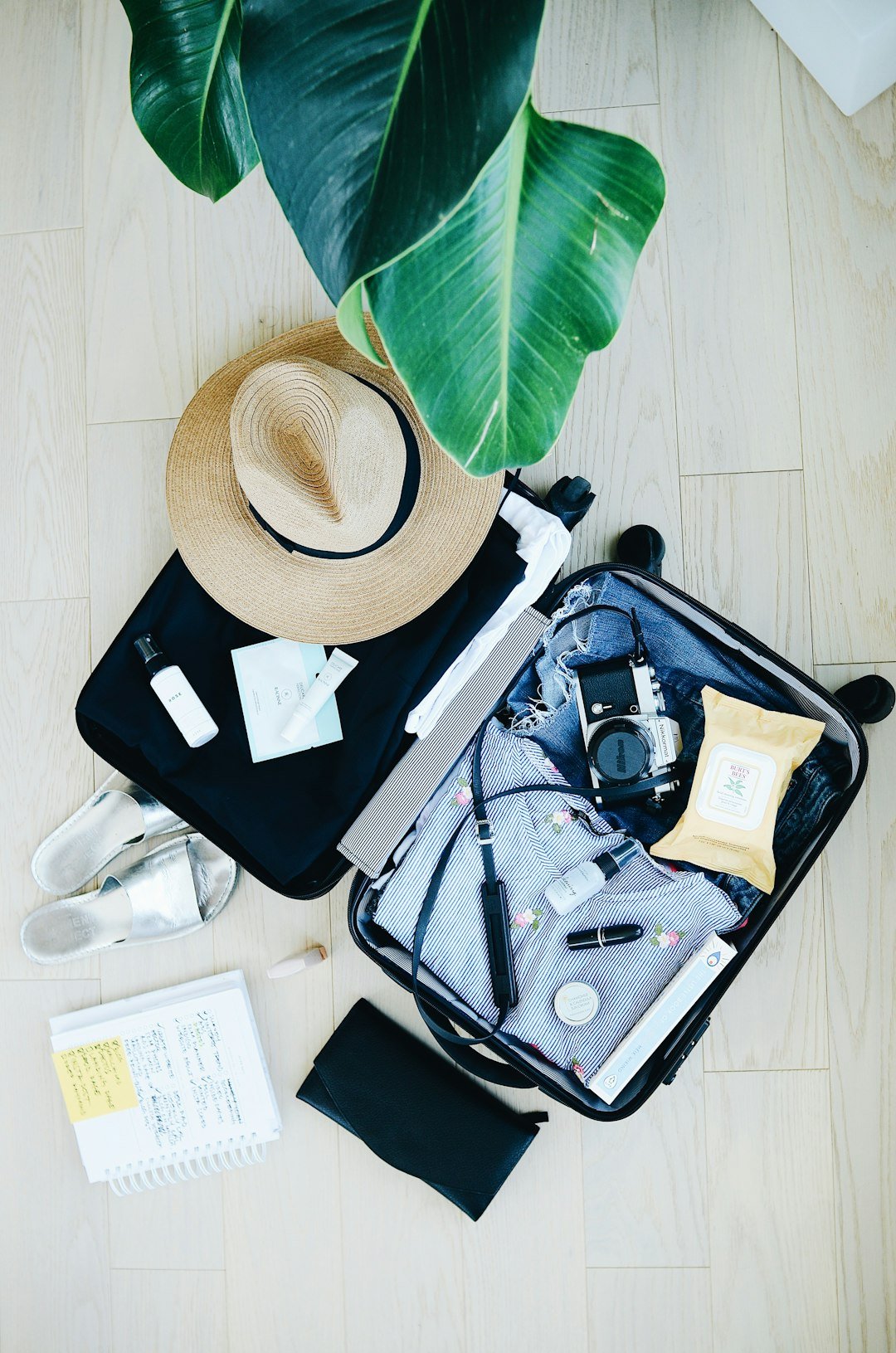
Pack for one week regardless of trip length — laundry is available everywhere, and most travellers wear far fewer items than they pack. The core clothing list: five to seven days of underwear and socks, three to four shirts or tops that work for multiple occasions, two pairs of trousers or bottoms (one casual, one smarter), one warm layer (fleece or light down jacket), one waterproof outer layer, one pair of comfortable walking shoes, one pair of sandals or lighter shoes. Everything should be interchangeable — every top should work with every bottom.
Electronics and Adapters
Universal power adapter (one good one covers all destinations). Portable battery pack of at least 10,000mAh — enough to charge a phone three times. Charging cables for all devices. Noise-cancelling headphones or earbuds for flights and trains. A small cable organiser prevents the tangle problem that affects every traveller who skips it.
Health and Toiletries
Prescription medications in original packaging, with a letter from your doctor for anything controlled. Basic first aid: pain relief, antihistamine, antidiarrheal medication, rehydration sachets, blister plasters. Sunscreen (buy locally if travelling light — it is universally available). A small quick-dry travel towel if staying in hostels or budget accommodation. Hand sanitiser and a small pack of wet wipes for long transit days.
The Things Most People Forget
A doorstop alarm for security in budget accommodation. A padlock for hostel lockers. An eye mask and earplugs for overnight transport. A reusable water bottle — Hydro Flask or similar — that reduces plastic waste and saves money over the course of a trip. A small notebook: phones die; paper does not.