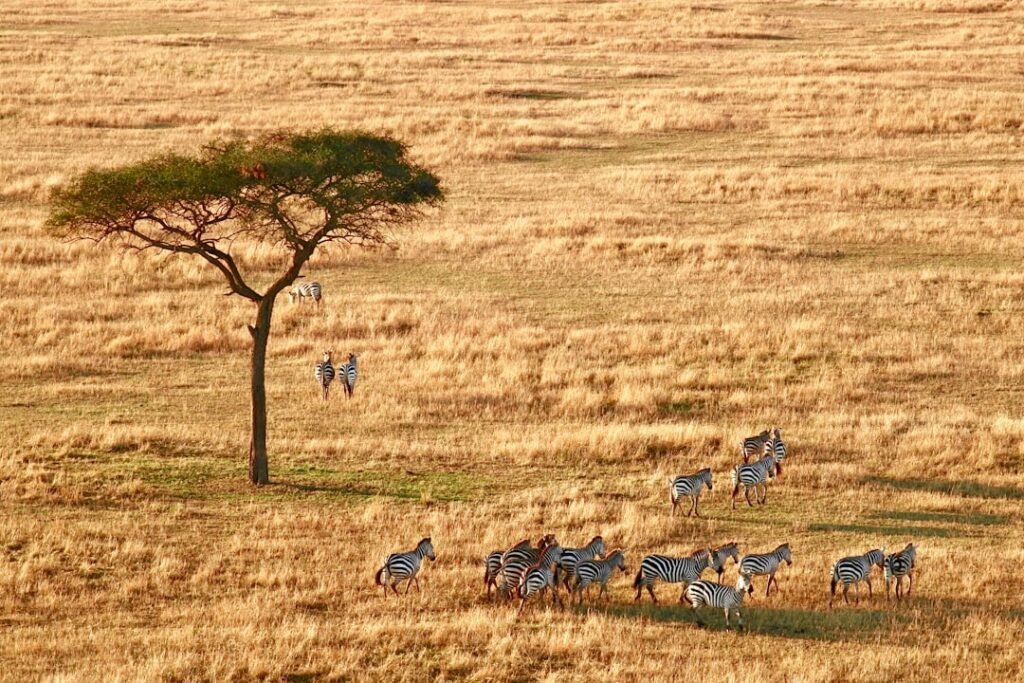
Tanzania is East Africa’s most complete safari and adventure destination — home to Mount Kilimanjaro (Africa’s highest peak), the Serengeti (the world’s greatest wildlife ecosystem), Zanzibar (one of the Indian Ocean’s most beautiful archipelagos), and the Ngorongoro Crater (the world’s largest intact volcanic caldera and one of its densest wildlife concentrations). These are its 15 most interesting places.
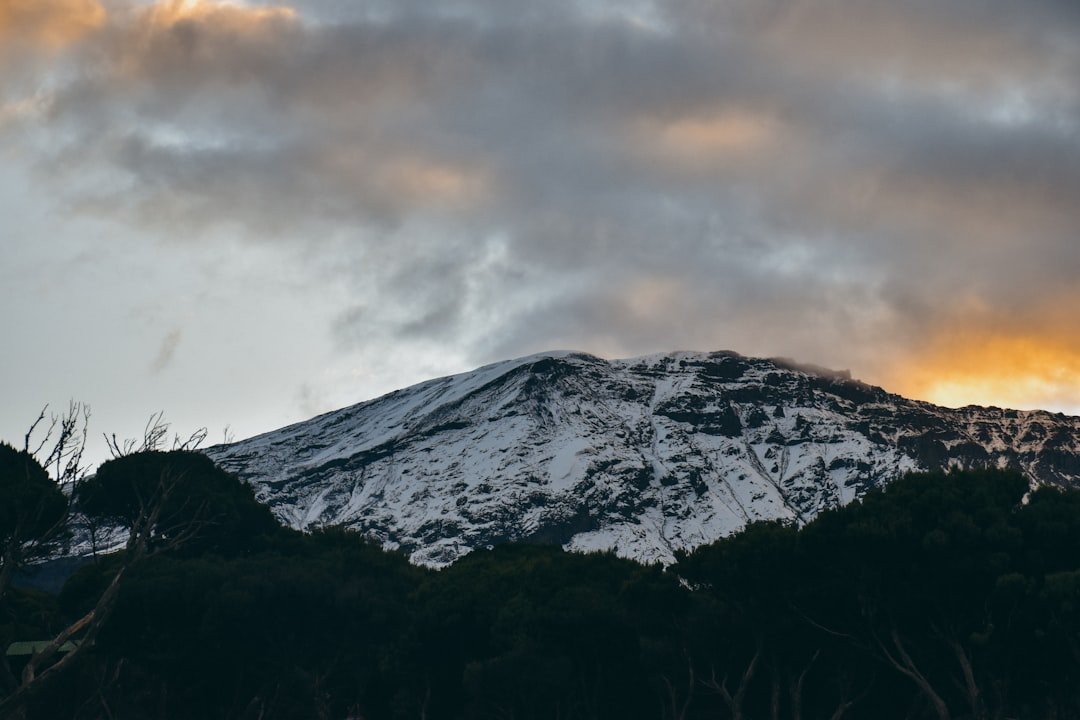
1. Mount Kilimanjaro
Kilimanjaro — 5,895 metres, Africa’s highest peak — is the world’s tallest free-standing mountain and the highest peak achievable by non-technical climbers without specialist equipment. The Marangu, Machame, and Lemosho routes offer varying degrees of challenge and scenery; the Machame (6-7 days) is considered the best balance of acclimatisation, scenery, and summit success rate. The experience of walking through five distinct climate zones — rainforest to moorland to alpine desert to arctic summit — within a single ascent is unique in world mountaineering.
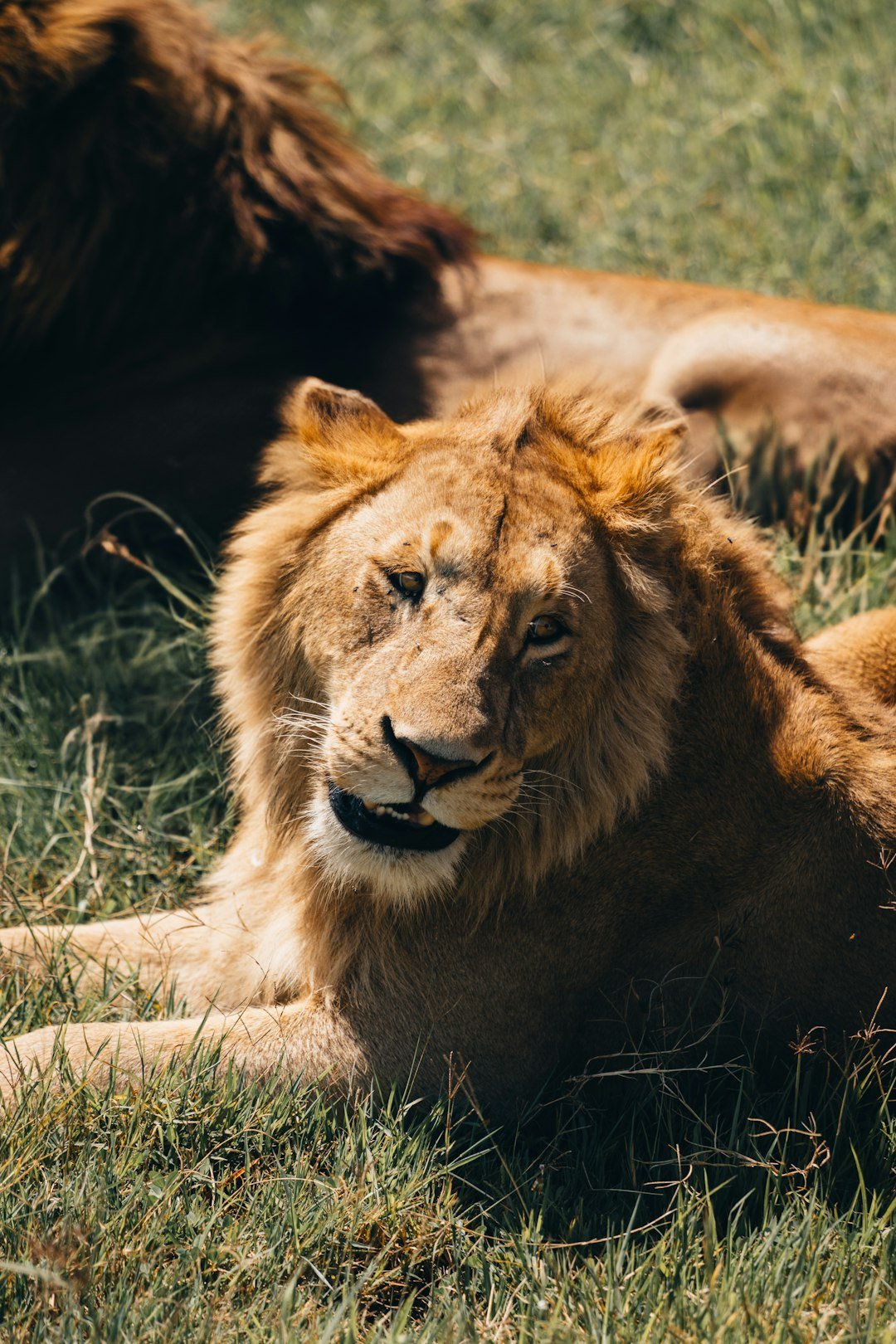
2. The Serengeti
The Serengeti National Park — 14,763 square kilometres of open savanna, acacia woodland, and river systems — is the stage for the Great Migration and one of the world’s greatest concentrations of large mammal biomass. The Central Serengeti (Seronera) offers year-round wildlife including the highest density of leopard in Africa; the Northern Serengeti (Kogatende) hosts the dramatic Mara River crossing in July to October; the Southern Serengeti (Ndutu) offers calving season from January to March when 400,000 wildebeest calves are born in six weeks, drawing every predator in the ecosystem.
3. Zanzibar
Zanzibar — a semi-autonomous archipelago off the Tanzanian coast — combines one of the Indian Ocean’s finest beach destinations with Stone Town, a UNESCO-listed Swahili city of Arabic, Persian, Indian, and European architectural influence that served as the 19th-century centre of the East African spice and slave trades. The northern beaches (Nungwi, Kendwa) offer the calmest water and best sunset views; the east coast (Paje, Jambiani) has the best kitesurfing; Pemba Island to the north offers world-class diving almost entirely without other tourists.
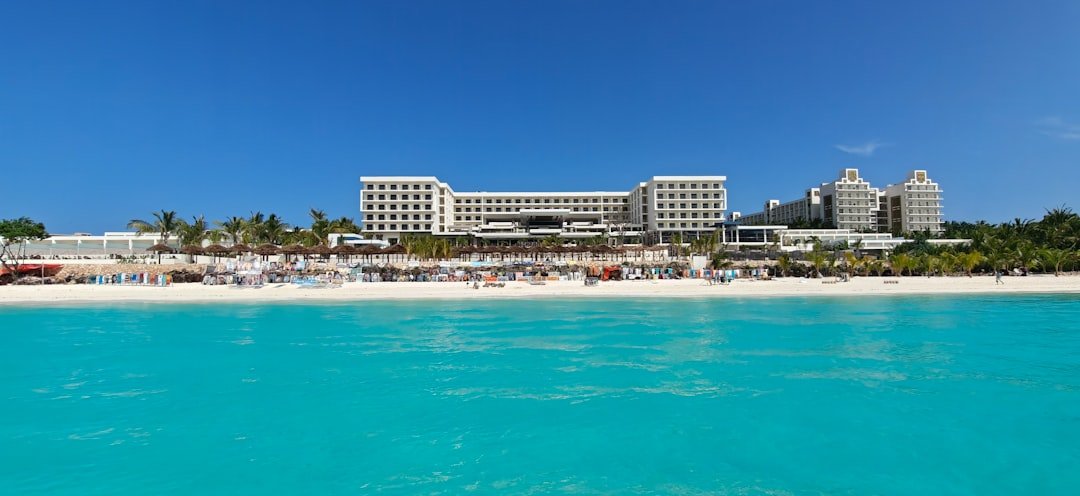
4-15. The Complete Tanzania
Ngorongoro Crater (the world’s largest intact volcanic caldera — 600 square kilometres containing 25,000 large mammals including the densest population of lions in Africa and one of Africa’s last remaining black rhino populations). Tarangire National Park (the best elephant concentration in Tanzania outside Amboseli, with ancient baobab landscapes and tree-climbing lions). Lake Manyara (a soda lake famous for its flamingos, tree-climbing lions, and hippo pools — a compact park best combined with Ngorongoro). Ruaha National Park (Tanzania’s largest and most undervisited park — exceptional wild dog sightings, enormous elephant herds, and almost no other tourists). Selous/Nyerere (Africa’s largest game reserve — boat safaris on the Rufiji River, walking safaris, and a wilderness experience genuinely remote). Pemba Island (dive sites consistently ranked among the world’s top ten — walls, channels, and pelagic fish populations of extraordinary richness). The Usambara Mountains (colonial hill stations, tea plantations, and hiking through rainforest — a Tanzania that most visitors never see). Dar es Salaam (Tanzania’s commercial capital — the Kariakoo market, the National Museum, and the ferry departure point for Zanzibar). Mahale Mountains (chimpanzee trekking on the shores of Lake Tanganyika — one of Africa’s most remote and rewarding wildlife experiences). Gombe Stream (Jane Goodall’s research site — the world’s longest-running chimpanzee study, accessible by boat on Lake Tanganyika). Olduvai Gorge (where Louis and Mary Leakey discovered Homo habilis fossils in 1959 — the most important paleoanthropological site on earth, in the Ngorongoro Conservation Area).