in
15 Most Interesting Places in Sri Lanka (2026 Travel Guide)
Sri Lanka packs more into a single island than most countries manage in a continent. In the space of a two-week journey you can walk around the summit of a 5th-century rock fortress, watch wild elephants crossing a river at sunset, take a train through tea plantations at 2,000 meters, and swim in the Indian Ocean before breakfast.
The island was called Serendib by ancient Arab traders — the origin of the word serendipity — and travel here still delivers that quality: unexpected discoveries at every turn, connections made before you were looking for them, beauty encountered before you had prepared yourself for it.
These are the most interesting places in Sri Lanka for travelers ready to be surprised.
Iconic Sri Lanka Landmarks Every Visitor Must See
1. Sigiriya Rock Fortress – The Lion Rock Above the Jungle
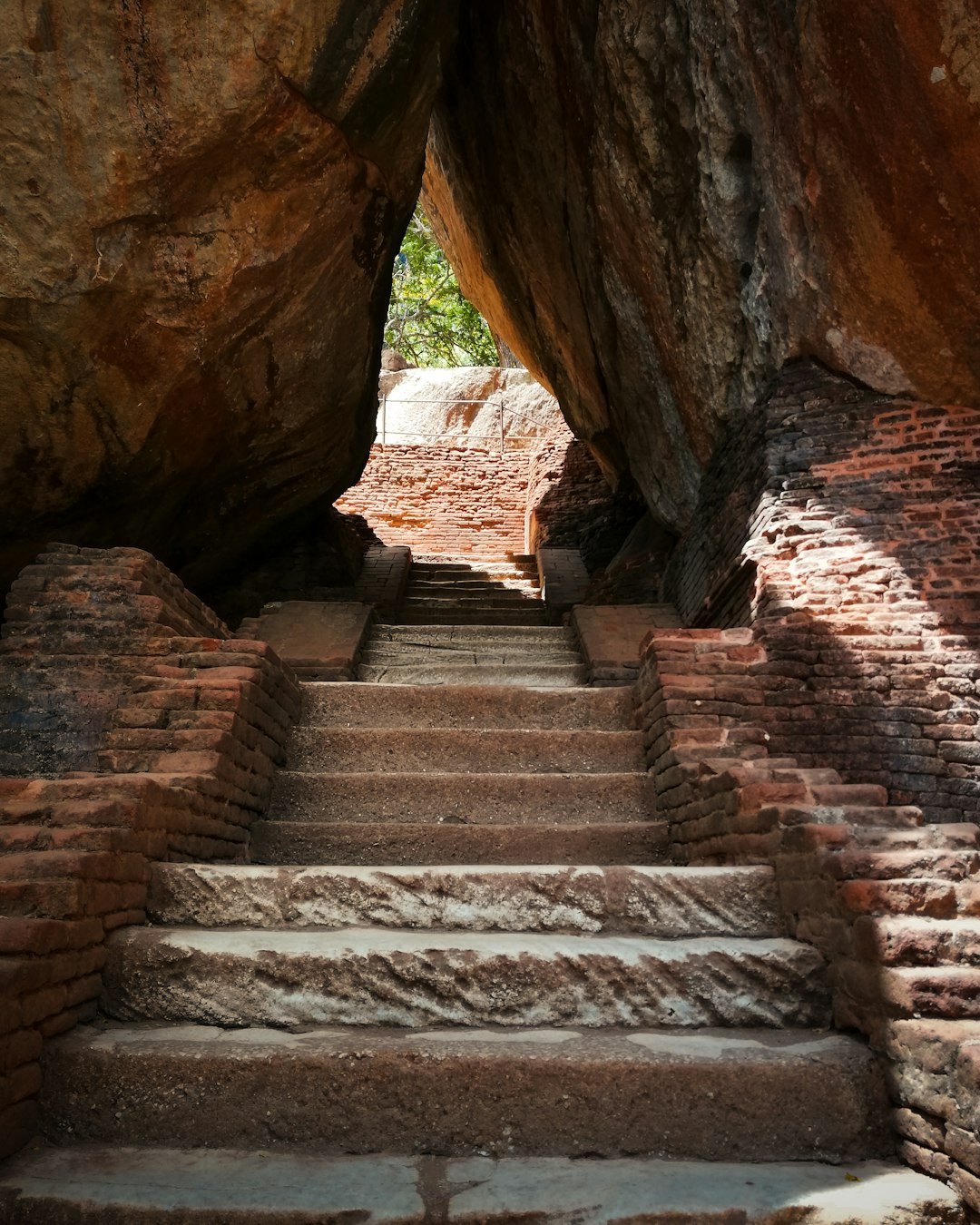
The 5th-century citadel of Sigiriya rises 200 meters above the surrounding jungle on a single column of granite — an ancient palace and fortress built at the summit by King Kashyapa between 477 and 495 AD. The climb passes through the Lion’s Gate (where two enormous stone lion paws mark the final staircase), the famous frescoes of heavenly maidens painted on the sheer rock face, and a Mirror Wall polished to such perfection that the king could see his reflection as he walked.
The views from the summit platform over the surrounding jungle and distant mountains are extraordinary.
Practical tip: Arrive at opening (7 AM) to reach the summit before tour groups. The climb takes 90 minutes up and 60 minutes down. Entry is $30 USD for foreign visitors.
Book now: Sigiriya Rock guided tour via GetYourGuide
2. Temple of the Tooth, Kandy – Sri Lanka’s Most Sacred Site
The Sri Dalada Maligawa in Kandy houses Sri Lanka’s most sacred Buddhist relic — a tooth of the Buddha, brought to the island in the 4th century AD. The temple complex on the shore of the Kandy Lake is the most important pilgrimage site in Sri Lankan Buddhism and one of the most atmospheric religious sites in Asia. The daily puja (offering) ceremonies, with drumming and the opening of the inner shrine, are conducted three times daily and open to visitors.
The Esala Perahera festival in July/August, when the relic is paraded through the city on the back of a decorated elephant, is one of the grandest religious processions in Asia.
Practical tip: Modest dress is required — shoulders and knees covered, shoes removed. The evening puja at 6:30 PM is the most atmospheric.
Book now: Kandy Temple of the Tooth guided tour via Viator
3. Ella – The Most Scenic Train Journey in Asia
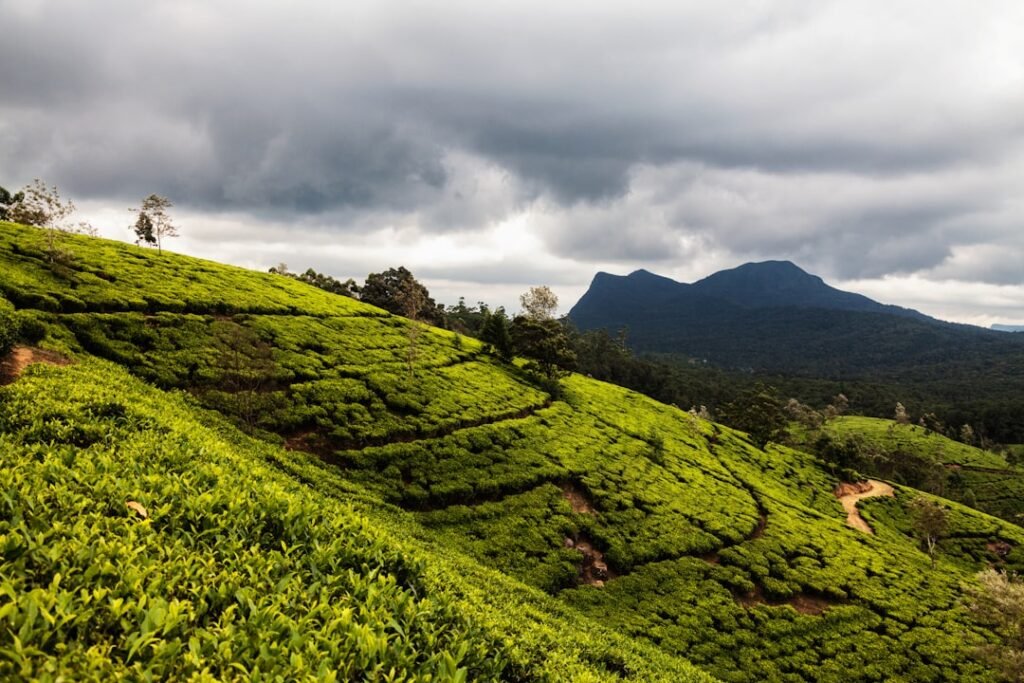
The train from Kandy to Ella through the Hill Country tea estates is consistently listed among the world’s finest rail journeys — six hours through cloud forest, waterfalls, and tea plantations at 2,000 meters, with mist rolling across mountain valleys and tea pickers moving through the green rows below. The station at Ella drops you into a small mountain town of extraordinary beauty with hiking, waterfalls, and the famous Nine Arch Bridge nearby.
Practical tip: Book second-class reserved seats (550 LKR) online through Bookaway or Sri Lanka Railways at least a week in advance. Sit on the right side of the train traveling from Kandy to Ella for the best views.
Book now: Kandy to Ella scenic train experience via GetYourGuide
Lesser-Known Sri Lanka Attractions Worth the Journey
4. Yala National Park – Leopards and Elephants on the Southern Coast
Yala’s Block 1 has the highest density of leopards of any national park in the world — a remarkable statistic that makes leopard sightings here more reliable than virtually anywhere else on earth. Elephants, sloth bears, crocodiles, and enormous concentrations of water birds share the scrub jungle and lagoon landscape of the park’s southern coastal zone.
Practical tip: Safaris run twice daily (6 AM and 3 PM). The morning safari is consistently more productive. Book a full-day safari for the best chance of multiple leopard sightings.
Book now: Yala National Park wildlife safari via Viator
5. Anuradhapura – Sacred Ruins of Sri Lanka’s First Kingdom
The ancient city of Anuradhapura was the capital of Sri Lanka for 1,300 years and one of the ancient world’s great cities. Its ruined dagobas (Buddhist stupas) are among the largest ancient structures on earth — the Jetavanaramaya was the third-tallest building in the ancient world. The sacred Bodhi Tree at its center is grown from a cutting of the original tree under which the Buddha attained enlightenment — making it the oldest historically documented tree on earth, planted in 288 BC.
Practical tip: Rent a bicycle at the entrance to cover the widely spread ruins. White clothing is not required but modest dress is. Most visitors spend a full day.
6. Galle Fort – A Dutch Colonial City on the Indian Ocean
The 17th-century Dutch fortified city of Galle on Sri Lanka’s southwest coast is a UNESCO World Heritage Site of extraordinary completeness — 36 hectares of colonial streets, Dutch churches, a lighthouse, cricket ground, and excellent guesthouses within intact rampart walls. The evening walk along the ramparts as the sun sets over the Indian Ocean is one of the finest things to do in Sri Lanka.
The fort has developed an excellent independent restaurant and boutique hotel scene within its colonial buildings, making it the most comfortable base on the south coast.
7. Udawalawe National Park – Sri Lanka’s Best Elephant Experience
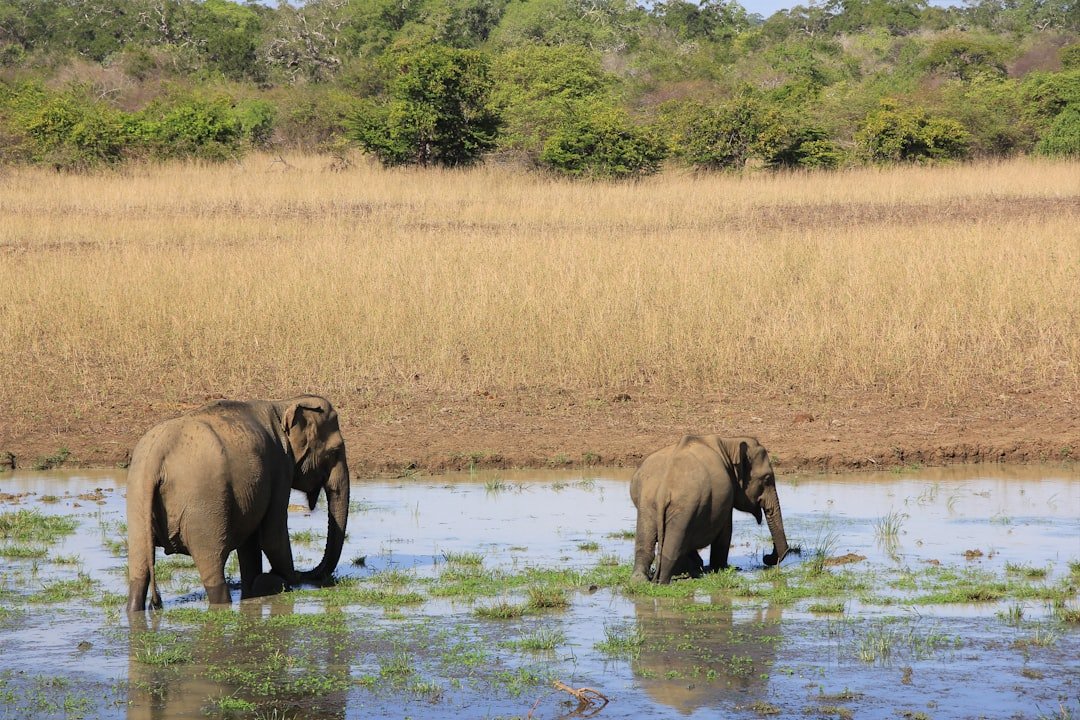
For sheer elephant numbers, Udawalawe exceeds even Yala — the national park on the southern slopes of the central highlands consistently provides sightings of large herds of wild elephants in open grassland, making photography straightforward and encounters virtually guaranteed. The Elephant Transit Home within the park rehabilitates orphaned calves before release.
Practical tip: Udawalawe is better than Pinnawala Elephant Orphanage for ethical elephant encounters — the elephants are wild and free-ranging rather than captive.
Hidden Gems in Sri Lanka Only Slow Travelers Discover
8. Polonnaruwa – Ancient City Better Than Anuradhapura
The medieval capital of Polonnaruwa, built between the 10th and 13th centuries, is more compact and better preserved than Anuradhapura — the Gal Vihara, a group of four Buddha figures carved directly from a single granite face (including a 15-meter reclining Buddha), is the finest rock carving in Sri Lanka. The royal palace complex, the circular relic house (Vatadage), and the Rankot Vihara dagoba can all be covered by bicycle in a rewarding full day.
9. Adams Peak (Sri Pada) – A Sacred Summit for Four Religions
The conical peak of Adams Peak (2,243 meters) in the Hill Country is sacred to four of Sri Lanka’s major religions: Buddhists venerate the footprint at the summit as the Buddha’s; Hindus claim it for Shiva; Muslims associate it with Adam; and Christians link it to St. Thomas. The night climb, beginning at 2 AM from Dalhousie village and reaching the summit for sunrise, is one of the most spiritually charged mountain experiences in Asia.
Practical tip: The pilgrimage season runs December to May. Outside this season the path is unlit and the summit temple may be closed. The climb takes 3-4 hours each way.
10. Mirissa – The Best Whale Watching in Asia
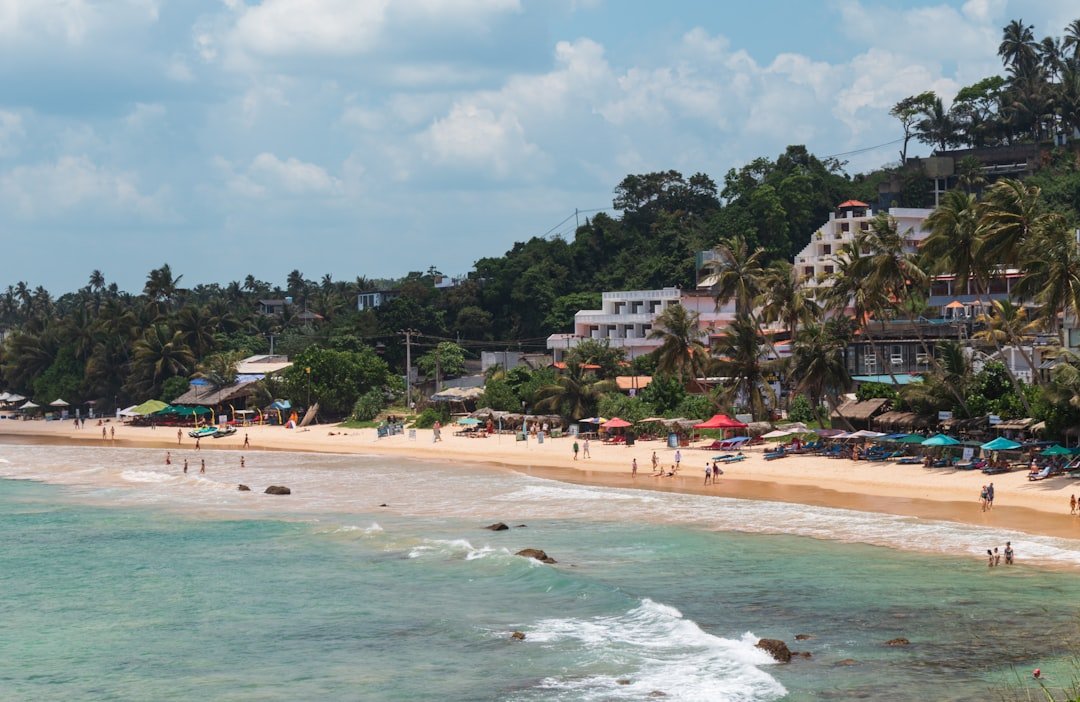
The small beach town of Mirissa on Sri Lanka’s south coast is one of the finest places in the world to observe blue whales — the largest animals that have ever lived on earth. Between November and April, blue whales, sperm whales, and dolphins are reliably encountered in the deep water of the continental shelf just offshore.
Practical tip: Book with an operator that limits boat numbers and maintains distance from whales (a requirement of ethical operators). Sunrise departures give the calmest sea conditions.
Book now: Mirissa blue whale watching tour via GetYourGuide
11. Nuwara Eliya – Little England in the Clouds
The British colonial hill station of Nuwara Eliya at 1,868 meters was built as a recreation of an English country town in the tropics — complete with a racecourse, golf course, rose gardens, and mock-Tudor architecture surrounded by some of the finest tea estates in the world. The surrounding Mackwoods Labookellie and Pedro estates open their tea factories to visitors.
The town is absurd, charming, and completely unlike anywhere else in Sri Lanka.
12. Ritigala Forest Monastery – Ancient Ruins in Untouched Jungle
The ruins of the Ritigala monastery, hidden in the jungle of the Ritigala Strict Natural Reserve north of Anuradhapura, are among the most atmospheric in Sri Lanka — ancient meditation platforms, stone-paved paths, and bathing tanks almost entirely reclaimed by forest, with barely a visitor in sight. The forest itself, on an isolated mountain rising from the dry zone plains, has a microclimate that supports unusual plant communities.
13. Horton Plains and World’s End – A Sheer Drop to the Lowlands
The Horton Plains National Park at 2,100 meters is a cold, windswept plateau of montane grassland and cloud forest. The World’s End viewpoint is a sheer escarpment dropping 880 meters to the southern lowlands — on clear mornings the view extends to the coast. The plateau is home to sambar deer, leopard, and the endemic purple-faced langur monkey.
Practical tip: Arrive at the park gate at opening (6 AM) to reach World’s End before cloud covers the escarpment (usually by 10 AM). The 9-kilometer circular walk takes 3-4 hours.
14. Knuckles Mountain Range – Sri Lanka’s Most Beautiful Hiking
The Knuckles Mountain Range northeast of Kandy takes its name from its resemblance to a clenched fist when seen from the valley. The range contains some of the finest trekking in Sri Lanka — through cloud forest, waterfalls, traditional Kandyan villages, and spectacular ridgeline views. The biodiversity within the range, including endemic species found nowhere else, earned it UNESCO World Heritage status.
15. Jaffna – The Tamil Cultural Capital of the North
The northern city of Jaffna, reopened to tourism after the end of the civil war in 2009, offers a completely different Sri Lanka from the southern tourist circuit. The Nallur Kandaswamy Kovil is the most important Hindu temple in Sri Lanka, the Dutch fort, the palmyra palm-lined Jaffna peninsula, and the remarkable cuisine (distinctly different from Sinhalese cooking) of the Tamil north make Jaffna one of the most culturally interesting places in Sri Lanka.
The four-hour train from Colombo to Jaffna, passing through the former conflict zone, is a journey through recent history as well as beautiful landscape.
Practical Sri Lanka Travel Tips
Best time to visit Sri Lanka: Sri Lanka has two monsoon seasons affecting different coasts. The southwest coast (Galle, Mirissa, Colombo) is best November to April. The east coast (Trincomalee, Arugam Bay) is best May to October. The Hill Country and Cultural Triangle are good year-round.
Getting around: Trains are the most atmospheric way to travel — especially the Hill Country routes. Tuk-tuks are the best local transport in towns. For flexible exploration, hire a car with driver (around $50-70/day) — roads are challenging enough that a local driver significantly reduces stress.
Currency: Sri Lankan Rupee (LKR). ATMs are widely available in cities and tourist towns. The exchange rate has fluctuated significantly in recent years — check current rates.
Food: Sri Lankan cuisine — rice and curry, hoppers (bowl-shaped rice flour pancakes), kottu roti, string hoppers, and fresh seafood — is one of the finest in South Asia. Eat at local restaurants (rice and curry from 300 LKR) rather than tourist menus.
Final Thoughts on Interesting Places in Sri Lanka
Sri Lanka is a country that rewards slow travel more than almost any other in Asia. The distances are small but the variety is extraordinary, and trying to cover everything in a week means covering nothing properly.
Give the island two weeks minimum. Spend three nights in each place rather than one. Take the slow train. Accept every invitation to tea. Sri Lanka’s greatest attractions are not always on the map.
Exploring Asia? Read our complete guides to Interesting Places in Bali, Interesting Places in the Maldives, and Interesting Places in Thailand.