in
15 Most Interesting Places in South Africa (2026 Travel Guide)
South Africa is one of the most diverse travel destinations on earth — a single country that contains world-class wildlife, two oceans meeting at a dramatic cape, one of the most beautiful cities in the world, ancient San rock art, penguin colonies, wine valleys, and a history of resilience that has shaped the modern world.
Most first-time visitors see Cape Town, the Garden Route, and the Kruger National Park. All three are genuinely extraordinary. But South Africa’s full breadth goes far beyond that well-worn triangle.
These are the most interesting places in South Africa for travelers ready to explore the full picture.
Iconic South Africa Landmarks Every Visitor Should See
1. Table Mountain, Cape Town – One of the Seven Natural Wonders
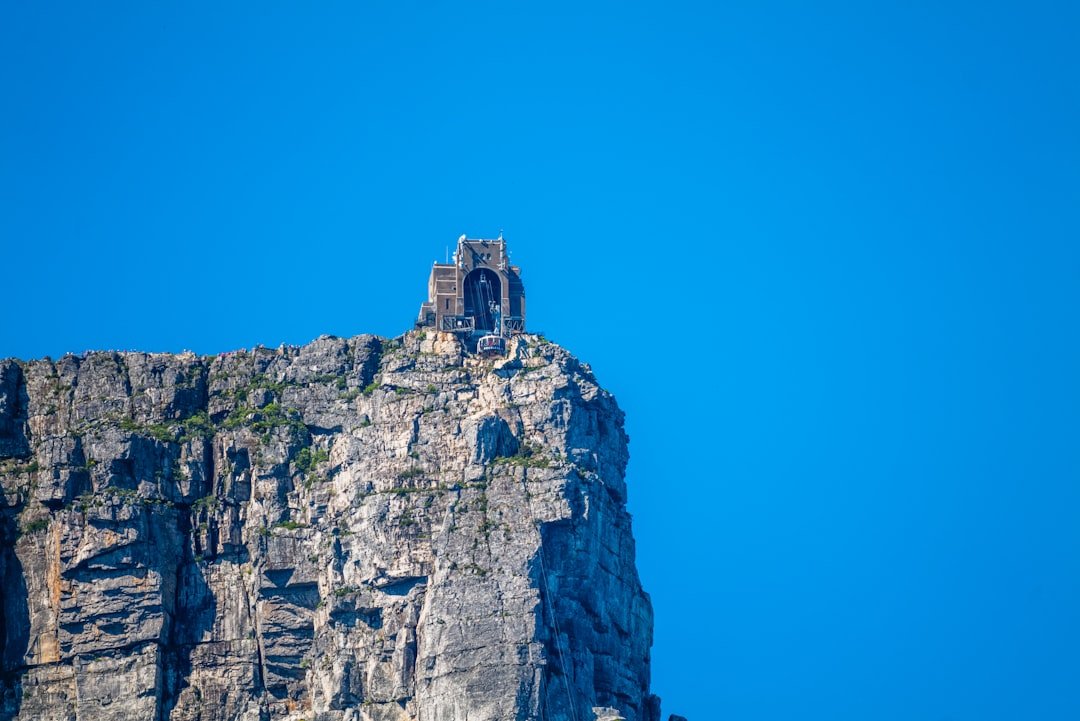
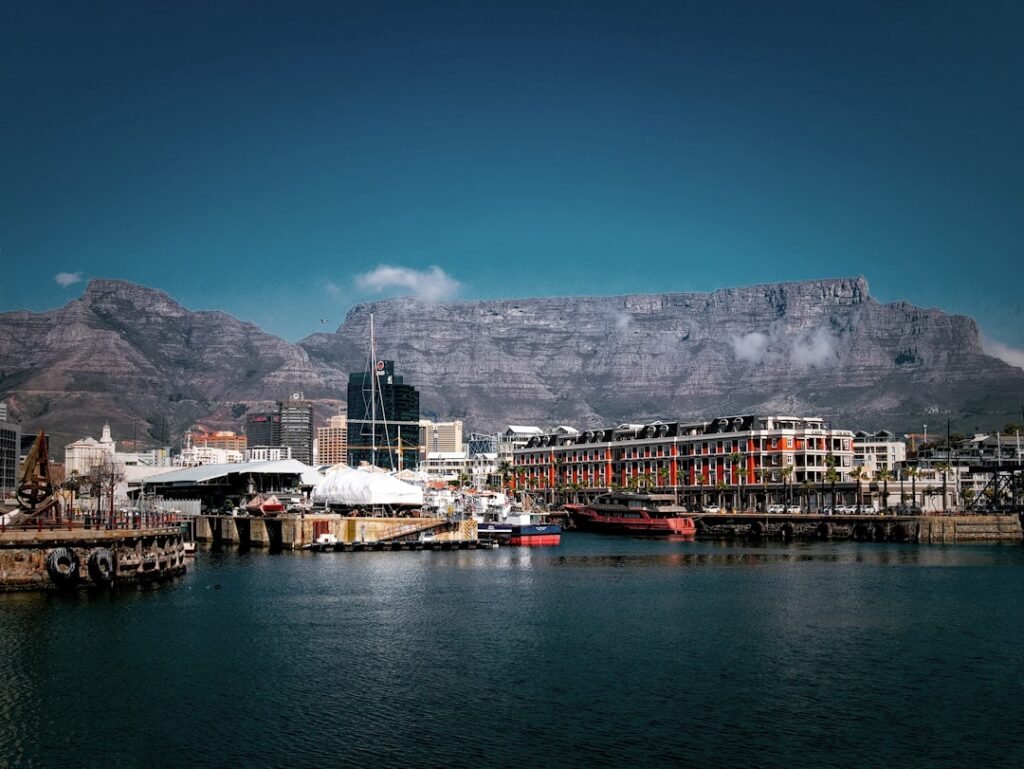
The flat-topped mountain rising 1,086 meters directly above Cape Town is one of the most recognizable natural landmarks in the world. The cable car to the summit offers 360-degree views over the Cape Peninsula, Robben Island, and the Atlantic coastline. On clear days, the view extends to the Hottentots-Holland mountains 60 kilometers away.
The mountain is also a biodiversity hotspot — the Cape Floristic Region on its slopes contains more plant species per square kilometer than the Amazon rainforest.
Practical tip: Book cable car tickets online to avoid queues. If the “tablecloth” cloud is rolling over the summit, visibility will be limited — wait a day if possible for a clear window.
Book now: Table Mountain cable car and Cape Town tour via GetYourGuide
2. Kruger National Park – Africa’s Greatest Wildlife Experience
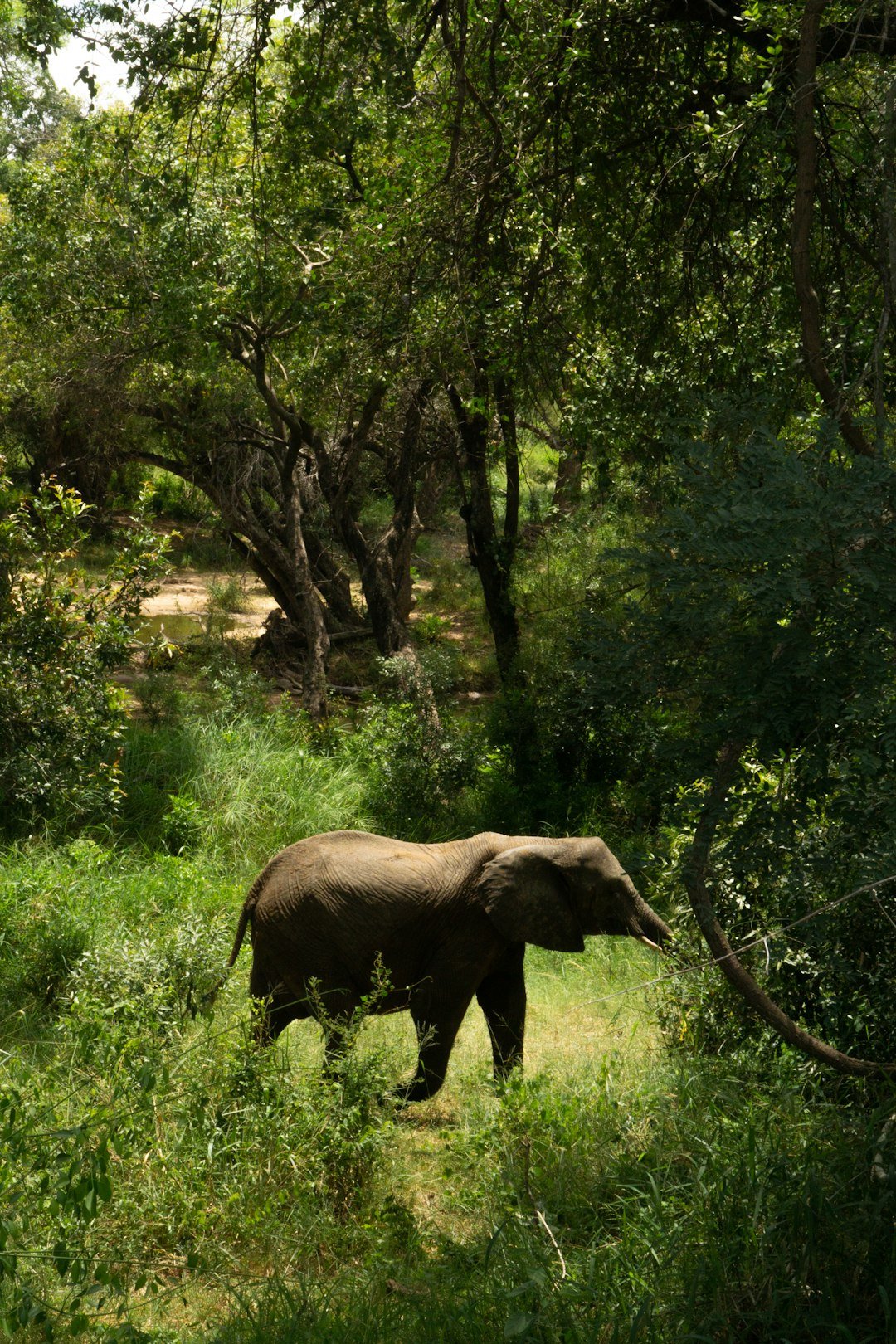
Covering nearly 2 million hectares, Kruger is one of the largest game reserves in Africa and the best place on the continent to self-drive a Big Five safari. Lion, elephant, buffalo, leopard, and rhino are all reliably seen here, along with cheetah, wild dog, hippo, and over 500 bird species.
The southern Kruger around Skukuza and Lower Sabie consistently offers the highest density of game. The far north around Punda Maria is wilder, less visited, and home to unique northern species.
Practical tip: Book SANParks accommodation 12 months in advance for peak season (June to September). Self-driving is entirely feasible on well-maintained roads.
Book now: Kruger National Park guided safari via Viator
3. Cape Point and the Cape Peninsula – Where Two Oceans Meet
The Cape of Good Hope at the tip of the Cape Peninsula is one of the world’s great geographical landmarks — a headland of dramatic cliffs where the Atlantic and Indian Oceans converge. The coastal drive from Cape Town through Chapman’s Peak, past Boulders Beach penguin colony, to Cape Point is one of the most scenic road trips in Africa.
The colony of African penguins at Boulders Beach, waddling between boulders just meters from visitors, is one of the most unexpectedly delightful wildlife experiences in South Africa.
Lesser-Known South Africa Attractions Worth the Journey
4. Drakensberg Mountains – Cathedral Peak and the Amphitheatre
The Drakensberg escarpment forms the border between South Africa and Lesotho in a wall of basalt cliffs up to 3,000 meters high. The Royal Natal National Park section contains the Amphitheatre — a 5-kilometer curved cliff face considered one of the most spectacular mountain views in the world — and the Tugela Falls, the world’s second-highest waterfall.
The range also contains the world’s largest concentration of San Bushman rock paintings, with over 35,000 individual images painted over thousands of years.
Practical tip: The hike to the top of the Amphitheatre via the chain ladder takes a full day. Start before sunrise for the best light and to avoid afternoon thunderstorms.
Book now: Drakensberg hiking day tour via GetYourGuide
5. Robben Island – Where History Changed
The island in Table Bay where Nelson Mandela was imprisoned for 18 of his 27 years in captivity is now a UNESCO World Heritage Site and one of the most powerful museum experiences in Africa. Tours are led by former political prisoners who were incarcerated alongside Mandela, offering testimony that no guidebook can replicate.
The boat trip from the V&A Waterfront takes 30 minutes and the island tour lasts around 3 hours.
Practical tip: Book weeks in advance — tours sell out quickly, especially in peak season. The boat can be rough on windy days.
6. Stellenbosch Wine Valley – South Africa’s Napa
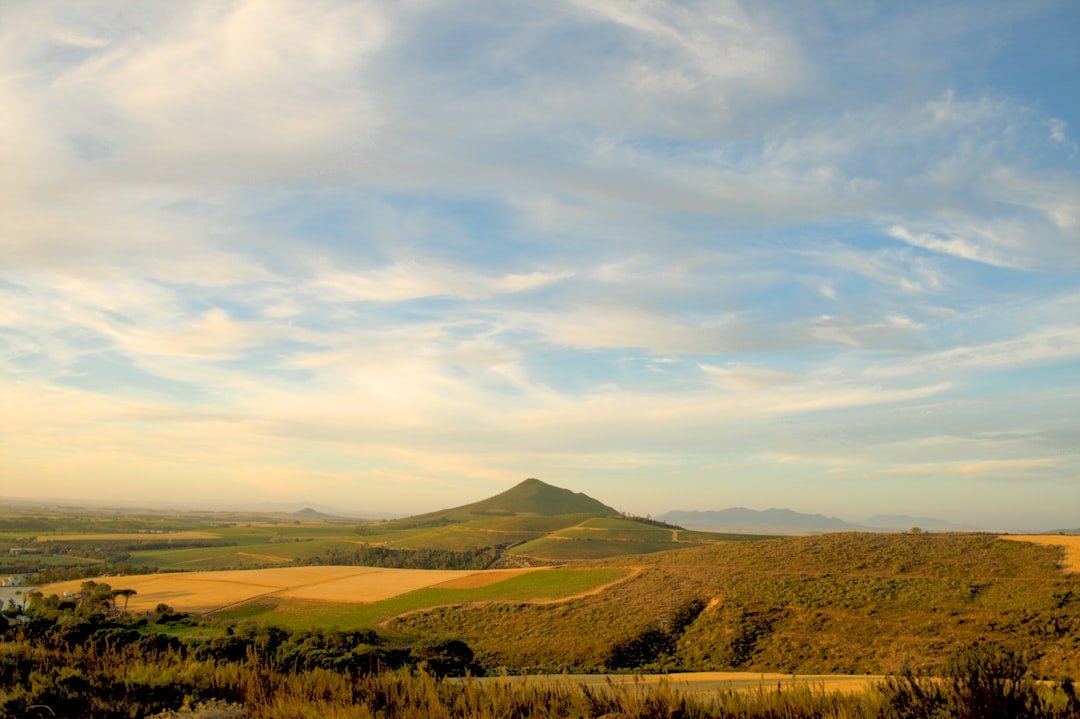
Just 50 kilometers from Cape Town, the Stellenbosch wine valley contains over 150 wine estates producing some of the finest Pinotage, Chenin Blanc, and Cabernet Sauvignon in the world. The town of Stellenbosch itself — a university town with Cape Dutch architecture, oak-lined streets, and excellent restaurants — is one of South Africa’s most beautiful.
The neighboring Franschhoek valley, settled by French Huguenot refugees in the 17th century, is arguably even more picturesque.
7. Hluhluwe-iMfolozi Park – Where the White Rhino Was Saved
South Africa’s oldest proclaimed game reserve in KwaZulu-Natal is the place where Operation Rhino in the 1960s pulled the southern white rhino back from the brink of extinction. Today both white and black rhino are reliably sighted here along with lion, elephant, leopard, buffalo, and wild dog.
It receives a fraction of the visitors that Kruger does and offers a more intimate, less commercialized bush experience.
Hidden Gems in South Africa Only Explorers Discover
8. Namaqualand – The Desert That Blooms
For most of the year, Namaqualand in the Northern Cape is a flat, dry semi-desert. But between August and September, after winter rains, the landscape transforms into one of the most extraordinary natural spectacles on earth: billions of orange, yellow, and white wildflowers carpet the desert floor as far as the eye can see.
This floral explosion covers over 4,000 square kilometers and is visible from satellite imagery.
Practical tip: Flowers follow the rain and vary in location year-to-year. Check the SA Tourism wildflower forecasts before booking. The town of Springbok is the best base.
9. Mapungubwe National Park – Africa’s First Kingdom
At the point where South Africa, Zimbabwe, and Botswana meet, Mapungubwe was the site of Africa’s first kingdom — a sophisticated Iron Age civilization that traded with China, India, and Egypt between 900 and 1300 AD. The hilltop archaeological site, a UNESCO World Heritage Site, contains gold artifacts including the famous Golden Rhino of Mapungubwe.
The surrounding national park at the confluence of the Limpopo and Shashe rivers is excellent for wildlife and almost entirely unvisited by international tourists.
10. Tsitsikamma National Park – Suspended Bridges and Ancient Forest
The Tsitsikamma section of the Garden Route National Park protects a narrow coastal strip of ancient yellowwood forest, dramatic sea cliffs, and the mouth of the Storms River. The suspension bridge over the gorge at Storms River Mouth is one of the most scenic short walks in South Africa, and the Otter Trail along the coast is considered one of the country’s finest five-day hikes.
The park also offers South Africa’s most dramatic bungee jump — 216 meters from the Bloukrans Bridge.
11. Soweto – South Africa’s Most Important Township
Soweto (South Western Townships) in Johannesburg was the epicenter of the anti-apartheid movement — the site of the 1976 Soweto Uprising that changed the course of South African history. Today it is a vibrant, complex city of 1.3 million people with excellent restaurants, jazz venues, street art, and the Hector Pieterson Museum telling the story of the uprising with extraordinary depth.
The street where Nelson Mandela and Desmond Tutu both lived — the only street in the world to have housed two Nobel Peace Prize winners — is now a heritage site.
Book now: Soweto guided heritage tour via GetYourGuide
12. Cedarberg Wilderness – Rock Art and Wild Landscapes
Three hours north of Cape Town, the Cedarberg mountain range is a wilderness of orange sandstone formations, cedar forests, and crystal-clear mountain pools. The area contains thousands of San rock art sites, and the Stadsaal Caves with their ancient paintings are accessible on foot without a guide.
The Cedarberg is also producing some of South Africa’s most interesting natural wines, with small farms scattered across the valleys.
13. uKhahlamba-Drakensberg – UNESCO Park and San Rock Art
The wider Drakensberg UNESCO World Heritage Site encompasses the Giant’s Castle area, home to the best-preserved San Bushman rock paintings in South Africa. The Giant’s Castle Game Reserve maintains a vulture restaurant where Cape vultures and bearded vultures are fed on a set schedule, attracting dozens of birds simultaneously to one dramatic viewpoint.
The Lammergeier (bearded vulture) here represents one of the highest concentrations of this magnificent bird anywhere in Africa.
14. Boulders Beach Penguin Colony – African Penguins at the Cape
The protected cove at Boulders Beach near Simon’s Town on the Cape Peninsula is home to a colony of around 3,000 African penguins who have lived here since 1982. Boardwalks allow visitors to get within a few meters of nesting birds. Swimming is permitted on the beach, where penguins often join visitors in the water.
It is one of the most interesting places in South Africa for families and one of the few places in the world where you can swim alongside wild penguins.
15. Richtersveld Transfrontier Park – Moon Landscape of the Northern Cape
South Africa’s most remote national park, the Richtersveld on the Orange River border with Namibia, contains a lunar landscape of volcanic rock, succulent plants found nowhere else on earth, and the ancient territory of the Nama people who have lived here for thousands of years.
It requires a 4×4 vehicle, camping equipment, and self-sufficiency. It rewards with absolute solitude and some of the most dramatic desert scenery in southern Africa.
Practical South Africa Travel Tips
Best time to visit South Africa: May to September (winter) is ideal for wildlife viewing in Kruger — vegetation is sparse, animals gather at water sources, and malaria risk is lower. October to April is summer — lush, warm, and better for the Cape (which has a Mediterranean climate, best in February to April).
Getting around: South Africa is a driving country. Car rental is affordable and road conditions between major destinations are excellent. Domestic flights between Johannesburg, Cape Town, Durban, and Port Elizabeth save enormous amounts of time on long routes.
Currency: South African Rand (ZAR). ATMs are widely available. Credit cards accepted at most lodges, restaurants, and supermarkets.
Safety: South Africa has high urban crime rates in certain areas. Exercise normal urban precautions in Johannesburg and Cape Town city centers — avoid displaying valuables, use Uber rather than street taxis at night, and follow local advice about which areas to avoid.
Final Thoughts on Interesting Places in South Africa
South Africa is a country of extremes — extreme beauty, extreme history, extreme wildlife, and extreme contrasts between wealth and poverty that are impossible to ignore. It is not a destination that lets you remain a passive spectator. It demands engagement.
The destinations on this list represent the country at its most interesting, most beautiful, and most honest. Travel here with curiosity, respect, and patience, and South Africa will give you experiences that stay with you for the rest of your life.
Exploring Africa? Read our complete guides to Interesting Places in Morocco, Interesting Places in Kenya, and Interesting Places in Bali.