in
15 Most Interesting Places in Tanzania (2026 Safari Travel Guide)
Tanzania contains more iconic natural landmarks per square kilometer than almost any other country on earth. The Serengeti. The Ngorongoro Crater. Kilimanjaro. The Zanzibar Archipelago. Lake Victoria. The Selous. Each one would define the travel identity of a lesser country; Tanzania has all of them.
Add to that one of Africa’s most stable governments, a tourism infrastructure that has been carefully developed without sacrificing the wilderness that makes it special, and a Swahili coastal culture of extraordinary depth, and you have a destination that rewards every type of traveler.
These are the most interesting places in Tanzania for those ready to experience East Africa at its finest.
Iconic Tanzania Landmarks Every Visitor Must Experience
1. Serengeti National Park – The Greatest Wildlife Stage on Earth
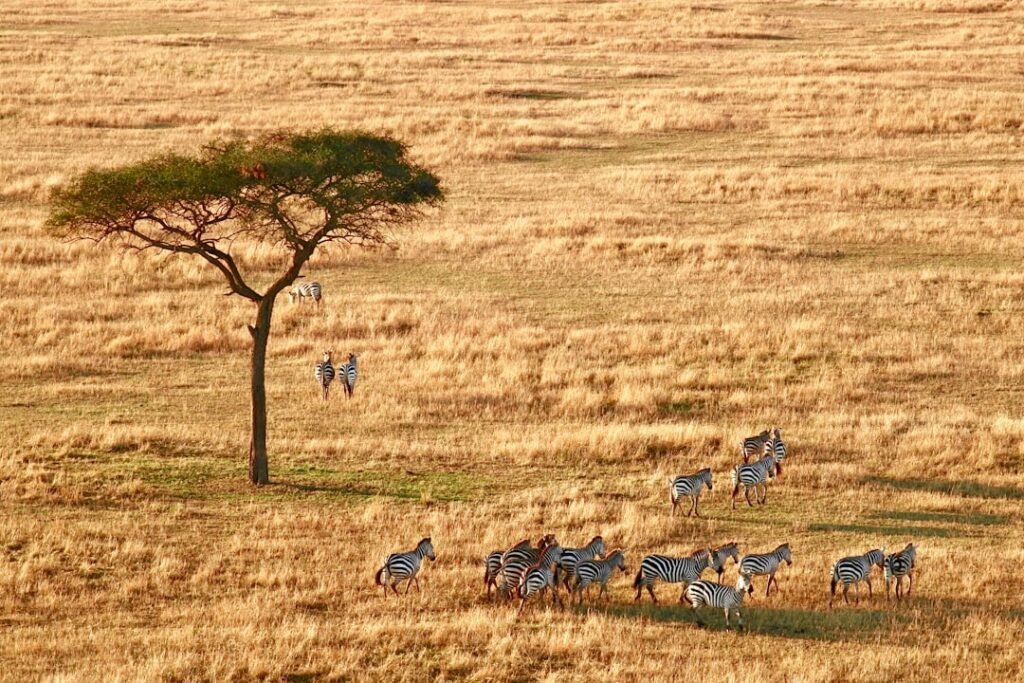
The Serengeti ecosystem supports the largest concentration of large mammals on earth — 1.5 million wildebeest, 500,000 zebra, 300,000 Thomson’s gazelle, and the predators that follow them in the world’s largest overland migration. The circular migration follows the rains through the Serengeti and Kenya’s Masai Mara year-round, with different dramatic moments in each season.
The calving season in the southern Serengeti (January to February) and the northern river crossings (July to October) are the most spectacular events. But the Serengeti rewards year-round — lion, cheetah, leopard, elephant, and all of Africa’s great species are present throughout.
Practical tip: Fly-in safaris from Arusha are more expensive but save enormous amounts of time compared to the 8-hour drive. Most lodges offer all-inclusive packages including game drives.
Book now: Serengeti safari experience via Viator
2. Ngorongoro Crater – The Eighth Wonder of the World
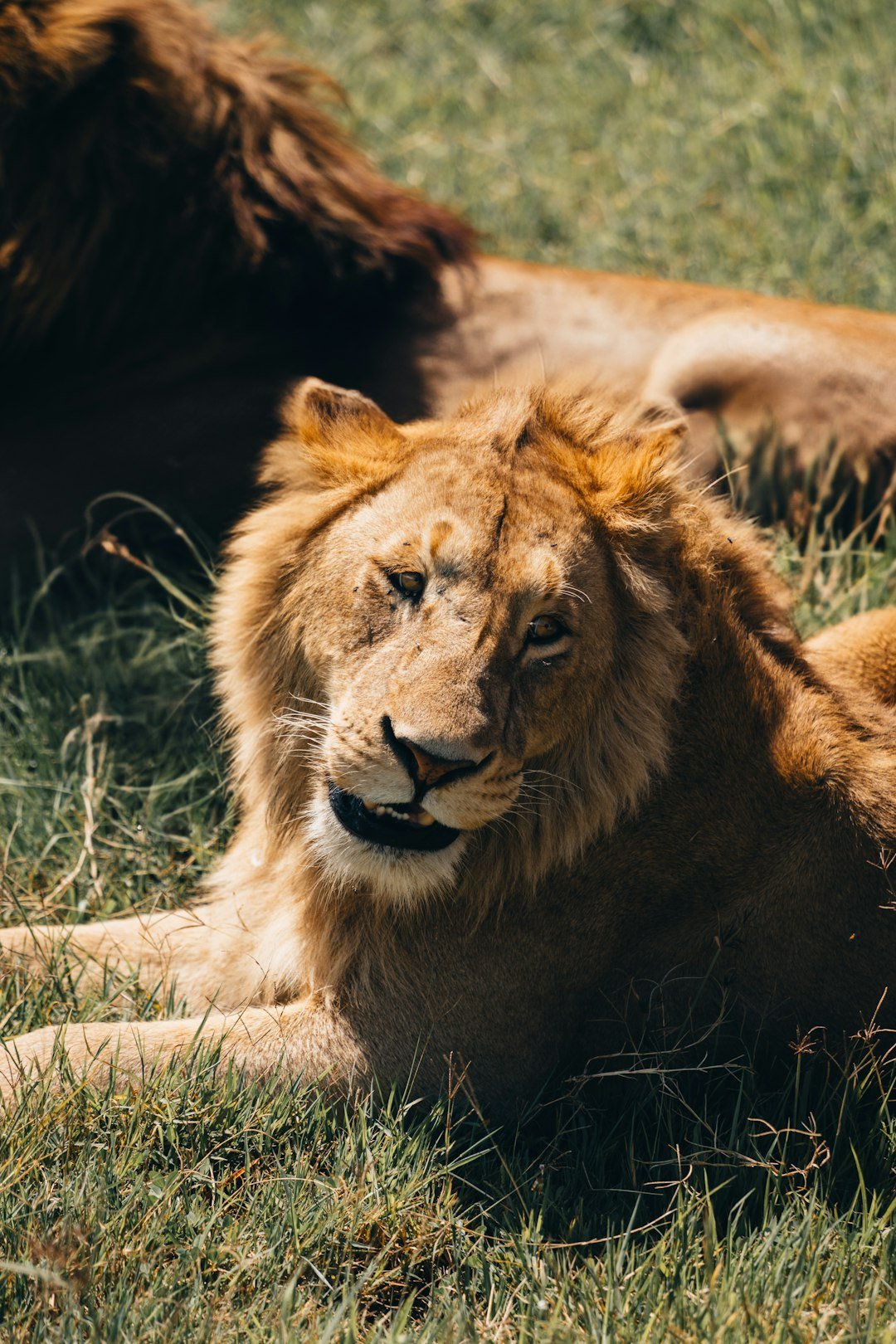
The Ngorongoro Crater is the world’s largest intact volcanic caldera — 19 kilometers across, 600 meters deep, and home to a permanently resident population of 25,000 large animals including all of the Big Five and the highest density of lion in Africa. The animals cannot easily leave the crater rim; descending into it for a game drive is the most concentrated wildlife experience in Tanzania.
Practical tip: Day visits are permitted and the crater rim camp provides accommodation above the clouds. Combine with the Serengeti — they are part of the same ecosystem and most itineraries cover both.
Book now: Ngorongoro Crater full-day safari via GetYourGuide
3. Mount Kilimanjaro – Africa’s Highest Peak
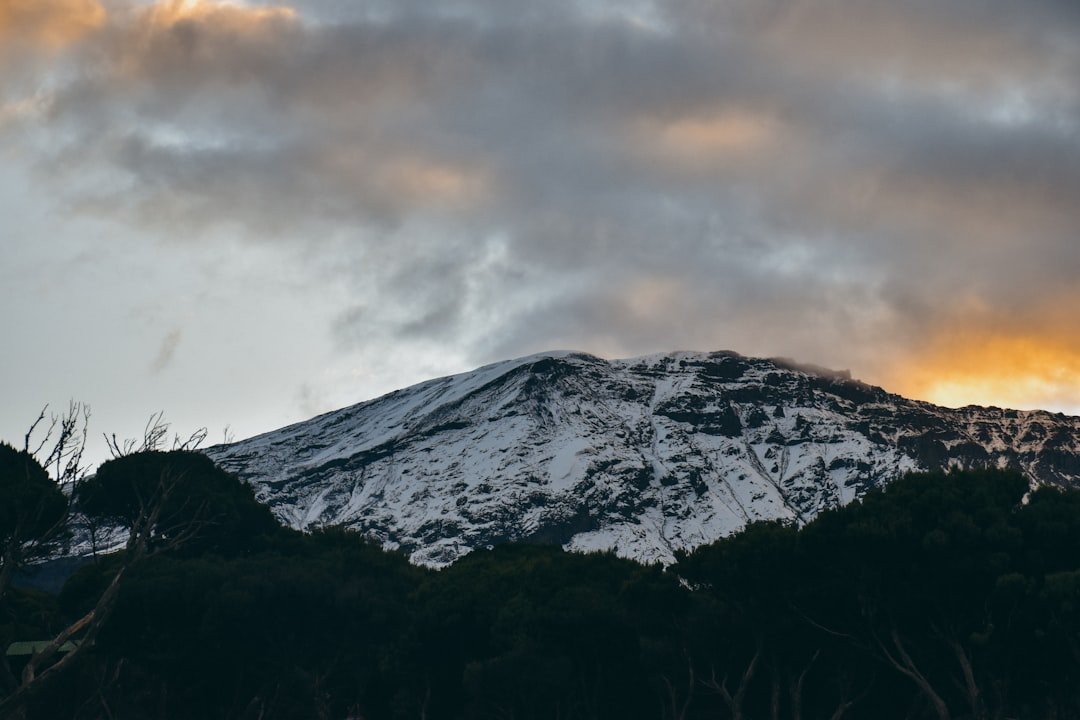
At 5,895 meters, Kilimanjaro is the highest point in Africa and the world’s highest free-standing mountain. It requires no technical mountaineering equipment — the Marangu, Machame, and Lemosho routes are demanding hiking rather than climbing. The summit crater rim passes through five distinct climate zones from tropical rainforest to arctic glacier.
The success rate at summit depends heavily on the route chosen and acclimatization — the Lemosho route (8 days) has the highest summit rates.
Practical tip: All climbers must use a licensed guide and registered operator — independent climbing is not permitted. Budget at least $1,500-2,500 for a reputable operator including park fees.
Book now: Kilimanjaro summit trek via Viator
Lesser-Known Tanzania Attractions Worth the Journey
4. Zanzibar Stone Town – The Spice Island’s Ancient Capital
Stone Town, the historic center of Zanzibar City, is a UNESCO World Heritage Site of extraordinary atmosphere — narrow lanes between coral-stone buildings, 500 ornately carved wooden doors, the old slave market (now a cathedral), the 1883 House of Wonders, and the birthplace of Freddie Mercury all within a few square kilometers. The call to prayer echoes from dozens of mosques across the rooftops at dusk.
The surrounding island produces cloves, black pepper, cardamom, and vanilla on spice farms that have supplied the Indian Ocean trade for centuries.
Practical tip: Stay inside Stone Town for the first night — the alleyways at night, lit by lanterns, are extraordinary. Book a spice farm tour for the second morning.
Book now: Zanzibar Stone Town walking tour via GetYourGuide
5. Tarangire National Park – Elephants and Ancient Baobabs
Tarangire in the dry season (June to October) offers some of the most dramatic elephant viewing in Africa — hundreds of elephants converging on the Tarangire River as the surrounding savannah dries out, moving through a landscape of ancient baobab trees that can be 1,000 years old and 30 meters in circumference.
Tarangire is consistently undervisited relative to the Serengeti, making it one of Tanzania’s best-value wildlife experiences.
6. Lake Manyara National Park – Tree-Climbing Lions
The 330-square-kilometer national park at the base of the Great Rift Valley escarpment is famous for its tree-climbing lions — a pride that has developed the unusual habit of resting in the branches of acacia and fig trees, for reasons researchers still debate. The soda lake along the park’s edge turns pink with flamingos in season, and the groundwater forest along the escarpment base is dense with baboon, elephant, and 400 bird species.
7. Pemba Island – Zanzibar’s Wilder, Greener Neighbor
While Zanzibar’s beaches have become well-known internationally, the neighboring island of Pemba remains almost entirely undiscovered. Its steep cliffs, dense clove forests, deserted beaches, and world-class diving (the walls of the Pemba Channel drop to 800 meters with extraordinary coral and pelagic life) make it the finest destination in the Zanzibar archipelago for travelers who value solitude over infrastructure.
Hidden Gems in Tanzania Only Adventurous Travelers Find
8. Ruaha National Park – Tanzania’s Wild Heart
Tanzania’s largest national park in the center of the country receives fewer visitors in a year than the Serengeti receives in a week. The Great Ruaha River supports extraordinary concentrations of lion, leopard, elephant, and buffalo, and the wild dog population is one of the densest in Africa. The landscape of baobab-studded hills, rocky outcrops, and seasonal rivers has a rawness that the northern circuit parks lack.
Practical tip: Ruaha requires a fly-in from Dar es Salaam or Arusha. The remoteness is the attraction — budget for a longer stay to justify the journey.
9. Mahale Mountains – Chimpanzees on a Lake Shore
The Mahale Mountains National Park on the shore of Lake Tanganyika — the world’s second-deepest lake — contains one of the most habituated chimpanzee communities in the world. Trekking through montane forest to spend an hour with a family of chimpanzees in their natural habitat, then descending to swim in the crystal-clear waters of Africa’s second-deepest lake, is one of the most extraordinary wildlife experiences on the continent.
Access is by charter flight from Arusha or boat from Kigoma — the remoteness is absolute and essential to the experience.
10. Olduvai Gorge – The Cradle of Humankind
The Olduvai Gorge (correctly Oldupai) in the Ngorongoro Conservation Area is where Mary and Louis Leakey discovered Homo habilis and Paranthropus boisei in the 1950s and 60s, pushing human origins back 1.75 million years. The small museum at the gorge edge explains the significance of the discoveries, and the exposed sediment layers tell the story of human evolution in geological time.
It is one of the most important archaeological sites in the world, visible as a short detour between the Serengeti and Ngorongoro.
11. Nungwi Beach, Zanzibar – The Island’s Most Beautiful Tip
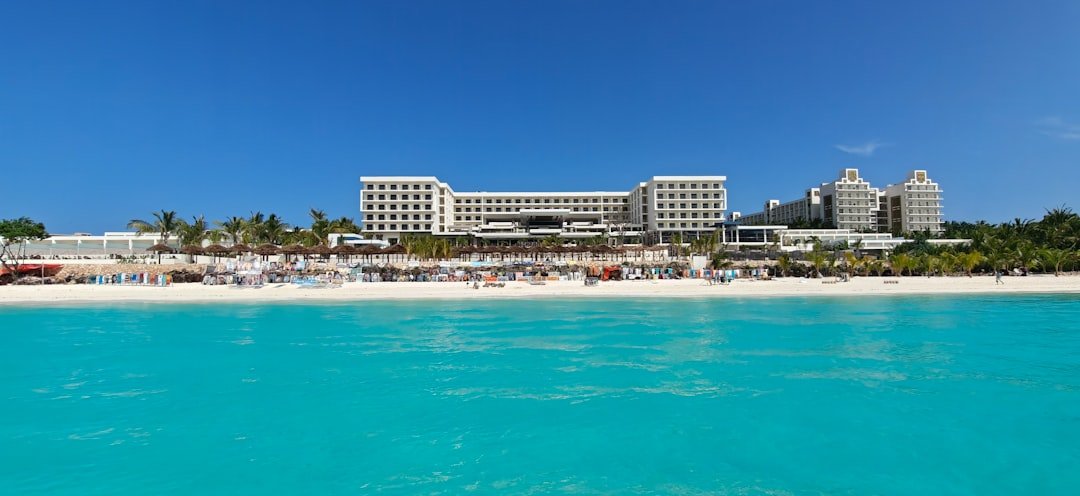
The northern tip of Zanzibar at Nungwi has the finest white sand and clearest water on the island, and the tidal pattern means the sea remains swimmable throughout the day (unlike the tidal flats on the east coast that disappear at low tide). The traditional dhow-building village at Nungwi still constructs wooden vessels using techniques unchanged for centuries.
12. Gombe Stream National Park – Where Jane Goodall Changed Science
The tiny Gombe Stream National Park on the shore of Lake Tanganyika is where Jane Goodall began her groundbreaking chimpanzee research in 1960. The habituated Kasekela community of chimpanzees that Goodall first studied still lives here, making Gombe the longest-running wildlife study site in the world.
Access is by boat from Kigoma — the park has no road access, which helps preserve both its character and its chimpanzees.
13. Selous Game Reserve – Africa’s Largest Game Reserve
Now renamed Nyerere National Park, the former Selous covers 50,000 square kilometers — larger than Switzerland — making it the largest game reserve in Africa. The Rufiji River delta ecosystem supports the largest elephant population in Tanzania, huge hippo pods, Nile crocodile in significant numbers, and wild dog packs that use the vast territory for their enormous home ranges.
Boat safaris along the Rufiji River are the finest wildlife experience in southern Tanzania.
Book now: Nyerere National Park boat and game drive safari via GetYourGuide
14. Kilwa Kisiwani – A Forgotten Swahili Empire
The island of Kilwa Kisiwani off the southern Tanzania coast was once the wealthiest city in sub-Saharan Africa — the center of a Swahili trading empire that controlled the gold and ivory trade between the African interior and Arabia, India, and China from the 9th to 16th centuries. The UNESCO-listed ruins of its palaces and mosques, accessible by boat from Kilwa Masoko town, are among the most historically significant and least visited in Africa.
Ibn Battuta, the great medieval traveler, visited Kilwa in 1331 and called it one of the most beautiful cities in the world.
15. Usambara Mountains – Tanzania’s Tea and Herb Garden
The Usambara Mountains in northeastern Tanzania are a highland world of tea estates, medicinal herb gardens, traditional Shambaa villages, and panoramic views over the coastal plains to the Indian Ocean. The Amani Nature Reserve within the mountains is one of the most biodiverse forests in Africa — a relic rainforest with species found nowhere else on earth.
The mountain town of Lushoto is a former German colonial hill station with excellent guesthouses and a network of village walking trails.
Practical Tanzania Travel Tips
Best time to visit Tanzania: June to October (dry season) is the best time for wildlife — animals concentrate at water sources and vegetation is low. January to February is the Serengeti calving season. Zanzibar is best June to October and December to March.
Getting around: Internal flights are essential for covering Tanzania’s distances efficiently. Precision Air and Coastal Aviation connect Arusha, Dar es Salaam, Zanzibar, Ruaha, Mahale, and all major parks. Road travel between Arusha and the northern parks is manageable in 4WD.
Currency: Tanzanian Shilling (TZS). US dollars are widely accepted at lodges, tour operators, and national park entry. ATMs in Arusha and Dar es Salaam reliably dispense TZS.
Health: Malaria prophylaxis is essential for all regions below 1,800 meters. Yellow fever vaccination is required. Travel insurance including medical evacuation is strongly recommended given the remoteness of many parks.
Final Thoughts on Interesting Places in Tanzania
Tanzania is a country that makes you feel the scale of the world. Standing on the Ngorongoro rim looking down at the crater floor. Watching a thousand wildebeest cross a river in a single minute. Following a chimpanzee through montane forest. Looking up at Kilimanjaro from the plains below.
These are the experiences that reorder your sense of what matters. Tanzania provides them with extraordinary generosity. Plan carefully, budget appropriately for quality wildlife lodges, and you will leave with memories that do not fade.
Exploring Africa? Read our complete guides to Interesting Places in Kenya, Interesting Places in Morocco, and Interesting Places in South Africa.