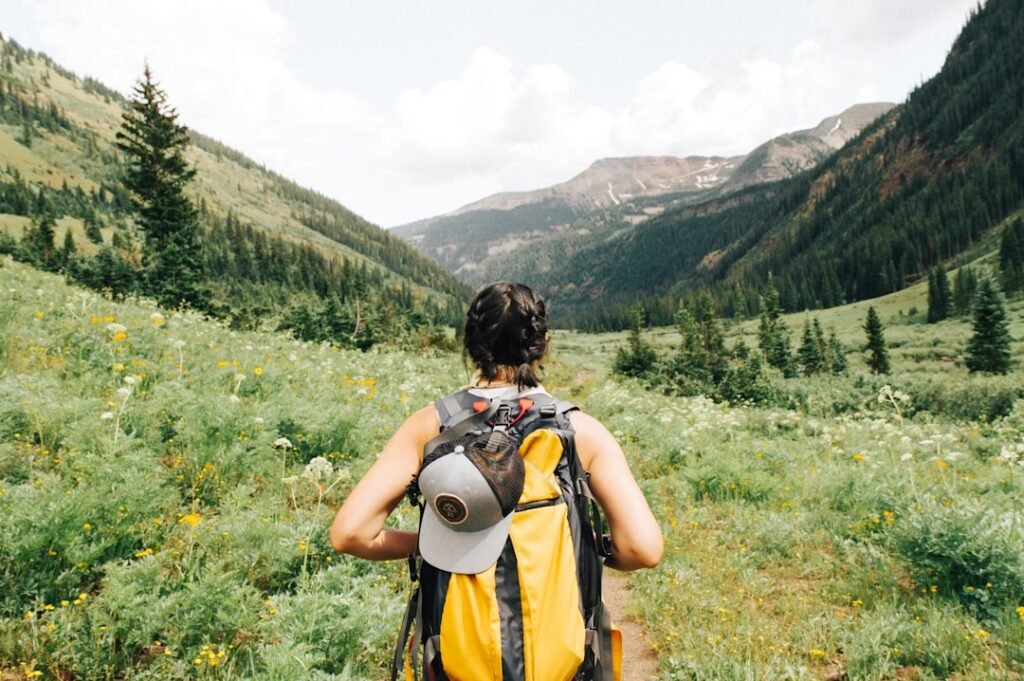
Solo travel for beginners carries a reputation for difficulty that does not survive contact with the reality. The logistics are more manageable than most first-timers expect, the safety risks are more controllable than the headlines suggest, and the rewards — a particular kind of freedom, self-knowledge, and confidence that group travel rarely produces — are genuinely significant. The barrier is almost entirely psychological, and it dissolves quickly once you actually go.
Choosing Your First Solo Destination
Start with a destination that reduces friction. For first-time solo travellers, this means: a country where English is widely spoken (Portugal, the Netherlands, Scandinavia, Southeast Asia’s tourist trail, New Zealand); good public transport or a clear navigation infrastructure; a well-established solo travel community (hostels, tour groups, walkable city centres); and a safety reputation that does not require constant vigilance. Japan, Portugal, Iceland, and New Zealand are the four most recommended first solo travel destinations globally for good reason — all four check every box.
Safety: The Realistic Picture
The risks of solo travel are real but almost entirely manageable. The vast majority of solo travel incidents are: petty theft (pickpocketing, bag snatching), which is preventable with basic awareness and a money belt or neck pouch; transport accidents, which are reduced by using reputable operators; and scams targeting tourists, which become obvious quickly once you know they exist. Violent crime against tourists in popular solo travel destinations is statistically rare. The traveller who takes basic precautions — shares itinerary with someone at home, stays in well-reviewed accommodation, trusts their instincts — is at very low risk in most destinations.
The First Few Days
The first two days of a first solo trip are the hardest. Loneliness, self-consciousness in restaurants, the absence of anyone to share observations with — these are real experiences that most solo travellers report. They are also almost universally temporary. By day three, the patterns of solo travel become comfortable, the connections with other travellers begin to accumulate, and the specific pleasures of travelling entirely on your own terms start to outweigh the discomforts. The first trip is the hardest; every subsequent one is easier.
Building Confidence Trip by Trip
Solo travel confidence is cumulative. The first trip produces a specific set of competencies (navigating airports alone, checking into accommodation, eating alone, managing an unexpected change of plan) that make the second trip easier. The second trip extends the competency range (longer routes, less tourist-friendly destinations, more complex logistics). Within three or four trips, the traveller who was afraid to go alone is typically planning increasingly ambitious itineraries with genuine enthusiasm. The first trip is the only genuinely difficult one.