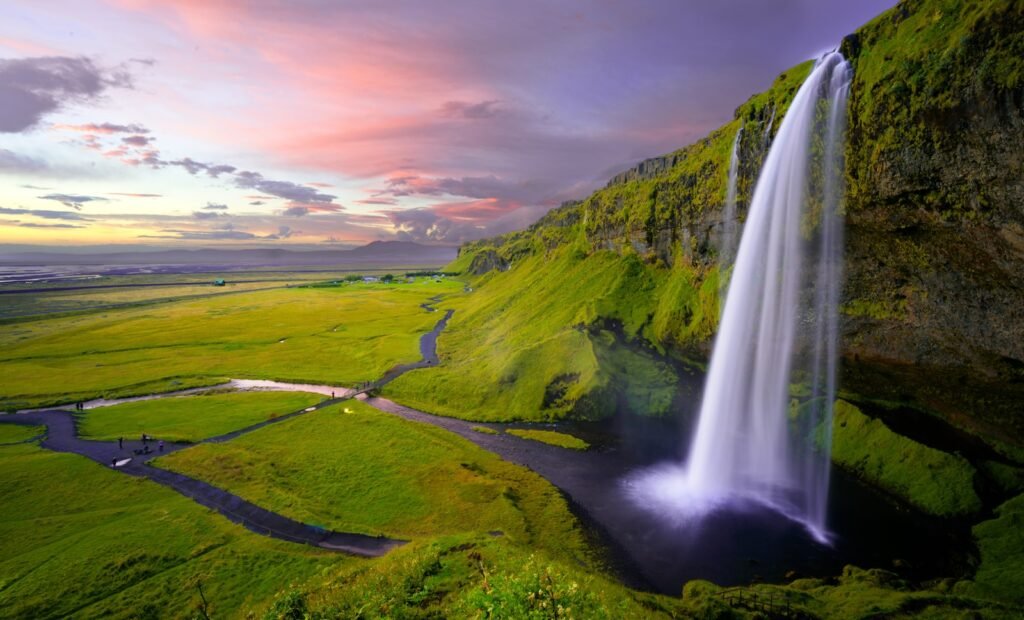
Iceland packs more raw natural drama into a country the size of Kentucky than seems physically fair. Waterfalls thunder right beside the road, glaciers meet black-sand beaches, steam rises straight out of the ground, and on a clear winter night the sky itself catches fire with the aurora. The only real challenge is deciding where to point the car.
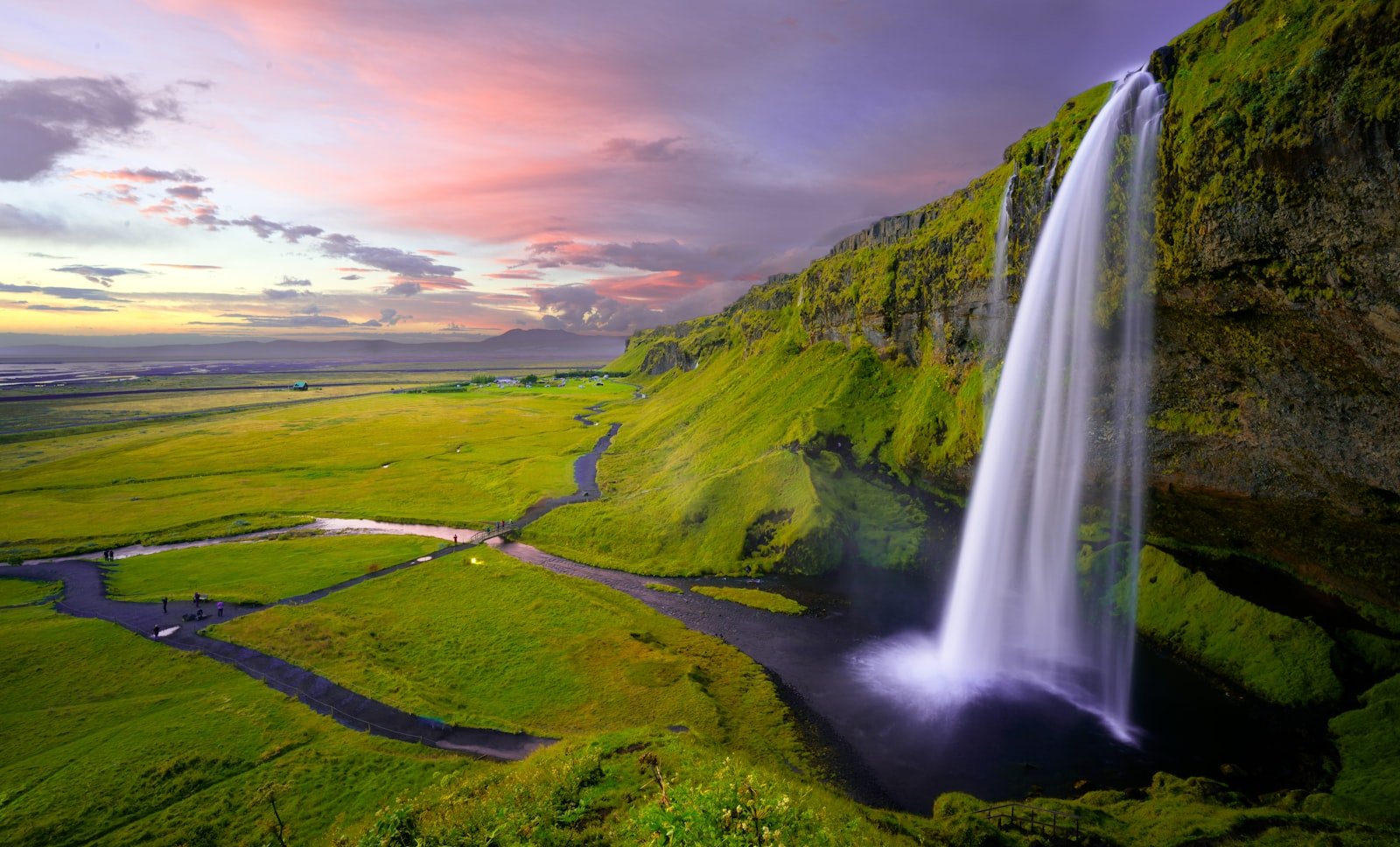
This guide to the best places to visit in Iceland covers sixteen unmissable spots, from the famous to the wonderfully weird, plus when to go, what it costs, and how to plan.
Iceland’s must-see highlights
1. The Golden Circle
The classic day trip from Reykjavik, linking Thingvellir National Park, the erupting Geysir, and the powerful Gullfoss waterfall. The perfect introduction to Iceland’s variety.
2. The Blue Lagoon
The iconic geothermal spa near the airport, with milky-blue mineral water. Book ahead, or try the newer Sky Lagoon near Reykjavik.
3. Reykjavik
The world’s northernmost capital, with the striking Hallgrimskirkja church, a great food scene, and colorful streets.
4. Seljalandsfoss and Skogafoss
Two beautiful south-coast waterfalls. Walk behind Seljalandsfoss, and watch a rainbow hover in the mist of Skogafoss.
5. Reynisfjara Black-Sand Beach
Near Vik, with towering basalt columns and roaring waves. Stunning and genuinely dangerous, so keep well back from the water.
6. Jokulsarlon Glacier Lagoon
Icebergs drift across a glacial lake, and Diamond Beach glitters with ice on black sand. A magical highlight.
7. Vatnajokull National Park
Home to Europe’s largest glacier, with blue ice caves in winter and glacier hikes.
8. The Snaefellsnes Peninsula
Often called Iceland in miniature, condensing volcanoes, beaches, and Kirkjufell mountain into one compact route.
9. Landmannalaugar
Rainbow-colored rhyolite mountains and natural hot springs in the highlands, accessible only in summer.
10. Husavik
The whale-watching capital of Iceland, with humpback sightings common in summer and geothermal sea baths.
11. Myvatn
A volcanic lake region with bubbling mud pots, lava fields, and the relaxed Myvatn Nature Baths.
12. Dettifoss
Europe’s most powerful waterfall, a raw, thundering spectacle in the northeast.
13. The Westfjords
Remote and uncrowded, home to the Dynjandi waterfall and dramatic puffin cliffs.
14. Hidden hot springs
Natural pools like Reykjadalur, a hot-spring river you can bathe in after a scenic hike.
15. Vik and the south coast
A scenic base with a clifftop church and black beaches, along one of the most attraction-dense stretches in the country.
16. The Northern Lights
From roughly September to March, on clear dark nights away from city lights, the aurora dances across the sky in green and violet.
When is the best time to visit Iceland?
Summer brings the midnight sun, open highlands, and the full ring road, ideal for road trips. Winter is the season for northern lights and blue ice caves, though many interior roads close. September and October balance autumn colors, thinner crowds, lower prices, and aurora chances.
How to plan your trip
Under five days, base near Reykjavik and cover the Golden Circle and south coast. A week or more, drive the ring road to circle the island. Rent a car, book accommodation early, respect the fast-changing weather, and never underestimate how long distances take on single-lane roads.
Is Iceland expensive, and how to save
Yes, it is one of the pricier European destinations. Travel in shoulder season, self-cater at budget supermarkets, drink the excellent tap water, and lean into the many free natural attractions. A camper van can combine transport and accommodation.
Frequently asked questions
What is the number one place to visit in Iceland?
The Golden Circle is the most popular route, linking Thingvellir National Park, the Geysir geothermal area, and Gullfoss waterfall in one accessible day trip from Reykjavik.
How many days do you need in Iceland?
Four to five days covers Reykjavik, the Golden Circle, and the south coast. To drive the full ring road, plan on seven to ten days.
What is the best time of year to visit Iceland?
Summer is best for road trips and the midnight sun, winter for northern lights and ice caves, and September to October balances scenery, smaller crowds, and aurora chances.
Is Iceland expensive to visit?
Yes. Costs can be reduced by traveling in shoulder season, self-catering, drinking tap water, and enjoying free natural attractions like waterfalls and beaches.