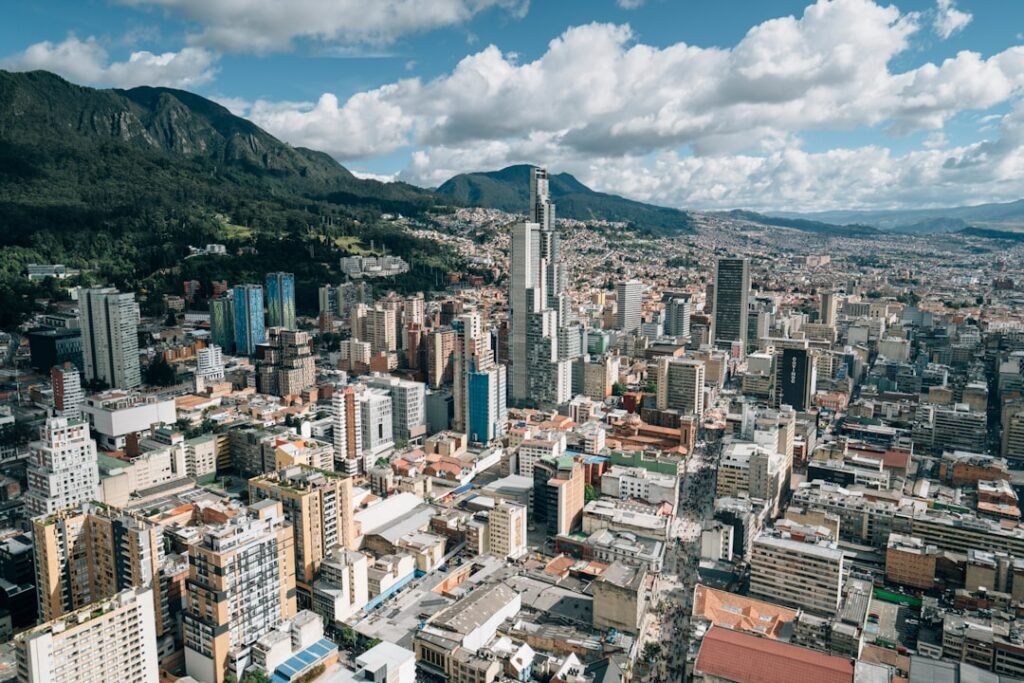
Bogota divides opinions among travellers in a way few South American cities do. Some arrive expecting the chaos and danger of its reputation and leave talking about extraordinary food, world-class museums, electric nightlife, and one of the most vibrant street art scenes on the planet. Others arrive without preparation and find it overwhelming. The difference almost always comes down to where you stay.
Choosing the best location to stay in Bogota is the single most important decision you will make before arriving. The city is large, neighbourhoods vary dramatically in character and safety, and staying in the wrong area can shape your entire experience. This guide tells you exactly where to stay and what each neighbourhood offers.
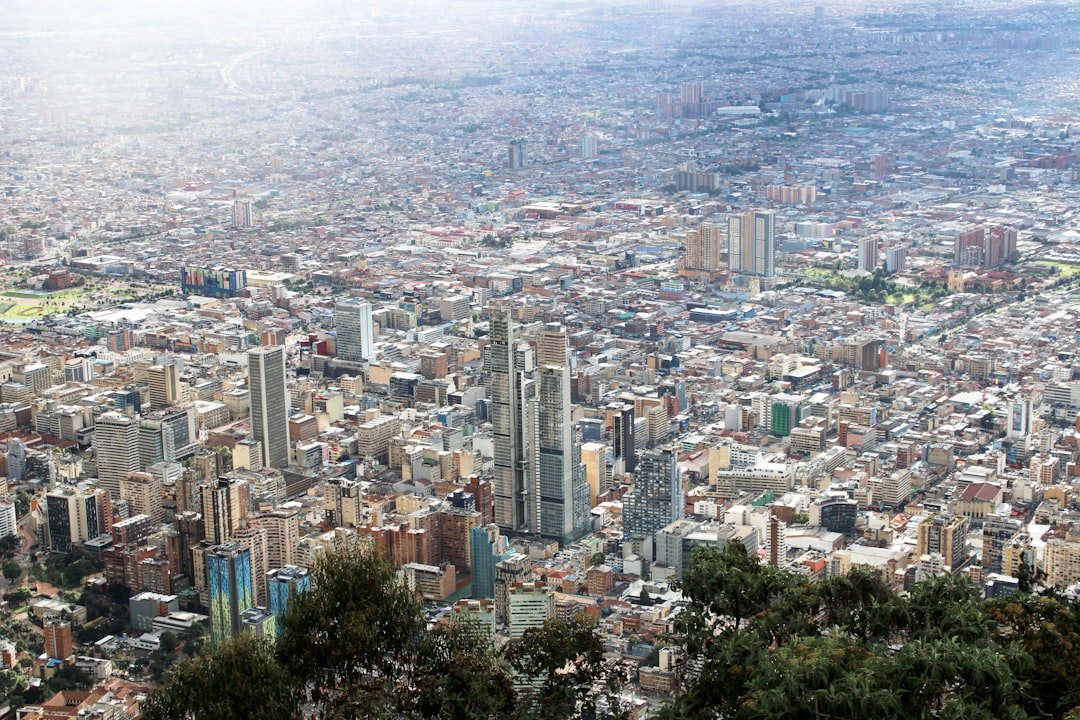
The Best Areas to Stay in Bogota
Chapinero Alto and Zona Rosa — Best Overall Location
Chapinero Alto is the most recommended area for first-time visitors to Bogota. It sits at a comfortable mid-point between the historic La Candelaria and the upscale northern neighbourhoods, combining good safety, excellent restaurant and café density, and easy access to the rest of the city. The streets are hilly and characterful, with independent bookshops, specialty coffee roasters, and restaurants representing every Colombian region.
Zona Rosa (also called the T Zone or Zona T) is Chapinero’s upscale commercial heart — a pedestrianised area of high-end restaurants, international brands, and the city’s best cocktail bars. It is the safest and most polished area in the city, and where most boutique hotels are concentrated. If budget is not a major concern, staying in or near Zona Rosa gives you comfort, convenience, and consistent safety.
Candelaria — Best for History and Culture
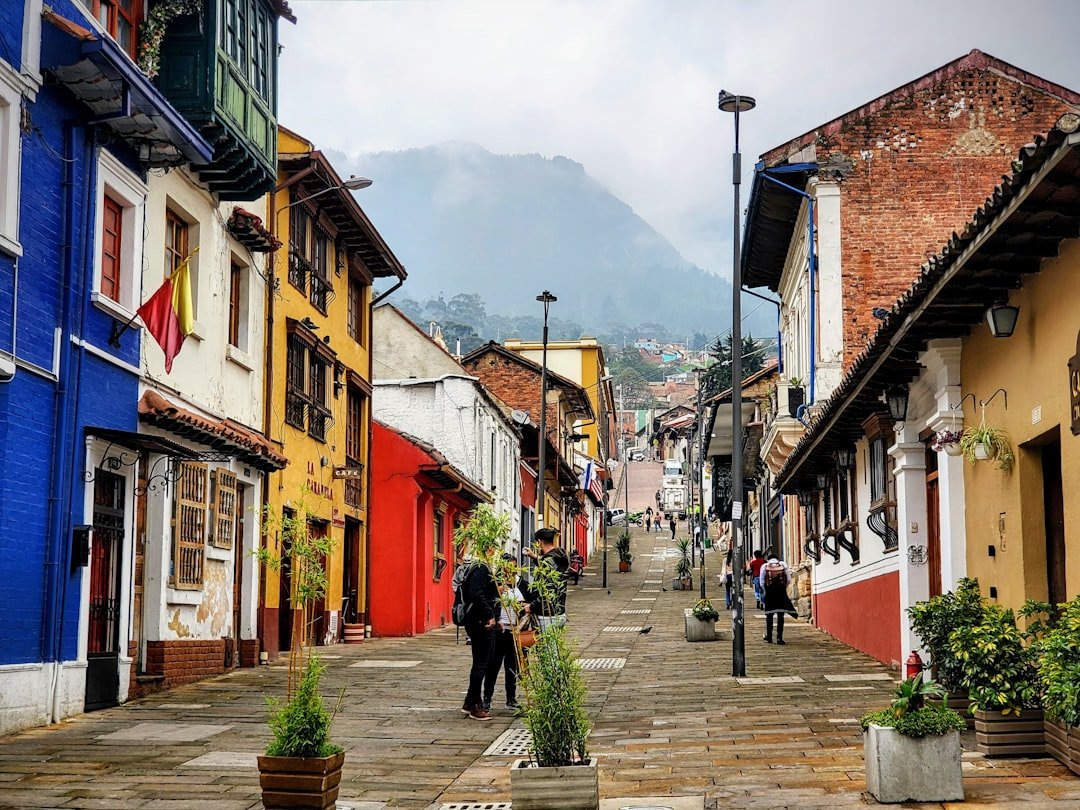
La Candelaria is Bogota’s historic centre — the oldest part of the city, home to the Gold Museum (Museo del Oro, one of the world’s great museums), Plaza Bolivar, the Botero Museum, and dozens of colonial buildings painted in vivid colours. It is the cultural and historical heart of Colombia’s capital and an essential area to visit.
Staying in La Candelaria is a different question. The area is lively during the day when museums and government offices are open, but becomes significantly quieter and less safe after dark. Most experienced Bogota travellers recommend visiting La Candelaria during the day and returning to Chapinero or Usaquén to eat and sleep. If you do stay here, choose accommodation with good reviews on safety and be back before nightfall.
Usaquén — Best for a Relaxed, Village Feel
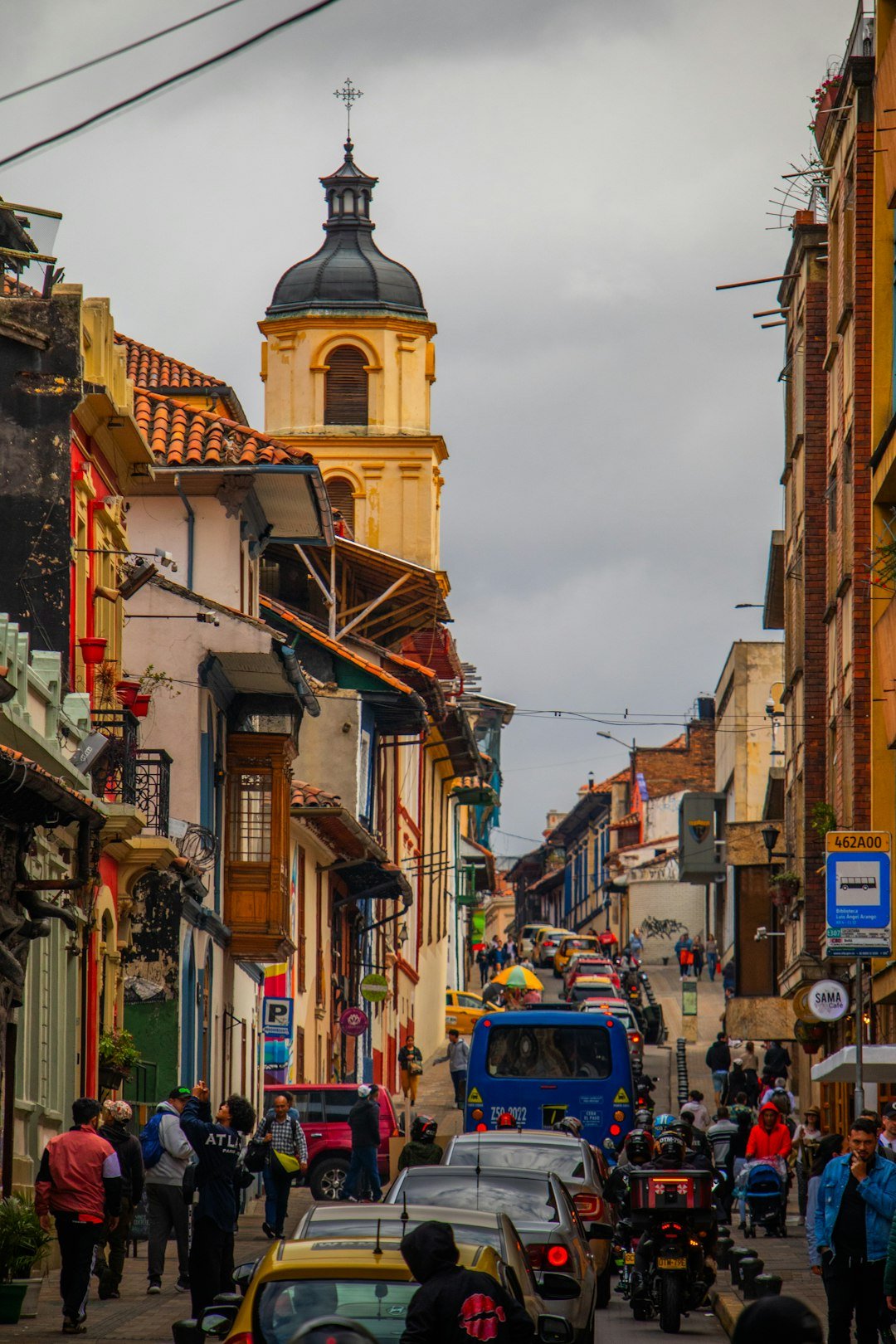
Usaquén is Bogota’s most charming neighbourhood — a colonial-era village that was absorbed by the expanding city but retained its distinct character. The central plaza, cobblestone streets, whitewashed buildings, and Sunday antiques and crafts market make it feel like a different world from the urban intensity of central Bogota.
It is one of the safest areas in the city and has excellent restaurants, particularly for Colombian regional cuisine and international food. The trade-off is distance from the main tourist sights — La Candelaria is a 30 to 40 minute drive south, which matters if you plan to spend time there. For travellers who prioritise safety, atmosphere, and dining over sightseeing proximity, Usaquén is the best location to stay in Bogota.
Quinta Camacho and Parque de la 93 — Best for Mid-Range Travellers
Parque de la 93 is a leafy square surrounded by some of Bogota’s best restaurants and bars. The surrounding neighbourhood of Quinta Camacho offers a good concentration of mid-range hotels and is consistently recommended for its balance of safety, access, and food options. It sits between Chapinero and Usaquén, giving you easy access to both.
Areas to Avoid in Bogota
Southern Bogota and areas around the bus terminal (Terminal de Transporte) are not recommended for tourists staying overnight. The area around Avenida Caracas south of the city centre also warrants caution, particularly at night. These are not areas where most travellers have any reason to stay, and the city’s best neighbourhoods are genuinely excellent — there is no need to take unnecessary risks.
Bogota Practical Tips for First-Time Visitors
Altitude: Bogota sits at 2,600 metres (8,530 feet) above sea level. Allow one to two days to acclimatise before doing anything strenuous. Symptoms of altitude sickness — headache, fatigue, breathlessness — are common on arrival and usually pass within 48 hours. Stay hydrated and avoid alcohol on your first day.
Weather: Bogota is spring-like year round — typically 7°C to 19°C (45°F to 66°F). Mornings are cool, afternoons can be warm, and rain can arrive suddenly at any time of year. Pack layers and a light waterproof jacket regardless of when you visit.
Transport: The TransMilenio bus rapid transit system covers the city efficiently and cheaply. Uber and InDriver operate in Bogota and are generally reliable and affordable. Taxis are best booked through apps rather than hailed on the street.
Safety: Bogota is substantially safer than its historical reputation suggests, but standard urban precautions apply. Do not use your phone visibly while walking on unfamiliar streets. Use ATMs inside banks or shopping centres. Keep copies of your passport separate from the original.
What to Do in Bogota
The Gold Museum is non-negotiable — one of the world’s great museum experiences, housing 55,000 pieces of pre-Columbian gold work. The Botero Museum is free and extraordinary. The Monserrate mountain (accessible by cable car or funicular) gives panoramic views over the entire city. Ciclovía — the Sunday closure of major roads to cyclists and pedestrians — is one of urban Latin America’s great experiences and happens every week.
The street art in the La Candelaria and Chapinero neighbourhoods rivals Berlin and Buenos Aires for quality and scale. A guided street art walk is one of the best half-days you can spend in the city.