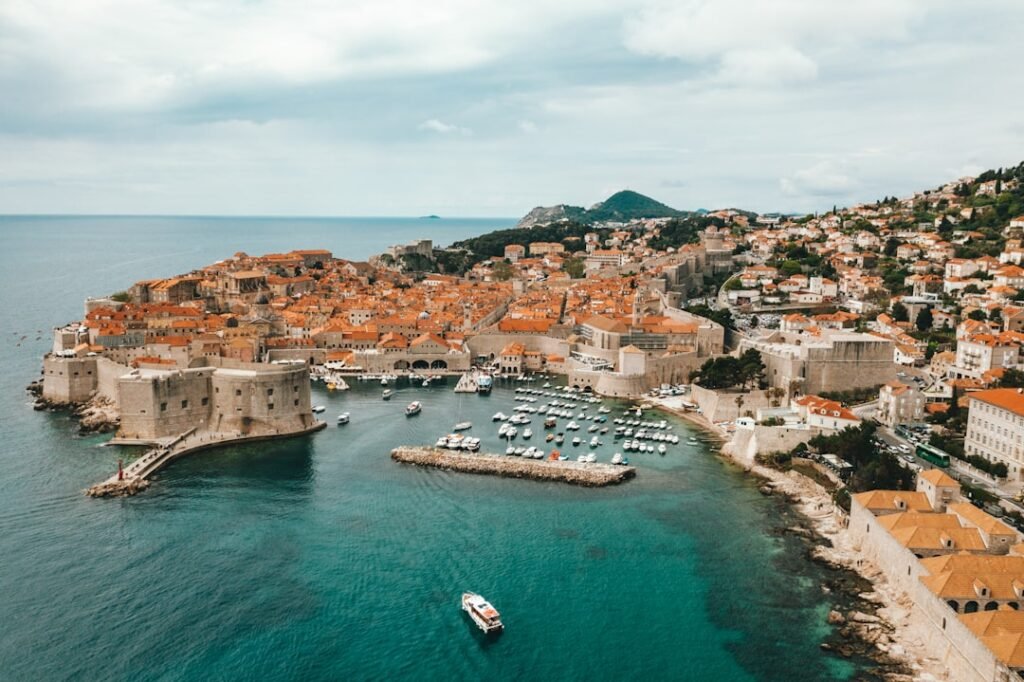
Dubrovnik is one of Europe’s most visually spectacular cities — a perfectly preserved medieval walled city jutting into the Adriatic, surrounded by water the colour of a swimming pool and backed by dramatic limestone mountains. It is also one of Europe’s most visited, which means choosing the best area to stay in Dubrovnik is genuinely consequential. Get it right and you have one of the great European city breaks. Get it wrong and you spend your trip fighting crowds in the heat.
This guide covers the best area to stay in Dubrovnik Croatia for every type of traveller — from those who want to be inside the Old Town walls to those who prefer space, calm, and better value a short walk or ferry away.
The Best Areas to Stay in Dubrovnik
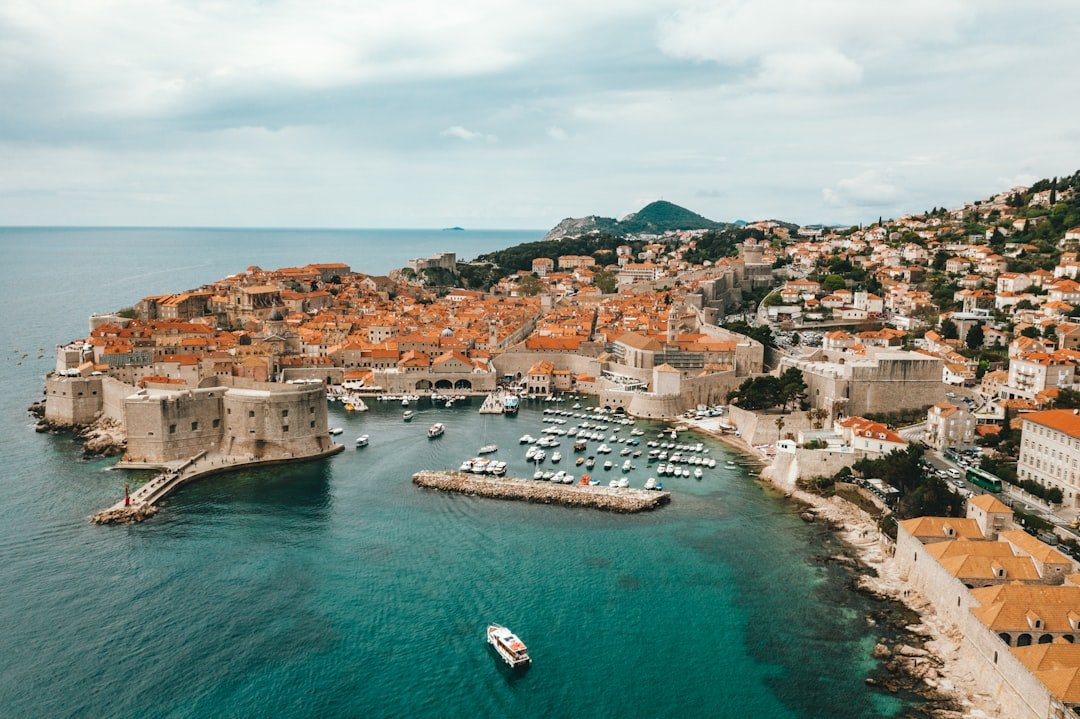
Old Town (Stari Grad) — Best for Atmosphere and Convenience
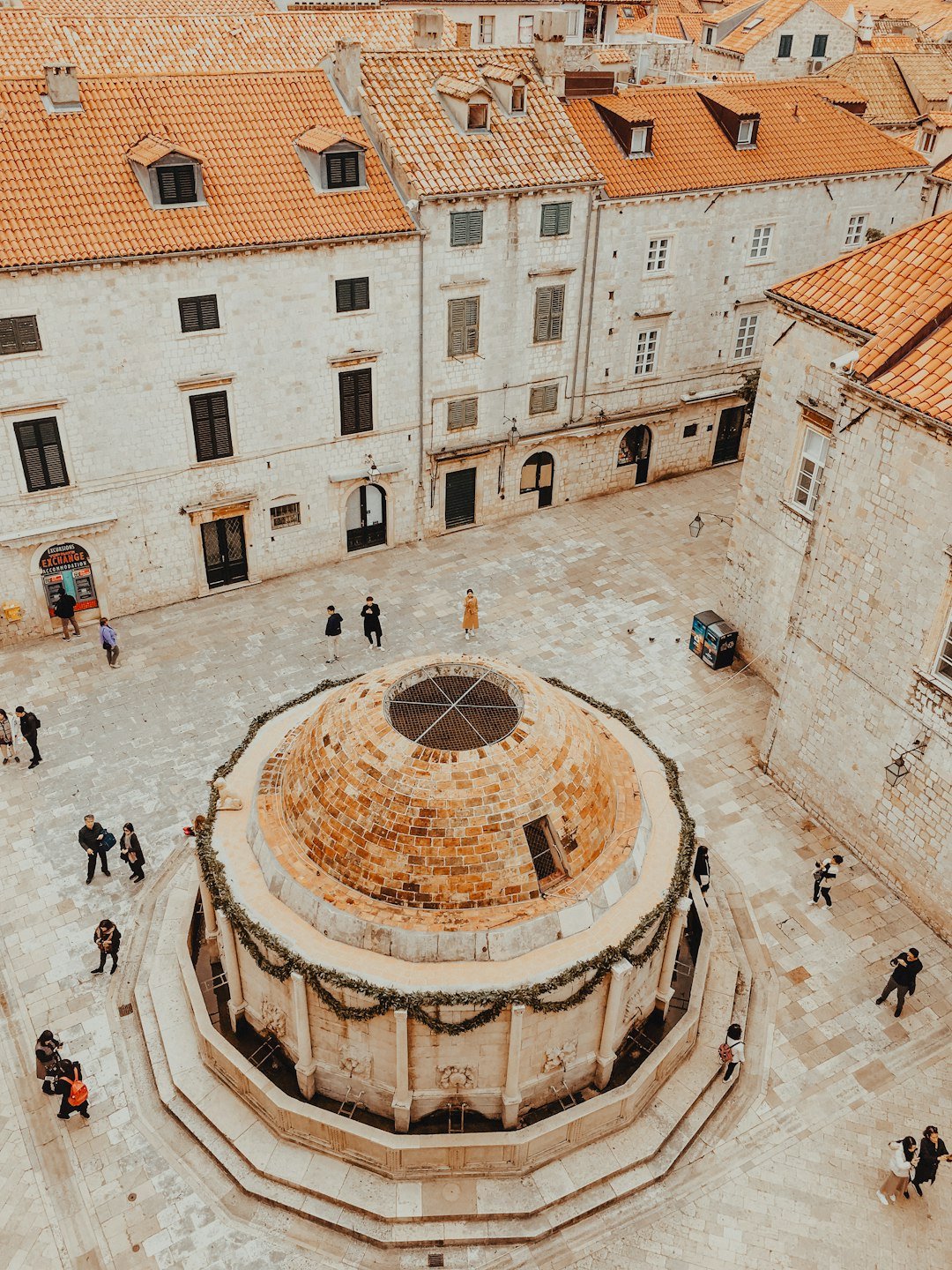
Staying inside Dubrovnik’s Old Town walls is the obvious dream, and it delivers exactly what you would expect: you wake up inside a UNESCO World Heritage Site, step onto marble-paved streets that have been walked for seven centuries, and have the Stradun (the main promenade) and the city walls a few minutes from your door.
The trade-offs are real. Old Town accommodation is expensive — significantly more than equivalent quality outside the walls. In high season (July and August), the area receives up to 10,000 cruise ship visitors per day, making afternoons on the Stradun genuinely unpleasant. And because no vehicles enter the Old Town, all luggage must be carried up stone steps from wherever you park or get dropped off.
For most travellers, the best compromise is to stay in Old Town for one or two nights — enough to experience the atmosphere after the day-trippers leave and before they arrive — then move to a less crowded base. If you stay here, book well in advance: good Old Town apartments sell out months ahead for peak season.
Lapad — Best Overall Location for Most Travellers
Lapad is the neighbourhood that most experienced Dubrovnik visitors recommend as the best area to stay in Dubrovnik Croatia, particularly for families and those on a mid-range budget. It is a peninsula about three kilometres west of Old Town, connected by a reliable bus that runs every ten to fifteen minutes.
Lapad has its own beach (Lapad Beach, a shingle beach that gets genuinely beautiful in the right light), a pleasant pedestrianised promenade lined with cafés and restaurants, and a much calmer atmosphere than Old Town. Hotels and apartments here are substantially cheaper than equivalent options inside the walls, and the bus to Old Town takes about fifteen minutes.
It is the best area to stay in Dubrovnik for first-time visitors who want to use the city as a base for day trips — to the Elafiti Islands, to Montenegro, or to Korcula — without paying Old Town prices every night.
Pile — Best for Walking Distance to Old Town on a Budget
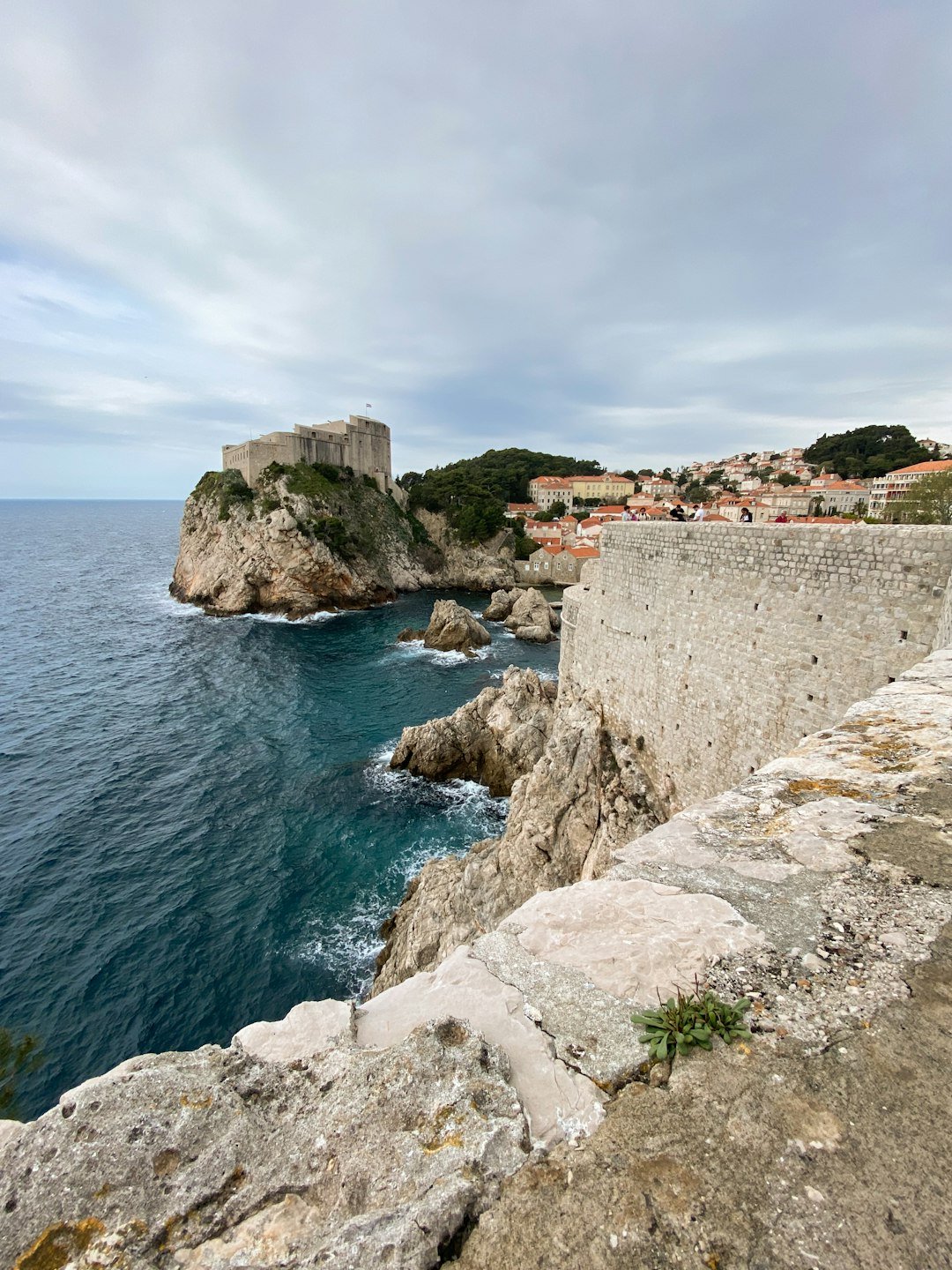
Pile is the neighbourhood immediately outside the main western gate of the Old Town (Pile Gate). It offers the closest proximity to the walls without Old Town prices, and most accommodation here is a five to ten minute walk from the entrance. The area has fewer amenities than Lapad but is well-suited to travellers whose priority is easy access to Old Town without the crowds and cost of staying inside.
The cable car to Mount Srd departs from just above Pile, giving you easy access to the extraordinary panoramic view over Dubrovnik that is one of the most photographed sights in Croatia.
Babin Kuk — Best for Families and Resort-Style Stays
Babin Kuk is a forested peninsula adjacent to Lapad with several large hotel complexes, multiple beaches, and a quieter, more resort-oriented atmosphere. It is the best area in Dubrovnik for families with young children who want beach access, pools, and a relaxed environment without the intensity of Old Town.
The trade-off is distance — it is the furthest of the main areas from Old Town, requiring a bus or taxi for sightseeing. But for families whose priority is the Adriatic rather than the architecture, it offers excellent value and a genuinely beautiful setting.
Cavtat — Best for Peace and Value (20 Minutes Away)
Cavtat is a small seaside town 20 kilometres south of Dubrovnik, connected by boat (a beautiful 45-minute Adriatic crossing) or by bus. It has its own medieval old town, beautiful promenade, good restaurants, and accommodation at prices significantly lower than Dubrovnik itself.
For travellers who find Dubrovnik too crowded and too expensive but do not want to miss it entirely, Cavtat is the ideal base. You can visit Dubrovnik on day trips while returning each evening to a calm, characterful town that feels like the Croatia that existed before the Game of Thrones tourism wave.
Dubrovnik Practical Tips
Best time to visit: May, June, and September are widely considered the best months — warm enough to swim, far less crowded than July and August, and with better accommodation prices. April and October are shoulder season with mild weather and significantly fewer tourists.
City walls: The walk around Dubrovnik’s city walls (about 2 kilometres) is the essential Dubrovnik experience. Do it early morning to beat the heat and crowds. The entrance fee is around 35 euros — worth every cent.
Day trips: The Elafiti Islands (Lopud, Sipan, Kolocep) are accessible by ferry and offer peaceful beaches and traditional village life that contrasts beautifully with Dubrovnik’s intensity. Montenegro’s Bay of Kotor is a four-hour round trip and genuinely spectacular.
Getting there: Dubrovnik Airport is about 20 kilometres from the city. Buses run to Old Town and Lapad. A taxi or rideshare costs around 30 to 40 euros. Many travellers fly into Split (3 hours north) and travel down the Dalmatian coast to Dubrovnik, which is one of Croatia’s great journeys.
Dubrovnik vs Split: Which Should You Visit?
If you have time for only one Croatian city, Dubrovnik wins on pure visual spectacle. If you have a week in Croatia and want a more relaxed, less touristy, and more affordable base, Split is the better choice — with Dubrovnik as a day trip or overnight extension. Most visitors who love Croatia end up wanting to do both.