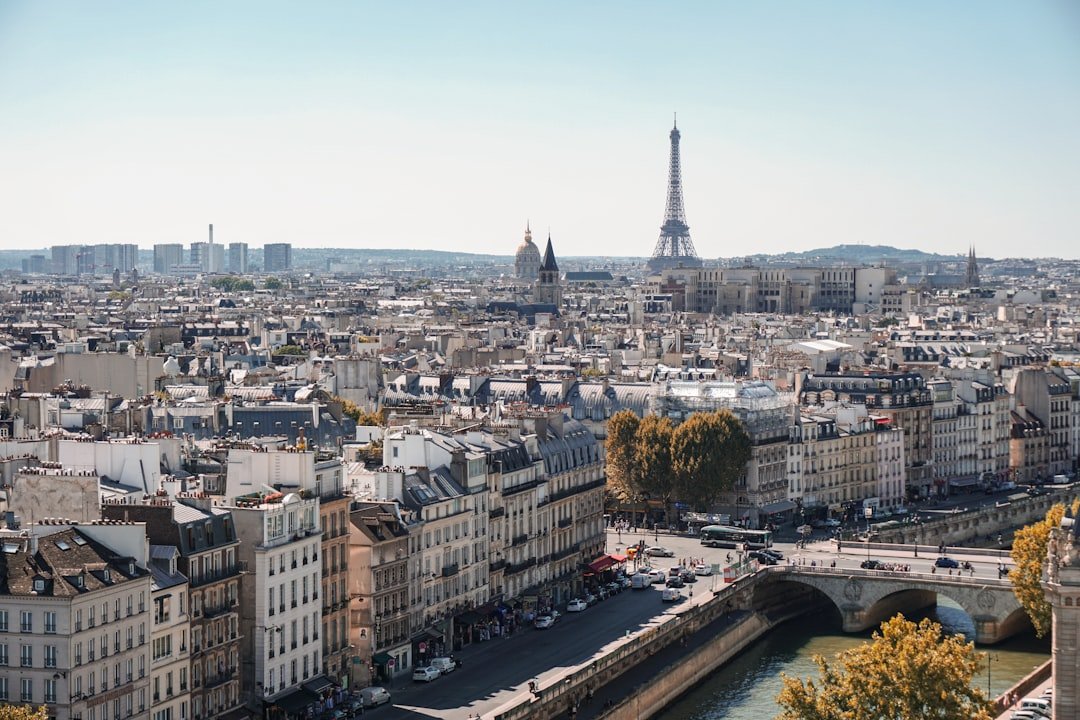
The most interesting places in Paris are not always the ones on the postcards. Paris is the most visited city in Europe — and justifiably so. No other city concentrates so much of what humans have produced at their best (art, architecture, food, fashion, intellectual life) into so navigable an area. But the Paris most tourists experience — the Louvre, the Eiffel Tower, the Champs-Élysées — is only the most visible layer of a city that rewards the curious visitor. This guide covers the essentials, the quieter neighbourhoods, where to eat, and the practical details that save time and money.
The Essential Paris: Interesting Places Worth the Queue
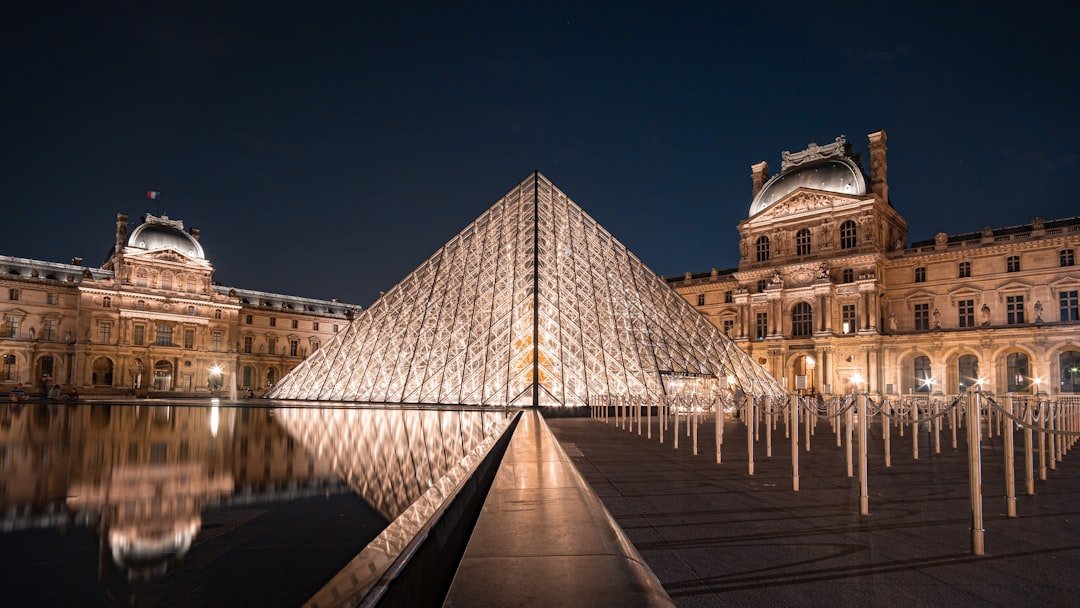
The Louvre is the world’s largest and most visited art museum — allow a full day and accept that you will see a fraction of it. Book tickets in advance; the queue for walk-up entry can be two hours. The Musée d’Orsay (Impressionist and Post-Impressionist collection, in a converted railway station) and the Centre Pompidou (modern and contemporary art, with extraordinary city views from the rooftop) complete a triumvirate of world-class art in a single city. The Louvre’s official site at louvre.fr lists current opening days and timed-entry slots, which change, so check before you go.
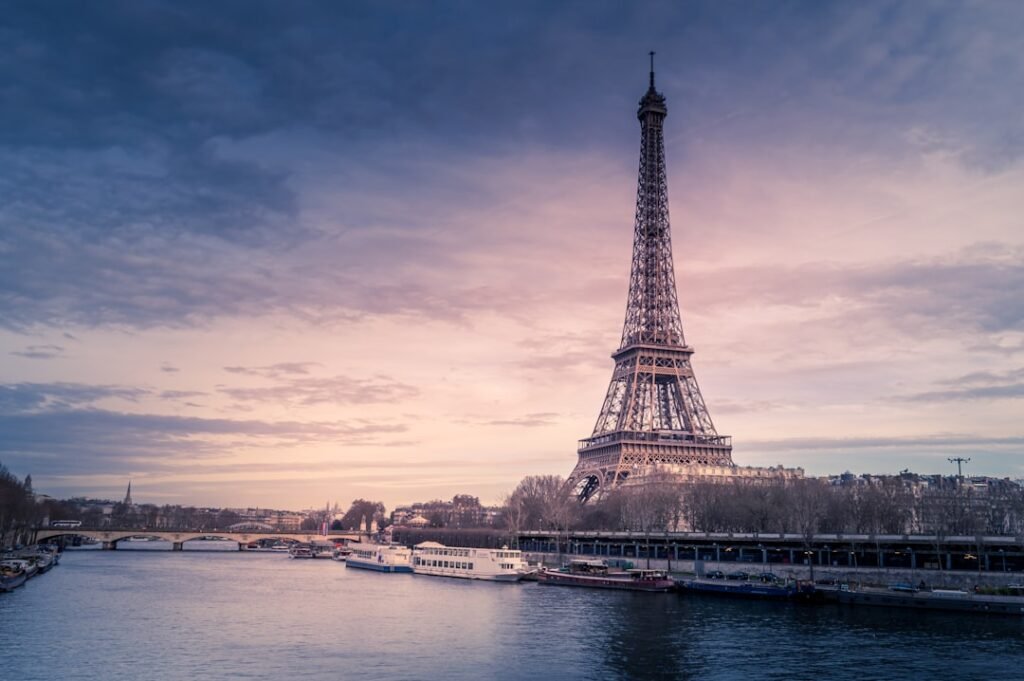
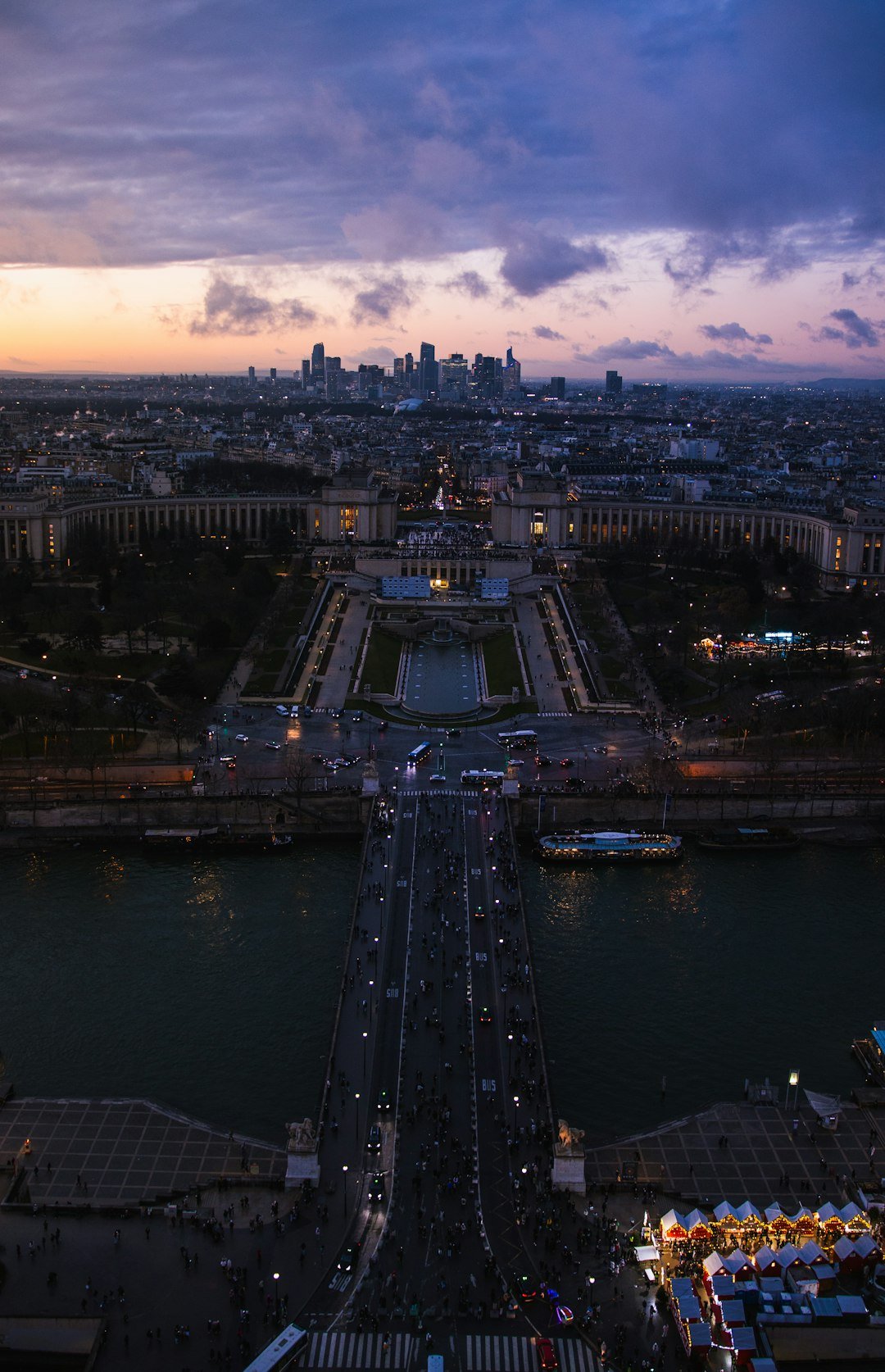
The Eiffel Tower is worth visiting at least once — ideally at dusk, when the golden light turns to the illuminated nighttime sparkle. Book the summit timed entry well in advance. Walk the Champs-Élysées once for the sense of scale, but eat elsewhere — the restaurants along it are almost universally overpriced and mediocre.
Two more stops deserve a place on a first visit. Notre-Dame on the Île de la Cité has reopened after its restoration following the 2019 fire, and the surrounding island, with Sainte-Chapelle’s extraordinary stained glass a few minutes’ walk away, is one of the most atmospheric corners of the city. Sainte-Chapelle is small, so go at opening time to see the glass without a crowd. The Jardin du Luxembourg is the place to sit on a green metal chair and do nothing, which is a Parisian skill worth learning.
Beyond the Tourist Trail: Interesting Places in Paris Neighbourhoods
Le Marais — the medieval quarter on the Right Bank — is Paris at its most liveable: independent galleries, the Place des Vosges (Paris’s most beautiful square), excellent falafel on Rue des Rosiers, and the kind of street-level charm that the more touristed areas lack. Canal Saint-Martin, with its iron footbridges and café terraces, is where Parisians go on weekends. Montmartre above the Sacré-Coeur basilica, away from the tourist shops, has winding streets and village atmosphere unlike anywhere else in the city. Belleville and Oberkampf represent the younger, more multicultural Paris that most visitors never see.
A few more places reward the extra effort. The Promenade Plantée, a disused railway viaduct converted into an elevated garden, runs from near Bastille toward the east and offers a calm, green walk above street level. The Buttes-Chaumont park in the 19th arrondissement has steep paths, a lake and a small temple on a rocky outcrop, and is much less visited than the Tuileries. The covered passages of the 2nd arrondissement, such as Galerie Vivienne, are glass-roofed 19th-century arcades with bookshops and tearooms, ideal for a rainy afternoon. For a quiet morning, the Musée de la Vie romantique in the 9th is a small house museum with a garden café.
If you are planning a romantic trip, Paris also features in our list of the most romantic cities in the world, where we compare it with other contenders.
Eating in Paris
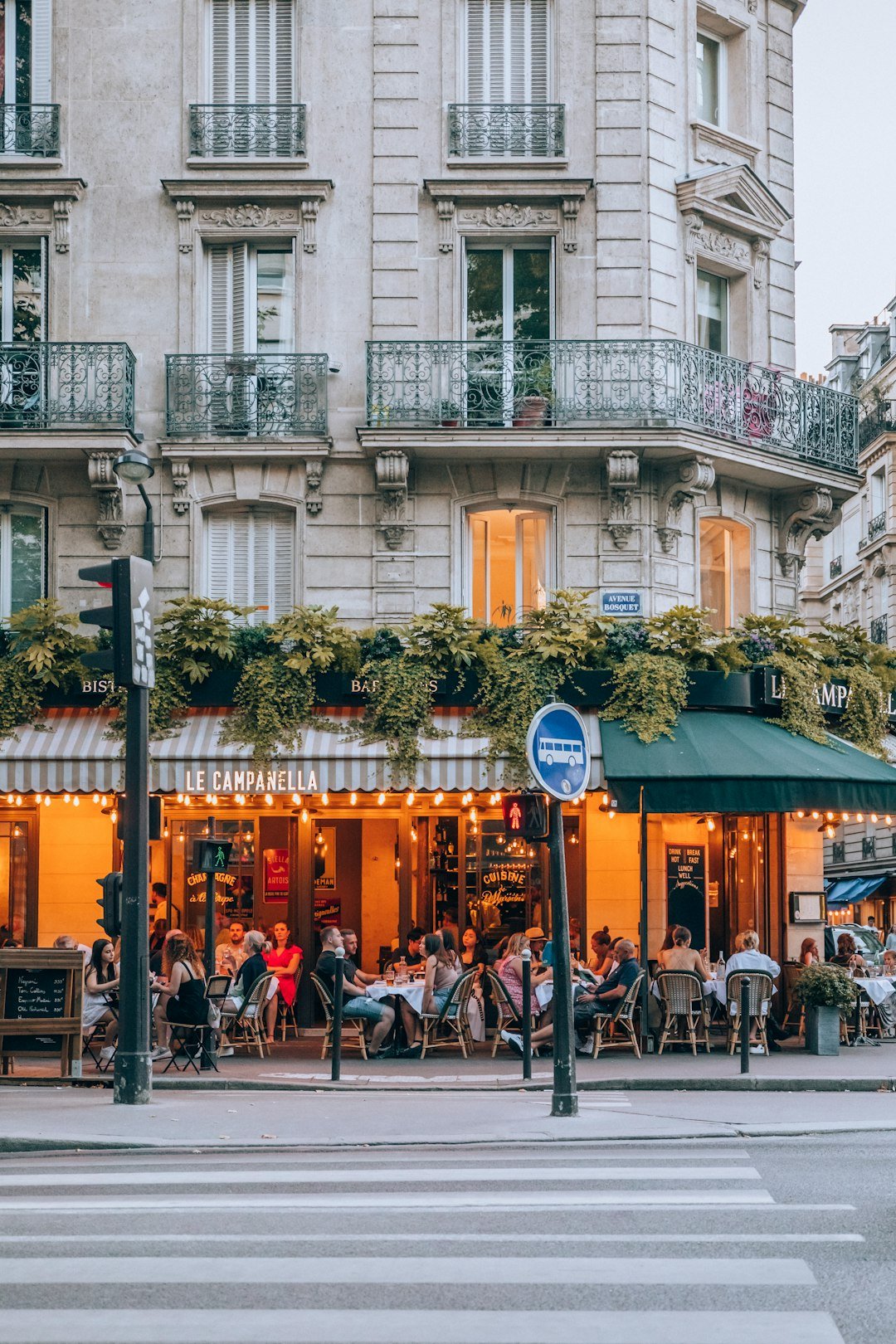
The Paris food scene has diversified significantly in the last decade — the city now has outstanding Japanese, Vietnamese, Lebanese, and West African restaurants alongside its canonical French bistros and brasseries. The classic bistro experience (steak frites, onion soup, crème brûlée, carafe of Côtes du Rhône) is still the most satisfying single meal Paris offers, but finding the right bistro — non-touristic, with handwritten menus, genuine locals, and straightforward cooking — requires walking away from the main tourist areas.
A few habits keep the bill sensible. Lunch is the best value meal: many bistros offer a fixed-price formule at midday that is noticeably cheaper than the same food in the evening. Bakeries sell excellent sandwiches, quiches and pastries for a few euros, and a picnic by the Seine or in a park is a perfectly respectable lunch. Menus with photos, or a tout outside the door, are warning signs. Tap water, ask for “une carafe d’eau”, is free and standard. For more ideas, see our guide on how to eat like a local and save money.
Getting Around
Central Paris is compact, and walking is often the quickest and most enjoyable way to connect places. For longer hops, the Métro is dense and cheap, with stations rarely more than a few minutes apart. Buy tickets or a pass at machines, keep them until you exit, and be aware that pickpockets work the busiest lines and tourist stops, so keep bags zipped in front of you. Buses are slower but scenic. The Paris tourist office at parisjetaime.com publishes up-to-date transport and visitor information. Fares and pass options change, so check the current prices rather than relying on older figures.
When to Go
April to June and September to October are the sweet spots: mild weather, long evenings and gardens at their best. July and August bring heat, crowds and a tradition of smaller local businesses closing for holidays, though the city is quieter in some residential areas. December is atmospheric thanks to lights and markets, but cold and crowded around the major sights. Winter weekdays outside the holiday period are the cheapest and calmest time to visit, particularly if your priority is museums.
Realistic Costs
Paris is not cheap, but it can be managed. As rough estimates, a mid-range hotel room often costs roughly €130 to €250 a night depending on season and location, with budget options in the €70 to €120 range and boutique stays well above that. A sit-down lunch with a formule may run around €15 to €25, and an evening bistro meal around €30 to €50 per person with a drink. Major museum entry is typically in the €15 to €25 range, and the Eiffel Tower summit costs more than the lower levels. A realistic daily budget excluding hotel is about €70 to €120 per person. Our guide to travelling Europe on a budget has more tactics, and if you prefer a distinctive place to stay, see our picks for boutique hotels in Europe.
How Many Days You Need
Three full days gives you the major sights plus one or two neighbourhoods; four or five lets you slow down and see the interesting places that do not appear on most itineraries. A sensible shape is one day for the Louvre and the Tuileries, one for the Eiffel Tower area and a Seine walk, one for Le Marais and the Île de la Cité, and one for Montmartre or Canal Saint-Martin. Leave a gap each afternoon for a café stop; Paris is better when it is not treated as a checklist. Before booking, it is worth reading our travel insurance guide so that theft or cancellations do not cost you more than they should.
Frequently Asked Questions
What are the most interesting places in Paris for a first visit?
For a first visit, prioritise the Louvre, the Eiffel Tower at dusk, Notre-Dame and Sainte-Chapelle, and a walk through Le Marais. Add Montmartre for village atmosphere and a Seine stroll in the evening. Book timed tickets for the Louvre and Eiffel Tower ahead of arrival.
How many days do you need in Paris?
Three full days covers the highlights without rushing, and four or five days lets you explore neighbourhoods such as Canal Saint-Martin, Belleville and the Promenade Plantée. Fewer than two days feels hurried, particularly if you want to visit the Louvre properly, since it alone can fill most of a day.
Is Paris expensive to visit?
Paris is pricey for accommodation, but food and sightseeing can be managed. Lunch formules, bakery picnics, free parks and walking keep daily costs down. Visiting outside peak summer and school holidays also helps. Expect roughly €70 to €120 per person daily excluding your hotel, as a rough estimate.
Is Paris safe for tourists?
Paris is generally safe, and most problems involve petty theft rather than violence. Watch for pickpockets on busy Métro lines and around major monuments, keep phones and wallets in front pockets, and be sceptical of anyone offering unsolicited petitions or friendship bracelets. Normal city awareness at night is enough.