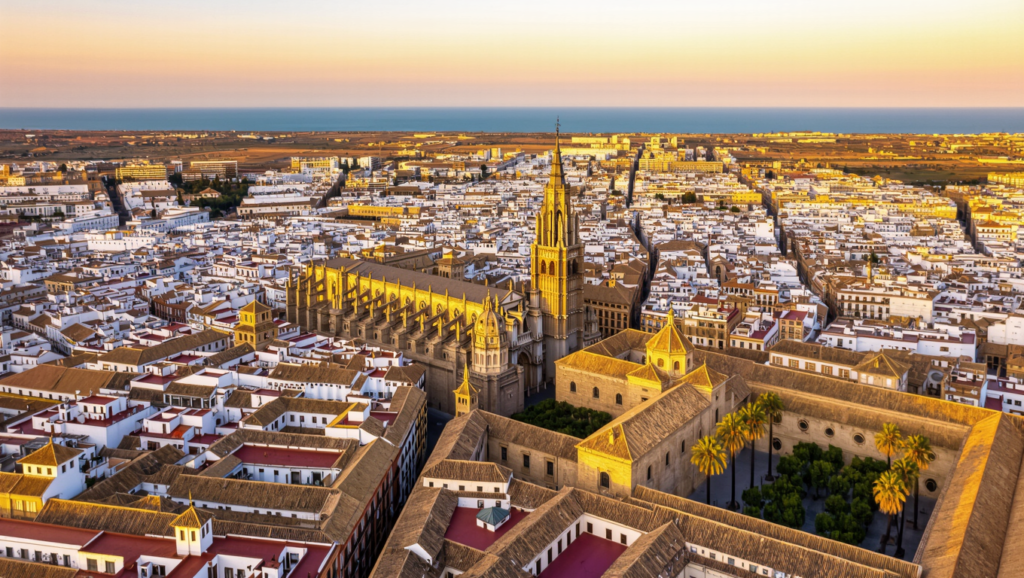
The best places to visit in Spain depend on what you want from a trip, because few European countries pack in this much variety. Moorish palaces in the south, Gaudí’s surreal buildings in Barcelona and quiet green coastline in the north make two Spanish holidays look completely different. This guide walks through the regions worth your time, when to go, what a trip realistically costs and how to choose between them, so you do not spend half your holiday on trains.
Barcelona

Gaudí’s Sagrada Família and Park Güell anchor a city that also delivers beach access, world-class tapas and the Gothic Quarter’s medieval streets, all within a compact, walkable footprint. Book Sagrada Família tickets ahead online, because timed entry slots sell out in busy months, and plan Park Güell the same way.
Beyond Gaudí, the Born and El Raval neighbourhoods reward aimless wandering, and the Barceloneta waterfront is the easy answer when you want sand without leaving the city. Most visitors need three full days to see the highlights without rushing. If you are weighing neighbourhoods for a base, central areas near the Gothic Quarter keep almost everything within walking distance, while the metro covers the rest quickly and cheaply.
Madrid
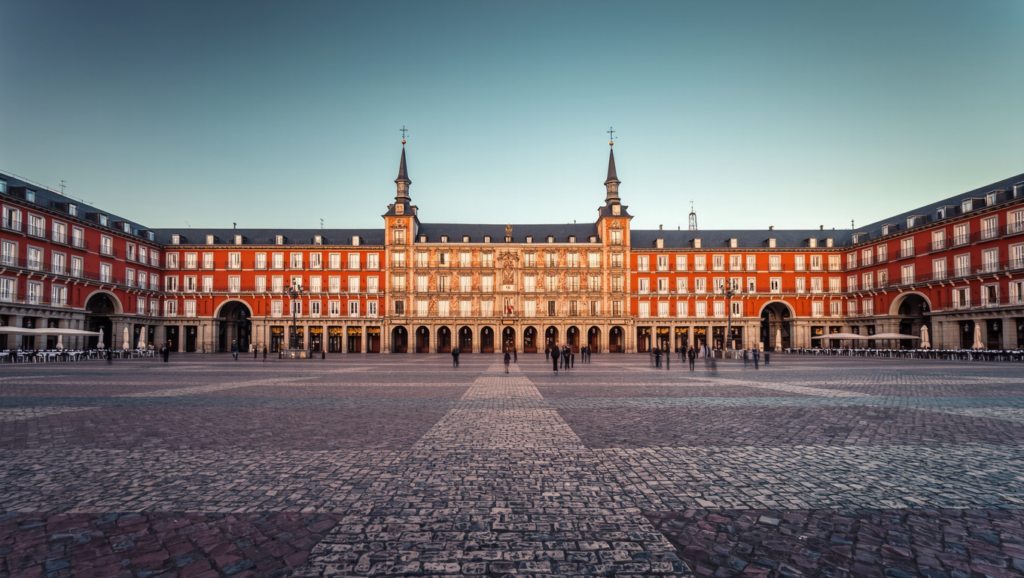
The Prado and Reina Sofía museums rank among Europe’s best art collections, and Madrid’s tapas and late-night culture make it a genuinely different city experience from Barcelona, less about single landmarks and more about how the city lives day to day. Picasso’s Guernica hangs in the Reina Sofía, and the Prado holds Velázquez and Goya in depth.
Evenings start late here. Dinner at 9:30 pm is normal, and the streets around Plaza Mayor and the Latina district fill up long after dark. Madrid also works as a hub: Toledo and Segovia are both an easy day trip by train or bus, with Toledo’s medieval walled old town and Segovia’s Roman aqueduct among the most memorable stops in central Spain. Allow three days for the city and one or two more if you add a day trip.
Andalusia: Seville, Granada and Córdoba
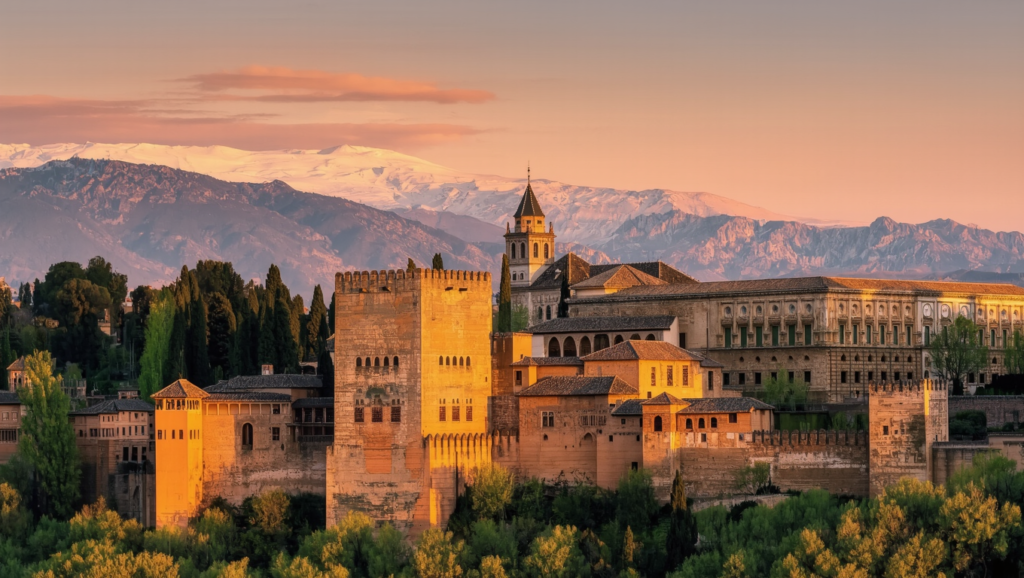
The Alhambra in Granada, the Mezquita in Córdoba and Seville’s cathedral and Real Alcázar showcase Spain’s Moorish history more vividly than anywhere else in the country, and the three cities pair naturally into a single road trip or train route. The Alhambra needs advance booking, often weeks ahead in spring and autumn, so lock that date in before anything else.
Seville is the most atmospheric of the three for a first visit, with orange-lined streets and flamenco venues in the Triana district. Our guide on where to stay in Seville breaks down the best neighbourhoods. Córdoba works well as a half-day stop between Seville and Granada, long enough for the Mezquita and the old Jewish quarter. Summer heat in Andalusia is serious, with inland temperatures regularly passing 40°C in July and August, so spring and autumn are far more comfortable.
San Sebastián and the Basque Country
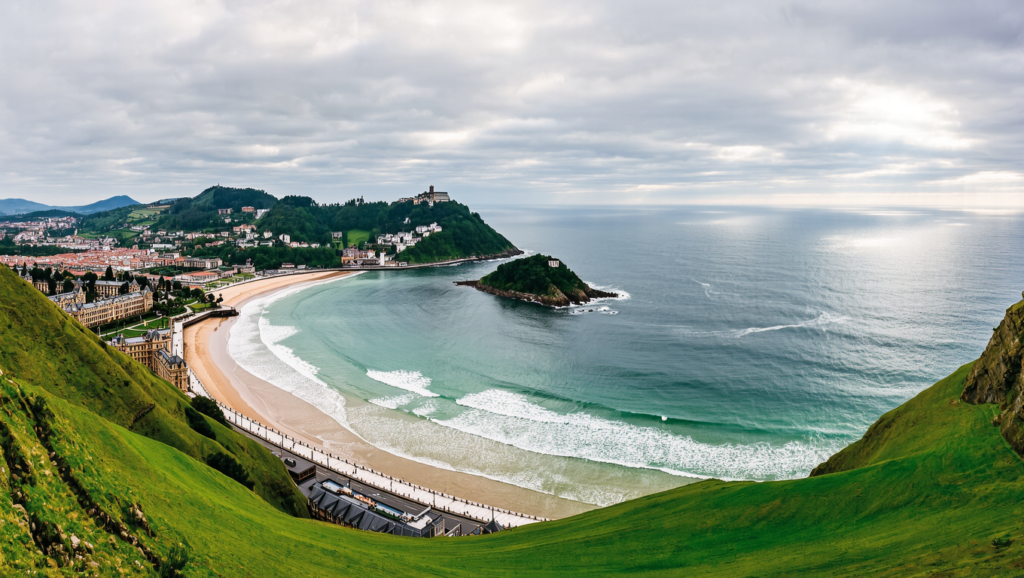
Widely regarded as having the best food scene in Spain, San Sebastián has an extraordinary concentration of Michelin stars and a pintxos bar-hopping culture, set against a dramatic Bay of Biscay coastline that feels distinctly different from the Mediterranean south. La Concha beach curves around the bay below green hills, and the old town packs dozens of bars into a few narrow streets.
The usual approach is to order one pintxo and a small glass of wine or cider at each bar, then move on. Budget around €2.50 to €5 per pintxo as a rough estimate. From San Sebastián, day trips reach Hondarribia, Getaria and, on the French side of the border, Biarritz. Bilbao, with its Guggenheim museum, is roughly an hour and a half away and makes a natural second base. The north is greener and cooler than the rest of Spain, so pack a rain jacket even in summer.
Valencia and the Mediterranean Coast
Valencia gets less attention than Barcelona but suits travellers who want a relaxed, sunny city with real substance. The City of Arts and Sciences is the modern showpiece, the old town holds a medieval silk exchange and a lively central market, and the city is the birthplace of paella, so eat it here at lunchtime, when locals do. A flat riverbed park, now turned into gardens, runs through town and is ideal for cycling.
The city sits right beside the sea, so a beach afternoon needs no planning, and prices for food and accommodation tend to run lower than in Barcelona or Madrid. It is a good fit for a shorter stay of two or three days, or as a stop on the train line between Barcelona and Andalusia.
The Balearic and Canary Islands
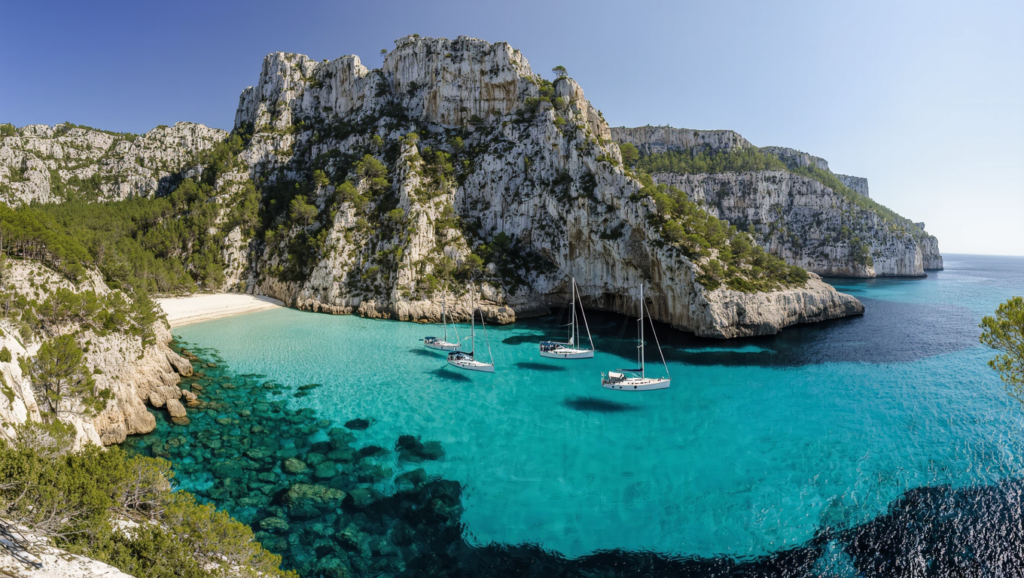
Mallorca and Ibiza cover both quiet coves and serious nightlife depending on which side of each island you choose, while the Canary Islands, off the African coast, offer a mild year-round climate that makes them a solid choice even in European winter. In Mallorca, the north and east hold the prettiest small coves, while Ibiza’s old town, Dalt Vila, is worth a visit even if clubbing is not your goal.
Menorca is the calmer Balearic option, with protected coastline and fewer crowds. In the Canaries, Tenerife offers the volcano of Mount Teide and reliable winter warmth, while Lanzarote’s lava landscapes feel like another planet. Ferries and short flights link most islands to the mainland, but summer prices climb quickly, so book early.
When to Visit Spain
Late spring (April to early June) and early autumn (September to October) are the best windows for most of the mainland, avoiding both the inland summer heat and the peak crowds at major sights. July and August suit the northern coast and the islands, but cities like Seville and Madrid can feel punishing in the afternoon, when many locals take a long break indoors.
Winter is a good choice for the Canary Islands and quieter city breaks, though the Basque Country is wet and parts of the interior can be properly cold. Holy Week (Semana Santa) in Seville is a spectacular spectacle but pushes hotel prices up and books rooms out well in advance, so plan around it deliberately rather than stumbling into it.
How Much a Trip to Spain Costs
Spain is often cheaper than France, Italy or the UK, though prices vary by region and season. As rough estimates, budget travellers can manage on €60 to €90 per day using hostels, set lunch menus and public transport. Mid-range travellers should plan for €120 to €200 per day with comfortable hotels and restaurant dinners, while higher-end trips can easily pass €300.
The menú del día, a fixed-price weekday lunch, often costs somewhere around €12 to €18 and is the best-value meal in the country. High-speed AVE tickets vary widely by route and booking date, so book early for the best fares. For wider ideas on keeping costs down, see our Europe budget travel guide, and for a splurge, our list of the best boutique hotels in Europe.
How to Choose Where to Go
First-time visitors with a week usually do best with Madrid, Andalusia and either Barcelona or San Sebastián, linked by Spain’s high-speed AVE train network, which makes city-to-city travel fast and comfortable enough that a rental car is optional for a city-focused itinerary. The south’s smaller towns and white villages benefit from a car, though.
If food is your priority, head north. If history and architecture lead, favour Andalusia. If you want beaches with your culture, pair Barcelona or Valencia with a few coastal days, and for pure sun and sand choose the islands. Try not to cover more than three bases in ten days, because each move costs half a day. Spain also pairs well with a trip next door, so consider adding Portugal, covered in our Lisbon travel guide. For official regional information, the national tourism board at spain.info is a reliable starting point, and a good policy is worth having too, as explained in our travel insurance guide.
Frequently Asked Questions
What is the best city to visit in Spain for a first trip?
Barcelona suits most first-time visitors because it combines landmark architecture, beaches and excellent food in a compact area. If you prefer art museums and a more local feel, choose Madrid. Many itineraries combine both, connected by a high-speed train that takes roughly two and a half to three hours.
How many days do you need in Spain?
One week is enough for two or three bases, such as Madrid, Seville and Barcelona. Ten to fourteen days lets you add Granada, San Sebastián or an island without rushing. Trying to see everything in under a week mostly means time spent travelling rather than enjoying each place.
What is the cheapest time to visit Spain?
November to March, outside Christmas and Easter, usually brings the lowest flight and hotel prices on the mainland. Shoulder months like October and May offer a good balance of lower prices and pleasant weather. Summer and Holy Week are generally the most expensive periods in most popular destinations.
Do I need a car in Spain?
Not for a city-focused trip, since trains and buses connect major cities quickly. A car helps in Andalusia’s white villages, the Basque countryside and on the islands, where public transport is limited. Pick it up at the start of the rural leg rather than keeping it through the cities, where parking is costly.