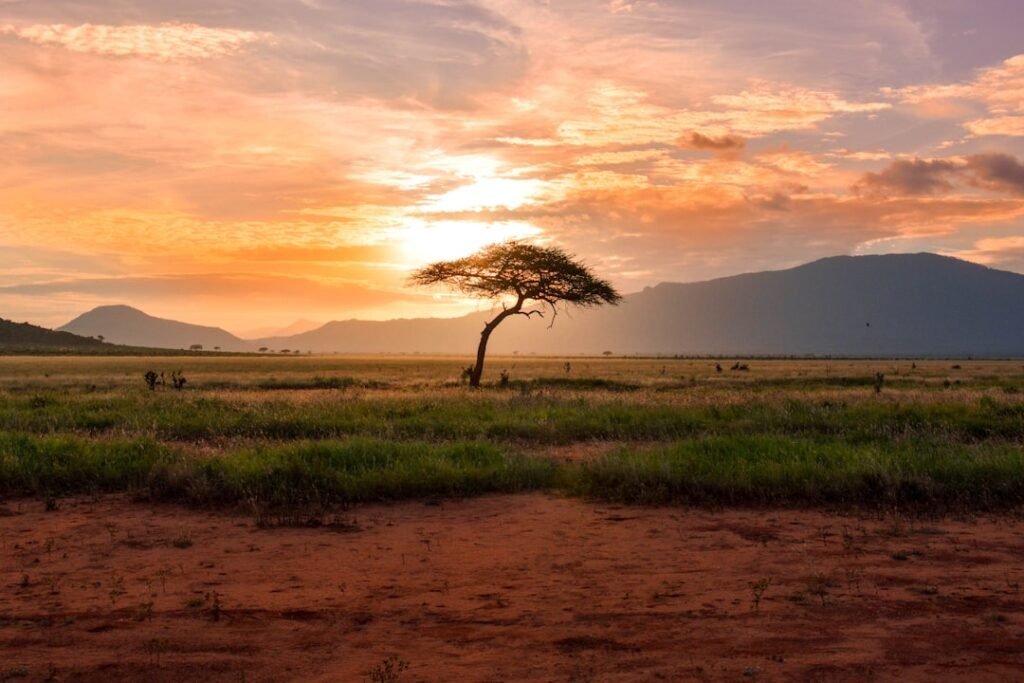
Kenya is East Africa’s most famous safari destination, the country that gave the world the word safari, the Masai Mara and the Great Migration. But the interesting places in Kenya go well beyond the big game reserves: there is a Swahili island town with no cars, a snow-capped equatorial mountain, flamingo-fringed Rift Valley lakes, and a capital city with a national park inside it. These are the 15 most interesting places, with practical advice for each.
If you are still deciding where in Africa to go, our guide to the best safari destinations in Africa compares Kenya with its neighbours, and the best places to visit in Africa for first-timers gives wider context.
1. The Masai Mara
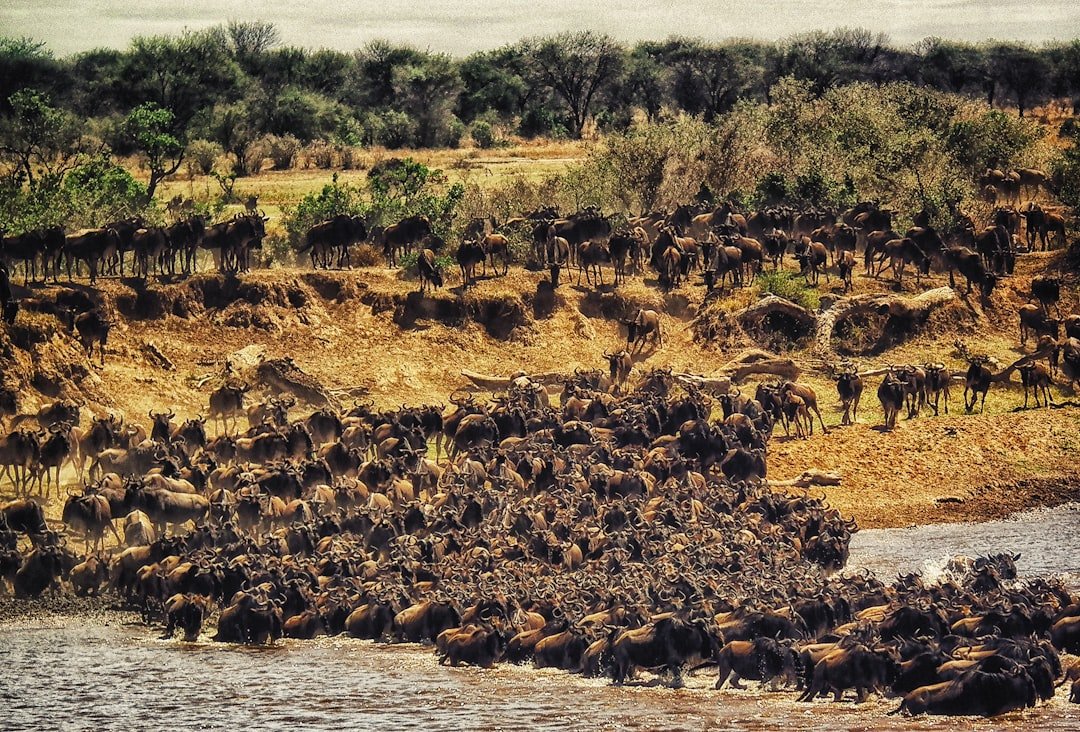
Kenya’s premier safari reserve is continuous with Tanzania’s Serengeti, forming one vast ecosystem. From roughly July to October, hundreds of thousands of wildebeest and zebra cross the Mara River past waiting crocodiles, the most dramatic wildlife event on earth. Outside migration season the Mara still delivers year-round lion, leopard, cheetah and elephant sightings, and the open plains make animals easy to spot. Book camps on private conservancies on the reserve’s edge for fewer vehicles and the option of night drives and guided walks.
2. Amboseli National Park
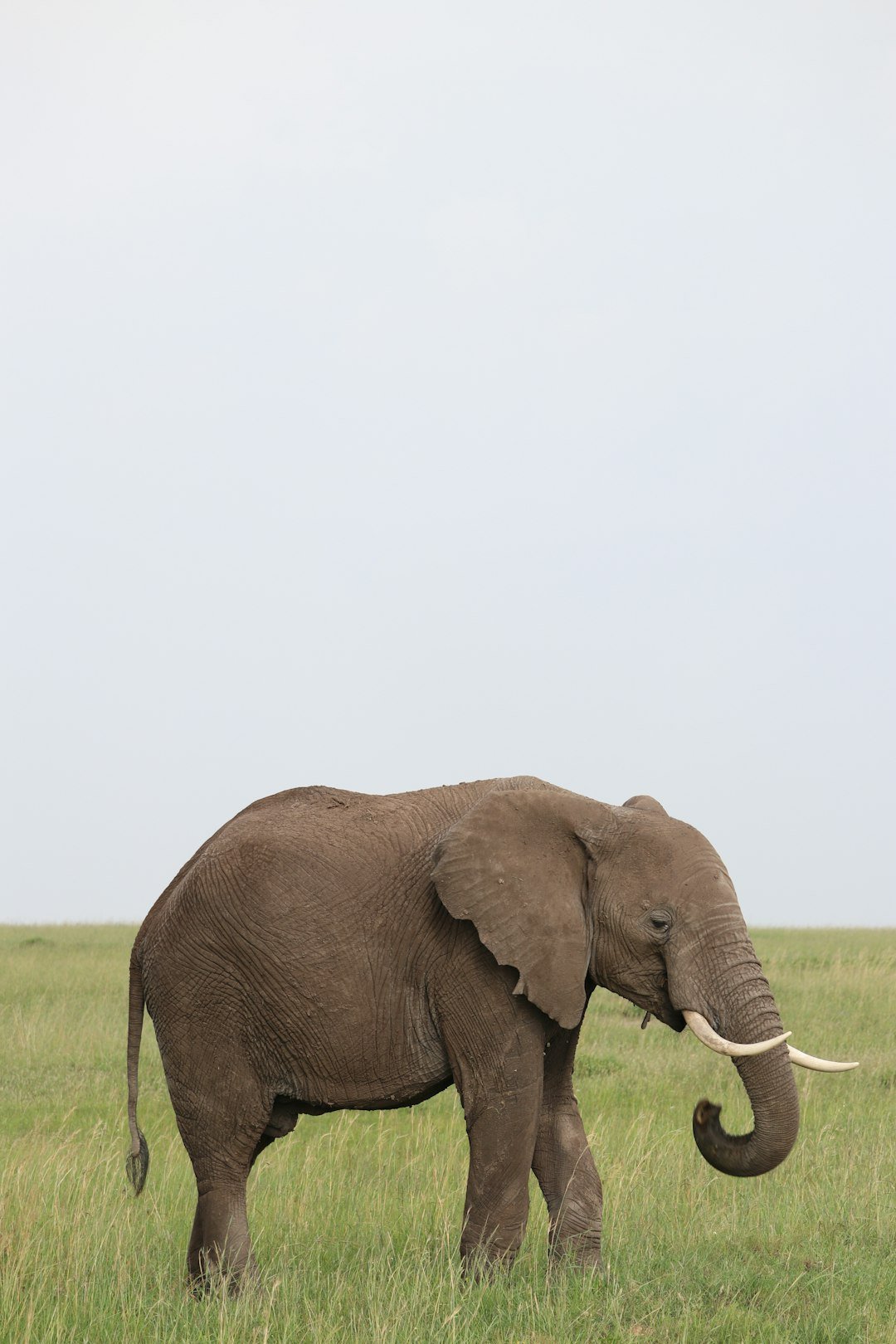
Amboseli is the best place in Africa to watch elephants, with large, relaxed herds wading through swamp-fed grasslands while Kilimanjaro’s 5,895-metre cone rises behind them. The classic photograph needs clear skies, which are most likely at dawn and in the dry months. Expect lion, cheetah, wildebeest and excellent birdlife around the Enkongo Narok swamp. The park is small and flat, so two nights is plenty.
3. Nairobi National Park
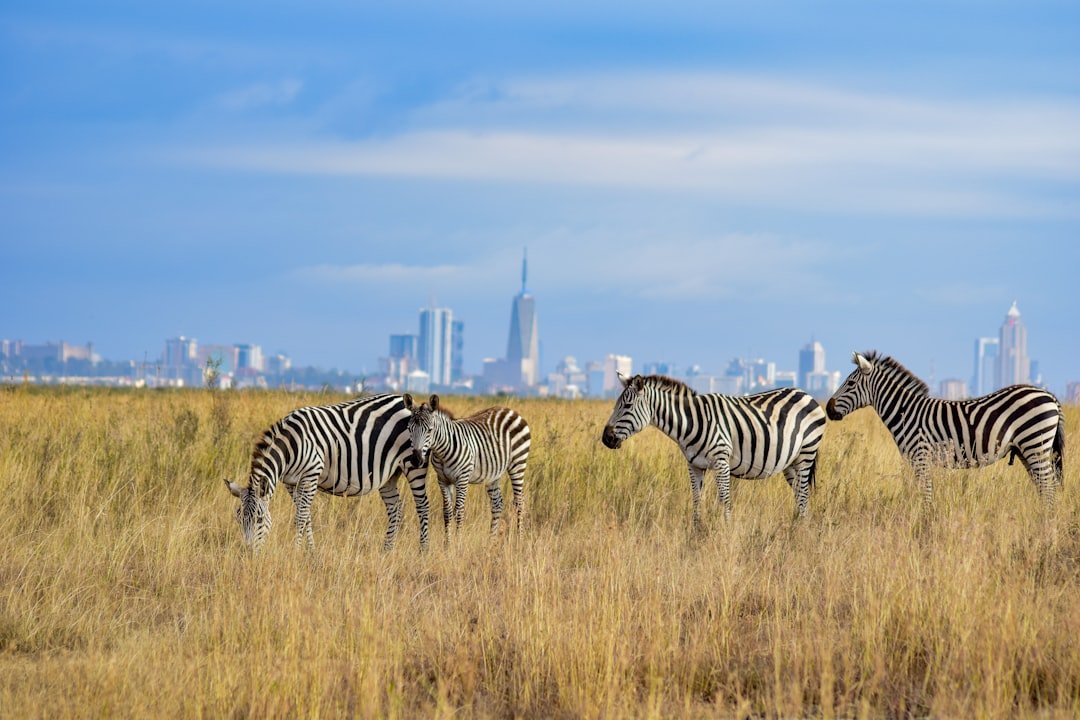
The world’s only national park bordering a capital city offers lions, black rhino, giraffe and buffalo with skyscrapers on the horizon. It is a half-day game drive from downtown, which makes it ideal for a layover or the first or last morning of a trip. Do not expect the density of the Mara, but sightings of rhino here are among the most reliable in Kenya.
4. The Laikipia Plateau
Laikipia is the heartland of Kenyan conservation: a patchwork of private conservancies holding one of Africa’s largest black rhino populations, plus African wild dogs, elephants and Grevy’s zebra. Because the land is privately managed, you can do walking safaris, horse riding and night drives, activities not permitted in most national parks. Lodges here tend to be small and expensive, but the exclusivity and the conservation payoff are real.
5. Mount Kenya
At 5,199 metres, Mount Kenya is Africa’s second-highest peak and a UNESCO World Heritage Site. The technical summits require climbing experience, but Point Lenana at 4,985 metres is achievable by fit trekkers over three to five days with a guide. Expect cold nights, altitude headaches and a landscape of moorland, giant lobelias and glaciers. The best trekking windows are the drier months of January to February and August to September.
6. Lamu Archipelago and Shela
Lamu Old Town is a UNESCO-listed Swahili port with roughly 700 years of continuous history. There are almost no cars: donkeys and dhows are the transport. Wander coral-stone alleys, watch dhow builders at work and eat fresh seafood on the waterfront. The nearby village of Shela, a short walk or boat ride along the beach, has boutique guesthouses in restored Swahili houses and is the most atmospheric place to stay on the Kenyan coast. Read the UNESCO listing for Lamu Old Town for background.
7. Diani Beach
Diani is Kenya’s finest stretch of white sand, backed by palms and warm Indian Ocean water. A fringing reef offshore supports snorkelling and diving, and colobus monkeys swing through the coastal forest behind the hotels. It pairs naturally with a safari: finish a week in the bush with a few days of rest here. Water is calmest and visibility best from roughly December to March.
8. Hell’s Gate National Park
Hell’s Gate is one of the few parks in Kenya where you can walk or cycle freely among zebra, giraffe, buffalo and eland, because the area has no large predators to speak of. Dramatic red cliffs and geothermal gorges make the scenery as good as the wildlife. Hire a bicycle at the gate and pay a guide to lead you through Hell’s Gate Gorge. It is an easy day trip from Naivasha.
9. Lake Nakuru National Park
Lake Nakuru is a compact, highly accessible park known for flamingos, though their numbers fluctuate with water levels. The park also holds both black and white rhino, Rothschild’s giraffe, lions and leopards, and a fenced sanctuary that makes sightings easy. It is one of the most efficient places to see a lot of wildlife in a single day, which suits travellers short on time.
10. Samburu National Reserve
Northern Kenya’s semi-arid country feels distinct from the southern parks. Samburu is the best place to see species found nowhere else in the country: Grevy’s zebra, reticulated giraffe, Somali ostrich, gerenuk and beisa oryx. The Ewaso Nyiro River draws elephants and crocodiles, and leopards are often seen in riverside acacias. It is hot and dry, with fewer visitors than the Mara.
11. The Rift Valley Lakes: Bogoria and Baringo
Lake Bogoria is famous for hot springs and geysers on its shore and, in good years, vast flocks of flamingos. Lake Baringo, a freshwater lake nearby, offers boat trips among hippos and crocodiles and some of Kenya’s best birding, with over 400 species recorded. Together they make a quiet, off-the-beaten-track extension for birders and photographers.
12. Tsavo East and West
Tsavo is Kenya’s largest national park, split into east and west sections and covering well over 20,000 square kilometres. Its elephants are known as the “red elephants” because they dust-bathe in the rust-coloured earth. This is also the setting of the notorious man-eating lions of Tsavo from the 1890s railway-building era. Tsavo East is open plains; Tsavo West is more varied, with volcanic hills and the clear Mzima Springs.
13. Watamu and Malindi
Watamu, on the north coast, is a quieter alternative to Diani, with a marine national park and a protected stretch of coral reef. Snorkel among tropical fish, join sea-turtle conservation tours and explore the ruins of Gedi, a medieval Swahili town hidden in the forest. Nearby Malindi has a livelier, more Italian-influenced beach scene. Together they suit travellers who want coast, culture and marine life in one stop.
14. Lake Naivasha
A freshwater lake in the Rift Valley, Naivasha is a convenient two-hour drive from Nairobi. Take a boat among hippos and hundreds of bird species, then walk on Crescent Island, where you can stroll among giraffe and zebra. It is a popular weekend break for Nairobi residents and a natural stop between the capital and the Mara.
15. Nairobi: Giraffe Centre and Karen
Beyond the national park, Nairobi itself has a handful of worthwhile stops. At the Giraffe Centre you can feed endangered Rothschild’s giraffe from a raised platform. The nearby Karen Blixen Museum and the elephant orphanage run by the Sheldrick Wildlife Trust give a deeper look at Kenya’s history and conservation work. Plan a morning or afternoon for each; do not skip them if you have a long layover.
When to Visit Kenya
Kenya straddles the equator, so seasons are defined by rainfall, not temperature. The long dry season from June to October is the classic safari window and covers the wildebeest river crossings in the Mara. January and February are also dry and hot, with excellent wildlife viewing. The long rains from roughly March to May bring lush scenery, lower prices and fewer visitors, though some camps close and roads can be difficult. The short rains arrive around November. The coast is warm year-round but hottest from January to March, with the heaviest rain in April and May.
Realistic Costs
Safaris are priced per person per night, and the gap between styles is large. As rough estimates, a budget camping safari with a shared vehicle often runs from about 150 to 250 euros per person per day. Mid-range lodges and tented camps typically cost 300 to 600 euros, and luxury conservancy camps start around 700 euros and can exceed 1,200 euros in peak season. Park fees are a significant part of this and are set by authorities such as the Kenya Wildlife Service, so check current rates. On the coast, a comfortable beach hotel is often 80 to 200 euros per night. International flights, visas and tips are extra. Prices change by season, so treat these figures as guides only. For a deeper look at the top end, see our luxury safari guide for Africa.
How to Choose Between These Interesting Places in Kenya
Fifteen places is too many for one trip. For a first visit of seven to ten days, a classic combination is two nights in Amboseli, three in the Masai Mara and three to four on the coast at Diani or Lamu. If time is short, combine Nairobi National Park, Lake Nakuru and Naivasha in a long weekend. Birders and walkers should prioritise Laikipia, Hell’s Gate and the Rift Valley lakes. If you also want to see Tanzania, our Tanzania and Zanzibar guide shows how to link both countries. Whatever you choose, buy medical cover first; see how to choose travel insurance.
Frequently Asked Questions
What is the best time to visit Kenya?
July to October is best for the Masai Mara and the Great Migration, with dry weather and strong wildlife viewing. January and February are also dry and good for safaris and beaches. The long rains from March to May bring lower prices but wetter conditions, and some lodges close temporarily.
How many days do you need in Kenya?
Seven to ten days works well for a first visit, covering two or three parks plus a few days on the coast. A long weekend is enough for Nairobi, Lake Nakuru and Naivasha. Two weeks lets you add Samburu, Laikipia or a Mount Kenya trek without feeling rushed.
Is Kenya safe for tourists?
Millions of tourists visit Kenya safely, particularly on organised safaris and in the main coastal resorts. Take normal precautions in Nairobi, avoid walking alone at night, and check your government’s current travel advice for specific regions, especially areas near the Somali border.
Do I need a visa to visit Kenya?
Most visitors need an electronic travel authorisation (eTA) applied for online before departure, though rules have changed in recent years. Check the official Kenyan government immigration portal or your embassy for current requirements and fees before booking.