in
15 Most Interesting Places in the Maldives (2026 Travel Guide)
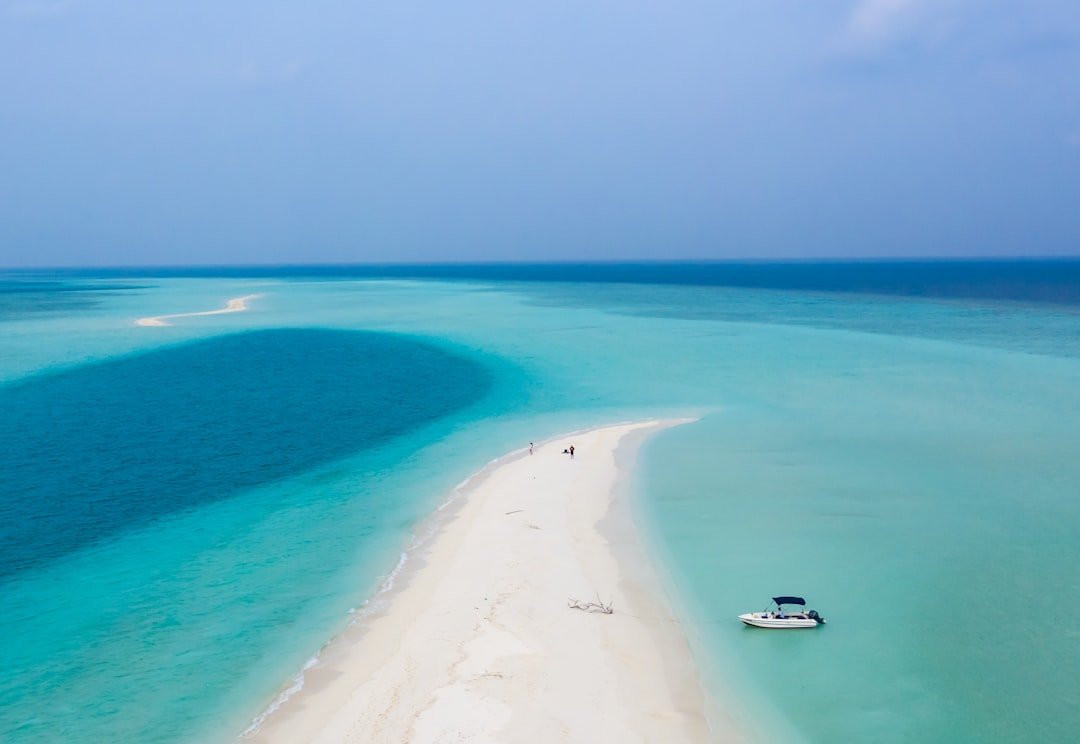
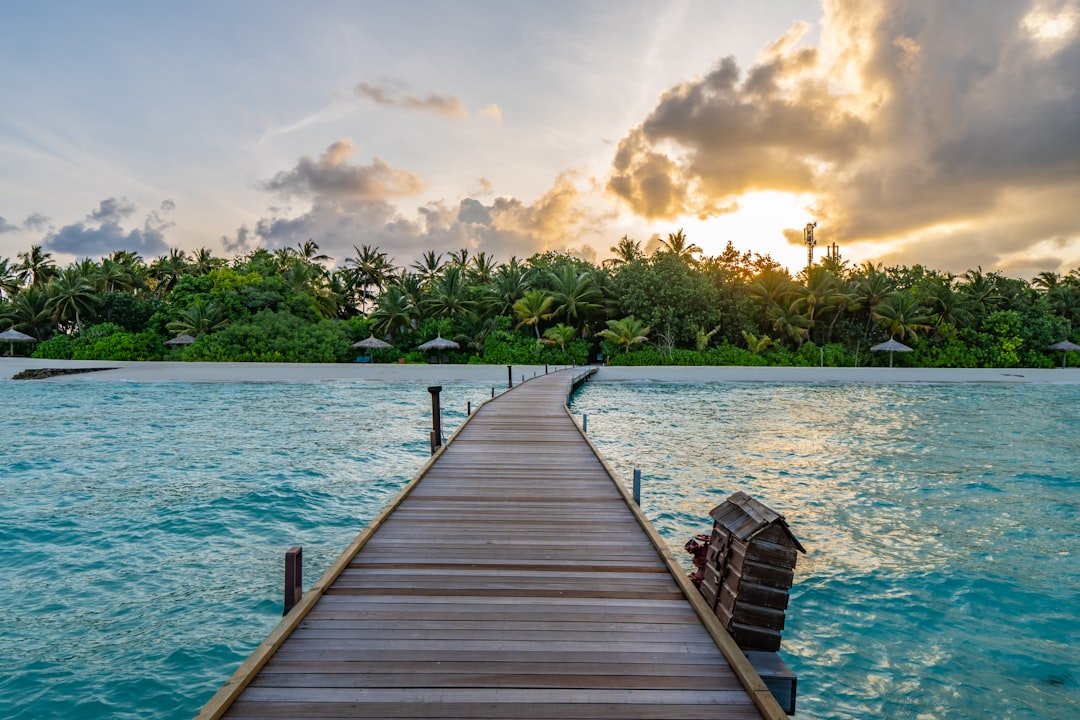
The Maldives is the definition of paradise in the world’s travel imagination — overwater bungalows, coral reefs, turquoise lagoons, and sunsets that look like they were designed by a hotel marketing team. The reality matches the images almost perfectly, which is remarkable.
But the Maldives is also a nation of 1,200 islands across 26 atolls spread over 90,000 square kilometers of Indian Ocean — and most visitors see exactly one of them from the comfort of a resort. The sea life is extraordinary enough to justify the trip on its own. The local Maldivian culture, the outer atolls, the liveaboard diving routes, and the bioluminescent beaches add dimensions that resort brochures rarely mention.
These are the most interesting places in the Maldives for travelers who want more than a beautiful lagoon.
Iconic Maldives Experiences Every Visitor Should Have
1. North Male Atoll – The Most Accessible and Beautiful Atoll
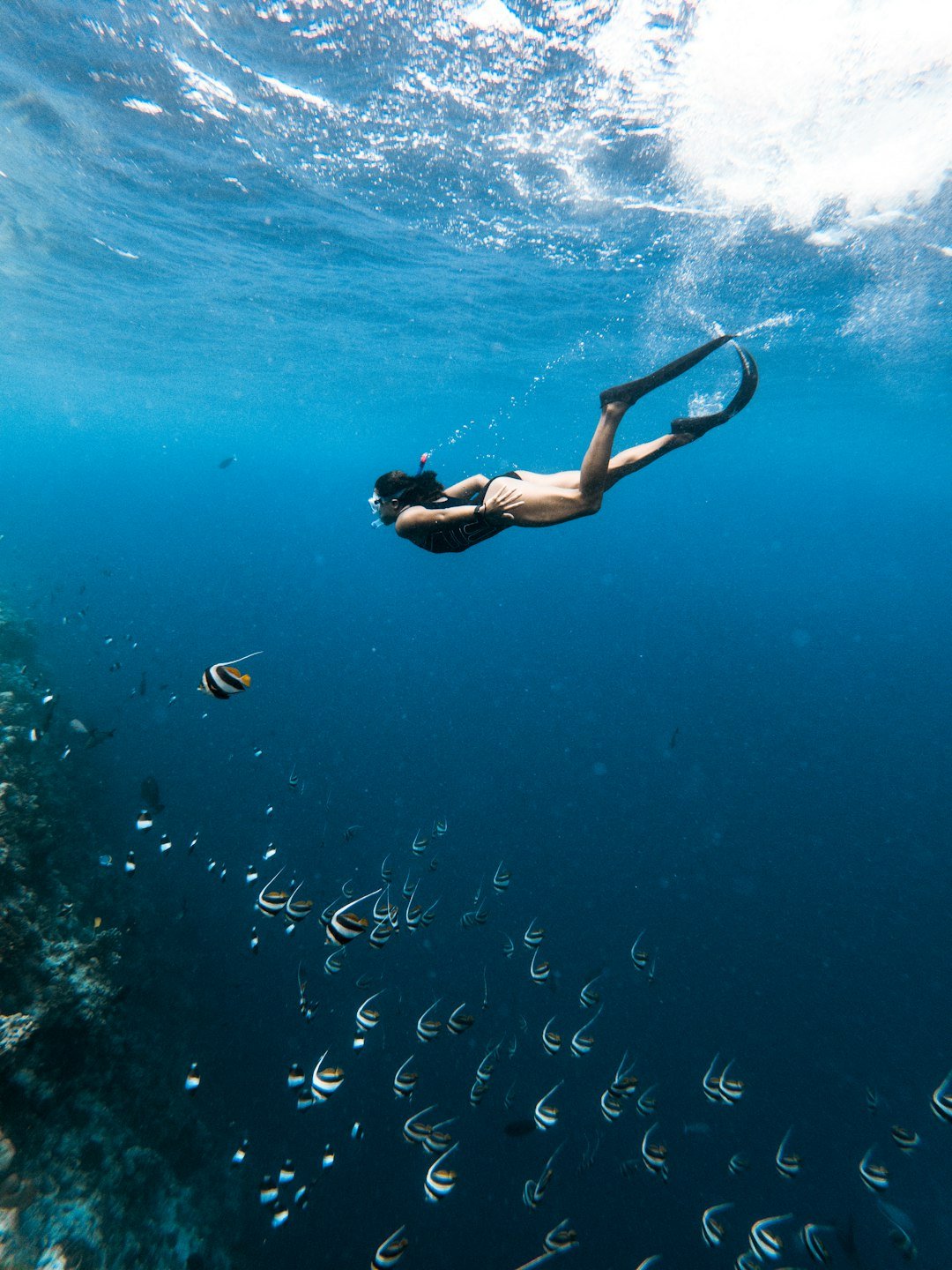
The North Male Atoll surrounding the capital is the most developed and accessible in the Maldives — home to some of the finest resort islands and the most reliably excellent diving. The Banana Reef, HP Reef, and Manta Point are legendary dive sites within the atoll, and the house reef snorkeling at most North Male resorts rivals dedicated dive trips elsewhere in the world.
Practical tip: Speedboat transfers from Male airport to North Male Atoll resorts take 20-45 minutes — far preferable to the seaplane transfers required for outer atolls. Choose a North Male resort for a first Maldives visit.
Book now: North Male Atoll snorkeling and diving day trip via Viator
2. Hanifaru Bay, Baa Atoll – The World’s Largest Manta Ray Gathering
The UNESCO Biosphere Reserve of Baa Atoll contains Hanifaru Bay — a small sheltered bay that concentrates plankton in such extraordinary quantities during the southwest monsoon (May to November) that it attracts the largest known aggregations of manta rays and whale sharks on earth. Up to 200 manta rays and dozens of whale sharks feeding simultaneously in a space the size of a football field is one of the most spectacular marine wildlife experiences anywhere.
Practical tip: Snorkeling only — diving is prohibited in Hanifaru Bay to protect the aggregation. Visits must be with a licensed guide and numbers are strictly limited. Stay on nearby Baa Atoll resorts for priority access.
Book now: Hanifaru Bay manta ray snorkeling excursion via GetYourGuide
3. Whale Shark Snorkeling, South Ari Atoll – Swimming with Giants
The South Ari Atoll is one of the only places in the world where whale sharks — the largest fish on earth, reaching 12 meters — are present year-round rather than seasonally. The sharks aggregate around the plankton-rich currents of the atoll channel and are reliably encountered on excursions from the surrounding resorts.
Swimming alongside a whale shark — its spotted skin, its vast gaping mouth filtering water — is one of the most extraordinary wildlife encounters available in the Indian Ocean.
Book now: Whale shark snorkeling tour South Ari Atoll via Viator
Lesser-Known Maldives Experiences Worth Seeking Out
4. Male – The Maldives Capital Most Visitors Skip
The capital island of Male, home to 200,000 people on a 2-square-kilometer island, is one of the most densely populated places on earth — and one of the most overlooked on the Maldives tourist circuit. The Friday Mosque (Hukuru Miskiy), built from coral stone in 1658, is the finest example of Maldivian architecture in the country. The Male fish market at 5 AM, when the night’s catch arrives and is auctioned to restaurant buyers, is one of the most vivid market experiences in the Indian Ocean.
Practical tip: Male is worth a half-day exploration before or after your resort stay. Most visitors transfer directly from airport to resort without stopping — don’t make that mistake.
5. Fulhadhoo Island – A Local Maldivian Village with a Perfect Beach
The local island of Fulhadhoo in Baa Atoll has a population of 300 people and a beach of such extraordinary beauty — white sand, completely empty, turquoise water — that travel photographers regularly make the journey from Male specifically to shoot it. Staying in a locally run guesthouse on Fulhadhoo rather than a resort provides a genuine window into Maldivian village life and costs a fraction of resort prices.
Practical tip: Local island guesthouses are affordable ($50-120 per night) and connect directly with the community. Alcohol is not available on local islands — respect local Muslim culture and customs.
6. Liveaboard Diving – Exploring the Outer Atolls
The outer atolls of the Maldives — Addu, Huvadhu, Lhaviyani — are accessible primarily by liveaboard dive boat, spending 7-14 nights moving between the most remote and pristine reef systems in the Indian Ocean. Hammerhead sharks at Rasdhoo Atoll, tiger sharks at Fuvahmulah, grey reef sharks at virtually every atoll — the Maldives liveaboard circuit is considered one of the finest dive routes in the world.
Book now: Maldives liveaboard diving safari via Viator
7. Vaadhoo Island – The Bioluminescent Beach
The beach of Vaadhoo Island in Raa Atoll is one of the most photographed natural phenomena in the Maldives — at night, bioluminescent phytoplankton in the water glow electric blue with every wave, creating the appearance of the Milky Way reflected in the sea. The phenomenon is seasonal and most reliable between June and October.
Practical tip: The bioluminescence requires a dark, moonless night away from resort lighting — time your visit with the new moon calendar. Several resorts in Raa Atoll specifically market this experience.
Hidden Gems in the Maldives Only Adventurous Travelers Find
8. Addu Atoll – The Southernmost Atoll and a Different Maldives
Addu Atoll, the southernmost atoll in the Maldives just below the equator, is the most geographically and culturally distinct in the country. Its islands are connected by a causeway road — unique in the Maldives — making it the only atoll where cycling between villages is possible. The WWII British airbase on Gan Island, the wreck of the British Loyalty tanker (a world-class dive site), and the unusual freshwater lake on Hithadhoo all distinguish Addu from every other atoll.
9. Fuvahmulah – The Island of Tiger Sharks and Thresher Sharks
The single-island atoll of Fuvahmulah in the far south is famous among serious divers for two species rarely seen elsewhere: tiger sharks, which gather in consistent numbers in the channel current, and oceanic thresher sharks at cleaning stations. The island also has freshwater lakes (unique in the Maldives) and a local culture distinct from the rest of the country.
This is one of the most interesting places in the Maldives for experienced divers willing to travel far beyond the resort circuit.
10. Rasdhoo Atoll – Hammerhead Sharks at Dawn
The tiny Rasdhoo Atoll, accessible from the North Ari Atoll resorts by speedboat, has a single dive site that has made it legendary among divers worldwide. At dawn, before the sun fully rises, schools of scalloped hammerhead sharks circle the submerged reef wall in open water before dispersing for the day. The dive requires an early departure, a night on a liveaboard, or a stay on the small resort island.
11. Dhigurah Island – Whale Sharks from a Local Island Beach
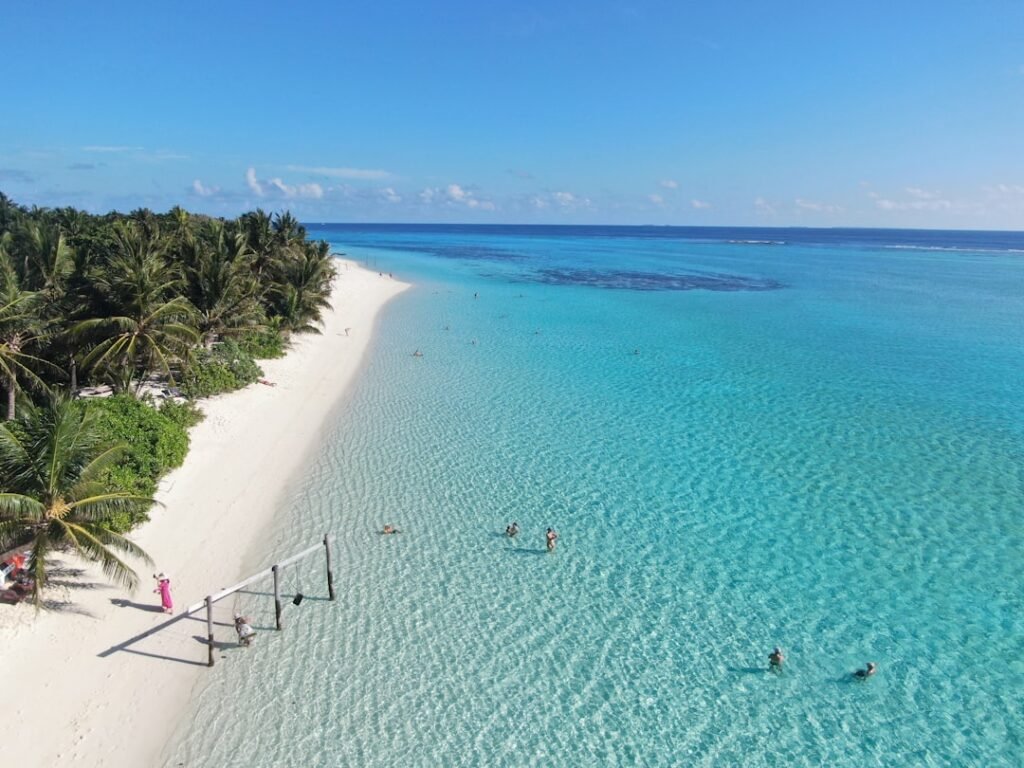
The long, narrow island of Dhigurah in South Ari Atoll is one of the few local (non-resort) islands from which whale shark excursions operate directly. Staying in a guesthouse here allows whale shark snorkeling at a fraction of resort island prices, while the 3-kilometer beach on the island’s eastern side is one of the finest in the Maldives.
12. Maafushi Island – The Backpacker Capital of the Maldives
Maafushi in South Male Atoll pioneered the local island guesthouse concept that has transformed the Maldives for budget travelers. Just 45 minutes by speedboat from Male, it offers excellent diving, a lively cafe culture, surfing excursions, and snorkeling with sharks and rays — all at guesthouse prices. It has slightly over-developed relative to other local islands but remains the most accessible affordable Maldives experience.
13. Mirihi Island – Tiny, Remote, Exceptional
The resort island of Mirihi in South Ari Atoll is 350 meters long and 50 meters wide — small enough to walk around in five minutes. With just 24 water villas, it is one of the most intimate resort experiences in the Maldives, with a house reef consistently ranked among the finest in the country and a position in the whale shark zone of South Ari Atoll.
14. Hulhumale – The Maldives Being Built for the Future
Hulhumale is a land reclamation project adjacent to Male airport — an artificial island being built to house Maldivian citizens displaced as sea level rise threatens the inhabited low-lying islands. It is a fascinating and sobering place to visit: a city being built on borrowed time, with a 3-meter elevation designed to survive projected sea level increases, in a country that averages 1.5 meters above sea level.
15. Surfing the Maldives – World-Class Waves in Paradise
The Maldives is one of the finest surf destinations in the Indian Ocean — the channel passes between atolls create consistent swells that break over shallow reef in fast, hollow waves. Sultans, Honkys, Cokes, and Jails in North Male Atoll are among the most famous surf breaks in the Indian Ocean. The combination of world-class waves and the surrounding Maldivian environment makes it one of the most interesting places in the Maldives for travelers who surf.
Book now: Maldives surfing day trip and lessons via GetYourGuide
Practical Maldives Travel Tips
Best time to visit the Maldives: November to April is the dry northeast monsoon season — the best weather, calmest seas, and clearest visibility for diving and snorkeling. May to October is the wet season — less reliable weather but the best time for manta rays at Hanifaru Bay and lower accommodation prices.
Getting around: Seaplane transfers (stunning but expensive at $400-600 return) serve most luxury resorts. Speedboats serve closer islands and local island ferries connect Male to inhabited islands on a scheduled basis (very cheap but slow).
Resort vs local island: Luxury resorts offer all-inclusive convenience, private beaches, and house reef snorkeling. Local island guesthouses offer authentic Maldivian culture, social interaction, and 20-30% of the price. Both are valid choices depending on what you’re seeking.
Budget tip: The public ferry network from Male to local islands costs $1-3 per journey. Booking a guesthouse on a local island and taking day excursions can bring the total Maldives cost to under $150 per day per person — a fraction of resort prices.
Final Thoughts on Interesting Places in the Maldives
The Maldives is one of the most environmentally threatened destinations on earth — a country whose highest point is 2.4 meters above sea level in an ocean that is rising. Visiting now, and supporting locally owned guesthouses and conservation-focused operators, is both a privilege and a responsibility.
The sea life, the light, the extraordinary blue of the water — the Maldives delivers all of it in a way that photographs cannot fully capture. Go before the water rises.
Exploring island destinations? Read our guides to Interesting Places in Bali, Interesting Places in Tanzania, and Interesting Places in Hawaii.