The best all inclusive resorts have shed their package-holiday image in the last decade. The category now spans everything from value Caribbean resorts, where the trade-off is clear (unlimited, perfectly decent food and drinks in exchange for predictable costs), to ultra-luxury properties in the Maldives, Mexico and the Caribbean, where all-inclusive means private butler service, serious dining and premium spirits on tap. Understanding where the value actually lies, and where it does not, is the key to choosing well. This guide explains how the model works, which destinations do it best, and how to avoid paying for things you will never use.
What All-Inclusive Really Means Today
At its simplest, an all-inclusive resort bundles your room, meals, snacks and drinks into one upfront price. Beyond that baseline, the definition stretches. Some resorts include only local spirits and house wine, while others pour premium brands and stock a fully curated cellar. Some include non-motorised water sports and kids’ clubs, others charge extra for almost everything beyond the sunbed.
That variation is why two resorts with the same star rating can feel like completely different products. The headline price tells you very little. What matters is the inclusions list, the quality of the food and how many dining options you get, so read the detail before you compare prices.
When All-Inclusive Makes Sense
All-inclusive works best when you plan to spend most of your time at the resort, when alcohol costs would otherwise be significant (the Caribbean in particular), when you are travelling with children whose food preferences make restaurant dining stressful, or when predictable budgeting matters more than culinary adventure. It also suits travellers heading to remote islands where there are few alternatives to eating on site.
It works least well for travellers who want to explore local restaurants, who drink little, or whose priority is cultural immersion over beach relaxation. If you plan to be out sightseeing every day, you will pay for meals you do not eat. In that case, a bed-and-breakfast rate with a free afternoon for a local lunch usually gives better value, and a good guide such as our best luxury travel destinations roundup can help you match a place to your travel style.
Best All-Inclusive Destinations
Mexico (Riviera Maya): The stretch from Cancún to Tulum is the world’s largest all-inclusive concentration. The best resorts, including Rosewood Mayakoba, Banyan Tree Mayakoba and Belmond Maroma, are among the world’s finest at any price point. Mid-range options such as Iberostar and Hard Rock offer strong value for families.
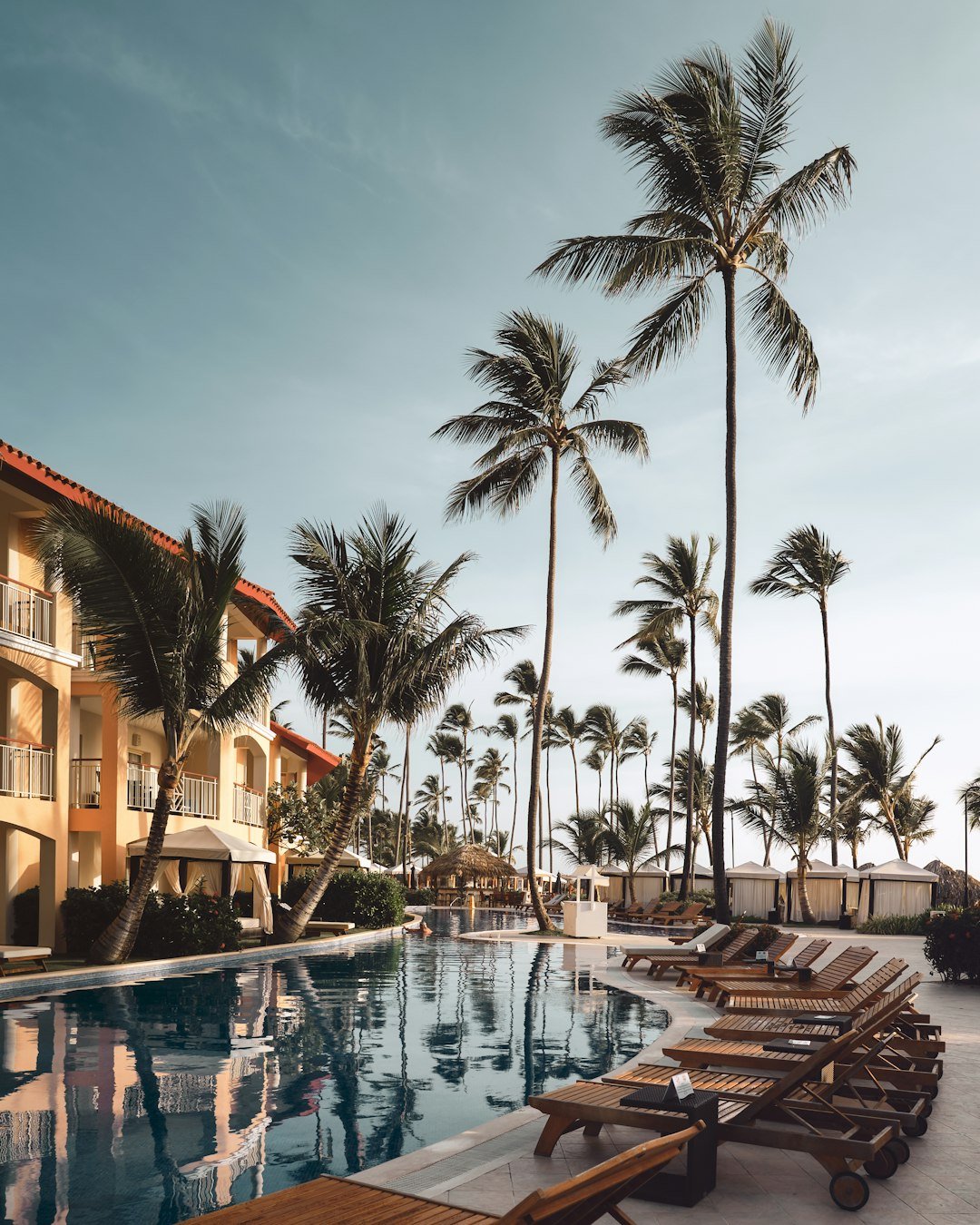
Dominican Republic: Punta Cana offers the highest density of well-run all-inclusive resorts outside Mexico, with consistently excellent value. The Bávaro Beach area has the best sand. Excellence Punta Cana and Zoëtry Agua are the standout luxury options.
Maldives: Full-board and all-inclusive in the Maldives means something different. The isolation of resort islands makes eating elsewhere almost impossible, so most resorts offer meal plans that effectively function as all-inclusive. The dining quality at top-tier properties such as One&Only Reethi Rah, Six Senses Laamu and Soneva Fushi is genuinely world-class. For the full picture, see our Maldives travel guide.
Jamaica and the wider Caribbean: Jamaica, Antigua, St Lucia and Aruba all have strong all-inclusive traditions, often with a more relaxed, local character than the mega-resorts of Cancún. Quality varies, so research recent reviews for the specific property rather than trusting the island’s reputation.
The Mediterranean: Turkey’s Aegean and Mediterranean coasts, along with parts of Spain, Greece and Egypt’s Red Sea, offer excellent value for European travellers, especially in shoulder season. Turkey in particular has a reputation for lavish buffets and large resort complexes at prices that undercut the Caribbean.

Choosing by Type: Family, Couples and Luxury
Families: Look for kids’ clubs with qualified staff, shallow pools, family rooms rather than two adjoining rooms, and menus children will actually eat. Resorts that run supervised activities give parents genuine downtime, which is often the real value of the format. We have a dedicated guide to the best all inclusive family resorts if this is your priority.
Couples and honeymooners: Adults-only resorts tend to be quieter and more romantic, with a stronger focus on spas, fine dining and swim-up suites. If you are planning a honeymoon, our best honeymoon destinations guide pairs well with this one, and the best overwater bungalows roundup shows how far the luxury end of the market can go.
Luxury seekers: At the top end, the question shifts from what is included to what is excluded. True luxury all-inclusive properties often include premium drinks, private dining, spa credits and excursions. Expect to pay several times the price of a mainstream resort, and weigh whether you will use enough of those extras to justify it.
What to Look for When Booking
The critical variables are beach quality (private or shared, sand quality, wind exposure), room category (garden view versus sea view versus overwater makes an enormous difference to your experience), dining variety (how many restaurants, whether reservations are required, the quality of à la carte versus buffet) and what “all-inclusive” actually covers. Premium spirits, water sports, spa treatments and excursions vary enormously between properties.
Recent guest reviews are more useful than the star rating. Look for patterns rather than single complaints: repeated mentions of crowded pools, slow restaurant service or a poor beach are worth taking seriously. Check how the resort handles dietary needs if that matters to you, and whether wristbands or reservation systems create queues at peak times.

What All-Inclusive Resorts Cost
Prices vary hugely by destination, season and room type, so treat the following as rough estimates per person per night, based on two sharing. Value and mid-range resorts in Mexico, the Dominican Republic or Turkey often start from around €100 to €200. Upscale Caribbean and Mediterranean resorts commonly run €250 to €500. Ultra-luxury properties and Maldives resort islands can climb to €700 to well over €1,500 a night.
To judge value, add up what you would normally spend on a holiday day: three meals, a few drinks, tips and activities. If the all-inclusive premium over a bed-and-breakfast rate is less than that figure, you are probably coming out ahead. Remember to budget for flights, transfers, travel insurance and any excursions, which are frequently excluded. Our travel insurance guide covers cover worth having for a prepaid trip.
When to Book and When to Go
The Caribbean peaks between December and April, when weather is driest and prices are highest. Hurricane season runs roughly June to November, which brings lower rates but a real risk of disruption, so flexible bookings and good insurance matter. The Riviera Maya is busiest in winter and has seaweed (sargassum) issues on some beaches in late spring and summer, so check recent conditions.
The Maldives is generally driest from about December to April, with a wetter season from May to October when bargains appear. Mediterranean resorts are best from late spring to early autumn, with May, June and September offering milder temperatures and fewer crowds than peak summer. Booking four to eight months ahead usually secures the best choice of rooms, though last-minute deals do exist outside school holidays.
Common Catches to Watch For
Read the fine print on three things. First, resort fees and taxes that are charged on arrival rather than included in the quoted price. Second, restrictions on à la carte restaurants, where the best venues may need advance booking or limit the number of visits per stay. Third, tiered drinks policies, where top-shelf brands cost extra. A quick email to the resort before booking can save disappointment. For planning broader trips, the Mexico Tourism Board’s official visitor site is a useful starting point for destination details.
Frequently Asked Questions
What is the best all-inclusive resort destination in the world?
There is no single winner. The Riviera Maya in Mexico offers the widest range at every price, Punta Cana delivers consistent value, and the Maldives suits luxury and isolation. The best choice depends on your budget, travel companions and whether you want beach, culture or total seclusion.
Are all-inclusive resorts worth the money?
They are worth it if you will eat and drink mostly at the resort, travel with children or want fixed costs. They are poor value if you plan to explore local restaurants every day or barely drink. Compare the all-inclusive price against your realistic daily spending before you book.
What is usually not included in an all-inclusive resort?
Common exclusions include premium spirits, specialty restaurants, spa treatments, motorised water sports, excursions, airport transfers, resort fees and tips. Inclusions vary by property, so check the detailed list on the resort’s website or ask directly before confirming your reservation.
When is the best time to book an all-inclusive holiday?
For peak periods such as Christmas, Easter and summer school holidays, book four to eight months ahead. For better prices, travel in shoulder season, such as May, June, September or November in many regions. Flexible rates are sensible during Caribbean hurricane season.