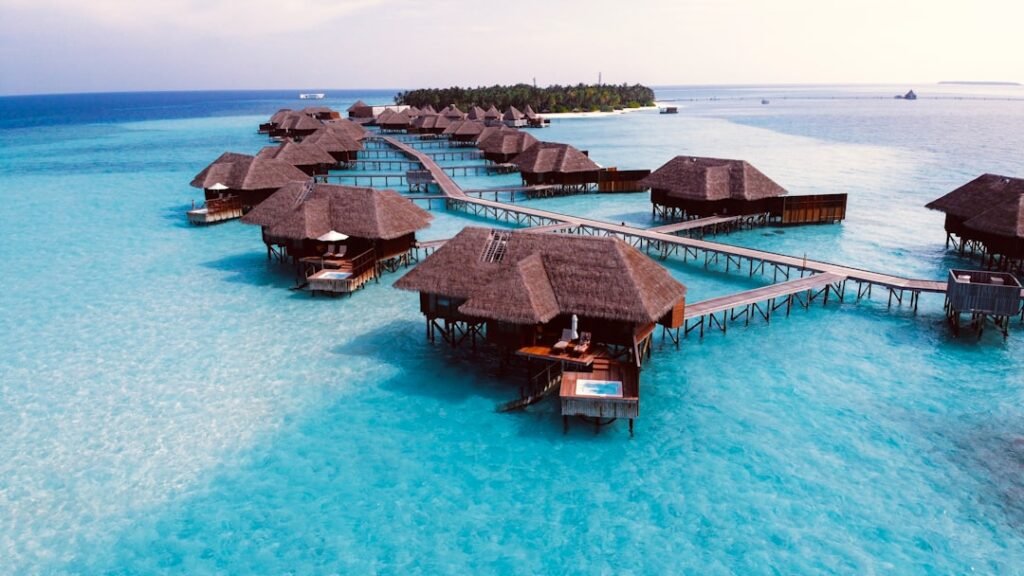
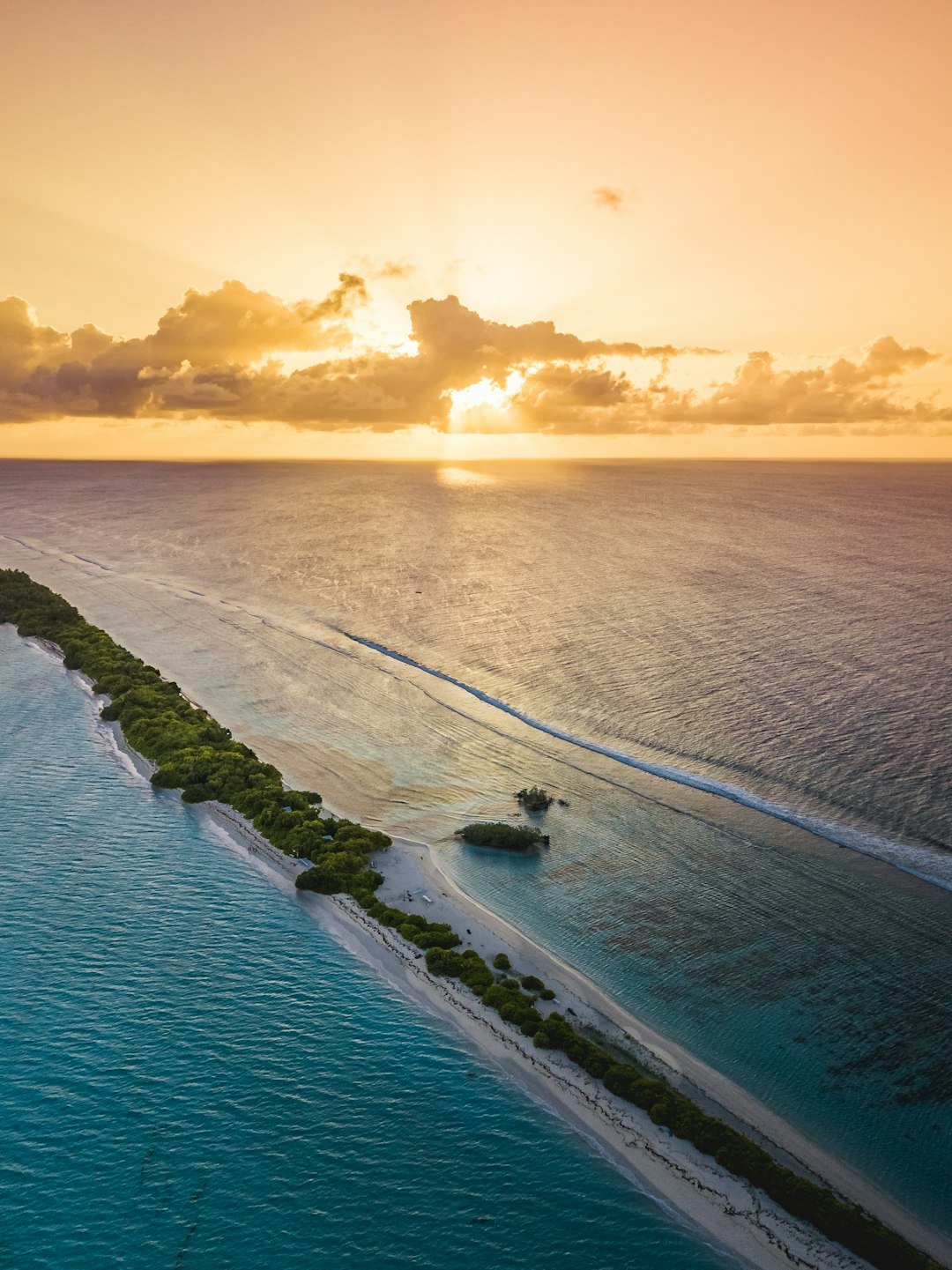
The Maldives is one of the most immediately recognisable destinations on earth — a nation of 1,200 coral islands and sandbanks scattered across the Indian Ocean, with an aesthetic so consistent and so extreme (overwater villas, house reefs, bioluminescent beaches, sunsets that look like something from a screen saver) that it has become the global shorthand for luxury escapism. Understanding how it actually works — the atolls, the transfer logistics, the range of accommodation, the best times to visit — makes the difference between a trip that meets expectations and one that exceeds them.
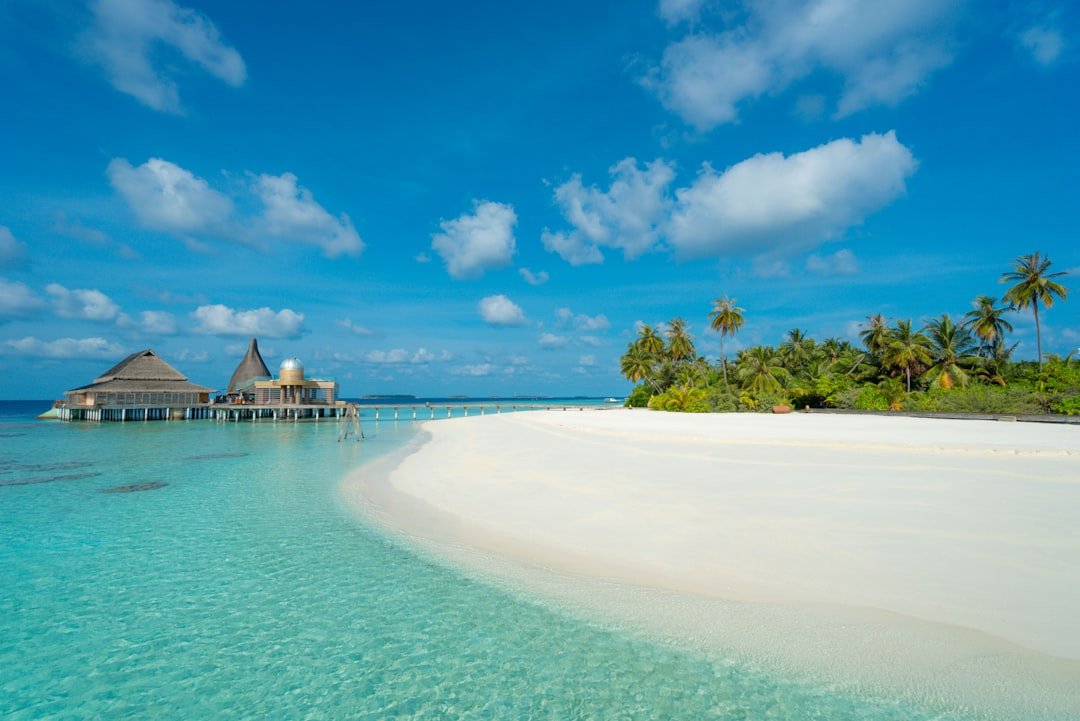
How the Maldives Works
The Maldives consists of 26 natural atolls divided into administrative regions. Most international flights arrive at Velana International Airport on Hulhule Island, adjacent to Malé. From there, guests reach their resort by speedboat (for resorts within 45 minutes of the capital) or seaplane (for resorts in more distant atolls — a spectacular 20 to 45 minute flight over the Indian Ocean that is an experience in itself). Seaplane transfers only operate in daylight, which affects arrival and departure scheduling. Budget transfers into account when planning: they add significant cost to mid-range resorts.
Each resort occupies its own island. This means your choice of resort is your choice of destination — you cannot easily visit other resorts or local islands during your stay without planning. Choose accordingly: pick a resort that offers everything you want, because leaving it requires planning a boat or seaplane.
What to Do in the Maldives
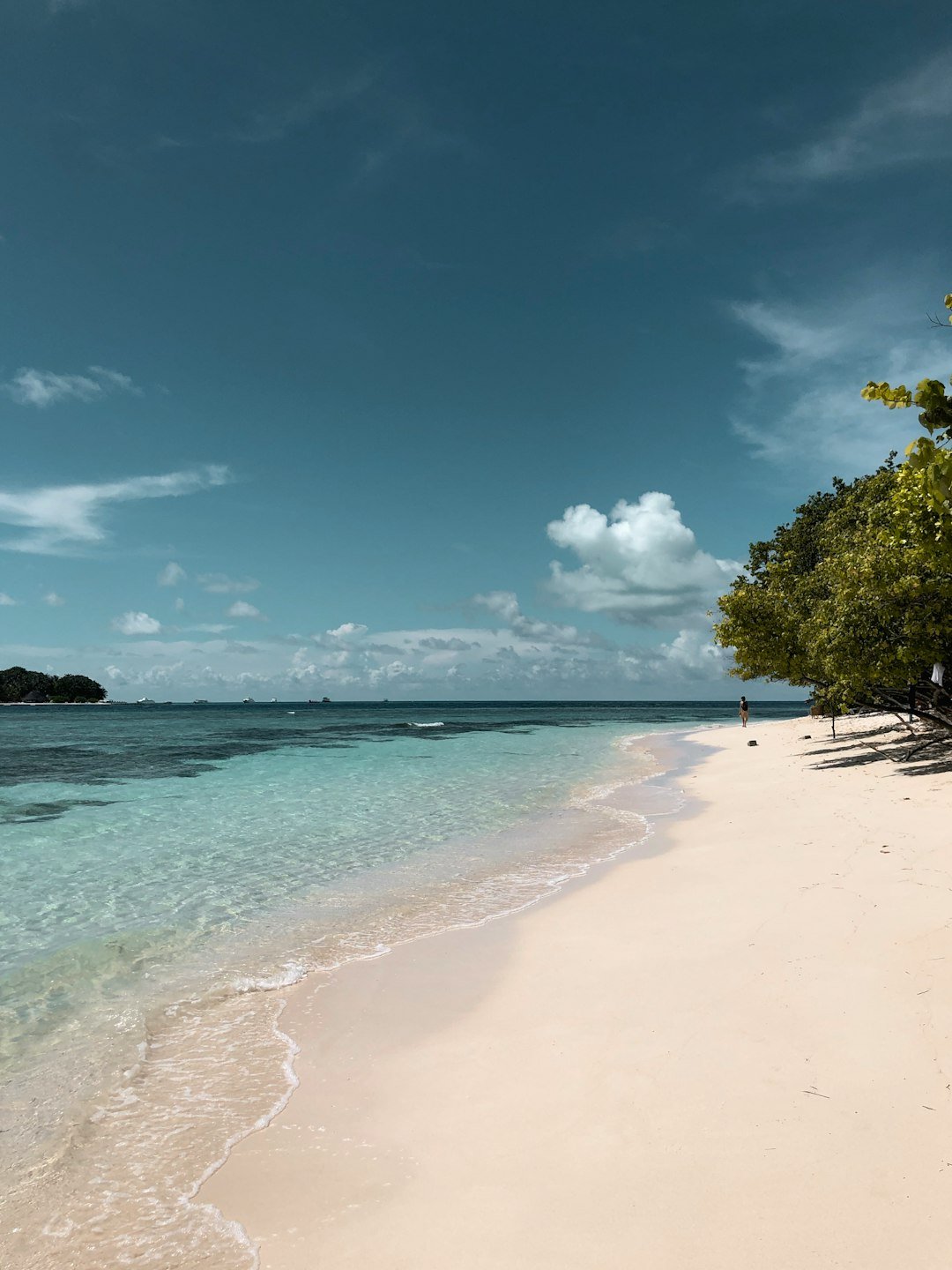
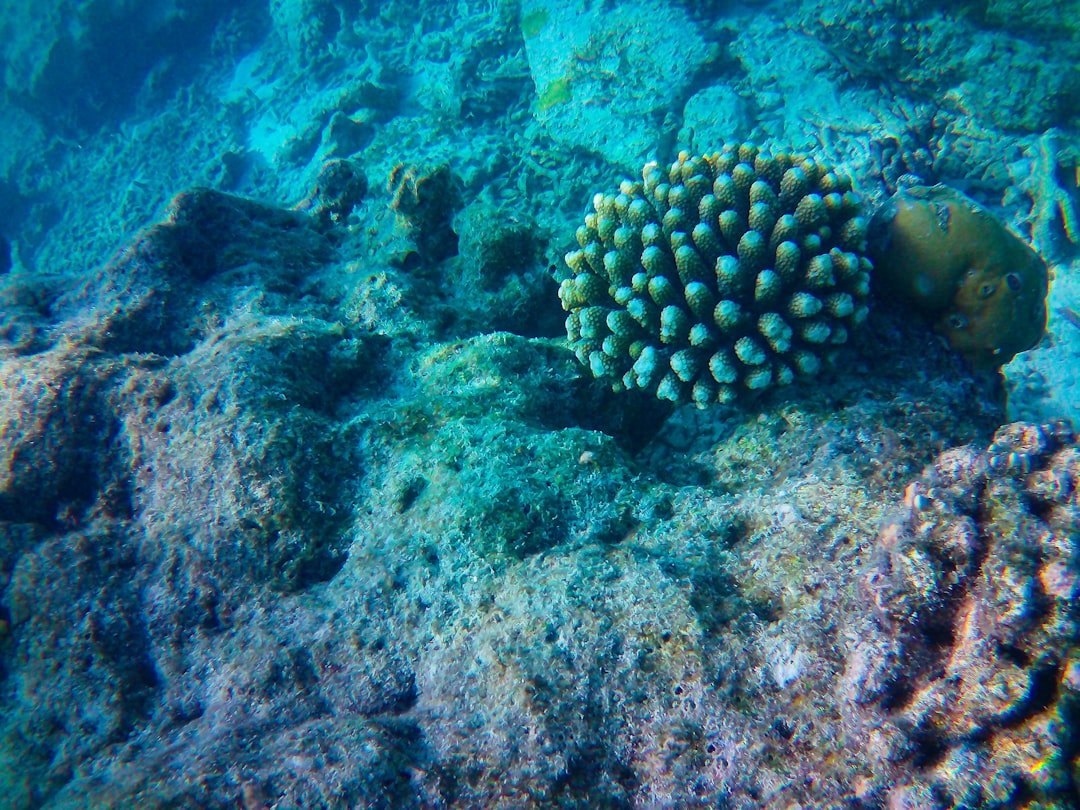
The Maldives is not a destination for culture, history, or cuisine diversity — it is a destination for the Indian Ocean. Snorkelling and diving are the core activities: the house reefs attached to most resorts host manta rays, reef sharks, sea turtles, and extraordinary coral at depths accessible without specialist equipment. Whale shark encounters are possible year-round in South Ari Atoll. Night diving reveals bioluminescent plankton that makes the water glow blue in the dark. Above water, the beaches, sunsets, and overwater hammock time are the point.
Best Time to Visit
The dry season (November to April) offers the best weather — lower humidity, calmer seas, and more predictable sunshine. Peak season (December to March) sees the highest prices and best conditions simultaneously. The wet season (May to October) brings more rain and rougher seas but significantly lower prices, green vegetation, and better diving visibility in some atolls. May to October is also manta ray season in the Baa Atoll, which is a significant draw for divers.
Making It Affordable
The Maldives has a reputation as exclusively expensive, but the range is wider than most travellers realize. Guesthouses on local islands (particularly Maafushi, Dhigurah, and Fulidhoo) offer double rooms from $80 to $150 per night — a fraction of resort prices — with access to the same ocean. The trade-off is that local islands require modest dress codes in public areas, alcohol is only available at resort bars (not on local islands), and the beach experience is more limited. For travellers whose priority is the underwater world rather than the overwater villa aesthetic, local islands represent extraordinary value.