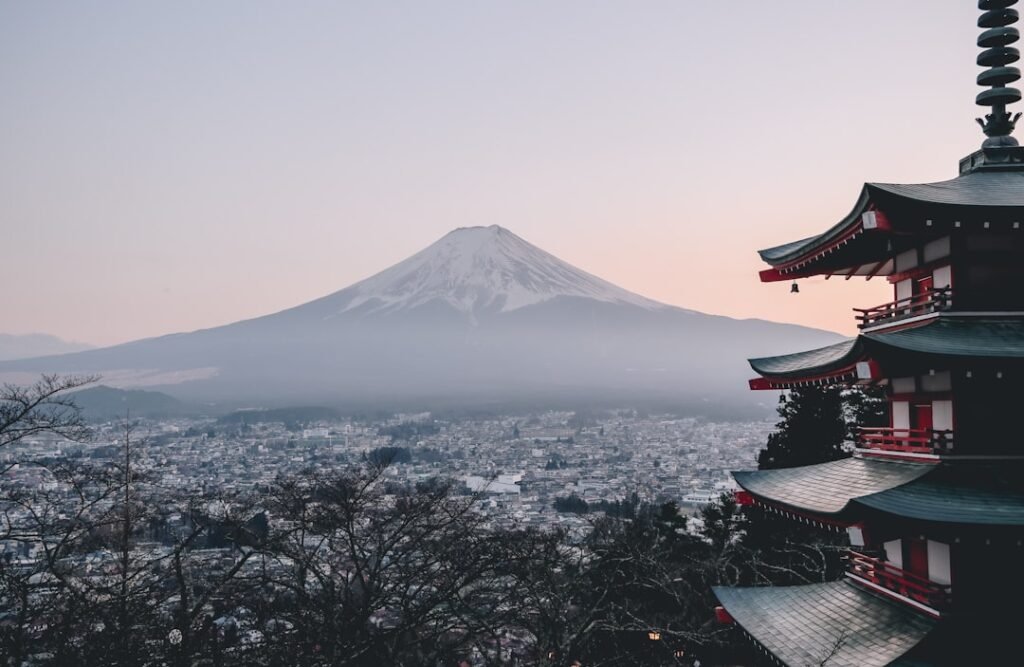
Japan rewards first-time visitors more consistently than almost any other destination in the world. The combination of extraordinary food, impeccable service, transport infrastructure that makes every other country’s look amateurish, cultural depth that takes years to fully appreciate, and visual environments ranging from ancient temples to hypermodern cities produces a travel experience that almost universally exceeds expectations — even for visitors who arrived with high ones.
The challenge is deciding what to prioritize in a country where every region has a compelling claim on your time.
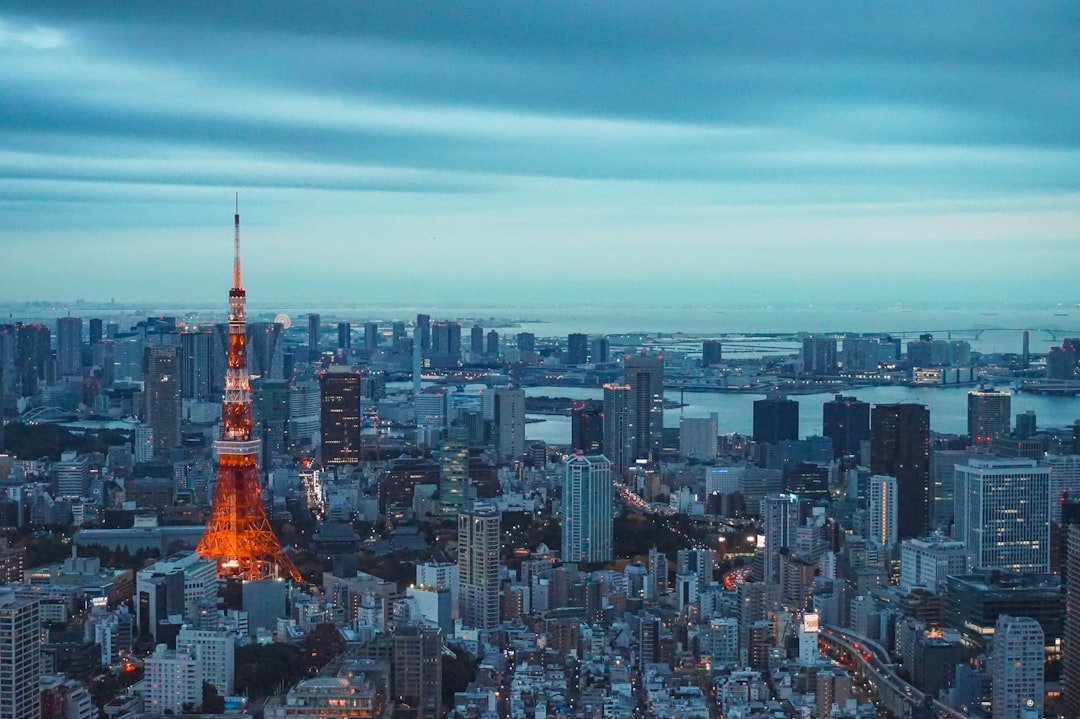
Tokyo
Tokyo is the largest city on earth and the best city on earth for food — with more Michelin-starred restaurants than Paris, more ramen shops than you could visit in a lifetime, and a street food culture from conveyor-belt sushi to yakitori alleys that operates at a level of quality that has no parallel elsewhere. The city’s neighborhoods each have a distinct character: Shibuya for the famous crossing and youth fashion, Shinjuku for izakayas and the neon labyrinth of Kabukicho, Asakusa for the Senso-ji temple and the most traditional-feeling corner of Tokyo, Akihabara for electronics and anime culture, Yanaka for the old wooden streets that survived wartime bombing.
Allow at least four or five days. Tokyo is not a city that reveals itself quickly, and the first-time visitor who spends too little time here almost always regrets it.
Kyoto
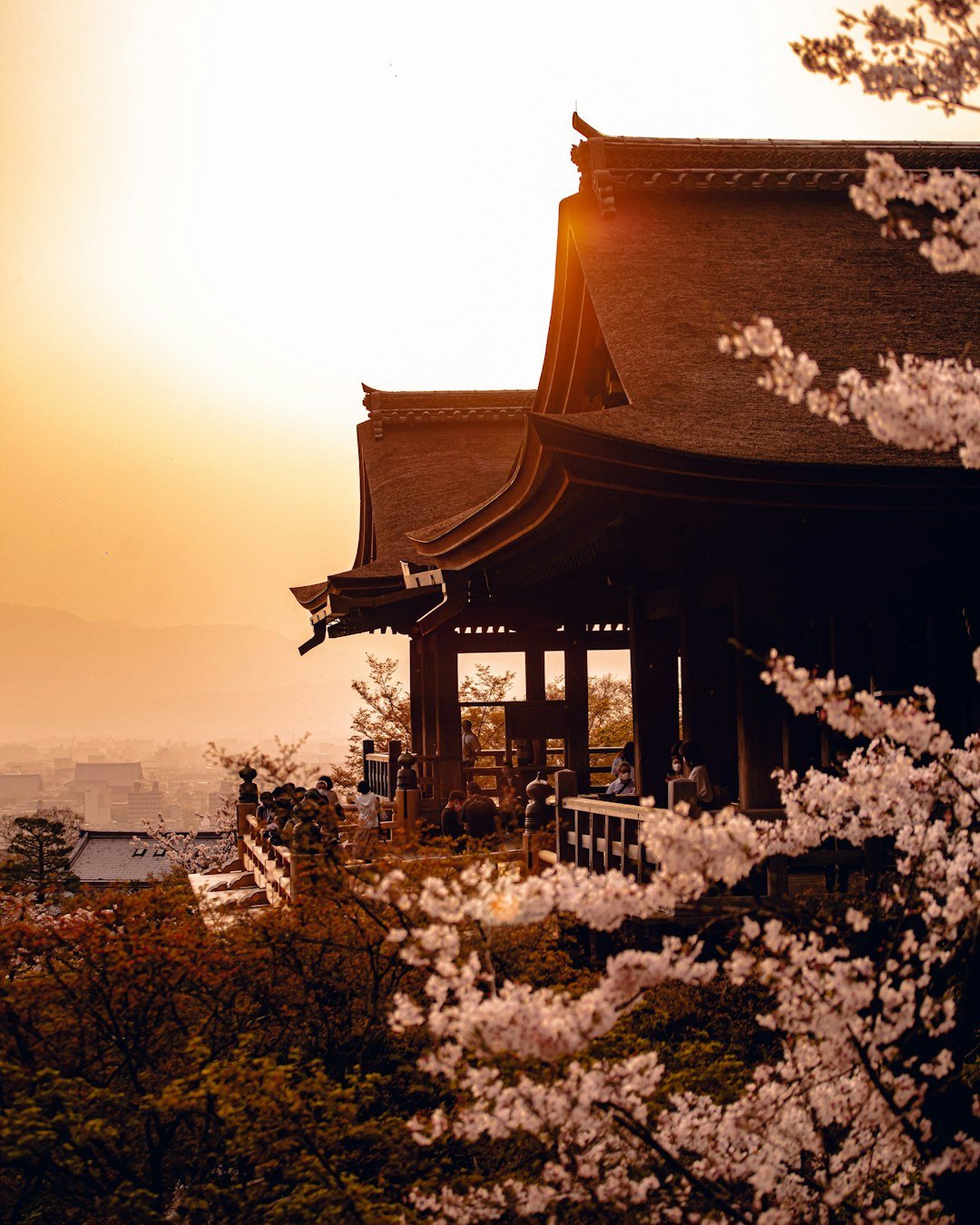
Kyoto was Japan’s imperial capital for over a thousand years and remains its cultural heart. The city has 17 UNESCO World Heritage Sites — more than most countries — including Kinkaku-ji (the Golden Pavilion), Fushimi Inari with its thousands of torii gates climbing the mountain, the bamboo groves of Arashiyama, and the preserved geisha district of Gion. A traditional ryokan stay with kaiseki dinner and private onsen is the quintessential Kyoto experience.
Cherry blossom season (late March to early April) and autumn foliage (mid-November) are the most beautiful times to visit and the most crowded. Book accommodation a year in advance for these periods. Outside peak season, Kyoto is more navigable and equally extraordinary.
Osaka
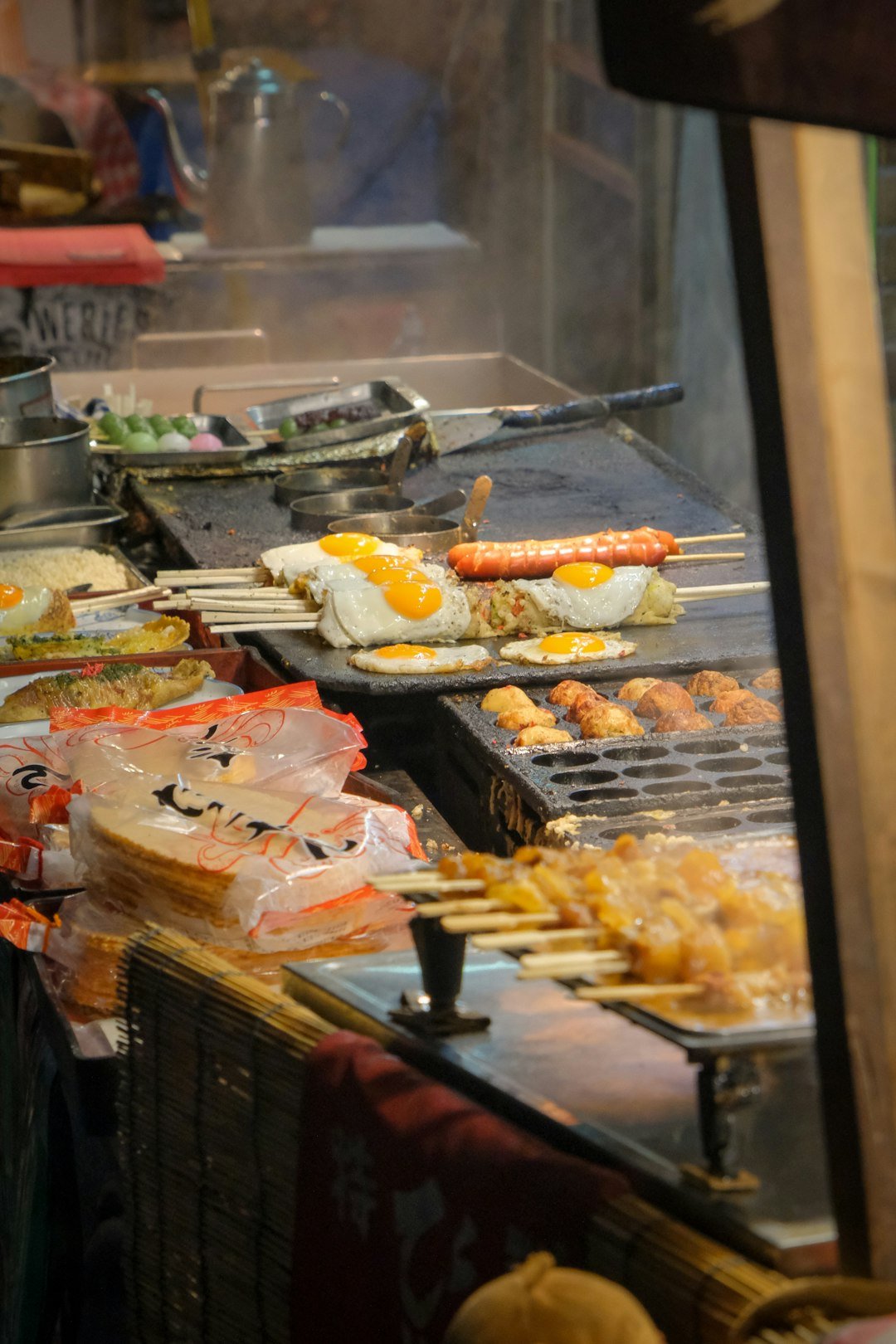
Osaka has a completely different energy from Kyoto — louder, more irreverent, and with a food culture so extreme that the city has its own phrase for it: kuidaore, “eat until you drop.” The Dotonbori canal district at night, with its enormous illuminated signs and street food stalls selling takoyaki (octopus balls) and okonomiyaki (savory pancakes), is one of Japan’s most vibrant urban experiences. Osaka Castle provides the history counterpoint. Universal Studios Japan, with its Super Nintendo World, is one of the world’s best theme park experiences for any age.
Hiroshima and Miyajima
Hiroshima is an essential stop — the Peace Memorial Museum is one of the most important historical experiences available to a traveller anywhere in the world, and the city itself has rebuilt into one of Japan’s most pleasant mid-sized cities. The short ferry ride to Miyajima Island, with its famous floating torii gate and free-roaming deer, adds one of Japan’s most photographed images to the day.
Mount Fuji and the Japanese Alps
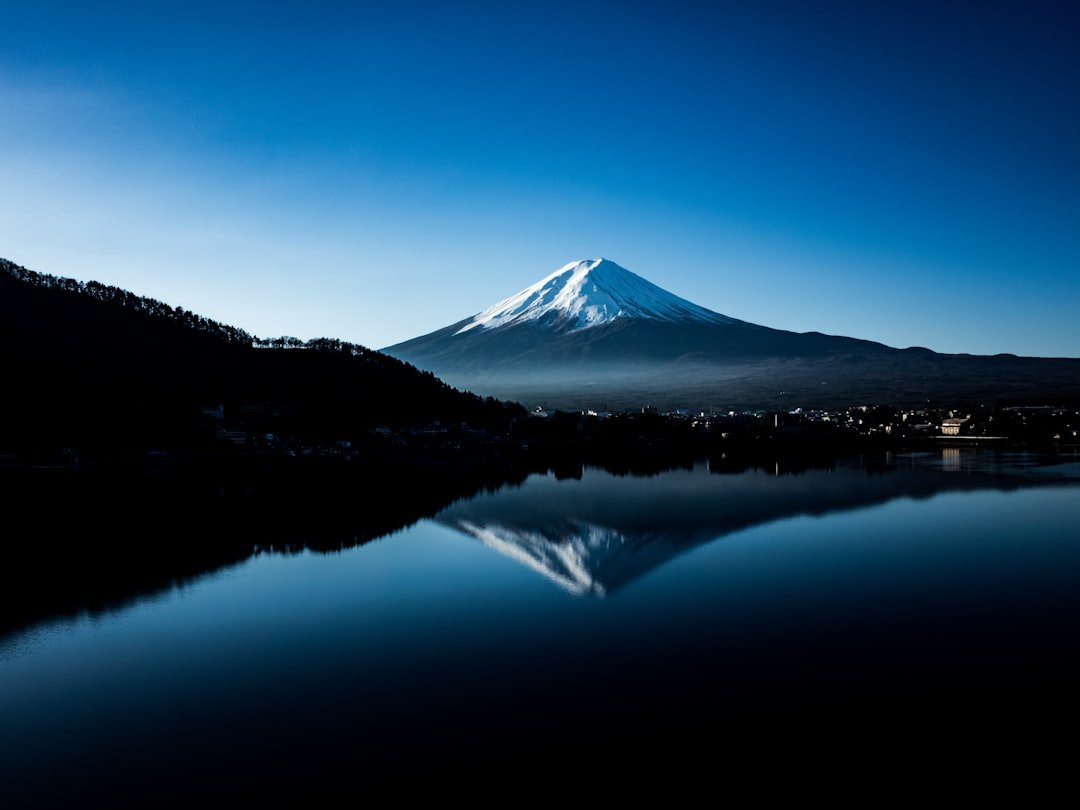
Mount Fuji (3,776 metres) is climbable by fit non-climbers between July and early September — the official climbing season. The ascent takes six to eight hours; most climbers start at night to reach the summit for sunrise. Outside climbing season, the views of Fuji from Hakone or the Fuji Five Lakes area are the iconic image of Japan that most first-timers have in mind before arrival.
The Japanese Alps — specifically the Kamikochi valley and the historic post towns of Magome and Tsumago on the Nakasendo trail — offer some of the most beautiful hiking in Asia with remarkably few foreign visitors relative to the coastal cities.
Japan Practical Tips for First-Time Visitors
Japan Rail Pass: For itineraries covering multiple cities, the JR Pass offers unlimited travel on most Shinkansen (bullet train) routes and pays for itself quickly. Buy it before you arrive — it is not available in Japan. A 14-day pass covers Tokyo-Kyoto-Osaka-Hiroshima with room for significant detours.
Cash: Japan remains significantly more cash-dependent than most developed countries. Carry yen — 7-Eleven and Japan Post ATMs accept foreign cards reliably when others may not.
Best time to visit: Spring (March to May) and autumn (October to November) offer the best weather and the most dramatic scenery. Summer is hot and humid but festival season is exceptional. Winter is cold but uncrowded, and the skiing in Hokkaido is world-class.