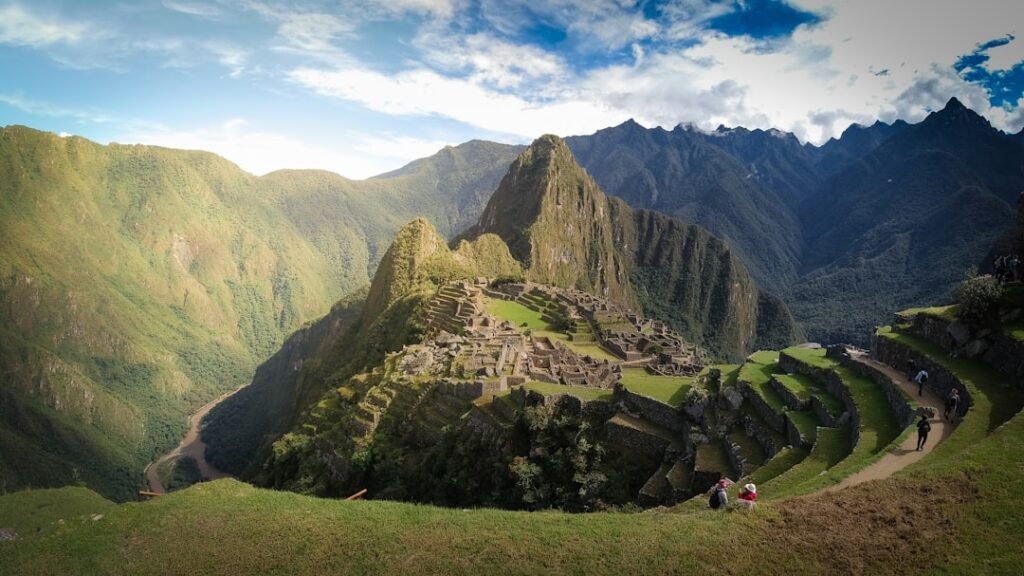
Peru is South America’s most historically extraordinary country — the heartland of the Inca Empire, home to the most visited archaeological site in the western hemisphere, and possessing a geographic diversity (Pacific coast desert, Andean highlands, Amazon rainforest) that produces one of the world’s most varied travel itineraries in a single country. These are its 15 most interesting places.
1. Machu Picchu
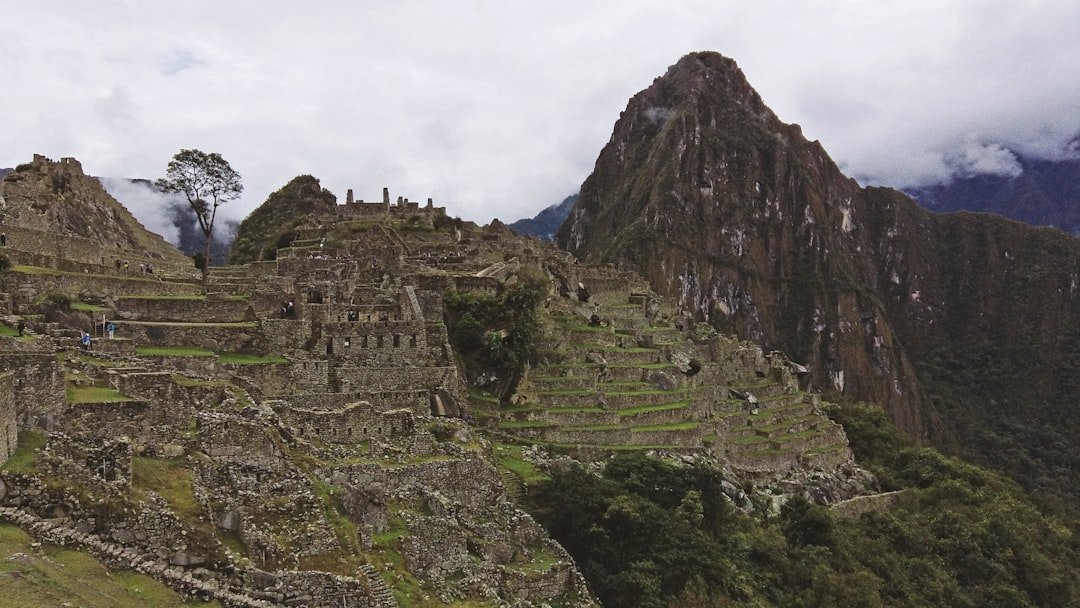
Machu Picchu — a 15th-century Inca citadel built at 2,430 metres on a ridge between two mountain peaks, above the Sacred Valley of the Urubamba River — is one of the world’s greatest archaeological sites. The combination of extraordinary Inca engineering (terraces, temples, and residential quarters fitted together without mortar from precisely cut stone) and the dramatic mountain landscape surrounding it produces an experience that consistently exceeds the imagination of visitors who have spent years anticipating it. Book entry tickets at least three months in advance; the site is limited to timed entry slots of 2,500 people per time period.
2. Cusco
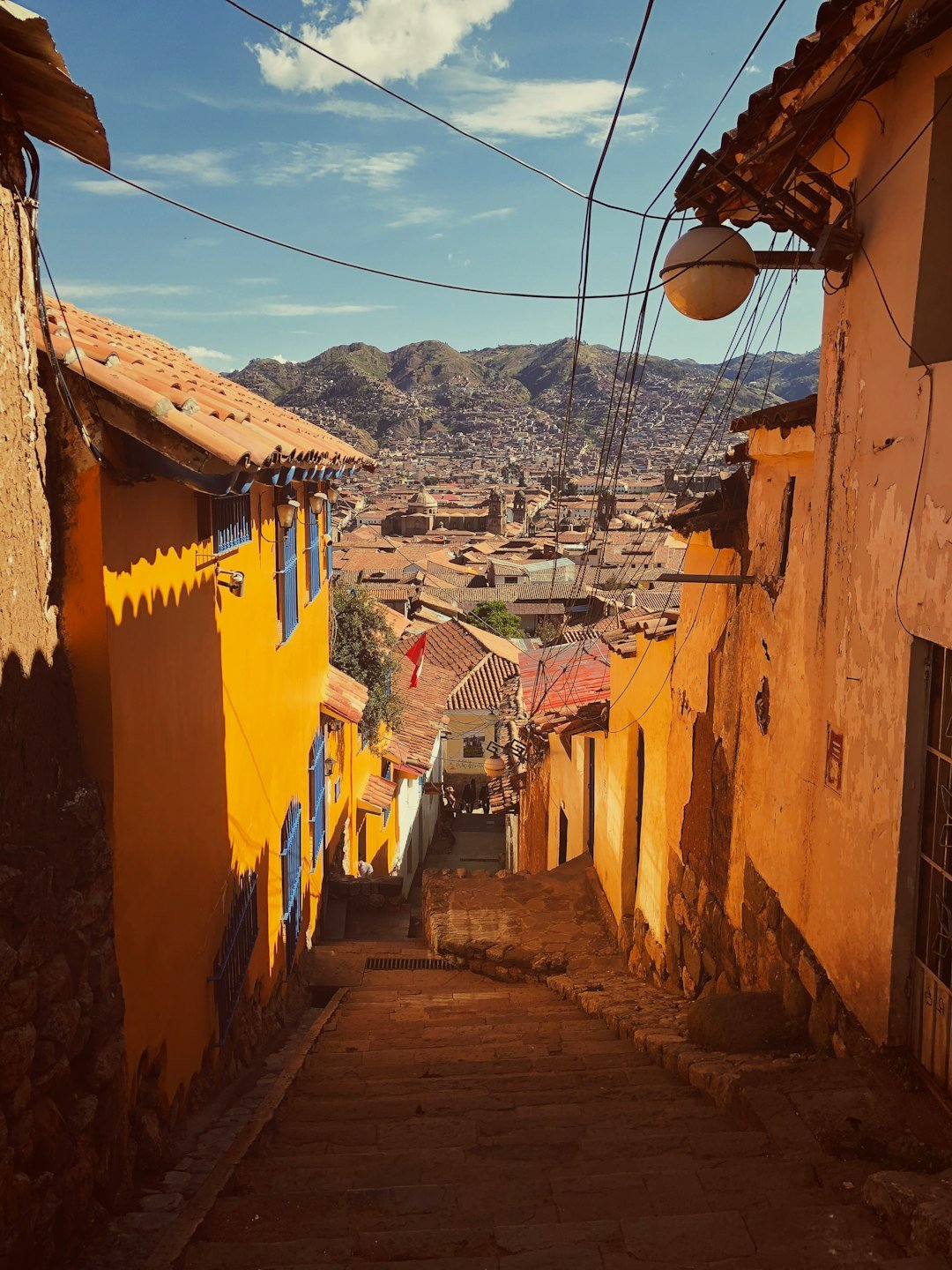
Cusco — the former capital of the Inca Empire, at 3,400 metres altitude — is the archaeological heart of Peru and one of South America’s finest cities. The Spanish rebuilt the city over Inca foundations after the conquest of 1533, and the result is a unique urban landscape where Inca stonework (the curved walls of the Coricancha temple, the precisely fitted polygonal masonry of Hatunrumiyoc street) forms the base of colonial Spanish churches and mansions. The Plaza de Armas, the Cathedral (which took a century to build and contains works by the Cusco School of painting), and the San Pedro market are the primary sights in the city itself.
3. The Sacred Valley
The Sacred Valley of the Incas — the Urubamba River valley between Cusco and Machu Picchu — contains a concentration of Inca archaeological sites unmatched outside Cusco itself. Pisac (a Sunday market of extraordinary colour and scale, plus terraced ruins above the town), Ollantaytambo (the finest surviving example of Inca military and urban planning, with a functioning Inca water system still flowing through the streets), and Moray (circular terraced depressions believed to be Inca agricultural research stations) are the principal stops.
4-15. The Complete Peru
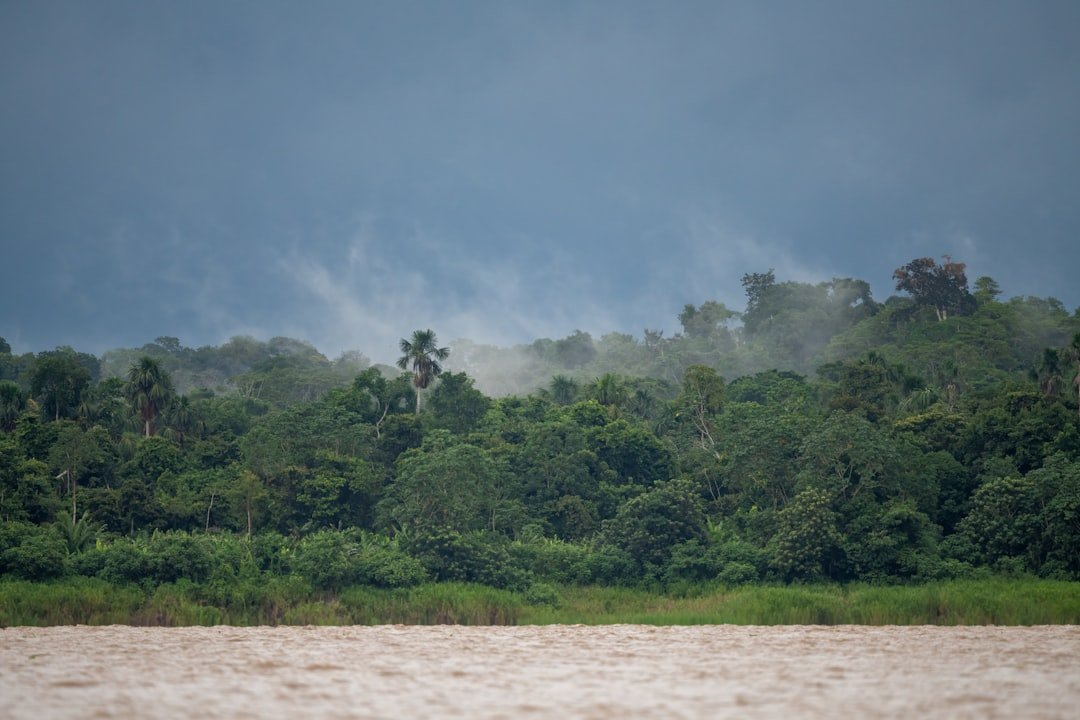
Lima (Peru’s capital and South America’s best food city — Central, Maido, and Astrid y Gastón consistently rank among the world’s finest restaurants; the Larco Museum has the finest pre-Columbian collection in Peru). The Inca Trail (the 4-day, 43km trek to Machu Picchu through cloud forest, Inca ruins, and mountain passes — permits sell out 6 months in advance). Huayna Picchu and Machu Picchu Mountain (the two peaks above the citadel — strictly limited permits, booking essential months ahead). Lake Titicaca (the world’s highest navigable lake at 3,812 metres — the floating reed islands of the Uros people and the Taquile Island weaving tradition). The Colca Canyon (one of the world’s deepest canyons, near Arequipa — condor watching from the Cruz del Condor viewpoint is among the most reliable wildlife experiences in Peru). Arequipa (the White City, built from sillar volcanic rock — the Santa Catalina Monastery, a 16th-century city within a city). The Nazca Lines (geoglyphs etched into the coastal desert, visible only from the air — giant spiders, hummingbirds, and geometric lines whose purpose remains debated). Chan Chan (the largest pre-Columbian city in South America — the adobe capital of the Chimu Empire, north of Trujillo, a UNESCO World Heritage Site). Mancora (Peru’s best beach — warm Pacific water, year-round surf, and the best seafood on the north coast). Chachapoyas and Kuélap (the circular fortress of the cloud people — a pre-Inca citadel in the northern highlands more dramatically sited than Machu Picchu and almost entirely without tourists). Puerto Maldonado and Madre de Dios (the gateway to the Peruvian Amazon — accessible jungle lodges for macaw clay licks, giant otters, and anaconda sightings).