Portugal Lisbon travel scenic

15 Most Interesting Places in Portugal (2026 Travel Guide)

in

Portugal

Portugal spent decades as Europe’s best-kept secret — a country at the southwestern edge of the continent where the food was extraordinary, the wine was exceptional, the people were warm, and the prices were a fraction of neighboring Spain. Then the world discovered it, and Lisbon and Porto became two of the most visited cities in Europe.

But Portugal’s secret is still largely intact. Outside those two cities, the country remains one of the most rewarding destinations in Europe: ancient walled towns in the Alentejo, the most dramatic Atlantic surf coastline in the world, vineyards in the Douro Valley that look like a Renaissance painting, and the Azores — nine volcanic islands in the middle of the Atlantic that represent a completely different Portugal entirely.

These are the most interesting places in Portugal for travelers who want more than a pastel de nata and a tuk-tuk tour.

Iconic Portugal Landmarks Every Visitor Must Experience

1. Lisbon – The City Built on Seven Hills

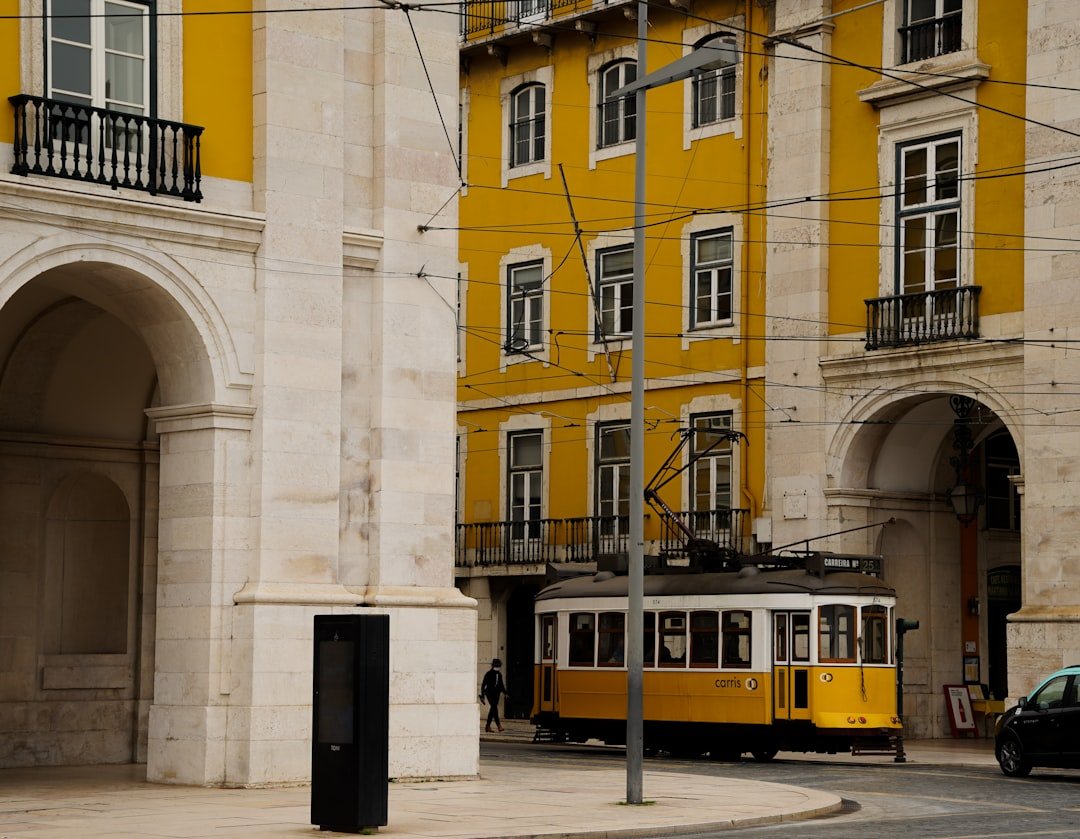
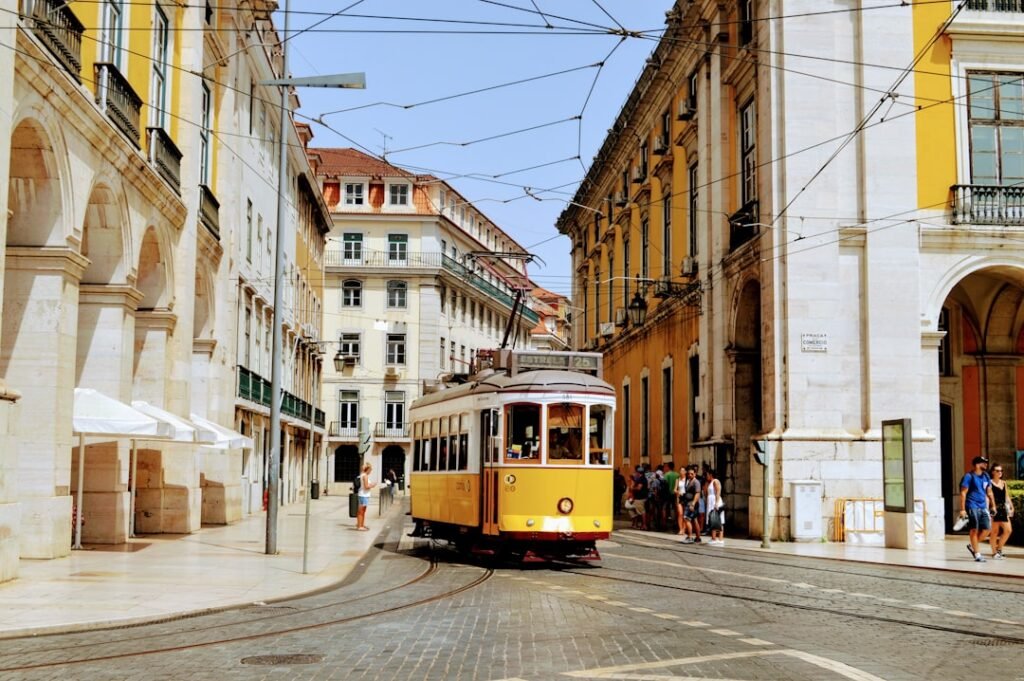
Lisbon is one of Europe’s finest capitals — a city of yellow trams climbing impossibly steep streets, miradouros (viewpoints) with terracotta rooftop panoramas, ancient Moorish quarter of the Alfama alive with Fado music at night, and the Belem waterfront where the Age of Discovery set sail. The Jerónimos Monastery and the Tower of Belem are UNESCO monuments; the National Tile Museum (Museu Nacional do Azulejo) holds the finest collection of Portuguese azulejo tilework in the world.

Practical tip: Lisbon is best explored on foot and by tram. The historic tram 28 traverses the steepest and most beautiful sections of the Alfama and Estrela neighborhoods. Avoid it at rush hour if possible.

Book now: Lisbon Alfama and Fado evening guided tour via GetYourGuide

2. Porto and the Douro Valley – Port Wine and River Gold

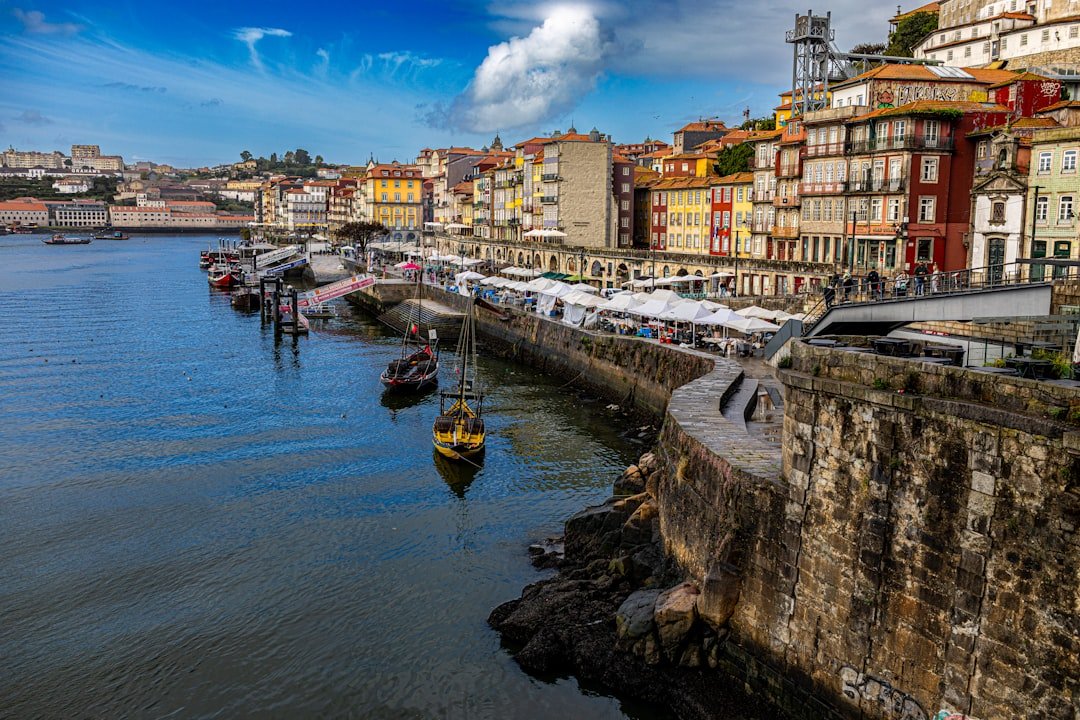
Porto, Portugal’s second city on the Atlantic mouth of the Douro River, is one of the most beautiful cities in Europe — its ribeira (riverfront) of stacked colored houses reflected in the Douro, the iron bridge designed by a student of Gustave Eiffel, and the port wine lodges of Vila Nova de Gaia directly across the river. The Douro Valley wine region upstream, where terraced vineyards on schist slopes produce the finest port and increasingly remarkable still wines, is a UNESCO landscape of extraordinary beauty.

Practical tip: The Douro Valley is best explored by renting a car for two days from Porto. The train journey from Porto to Pocinho along the valley is one of the finest rail trips in Europe.

Book now: Porto and Douro Valley wine tour via Viator

3. Sintra – Fairy-Tale Palaces in the Mountains

The UNESCO-listed cultural landscape of Sintra, 30 minutes from Lisbon by train, contains more royal palaces per square kilometer than any other place in Europe — the Pena Palace (a riot of Romanticist architecture in yellow and red on a mountain peak), the Quinta da Regaleira (with its initiation well spiraling 27 meters underground), the Moorish Castle ruins, and the National Palace in the town center. Lord Byron called Sintra “a glorious Eden.”

Practical tip: Book Pena Palace tickets in advance — it sells out daily. Arrive in Sintra by 9 AM before tour buses from Lisbon. The tuk-tuk between palaces is expensive; the walking paths through the forest are free and beautiful.

Book now: Sintra palaces day trip from Lisbon via GetYourGuide


Lesser-Known Portugal Attractions Worth Every Detour

4. Alentejo – Portugal’s Bread Basket and Soul

The vast rolling plains of the Alentejo region between Lisbon and the Spanish border are Portugal at its most essential: cork oak forests, olive groves, sunflower fields, ancient walled towns on hilltops, and megalithic standing stones (the Cromlech of Almendres, older than Stonehenge) scattered through the landscape. The town of Evora, with its Roman temple, medieval cathedral, and the extraordinary Chapel of Bones (walls lined with the skulls and femurs of 5,000 monks), is the finest town in the Alentejo.

Alentejo wine — particularly the reds from around Reguengos de Monsaraz — is Portugal’s most exciting wine region outside the Douro.

5. The Algarve Coastline – Europe’s Most Dramatic Sea Cliffs

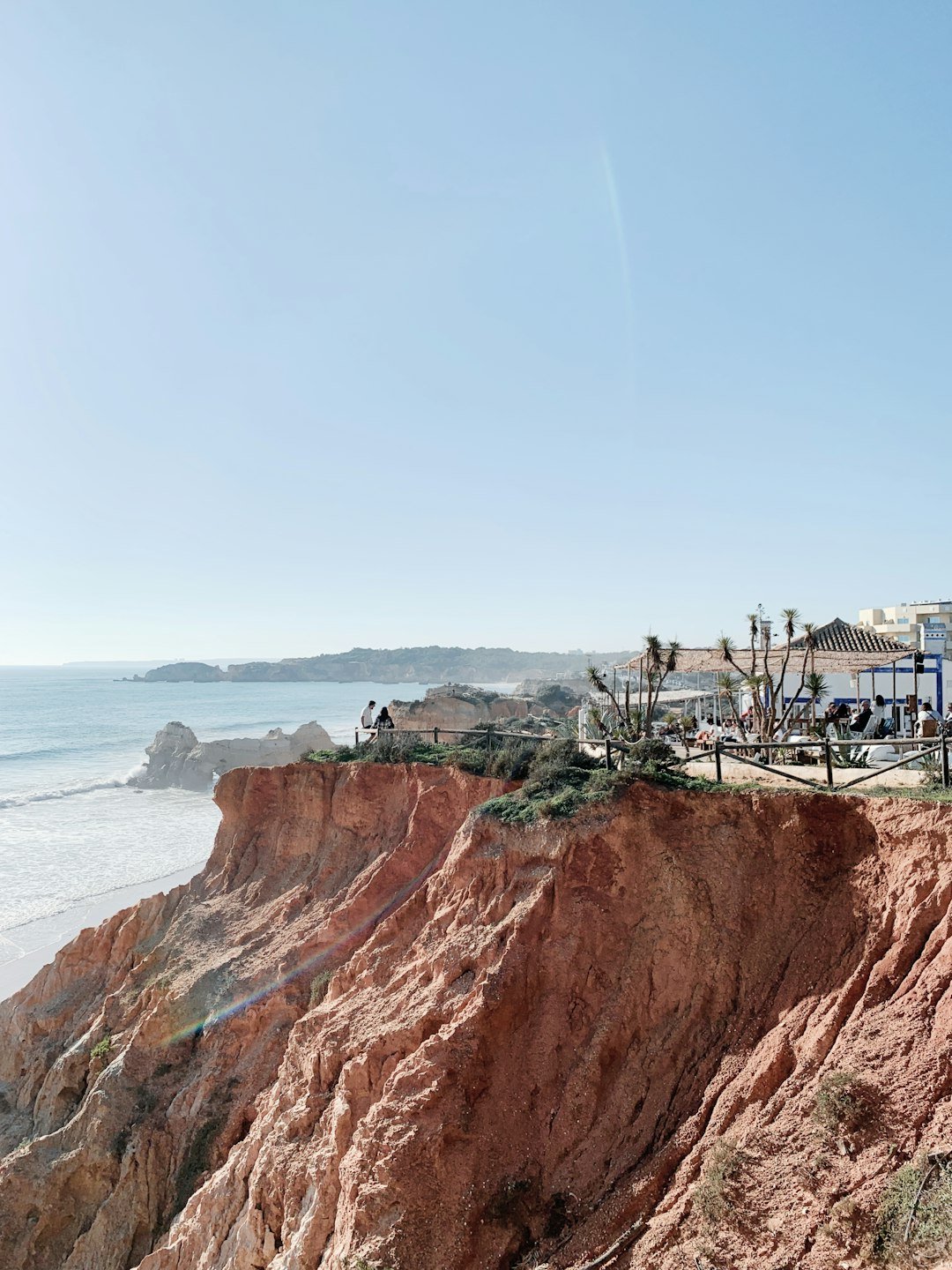
While the Algarve beach resorts are well known, the western Algarve coastline from Sagres to Odeceixe is one of the most dramatic in Europe — ochre and red sea stacks, natural arches, caves accessible only by kayak, and beaches framed by cliffs that glow copper at sunset. The Ponta da Piedade sea stacks near Lagos are the finest coastal rock formations in Portugal.

Practical tip: The western Algarve (Lagos westward) is far less developed than the eastern resort coast. Rent a car and follow the coastal road between Sagres and Odeceixe for some of Europe’s finest coastal driving.

Book now: Algarve sea caves and kayaking tour via GetYourGuide

6. The Azores – Nine Volcanic Islands in the Atlantic

The Azores archipelago, 1,500 kilometers west of Lisbon in the middle of the Atlantic, is one of the most extraordinary natural environments in Europe — volcanic crater lakes, hydrothermal calderas, whale watching among the finest in the world, dramatic basalt coastlines, and a lush green landscape that looks more like New Zealand than mainland Portugal.

Sao Miguel island is the most accessible and varied; Flores in the western group is the most spectacular and remote. The Azores are increasingly popular but still uncrowded compared to mainland Portuguese destinations.

Book now: Azores São Miguel island whale watching tour via Viator

7. Obidos – The Most Beautiful Medieval Town in Portugal

The walled medieval town of Obidos north of Lisbon is completely enclosed within intact 12th-century walls that visitors can walk along the full circuit. Inside, whitewashed houses with yellow and blue painted trims line cobblestone streets leading to a 12th-century castle. The town’s famous Ginja (cherry liqueur) is served in chocolate cups. Obidos is genuinely one of the most beautiful small towns in Europe.

Practical tip: Obidos is a day trip from Lisbon (1 hour by bus) or an overnight for the full experience after the day-trippers leave.


Hidden Gems in Portugal Only Slow Travelers Find

8. Monsanto – The Village Built Among Boulders

The hilltop village of Monsanto in eastern Portugal is built so completely into the granite boulders of the hilltop that houses use the rocks as walls and roofs — the distinction between building and geology has disappeared completely over centuries. It was voted “the most Portuguese village in Portugal” in 1938 and remains one of the strangest and most photogenic places in the country.

9. Comporta – Portugal’s Undiscovered Coastal Village

The small village of Comporta south of Lisbon on the Alentejo coast has become Portugal’s most fashionable summer destination in recent years — a low-key village of rice paddies, pine forests, pristine Atlantic beaches, and excellent seafood restaurants that attract Lisbon’s creative community while remaining largely unknown internationally.

The 30-kilometer beach south of Comporta is one of the longest undeveloped Atlantic beaches in Europe.

10. Peneda-Geres National Park – Portugal’s Wild North

Portugal’s only national park, in the far northwest bordering Galicia, contains granite mountains, oak forests, ancient Roman roads, Iberian wolf territory, and waterfalls that cascade into clear river pools. The villages within the park — Soajo with its communal espigueiros (granite grain stores on stilts), and Lindoso with its castle and 50 espigueiros on the hillside — are unlike anything elsewhere in Portugal.

11. Guimaraes – Where Portugal Was Born

The medieval town of Guimaraes in northern Portugal claims the title of birthplace of Portugal — it was the capital of the County of Portugal in the 12th century and the birthplace of the first Portuguese king, Afonso Henriques. Its UNESCO-listed historic center, centered on the Largo da Oliveira square and the medieval castle, is one of the best-preserved in the country and almost entirely untouched by mass tourism.

12. Nazare – Giant Waves and Ancient Fishing Culture

The beach town of Nazare on the Silver Coast has two identities: an ancient fishing community where elderly women still wear traditional seven-petticoat skirts, and the home of the world’s biggest rideable waves. In winter, swells generated by the Nazare Canyon submarine valley produce waves exceeding 30 meters — the largest ever surfed. The Forte de Sao Miguel Arcanjo above the town provides the finest viewing point for the big wave season.

Practical tip: Big wave season is October to March. The Praia do Norte viewpoint above the beach is free and safe for spectators.

13. Tavira – The Most Beautiful Town in the Eastern Algarve

The small town of Tavira on the eastern Algarve coast has preserved its Moorish and Roman heritage more completely than any other Algarve town — a 7-arch Roman bridge, a Moorish castle, and 37 churches within a compact old town of tile-roofed mansions and narrow streets. The offshore Ilha de Tavira, a barrier island beach accessible by ferry, is the finest beach in the eastern Algarve.

14. Mafra National Palace – Portugal’s Escorial

The immense Baroque palace-convent of Mafra, built by King Joao V between 1717 and 1730 with Brazilian gold wealth, contains 1,200 rooms, 29 courtyards, 156 staircases, and one of the finest libraries in the world — 36,000 volumes in a barrel-vaulted Baroque hall decorated with Joanine marble. It inspired Jose Saramago’s novel Baltasar and Blimunda and is a UNESCO World Heritage Site within easy day-trip distance of Lisbon.

15. Madeira – The Floating Garden in the Atlantic

The island of Madeira, 1,000 kilometers southwest of Lisbon, is called the Floating Garden of the Atlantic — a volcanic island of extraordinary vertical drama where levadas (ancient irrigation channels) cut through laurisilva forest (a UNESCO-listed primeval forest unique to Madeira) along cliff faces above the sea. The Pico do Arieiro summit at 1,818 meters, often above the cloud layer, provides sunrise views across the Atlantic that justify an island visit on their own.

Book now: Madeira levada walks and island tour via GetYourGuide


Practical Portugal Travel Tips

Best time to visit Portugal: April to June and September to October are ideal — warm, sunny, and manageable crowds. July and August are peak season — hot, crowded in Lisbon and the Algarve, and expensive. November to March is quiet and cheap, with cooler temperatures but excellent for the Alentejo and Douro Valley.

Getting around: Portugal’s train network connects Lisbon, Porto, Faro, and Coimbra well. For the Alentejo, Algarve coast, and Douro Valley, renting a car is essential. Lisbon has excellent public transport within the city.

Currency: Euro (EUR). ATMs widely available. Portugal is one of the more affordable Western European countries — a full restaurant meal with wine is typically 20-35 euros per person.

Food: Portuguese cuisine centers on fresh Atlantic seafood — bacalhau (salt cod in 365 preparations), sardinhas assadas (grilled sardines), percebes (barnacles), and amêijoas (clams). Pair with vinho verde in the north, Alentejo reds in the interior, and a bica (espresso) everywhere.


Final Thoughts on Interesting Places in Portugal

Portugal rewards the traveler who looks beyond Lisbon and Porto — not because those cities aren’t extraordinary, but because the country that surrounds them is equally extraordinary and far less visited. The Alentejo plain at golden hour, a levada walk in Madeira above the clouds, the crater lakes of São Miguel — these experiences represent Portugal at its most interesting and most honest.

The saudade — that untranslatable Portuguese word for a longing for something beautiful that has passed — makes more sense after you have traveled the country. You feel it yourself, for Portugal, before you have even left.


Exploring Europe? Read our complete guides to Interesting Places in Paris, Interesting Places in Barcelona, and Interesting Places in Rome.

Tags :

Portugal

Share This Post :

Destinations

Recent Posts

Popular Tags

Africa Travel Algarve Asia Travel Bali Attractions Barcelona Barcelona Attractions Beauty Booking Cape Town Europe Travel Greece Greek Islands Guide Hidden Gems Bali Hidden Gems Barcelona Hidden Gems Rome Iceland Italy Kilimanjaro Lisbon Minimalism Nordic North Porto Portugal Attractions Rome Rome Attractions Room Safari Santorini Santorini Attractions Serengeti Sigiriya South Africa South Africa Attractions Spain Sri Lanka Sri Lanka Attractions Sri Lanka Beaches Tanzania Tanzania Safari Thailand Thailand Attractions USA Travel Zanzibar