post thumbnail placeholder

15 Most Interesting Places in Rome, Italy (2026 Travel Guide)

in

Rome

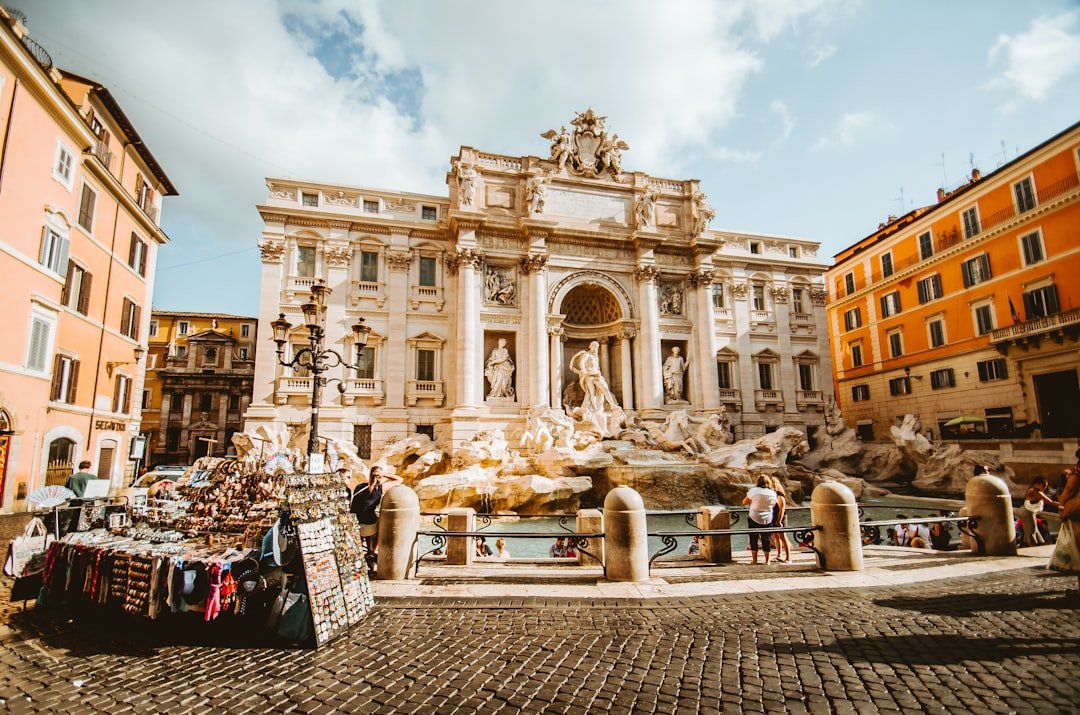
Rome is one of those rare cities where the cliches are all true. The Colosseum really is breathtaking. The Trevi Fountain really does stop you in your tracks. The Pantheon really is better than any photograph you have ever seen of it.

But Rome is also a city of 2,800 years of accumulated history, and the famous landmarks represent only the most visible layer of it. Beneath, around, and in between the tourist circuit lies an endless city of baroque churches containing Caravaggio masterpieces with no queues, ancient streets untouched since the Republic, and neighborhoods so cinematically beautiful they feel like film sets for a film about Rome.

These are the most interesting places in Rome for travelers who want the full picture of the Eternal City.

Iconic Rome Landmarks Every Visitor Must Experience

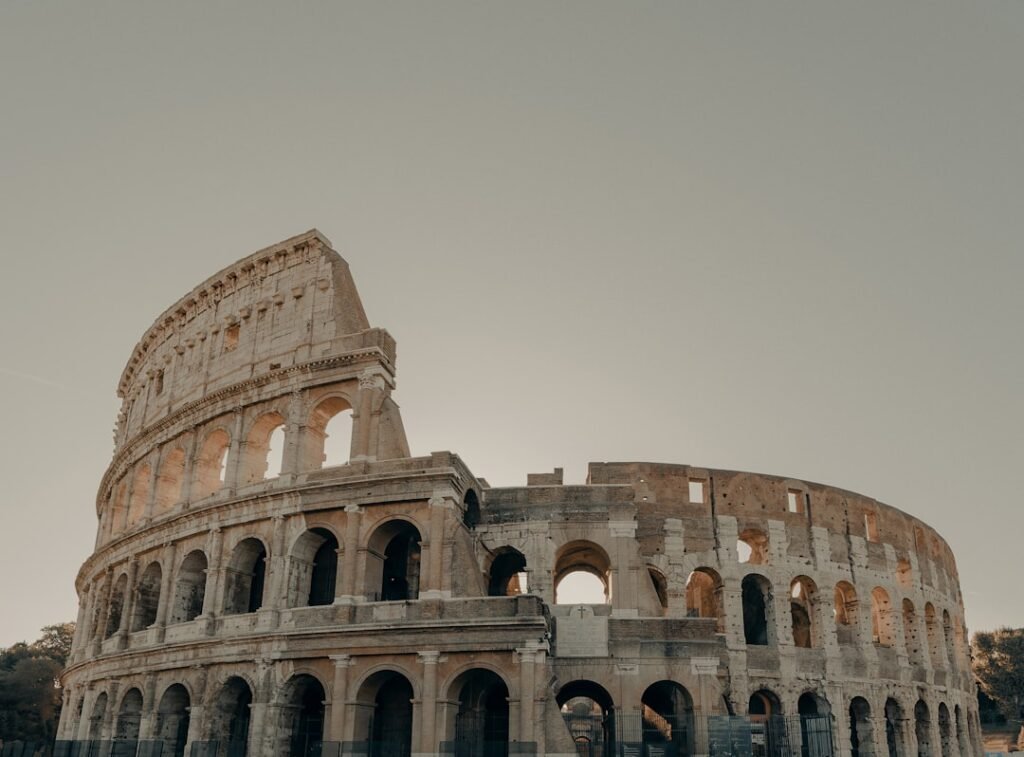
1. The Colosseum – Ancient Rome’s Greatest Stage

The Flavian Amphitheatre, completed in 80 AD, is the largest ancient amphitheatre ever built and one of the most remarkable surviving structures in the world. It held 50,000 spectators for gladiatorial contests, animal hunts, and public spectacles. Standing inside the arena floor — accessible with certain ticket tiers — and looking up at the surviving tiers of arches, the scale of Roman ambition becomes physically comprehensible.

Practical tip: Book the Colosseum + Roman Forum + Palatine Hill combined ticket online at least two weeks in advance. The arena floor and underground hypogeum access requires a separate ticket upgrade — worth every cent.

Book now: Colosseum with arena floor and underground access via GetYourGuide

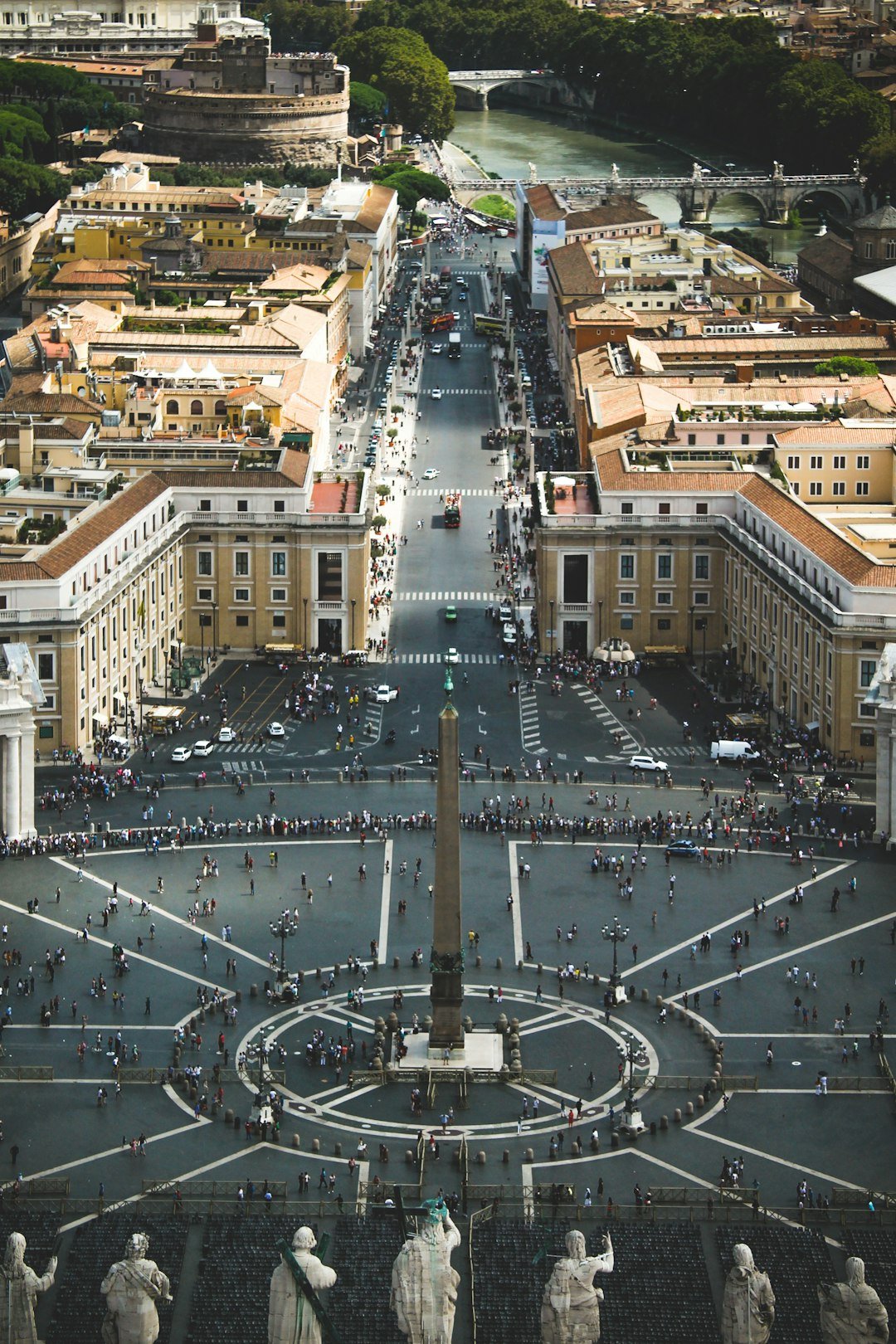
2. The Vatican Museums and Sistine Chapel

The Vatican Museums contain one of the greatest art collections in human history, accumulated over 500 years of papal patronage. The Sistine Chapel ceiling — Michelangelo’s nine scenes from Genesis painted between 1508 and 1512 — is one of the supreme achievements of human creativity. The Gallery of Maps, the Raphael Rooms, and the ancient sculpture collection in the Pio-Clementino Museum could each occupy a full day.

Practical tip: Book the first entry slot of the day (8 AM) to reach the Sistine Chapel before the crowds build. The chapel is usually tolerable before 10 AM and overwhelming after noon.

Book now: Vatican Museums and Sistine Chapel early access tour via Viator

3. The Pantheon – The Best-Preserved Building in the Ancient World

Built by Emperor Hadrian around 125 AD, the Pantheon has been in continuous use for nearly 2,000 years — first as a Roman temple, then as a Christian church, now as a monument open to visitors. Its dome, with the open oculus at the top, remains the largest unreinforced concrete dome ever built, and its proportions are so perfect that architects still study it today.

Stand directly beneath the oculus on a rainy day and watch the single column of rain fall straight down through the center of the dome. It is one of the most interesting places in Rome for that reason alone.

Practical tip: Entry is 5 euros. Go on a weekday morning or in the evening when tour groups thin out. The church of Santa Maria sopra Minerva directly behind the Pantheon contains a Michelangelo sculpture that most visitors walk straight past.


Lesser-Known Rome Attractions Worth Every Detour

4. Borghese Gallery – The World’s Greatest Small Museum

The Casino Borghese in the Villa Borghese gardens holds, in just 20 rooms, what many art historians consider the finest collection of baroque sculpture in existence. Bernini’s Apollo and Daphne, Pluto and Persephone, and David — each carved when the artist was in his early twenties — are the greatest sculptures made since antiquity. Canova’s Pauline Bonaparte as Venus Victrix and six Caravaggio paintings complete a collection of almost unbearable quality.

Entry is strictly limited to 360 visitors every two hours. This is the most important museum booking you will make in Rome.

Practical tip: Tickets sell out weeks in advance. Book the maximum allowed time (two hours) at opening (9 AM). No exceptions to the time limit are made.

Book now: Borghese Gallery reserved entry ticket via GetYourGuide

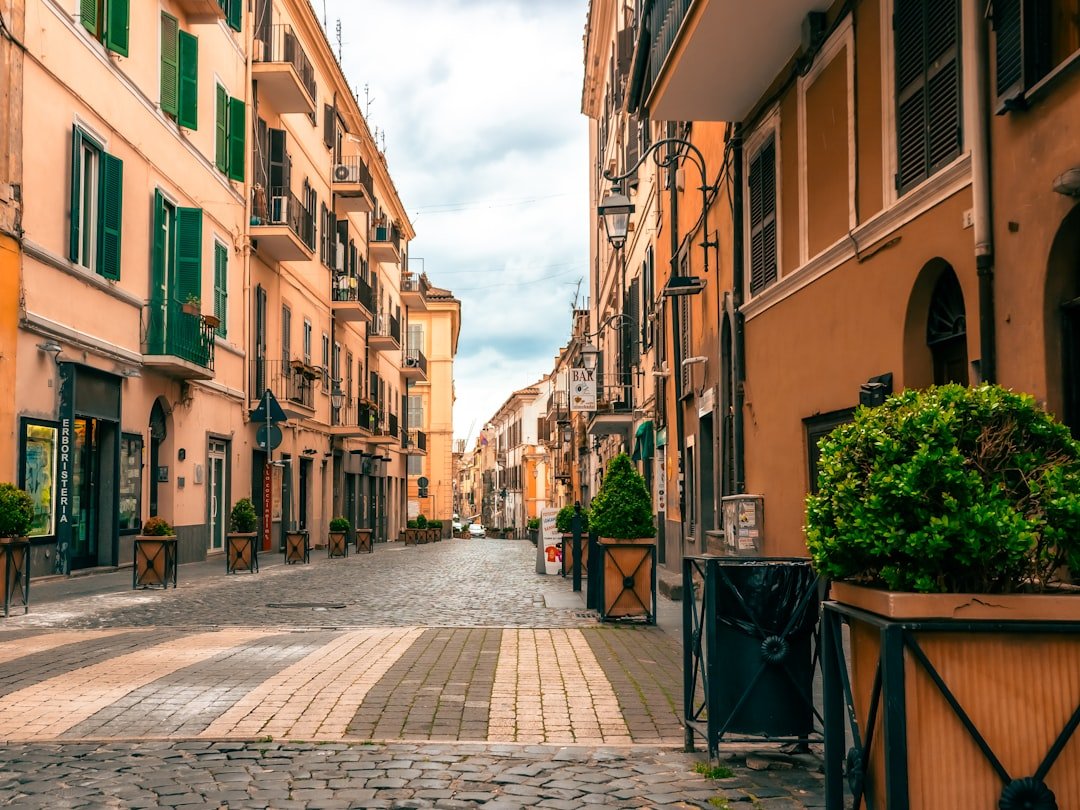
5. Trastevere – Rome’s Most Beautiful Neighborhood

The tangle of golden-lit streets across the Tiber in Trastevere is Rome at its most romantic. Medieval churches, orange trees heavy with fruit, ivy-covered facades, and some of the city’s best traditional restaurants fill this neighborhood that has been continuously inhabited since the first century AD.

The Basilica of Santa Maria in Trastevere is one of the oldest churches in Rome and contains 12th-century Byzantine mosaics that glow like embers in the candlelight. The adjacent piazza, busy with locals at every hour, is the heart of the neighborhood.

6. Piazza Navona and the Churches of Caravaggio – Baroque Rome

Piazza Navona, built over the ruins of Emperor Domitian’s stadium, is one of the most beautifully proportioned public spaces in Europe. Bernini’s Fountain of the Four Rivers dominates the center. The surrounding streets and squares contain some of the greatest baroque architecture in the world — Sant’Ignazio, Sant’Andrea della Valle, and the extraordinary Sant’Ivo alla Sapienza with its spiral lantern.

Within walking distance, the churches of San Luigi dei Francesi and Sant’Agostino contain Caravaggio paintings displayed in their original altar settings, lit by natural light exactly as the artist intended.

7. The Appian Way – Ancient Rome’s Highway

The Via Appia Antica, begun in 312 BC and stretching 560 kilometers to Brindisi on Italy’s heel, is one of the oldest and best-preserved roads in the world. On Sunday mornings, when the road is closed to traffic, visitors can walk for kilometers on original Roman basalt stones between ancient tombs, catacombs, and the ruins of country villas.

The Catacombs of San Callisto and San Sebastiano, with their 20 kilometers of underground passages, are accessible from the Appian Way by guided tour.


Hidden Gems in Rome Only the Curious Find

8. The Aventine Keyhole – Rome’s Most Surprising View

On the Aventine Hill, the door of the Knights of Malta priory contains a keyhole perfectly aligned with a long garden corridor and the dome of St. Peter’s Basilica in the distance — three separate sovereign territories (Italy, the Knights of Malta, and Vatican City) all visible through a single keyhole.

It is one of the most interesting places in Rome precisely because it is free, takes 30 seconds, and leaves every visitor delighted.

9. Palazzo Doria Pamphilj – Old Masters Without the Queues

The private art gallery of the Doria Pamphilj family, still resident in the palazzo on the Corso, contains one of the finest private art collections in Italy. Velazquez’s portrait of Pope Innocent X — widely considered his greatest work — hangs here with barely a visitor in front of it. Caravaggio, Raphael, Titian, and Bruegel are also represented at museum quality.

Entry is 16 euros and queues are essentially non-existent. It is Rome’s most criminally overlooked museum.

10. Campo de’ Fiori – From Night Market to Morning Market

The Campo de’ Fiori hosts Rome’s most atmospheric morning food market (Monday to Saturday), where vendors sell seasonal vegetables, cheese, cured meats, and fresh pasta directly to locals and restaurant buyers. By evening it transforms into one of Rome’s liveliest piazzas for an aperitivo.

The bronze statue at its center is Giordano Bruno, burned at the stake here in 1600 for heresy. He looks appropriately unimpressed by the crowds.

11. Centrale Montemartini – Roman Statues in a Power Station

One of the most unusual museum experiences in Europe: ancient Roman sculptures from the Capitoline Museums displayed in the turbine hall of a decommissioned 1930s power station. The contrast between the diesel engines and dynamos and the white marble gods and emperors is extraordinary.

It holds pieces that cannot fit in the main Capitoline collection, which means museum-quality works with almost no visitors.

12. The Protestant Cemetery – Keats and Shelley’s Final Address

The Cimitero Acattolico near the Pyramid of Cestius is where John Keats and Percy Bysshe Shelley are buried, along with generations of poets, artists, and writers from across Europe and America who died in Rome. The cemetery is beautiful — shaded by cypress trees and cats — and deeply moving.

Keats’s tomb carries his self-chosen epitaph: “Here lies one whose name was writ in water.”

13. Palazzo Farnese – The Most Beautiful Renaissance Facade in Rome

The greatest Renaissance palace in Rome is now the French Embassy and only accessible on guided tours twice a week. Inside, the Carracci Gallery ceiling fresco — painted between 1597 and 1608 — is considered one of the masterpieces of Western art, rivaling the Sistine Chapel in ambition and surpassing it in exuberance.

Tours must be booked in advance through the French Embassy cultural program.

14. Testaccio – Rome’s Food Neighborhood

The working-class neighborhood of Testaccio, built on the ancient site of Rome’s river port, is home to the city’s best food market (Mercato Testaccio), the original nose-to-tail Roman restaurants, and Monte Testaccio — a hill made entirely of broken Roman amphorae dumped here over 1,000 years of the Republic and Empire.

It is one of the most interesting places in Rome for food lovers and for anyone who wants to understand the city’s ancient logistics.

15. Pigneto – Rome’s Most Creative Neighborhood

The neighborhood of Pigneto, east of the center, was where Pier Paolo Pasolini set his films in the 1960s. Today it is Rome’s most creative and unpretentious neighborhood — street art covering every surface, natural wine bars, independent cinemas, and an evening aperitivo culture that feels entirely local.

The main pedestrian street, Via del Pigneto, is the best place in Rome for an authentic evening without a tourist in sight.


Practical Rome Travel Tips

Best time to visit Rome: April to June and September to October offer the best weather and manageable crowds. July and August are extremely hot (often 38C+) with peak tourist numbers. November to March is quiet, cheaper, and surprisingly pleasant for a city visit.

Getting around: Rome’s historic center is walkable. The Metro has only two main lines but connects the Colosseum (Line B) and Vatican (Line A) efficiently. Taxis are metered and reliable from official white cab ranks.

Roma Pass: The 48-hour (32 euro) or 72-hour (52 euro) Roma Pass gives free entry to the first two museums and discounted entry to others, plus unlimited public transport. Worth it if you plan to visit more than two paid sites.

Dress code: Shoulders and knees must be covered to enter any church in Rome. This applies to the Vatican, the Pantheon, and all other churches. Carry a light scarf or buy an inexpensive shawl near the main sites.


Final Thoughts on Interesting Places in Rome

Rome is a city that never gives you everything in one visit. Every return reveals another layer — a fresco you missed, a street you have never walked, a museum you had not heard of. The best strategy is to resist the urge to see everything and instead see fewer places with more attention.

The Eternal City rewards exactly that approach. Stand in front of the Bernini sculptures at the Borghese Gallery for an hour rather than rushing through in fifteen minutes. Sit in the Campo de’ Fiori market for a coffee and watch Rome wake up. Get lost in Trastevere after dinner with no map and no destination.

That is when Rome becomes unforgettable.


Exploring Europe? Read our complete guides to Interesting Places in Paris, Interesting Places in Barcelona, and Interesting Places in Bali.

Tags :

Rome

Share This Post :

Leave a Reply

Your email address will not be published. Required fields are marked *

Destinations

Recent Posts

Popular Tags

Africa Travel Algarve Asia Travel Bali Attractions Barcelona Barcelona Attractions Beauty Booking Cape Town Europe Travel Greece Greek Islands Guide Hidden Gems Bali Hidden Gems Barcelona Hidden Gems Rome Iceland Italy Kilimanjaro Lisbon Minimalism Nordic North Porto Portugal Attractions Rome Rome Attractions Room Safari Santorini Santorini Attractions Serengeti Sigiriya South Africa South Africa Attractions Spain Sri Lanka Sri Lanka Attractions Sri Lanka Beaches Tanzania Tanzania Safari Thailand Thailand Attractions USA Travel Zanzibar