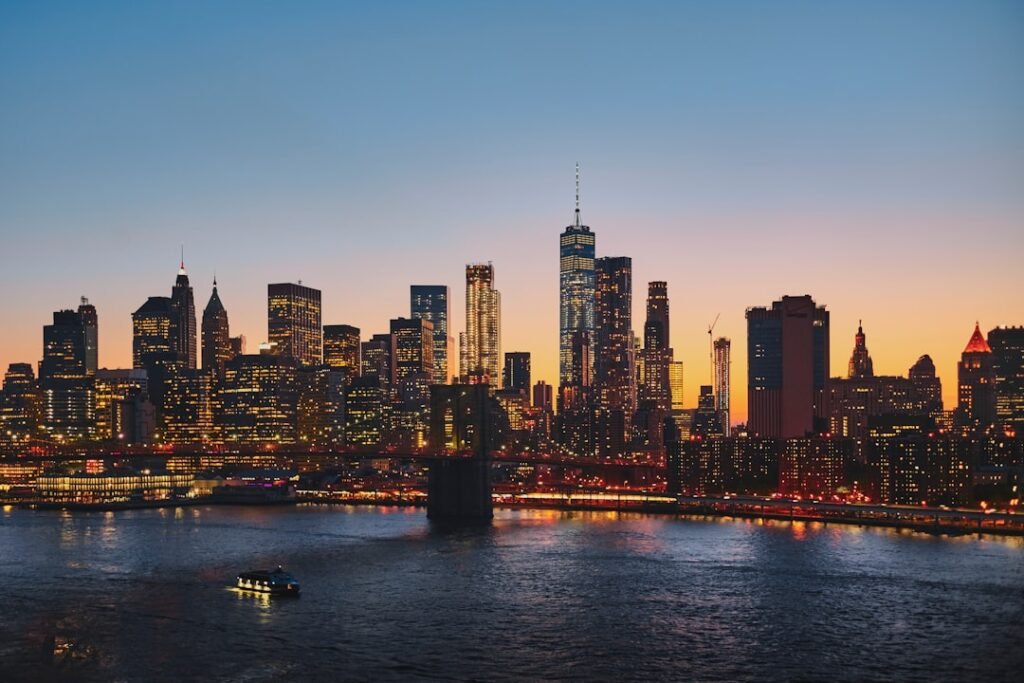
New York City is the most iconic urban destination in the world — a city that has generated more cultural output, more mythology, and more aspirational projection than any other. Walking its streets, you navigate simultaneously through the physical city and through decades of film, literature, and music that have made those streets as familiar as your own neighbourhood before you arrive. These are its 15 most extraordinary places to visit.
1. Central Park
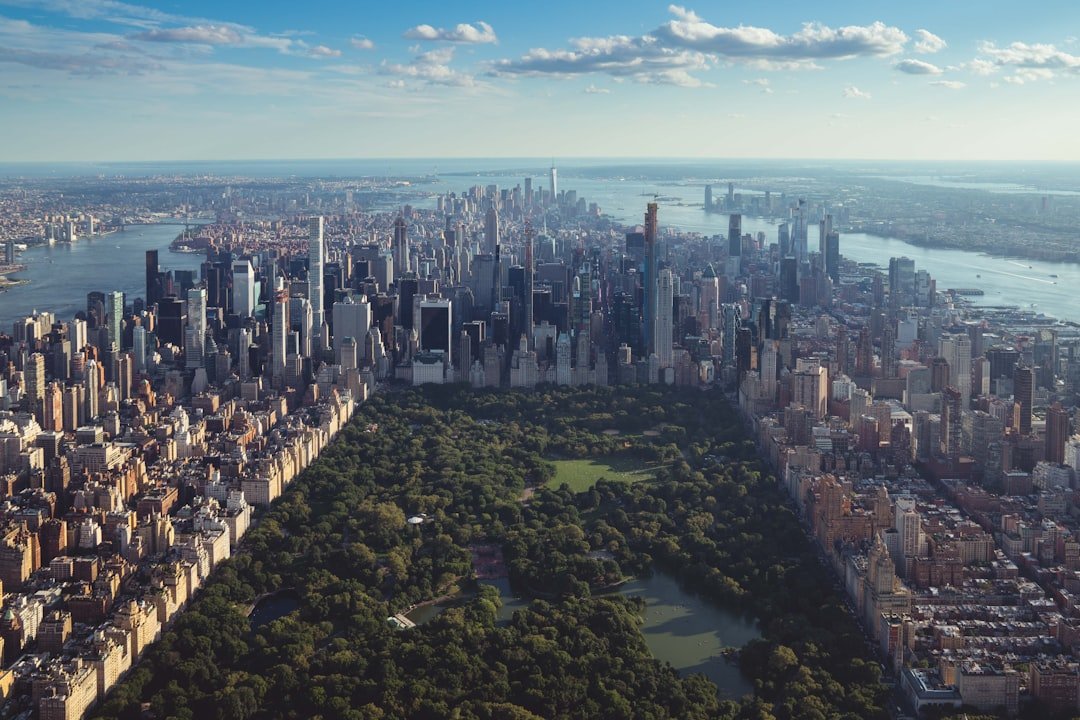
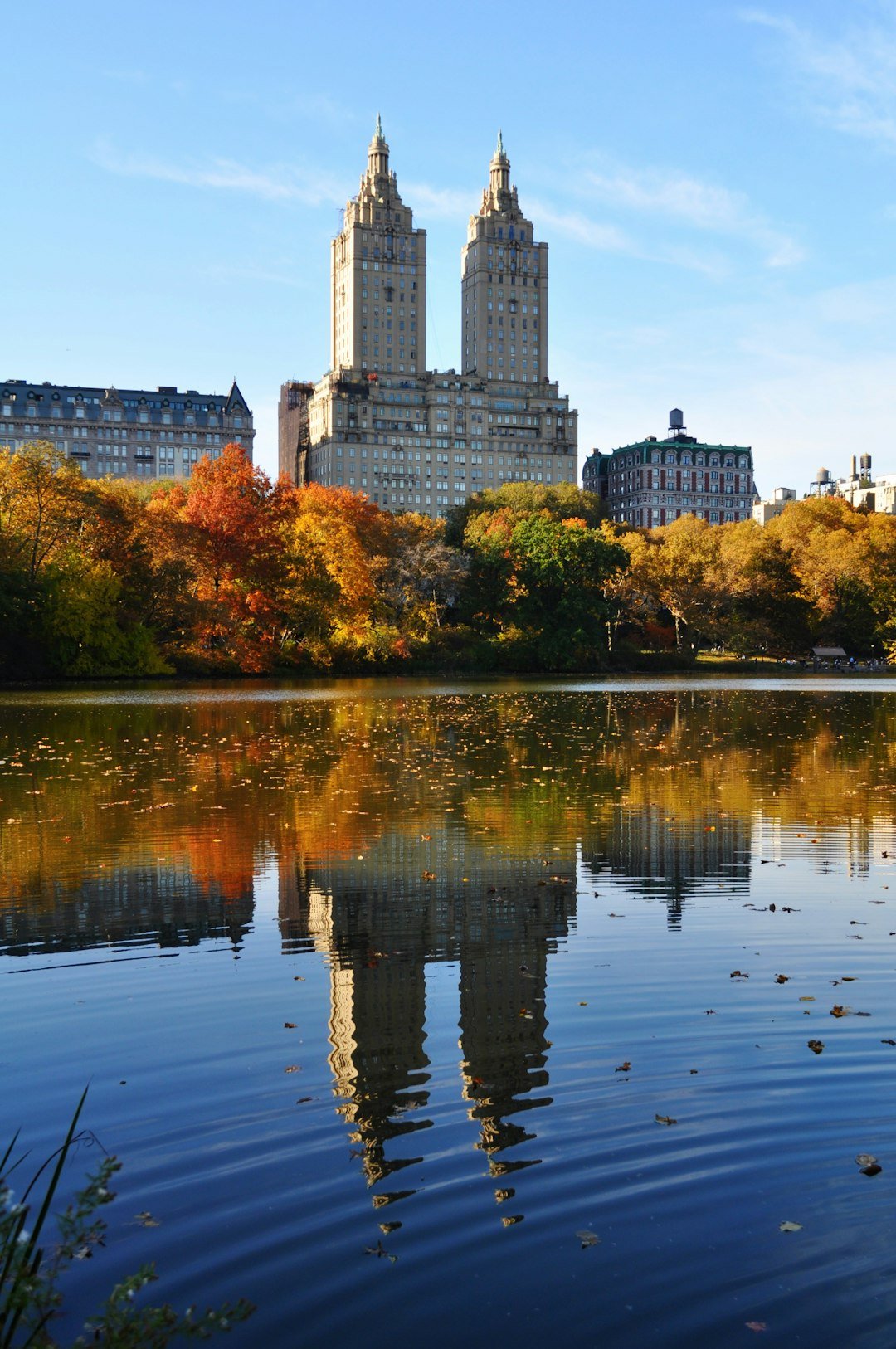
Central Park — 341 hectares of designed landscape in the centre of Manhattan — is one of the world’s great urban achievements. Designed by Frederick Law Olmsted and Calvert Vaux in the 1860s, it provides the essential counterpoint to the grid of streets surrounding it. The Bethesda Terrace and Fountain, Strawberry Fields (the John Lennon memorial), the Great Lawn, the Conservatory Garden, and the Reservoir running path are the principal destinations. In autumn, when the deciduous trees turn, it is one of the most beautiful urban landscapes in the world.
2. The Metropolitan Museum of Art
The Met is one of the world’s three greatest art museums (alongside the Louvre and the Hermitage) — a collection of 1.5 million objects spanning 5,000 years of human civilisation, from Egyptian temples to Abstract Expressionist paintings. A single visit cannot cover more than a fraction. The Egyptian Wing (with the relocated Temple of Dendur), the European Paintings galleries, the Arms and Armour Hall, and the Roof Garden (open seasonally) are priorities. The suggested donation model means entry is effectively pay-what-you-choose for New York State residents; a fixed admission applies to others.
3. Times Square
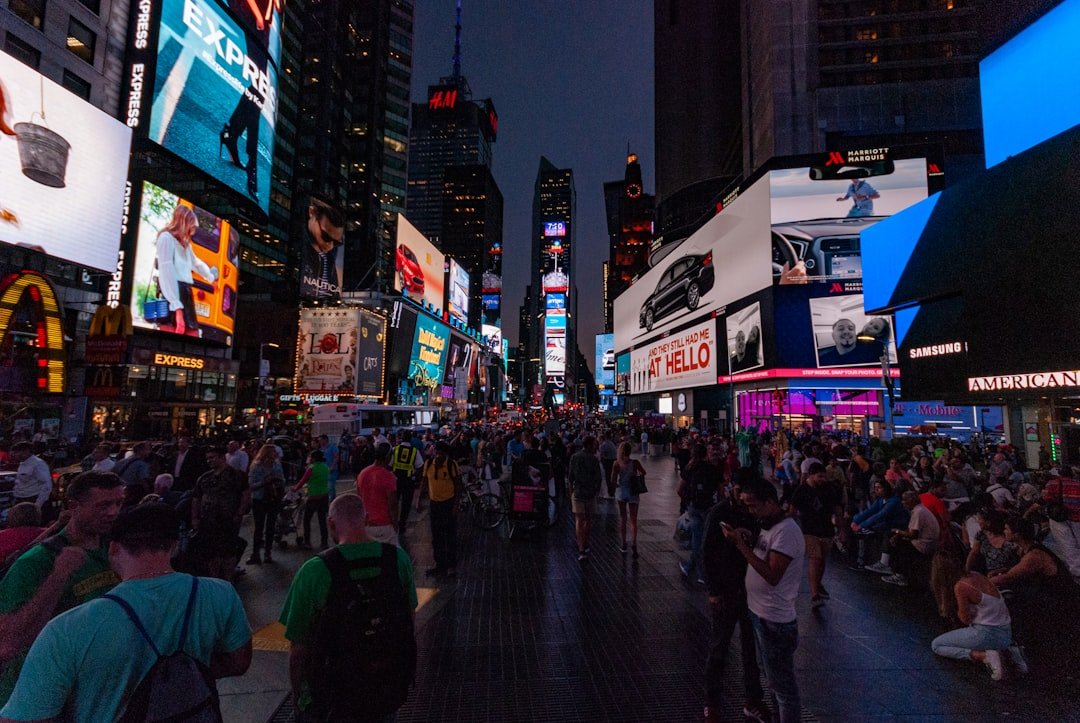
Times Square is simultaneously New York’s most visited and most derided neighbourhood — a commercial spectacle of neon, LED, and tourist infrastructure that represents one version of the city at maximum intensity. Worth experiencing at least once, particularly at night when the advertising displays create an artificial daylight that is genuinely extraordinary. The best viewing position is from the TKTS steps (where you can also buy half-price same-day Broadway tickets). Avoid eating in Times Square itself — better food in any direction within two blocks.
4-15. The Essential New York
The High Line (elevated railway converted to a 2.3km public park — the most successful urban reuse project in American history). Brooklyn Bridge and DUMBO (walk the bridge, photograph the Manhattan skyline from Washington Street, eat at the time Smorgasburg food market on weekends). The Statue of Liberty and Ellis Island (book the crown access months in advance; Ellis Island is as historically significant as the statue itself). MoMA (Picasso’s Les Demoiselles d’Avignon, Warhol’s Gold Marilyn Monroe — the world’s finest modern art collection). Greenwich Village and the West Village (the neighbourhood where Bob Dylan played, where the Stonewall Riots happened, where New York’s best independent restaurants are concentrated). One World Observatory (the best 360-degree views of the city from the 100th floor of One World Trade Center). The Frick Collection (one of the world’s finest small art museums — Rembrandt, Vermeer, Velázquez in a Gilded Age mansion). Chinatown and the Lower East Side (the most authentic urban neighbourhood texture in Manhattan). Brooklyn’s Prospect Park and Park Slope (the best neighbourhood in New York City for everyday life — brownstones, independent bookshops, the Brooklyn Museum). The Guggenheim (Frank Lloyd Wright’s spiral ramp building is as important as its Kandinsky and Chagall collection). DUMBO to Red Hook (Brooklyn’s most interesting neighbourhood stretch — warehouses converted to galleries, the best Manhattan skyline views, Steve’s Authentic Key Lime Pies).