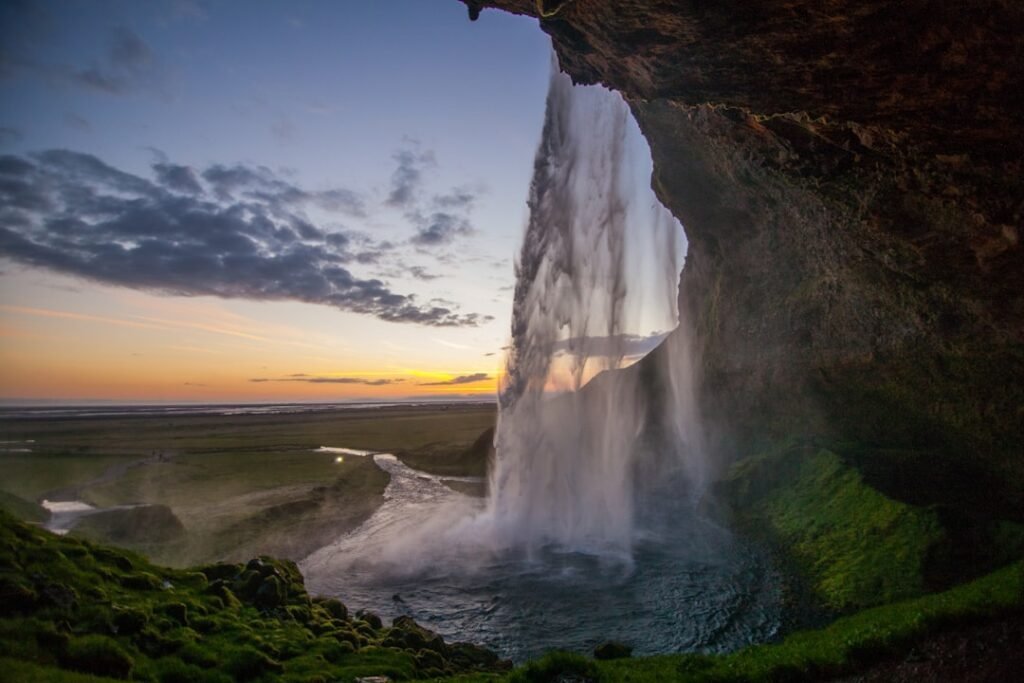
Iceland is one of the world’s most geologically extraordinary destinations — a volcanic island sitting on the Mid-Atlantic Ridge where the Eurasian and North American tectonic plates diverge, producing a landscape of geysers, lava fields, glaciers, waterfalls, and hot springs that exists nowhere else at this concentration. It is also one of the safest, most accessible, and most photogenic destinations in the world. These are its 15 most extraordinary places.
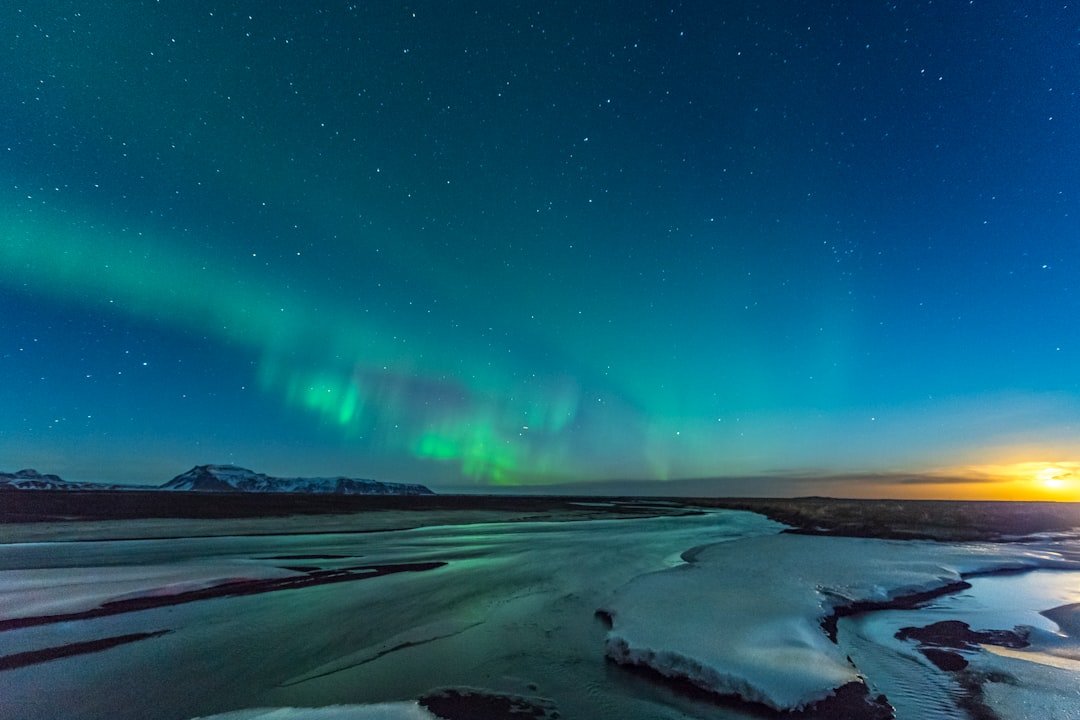
1. The Northern Lights
The aurora borealis — visible from Iceland between September and March on clear nights away from light pollution — is the most sought-after natural spectacle in the world. The display ranges from faint green ribbons to full-sky explosions of green, purple, and pink that move and pulse in real time. The best viewing conditions require a clear sky, solar activity of KP3 or above (trackable on apps like Space Weather Live), and darkness. The south coast between Vík and Jökulsárlón, Þingvellir National Park, and the Snæfellsnes Peninsula are the best bases.
2. The Golden Circle
The Golden Circle — Þingvellir National Park (where you can walk between the American and Eurasian tectonic plates, and where Iceland’s parliament was founded in 930 AD), the Geysir geothermal area (the Strokkur geyser erupts every 5-10 minutes to 30 metres), and Gullfoss waterfall (a double-tiered cascade into a glacial canyon) — is Iceland’s most visited day trip and one of the world’s finest single-day itineraries.
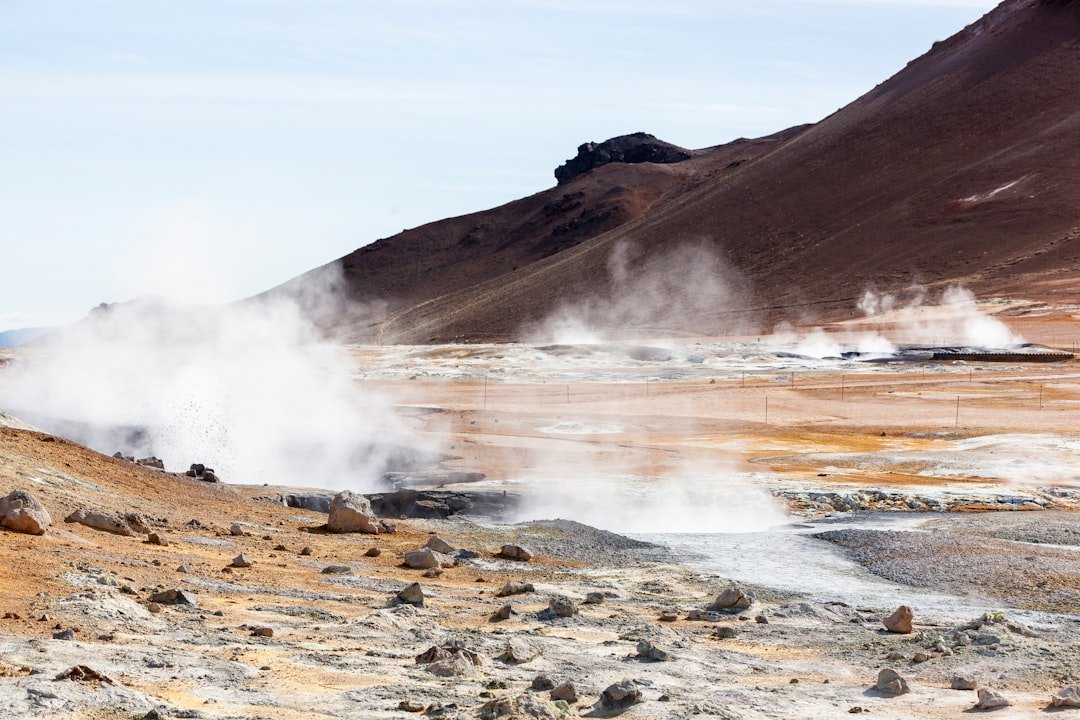
3. Jökulsárlón Glacier Lagoon
Jökulsárlón is a glacial lagoon on the south coast where icebergs calved from the Breiðamerkurjökull glacier float toward the sea, their blue-white surfaces catching the light in constantly changing ways. The adjacent Diamond Beach — where ice chunks wash ashore on black volcanic sand — is one of Iceland’s most photographed landscapes. An amphibious boat tour through the lagoon (April to October) allows close encounters with the ice.
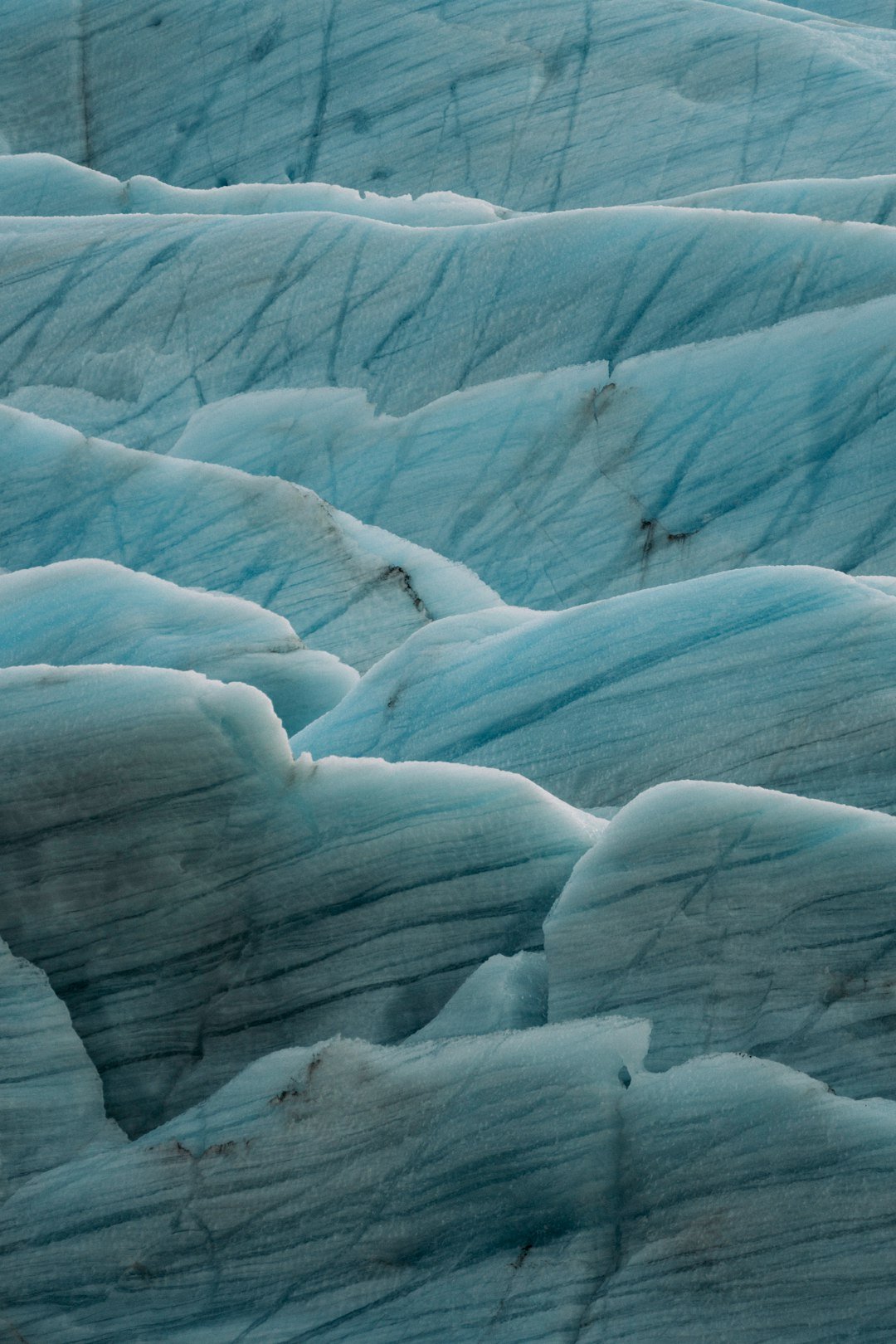
4-15. The Complete Iceland
The Blue Lagoon (geothermal spa in a lava field — book weeks in advance). Skógafoss and Seljalandsfoss (two of the world’s most spectacular waterfalls, both on the south coast). The Snæfellsnes Peninsula (a microcosm of Iceland in one day — glacier, lava fields, fishing villages, the glacier that Jules Verne used as his centre of the earth). Landmannalaugar (multicolored rhyolite mountains and geothermal pools in the Highlands — best July to September). The Westfjords (Iceland’s most remote and dramatic peninsula — puffins, waterfalls, and near-complete solitude). Akureyri and the north (Iceland’s second city, the Myvatn geothermal area, and the Godafoss waterfall). Þórsmörk (a hidden valley between three glaciers, accessible only by 4WD or hiking). The Reykjanes Peninsula (active volcanic landscape near the airport — dramatically different since 2021 eruptions). Húsavík (Iceland’s whale watching capital — humpback whales reliably from May to September).