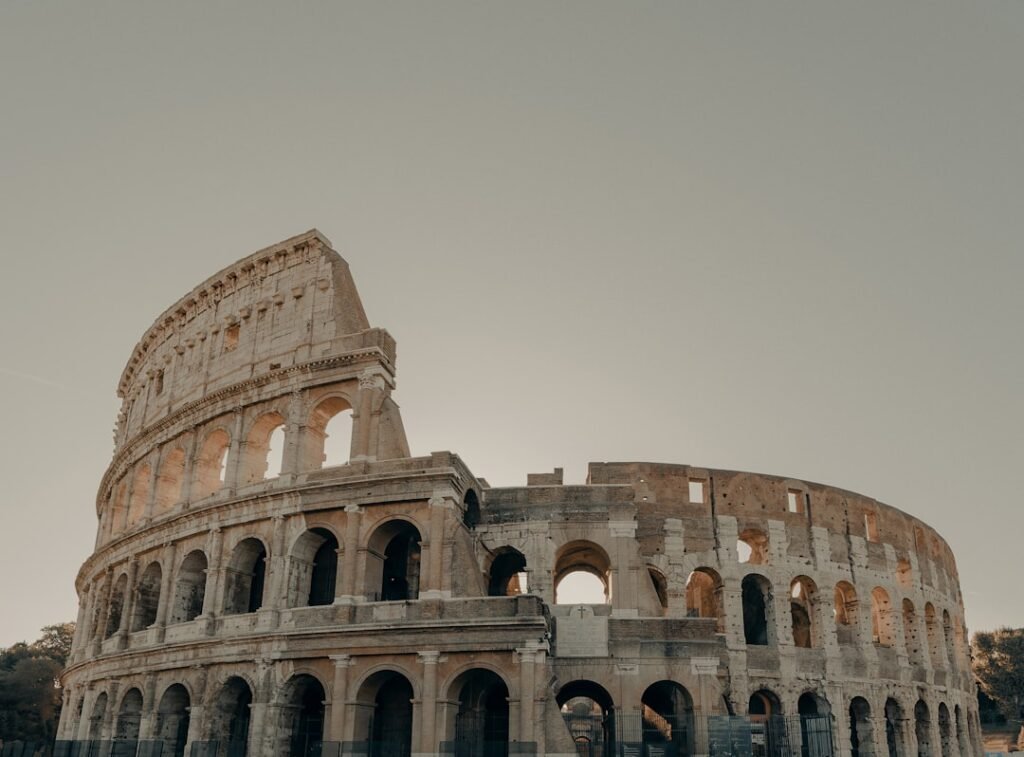
Rome is the most layered city in the world — a place where 2,500 years of continuous habitation have left a physical record that exists nowhere else. Walking between sites in Rome means passing from ancient Roman ruins to medieval churches to Renaissance palaces to Baroque fountains within a few hundred metres. No city concentrates so much of what humans have achieved across so many centuries into so walkable an area. These are the 15 places that capture Rome at its most extraordinary.
1. The Colosseum
The Flavian Amphitheatre — known as the Colosseum — was completed in 80 AD and held up to 80,000 spectators. Standing at its base, the scale becomes genuinely staggering: this is a building nearly 2,000 years old that is larger than most modern sports stadiums. The underground hypogeum (where gladiators and animals were held before contests) and the upper arena levels are accessible with premium tickets. Book at least two weeks in advance; walk-up queues can be three hours.
2. The Vatican Museums and Sistine Chapel
The Vatican Museums contain one of the world’s greatest art collections — assembled over five centuries of papal patronage. The Sistine Chapel, at the end of a long sequence of galleries, is Michelangelo’s supreme achievement: the ceiling (1508-1512) and the Last Judgment altar wall (1536-1541) together constitute the most significant single artistic project in the history of Western art. Book early-morning or late-evening access to see it with fewer people. The Gallery of Maps, the Raphael Rooms, and the Pinecone Courtyard are essential stops before reaching the chapel.
3. The Pantheon
The Pantheon is the best-preserved ancient Roman building in existence — a temple completed around 125 AD whose unreinforced concrete dome (43 metres in diameter) remained the world’s largest for 1,300 years. The oculus — a 9-metre circular opening at the dome’s apex — is the only light source, and the geometry of the space (the dome’s diameter exactly equals its height) produces a perfect sphere of air. The effect on entering is one of the most powerful architectural experiences available to any traveller.
4. The Roman Forum and Palatine Hill
The Forum was the political, commercial, and religious centre of ancient Rome — the place where Julius Caesar was cremated, where senators debated, where triumphal processions ended. Walking its ruins requires imagination, but the rewards are proportional to the effort invested in understanding what you are seeing. The adjacent Palatine Hill — where Rome’s emperors built their palaces — offers elevated views over the Forum and the Circus Maximus, and the best sense of Roman imperial scale available anywhere.
5. The Trevi Fountain
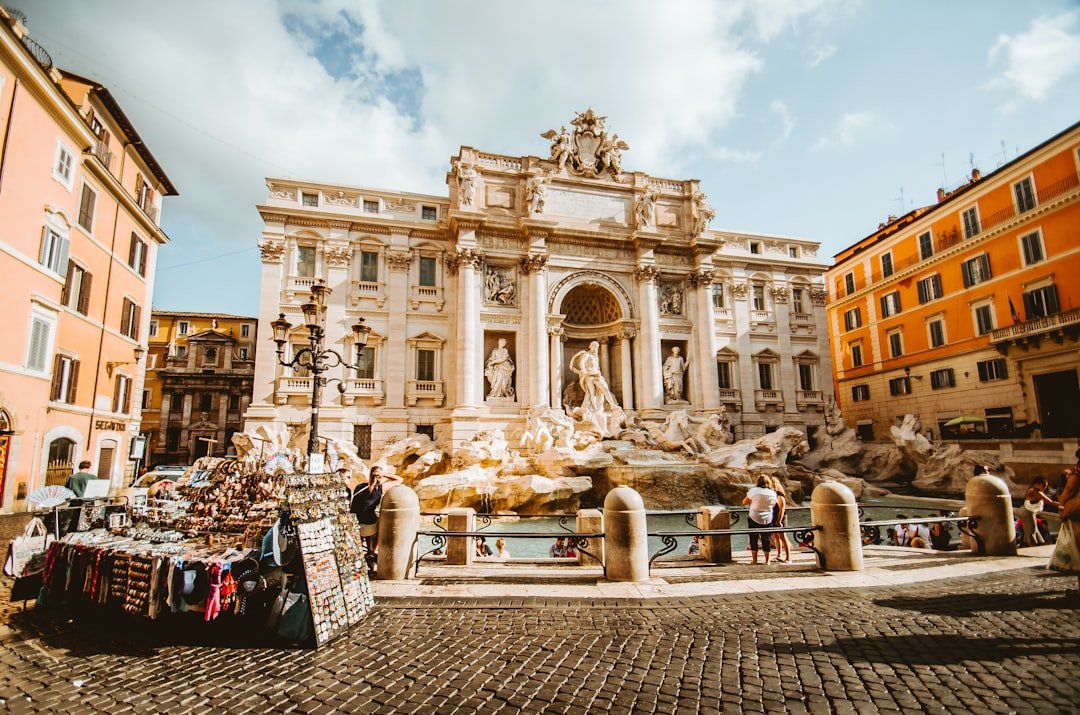
The Trevi Fountain is the most theatrical Baroque monument in Rome — a sculptural ensemble filling the entire rear wall of a small piazza, with Neptune presiding over charging horses and crashing water. At noon in July, it is surrounded by thousands of tourists throwing coins. At 6am in November, in near-silence, it is one of Rome’s most genuinely moving experiences. Timing is everything.
6-10. The Essential Rome
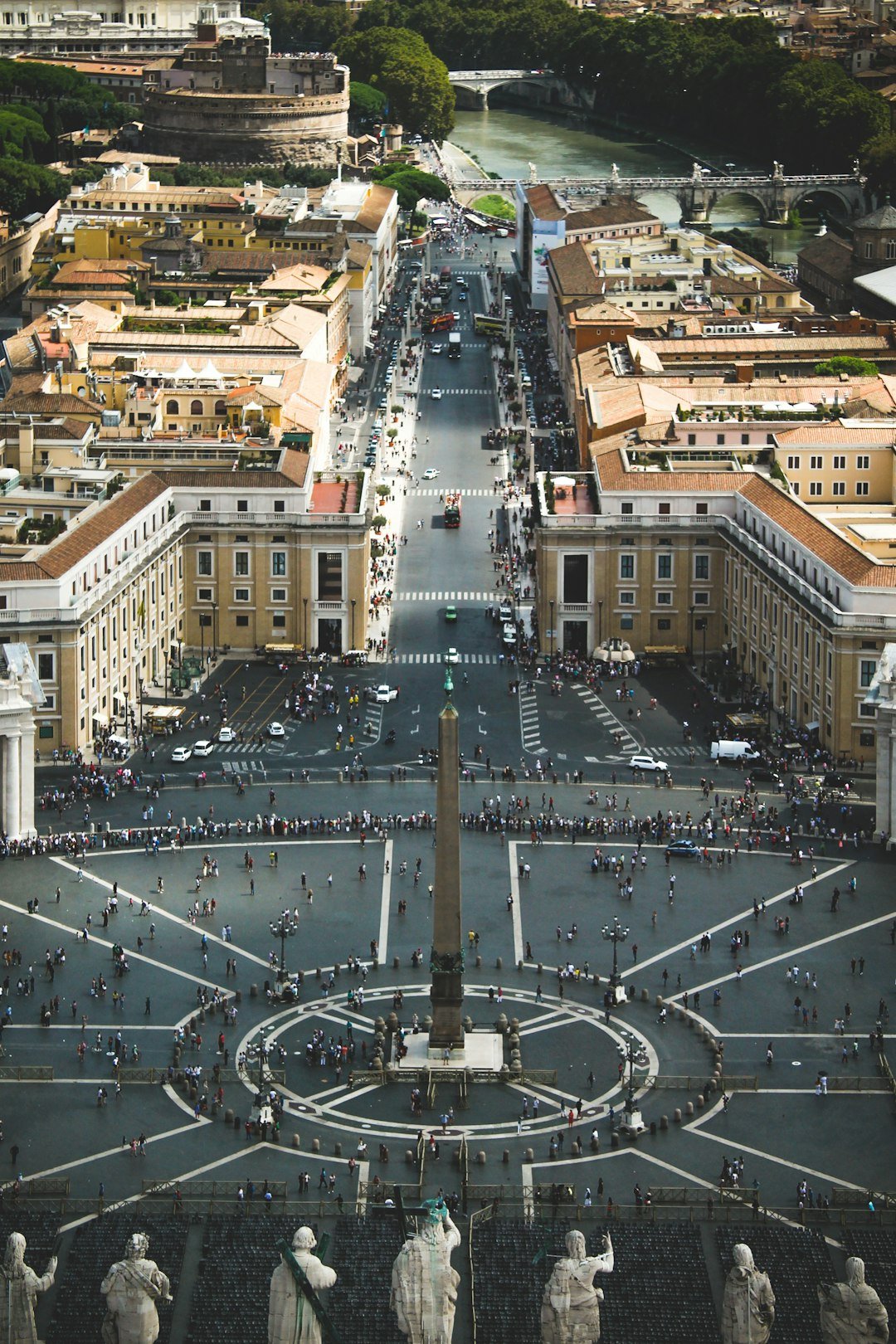
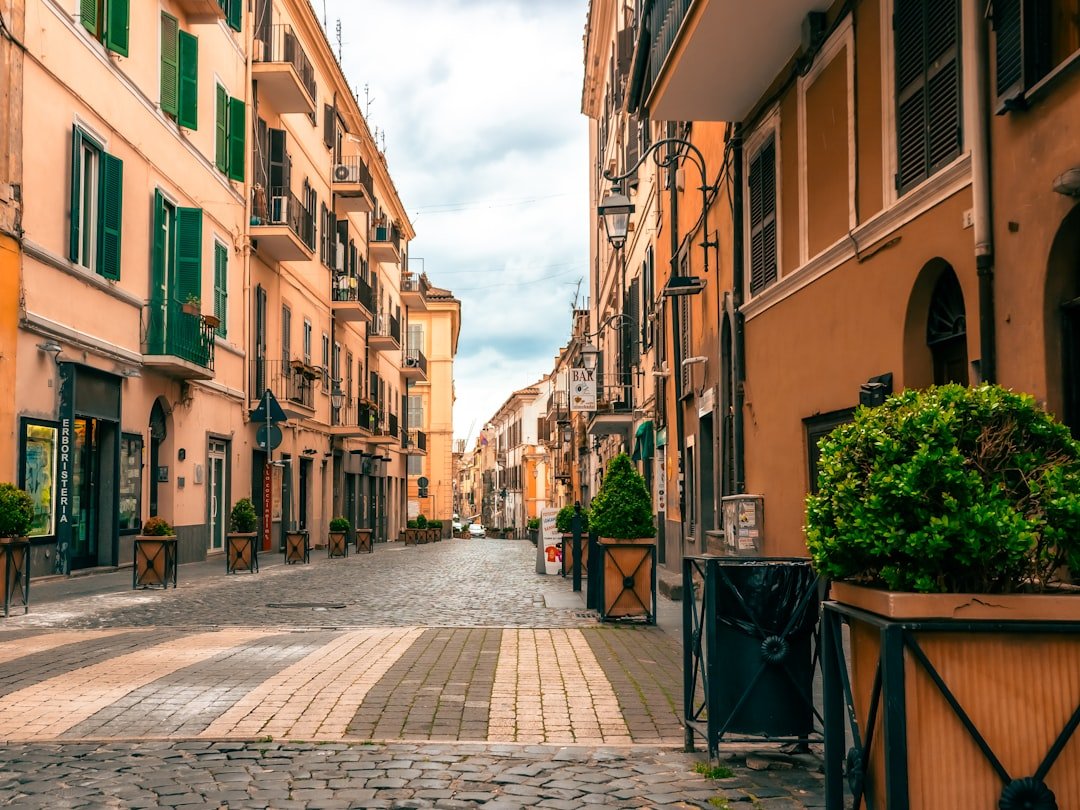
The Borghese Gallery (advance booking essential — 45 people maximum per slot, Bernini sculptures that will reset your understanding of what marble can do). Trastevere (Rome’s most authentic neighbourhood — cobblestone streets, medieval churches, the best neighbourhood restaurants in the city). The Capitoline Museums (the world’s oldest public museums, with the original Marcus Aurelius equestrian statue and extraordinary views of the Forum). Campo de’ Fiori (a working market in the morning, an aperitivo destination in the evening, with the brooding statue of Giordano Bruno at its centre). St Peter’s Basilica (climb to the dome for the best views in Rome; the interior is free, the dome costs €8 by stairs or €10 by lift).
11-15. Beyond the Monuments
The Appian Way (Rome’s oldest road, lined with tombs and pines, best explored by bicycle on Sunday when it is closed to traffic). Ostia Antica (Rome’s ancient port city — better preserved than Pompeii in many ways and almost entirely crowd-free). The Ara Pacis (Augustus’s altar of peace, housed in a Richard Meier pavilion — the finest example of Augustan sculpture in existence). Piazza Navona (Bernini’s Fountain of the Four Rivers in Rome’s most beautiful elongated piazza, built on the site of a Roman stadium). The Castel Sant’Angelo (a mausoleum, a papal fortress, and now a museum — connected to the Vatican by the Passetto di Borgo, a raised corridor used by popes to escape medieval invasions).