Vietnam Ha Long Bay boat

15 Most Interesting Places in Vietnam (2026 Travel Guide)

in

Vietnam

Vietnam is one of the great travel destinations of Southeast Asia — a narrow, S-shaped country of extraordinary diversity stretching 1,650 kilometers from the border of China to the Gulf of Thailand. The north is highland and historic, the center is ancient and artistic, the south is tropical and energetic.

Traveling Vietnam from top to bottom, or even from one end to the middle, is one of the finest journeys in Asia: a continuous unfolding of landscapes, food traditions, dialects, and ways of life that shift dramatically from province to province.

These are the most interesting places in Vietnam across its full length.

Iconic Vietnam Landmarks Every Visitor Should See

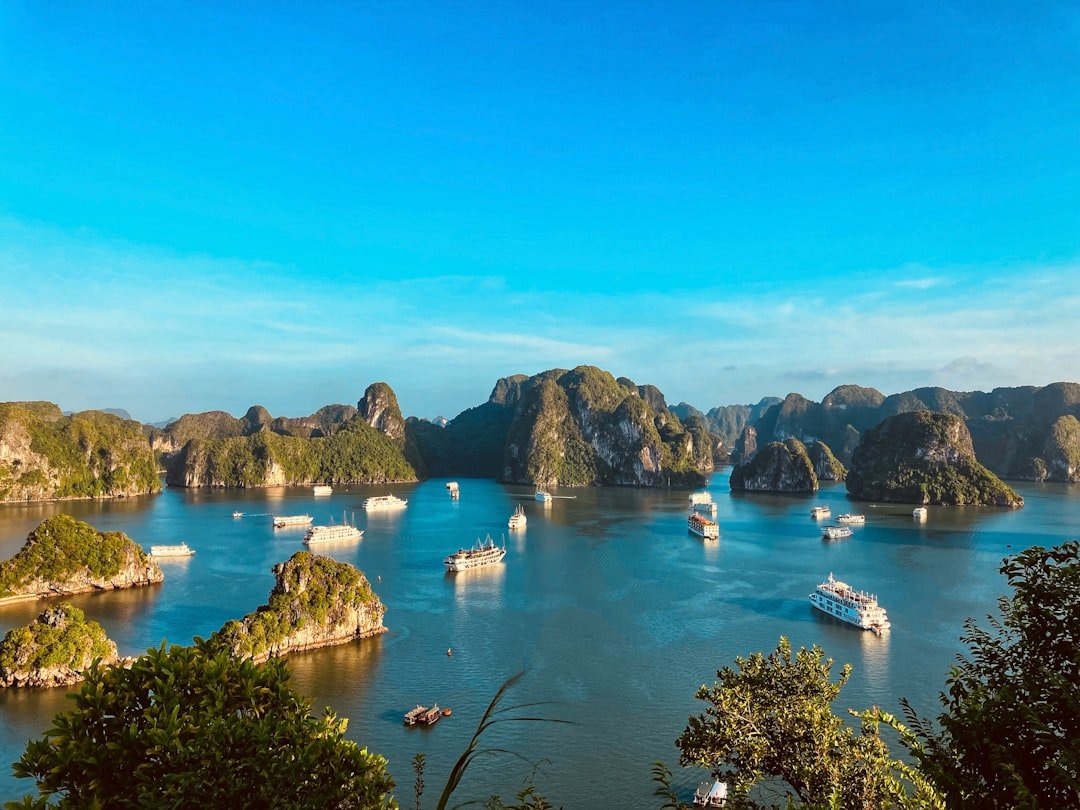
1. Ha Long Bay – 1,969 Islands of Limestone and Legend

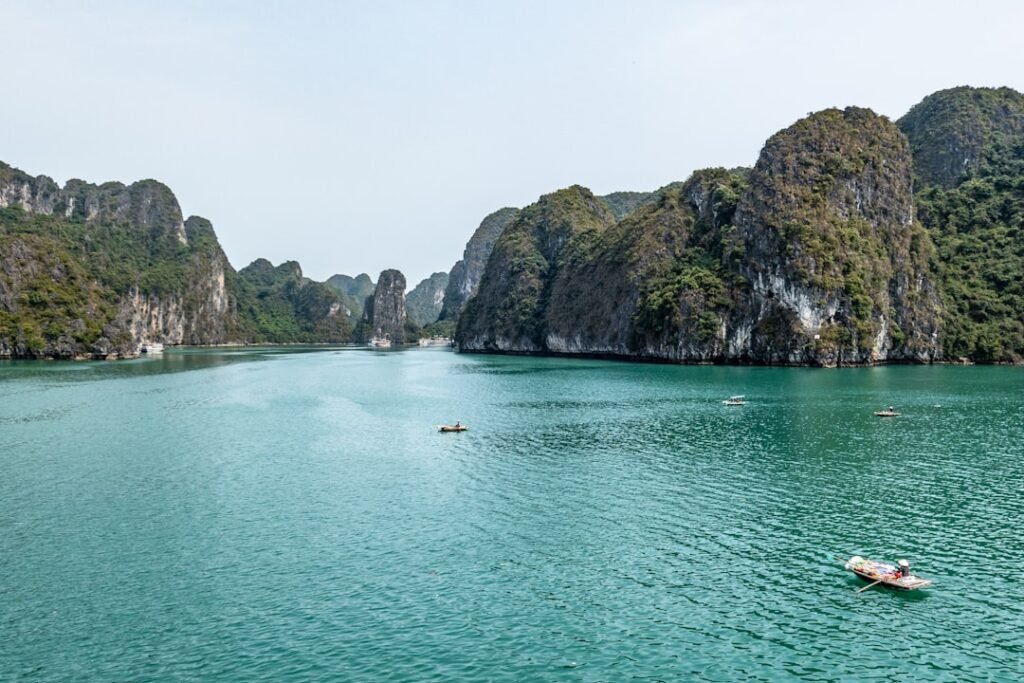
Ha Long Bay in the Gulf of Tonkin is one of the natural wonders of the world — 1,969 islands and islets of karst limestone rising from emerald water, draped in jungle, riddled with caves, and populated with floating fishing villages. The Vietnamese legend says a dragon descended from the mountains and beat its tail as it entered the sea, creating the bay’s extraordinary topography.

An overnight cruise on a traditional junk boat is the definitive Ha Long experience — the bay is incomprehensibly large and the overnight allows for kayaking, cave exploration, and the extraordinary stillness of the bay at dawn.

Practical tip: Choose Bai Tu Long Bay or Lan Ha Bay rather than the central Ha Long area for fewer boats and more authentic atmosphere. A two-night cruise is significantly better than one night.

Book now: Ha Long Bay 2-day cruise via Viator

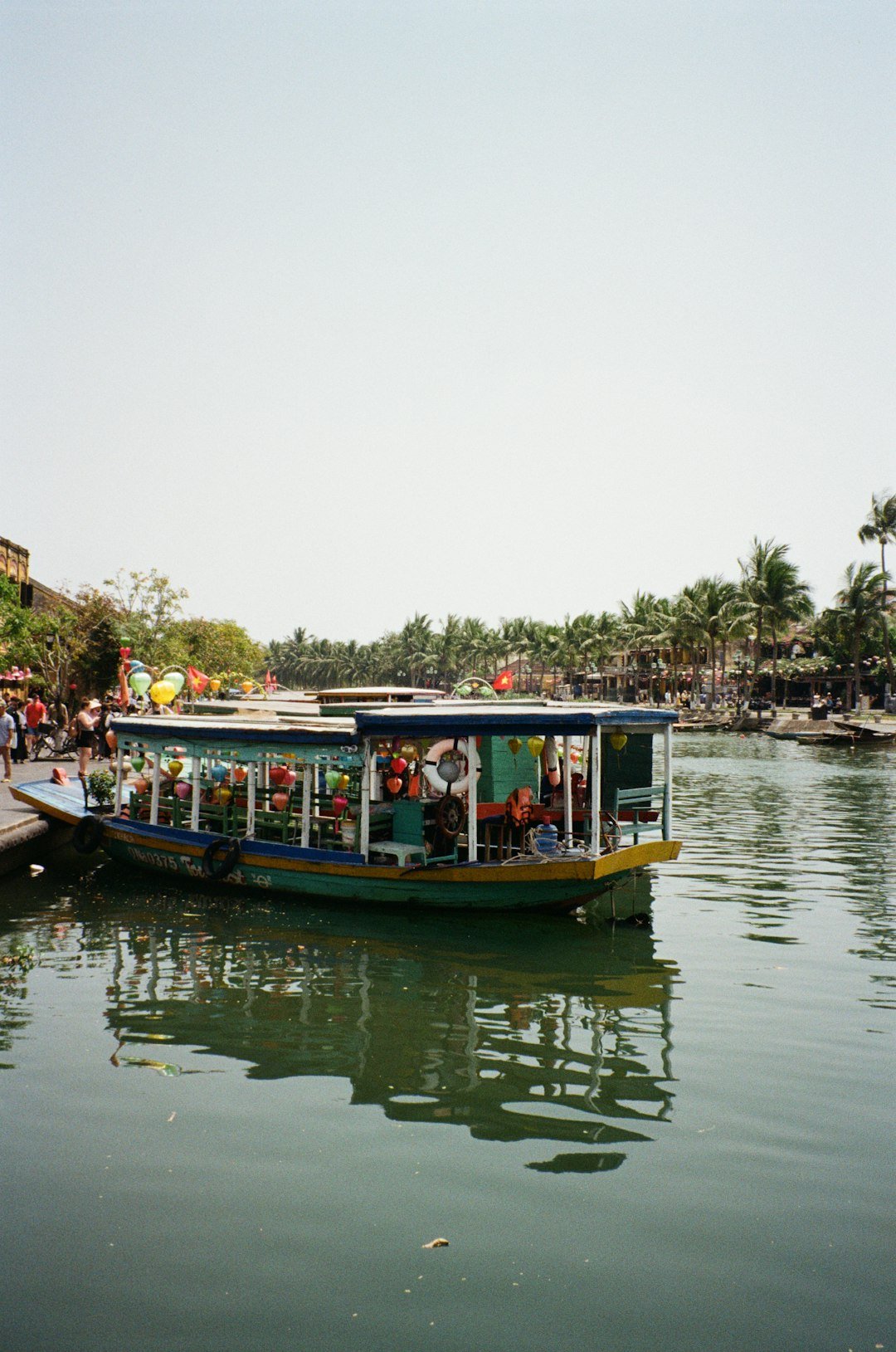
2. Hoi An Ancient Town – The Most Perfectly Preserved Town in Southeast Asia

The ancient trading port of Hoi An in central Vietnam is a UNESCO World Heritage Site of extraordinary completeness — 1,107 protected wooden merchant houses, Chinese assembly halls, Japanese covered bridge, and Vietnamese tube houses surviving intact from the 15th to 19th centuries. At night, lanterns light the riverside streets in every color and the whole town glows.

Hoi An is also Vietnam’s tailoring capital — a custom suit, dress, or shirt made in 24 hours for a fraction of Western prices.

Practical tip: The Old Town is best explored on foot very early morning (before 8 AM) or in the evening. Midday is hot and crowded with day-trippers. Rent a bicycle to explore the rice paddies and fishing villages of the surrounding countryside.

Book now: Hoi An Old Town evening lantern tour via GetYourGuide

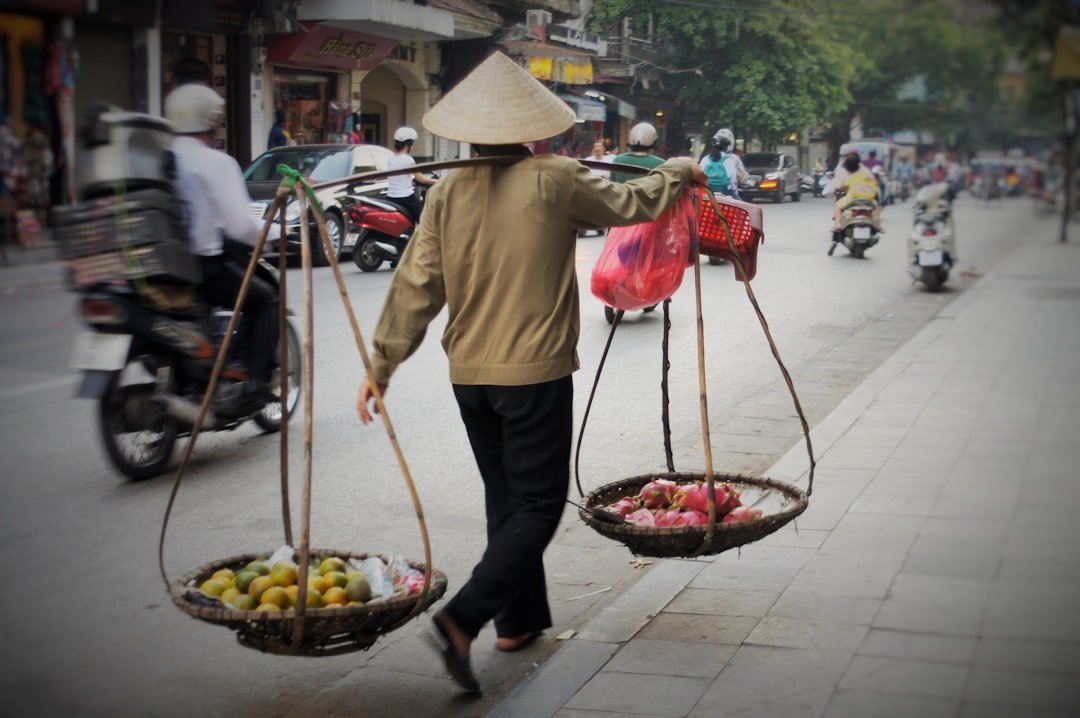
3. Hanoi Old Quarter – 1,000 Years of Vietnamese Urban Life

Hanoi’s Old Quarter, organized since the 13th century by guild streets (Silk Street, Paper Street, Tin Street), is one of the most vibrant and historically layered urban environments in Southeast Asia. The street food is Vietnam at its best — pho bo at 6 AM from a plastic stool, bun cha grilled over charcoal at lunch, bia hoi (draft beer) at 2000 VND a glass on every corner at sunset.

The Temple of Literature, the Hoan Kiem Lake, and the Ho Chi Minh Mausoleum provide the historical context for a city that has been Vietnam’s capital for a millennium.


Lesser-Known Vietnam Attractions Worth the Journey

4. Sapa and the Muong Hoa Valley – Rice Terraces at the Roof of Vietnam

The Muong Hoa Valley below Sapa town in the Lao Cai highlands contains rice terraces carved into steep mountain slopes by the Hmong and Dao hill tribes over centuries. At harvest time (September to October) the terraces turn gold; in early summer (May to June) they are vivid green after flooding. The mountain backdrop is frequently shrouded in cloud that parts suddenly to reveal Fansipan — Indochina’s highest peak at 3,143 meters.

Practical tip: Stay in a homestay in the village of Cat Cat or Ta Van rather than in Sapa town itself for a genuine cultural experience. The overnight train from Hanoi is more atmospheric than the bus.

Book now: Sapa trekking and homestay experience via GetYourGuide

5. Hue Imperial City – The Forbidden Purple City of Vietnam

The walled Imperial City of Hue, modeled on Beijing’s Forbidden City, was the seat of the Nguyen Dynasty emperors from 1802 to 1945. The complex of palaces, temples, gates, and canals within the citadel walls is a UNESCO World Heritage Site, and the seven royal tombs scattered along the Perfume River outside the city are equally extraordinary.

Hue is also Vietnam’s most refined food city — the cuisine of the imperial court has evolved into the most complex and balanced regional cooking in the country.

6. Phong Nha-Ke Bang – The World’s Largest Cave System

The Phong Nha-Ke Bang National Park in Quang Binh province contains the largest cave system in the world. Son Doong Cave, discovered in 1990 and first explored in 2009, is large enough to contain a New York City block with 40-story skyscrapers inside it. Hang En Cave has a beach and lake inside it. Phong Nha Cave, accessible by boat along an underground river, has been a site of Buddhist worship for centuries.

Practical tip: Son Doong expeditions (the only way to enter) cost $3,000 per person and book out years in advance. Hang Son Doong tours are run by Oxalis Adventure Tours exclusively. Hang En and Phong Nha caves are accessible for regular visitors.

7. Ho Chi Minh City – Vietnam’s Electric Southern Capital

Saigon (officially Ho Chi Minh City) is Vietnam at its most dynamic — a city of 13 million people, 9 million motorbikes, and a food scene that operates 24 hours. The War Remnants Museum provides an unflinching account of the American War from the Vietnamese perspective. The Cu Chi Tunnels, 40 kilometers outside the city, let visitors crawl through the 250-kilometer tunnel network used by Viet Cong fighters during the war.

The rooftop bars and riverside restaurants of District 1 show a different face — a young, entrepreneurial city charging toward the future.


Hidden Gems in Vietnam Only Slow Travelers Discover

8. Ninh Binh – Ha Long Bay on Land

The limestone karst landscape of Ninh Binh province, 90 kilometers south of Hanoi, is essentially Ha Long Bay without the water — or rather, with rice paddies and rivers between the peaks instead of ocean. The boat trip through Tam Coc, rowing through three natural caves as buffalo graze on the riverbanks and kingfishers dart between lotus flowers, is one of the most beautiful short journeys in Vietnam.

The ancient capital of Hoa Lu and the Trang An landscape complex (UNESCO listed) add historical depth to the natural beauty.

9. Mui Ne – Sand Dunes on the South China Sea

The coastal town of Mui Ne east of Ho Chi Minh City is famous for two things: the red and white sand dunes that descend to the sea at its northern end, and the wind conditions that make it one of the premier kitesurfing destinations in Asia. The Fairy Stream — a shallow red-sand river winding between sandy bluffs — is one of the most unusual and photogenic walks in southern Vietnam.

Practical tip: Sunrise at the white sand dunes and sunset at the red dunes are the optimal times for photography and the fewest visitors.

10. Con Dao Islands – Vietnam’s Last Untouched Archipelago

The Con Dao archipelago, 230 kilometers off the southern coast, was Vietnam’s most feared prison colony under French and then American occupation — the infamous “tiger cages” where political prisoners were kept in brutal conditions. Today the national park covering most of the islands has pristine beaches, excellent diving, nesting sea turtles, and dugong in the seagrass beds.

The combination of history and natural beauty makes Con Dao one of the most interesting places in Vietnam.

11. Dong Van Karst Plateau, Ha Giang – The Edge of Vietnam

The Ha Giang province in the far north, bordering China, contains the most dramatic and remote mountain scenery in Vietnam. The Ma Pi Leng Pass — a road carved into cliff faces above the Nho Que River gorge — is considered the most spectacular mountain road in the country. The weekly Sunday market at Dong Van brings together Hmong, Tay, and Nung hill tribes in their traditional dress.

Most visitors arrive by motorbike from Ha Giang town on the Ha Giang Loop — three to four days of mountain riding through extraordinary landscape.

12. Hoi An Countryside – Bicycle Lanes Through Rice Paddies

Beyond Hoi An’s ancient town, the surrounding countryside of flat rice paddies, vegetable gardens, fishing villages, and coconut-palm rivers offers some of the best easy cycling in Vietnam. The Tra Que vegetable village, the basket boat fishing village of Cam Thanh, and the beach at An Bang — voted one of Asia’s best beach bar strips — are all within 10 kilometers of the Old Town.

13. My Son Sanctuary – Vietnam’s Angkor Wat

Forty kilometers from Hoi An, the My Son Hindu sanctuary was the religious and political capital of the Champa kingdom from the 4th to 13th centuries. The surviving brick temples, built without mortar using a technique still not fully understood, are the most important Cham archaeological site in Vietnam and a UNESCO World Heritage Site.

Most visitors from Hoi An arrive on group tours at 10 AM. Arriving at opening (7:30 AM) gives you the ruins almost entirely to yourself.

14. Ba Na Hills – A French Colonial Resort in the Clouds

The Ba Na Hills mountain resort above Danang, reached by the world’s longest non-stop single-track cable car, contains a full-scale replica of a French medieval village, a fantasy garden, amusement rides, and the famous Golden Bridge — supported by two giant stone hands — at 1,414 meters above sea level with views across the entire Da Nang coastal plain.

It is completely, gloriously kitsch and entirely unlike anything else in Vietnam.

15. Phu Quoc Island – Vietnam’s Tropical Paradise

Vietnam’s largest island, off the southwestern coast near Cambodia, has white sand beaches, clear water, freshwater waterfalls, a national park covering 70% of the island, and the fish sauce production facilities that have made Phu Quoc’s nuoc mam the most prized in Vietnam for centuries.

The northern tip of the island and the An Thoi archipelago to the south offer the best snorkeling and diving in Vietnam.

Book now: Phu Quoc island snorkeling and island hopping tour via Viator


Practical Vietnam Travel Tips

Best time to visit Vietnam: Vietnam’s length means no single season is perfect everywhere. February to April is generally good for the whole country. The center and south are best November to April; the north is best September to November and March to May. The monsoon arrives in different months in different regions.

Getting around: Vietnam’s train network (the Reunification Express) runs the length of the country and is the most atmospheric way to travel between cities. Budget flights on VietJet and Bamboo Airways are cheap and efficient. Motorbike hire (around $10/day) is the best way to explore locally.

Currency: Vietnamese Dong (VND). Always carry cash — many smaller restaurants, markets, and transport options are cash only. ATMs are widely available in cities and tourist towns.

Food: Eat where locals eat — plastic stools on the pavement are almost always the best food at the lowest price. Vietnam’s regional cuisines are dramatically different from north to south — try local specialties in each region rather than ordering the same pho everywhere.


Final Thoughts on Interesting Places in Vietnam

Vietnam moves fast. Cities that were quiet provincial towns 15 years ago are now humming with new construction. The Ha Long Bay that visitors experienced in the 1990s is different from today’s — more boats, more development. The best time to see Vietnam’s quieter places is now, before the next wave of development catches them.

Travel slowly, eat adventurously, and say yes to the meals you’re invited to. Vietnam’s hospitality is as extraordinary as its landscape, and the table is where the country makes most sense.


Exploring Asia? Read our complete guides to Interesting Places in Bali, Interesting Places in Thailand, and Interesting Places in Tokyo.

Tags :

Vietnam

Share This Post :

Destinations

Recent Posts

Popular Tags

Africa Travel Algarve Asia Travel Bali Attractions Barcelona Barcelona Attractions Beauty Booking Cape Town Europe Travel Greece Greek Islands Guide Hidden Gems Bali Hidden Gems Barcelona Hidden Gems Rome Iceland Italy Kilimanjaro Lisbon Minimalism Nordic North Porto Portugal Attractions Rome Rome Attractions Room Safari Santorini Santorini Attractions Serengeti Sigiriya South Africa South Africa Attractions Spain Sri Lanka Sri Lanka Attractions Sri Lanka Beaches Tanzania Tanzania Safari Thailand Thailand Attractions USA Travel Zanzibar