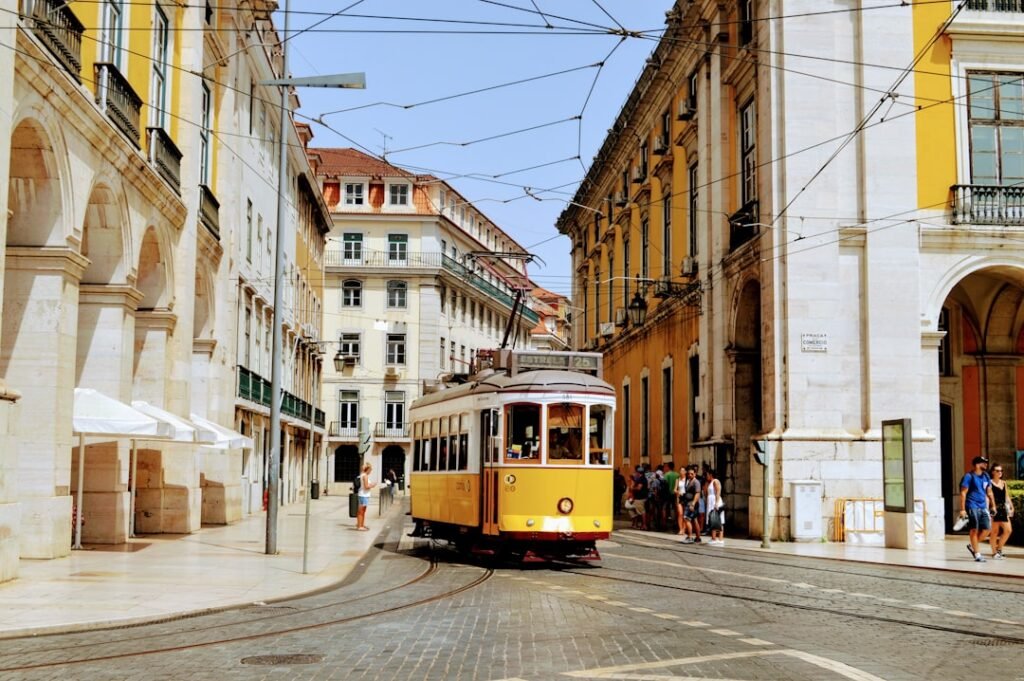
Portugal is Europe’s most rewarding travel destination per square kilometre — a country that concentrates extraordinary historical heritage, Atlantic coastline, world-class wine, one of the world’s great seafood traditions, and some of Europe’s most charming cities into a geography navigable by car in a long weekend. These are its 15 most interesting places.
1. Lisbon
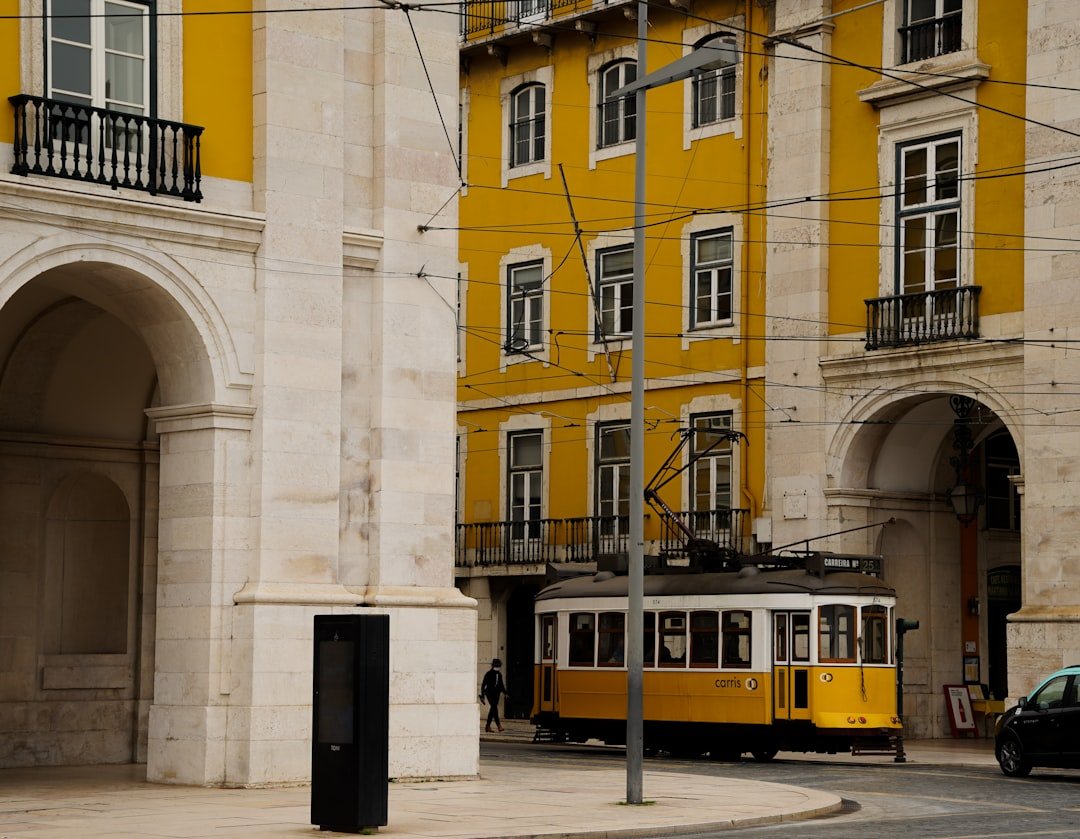
Lisbon is Europe’s most underrated capital — a city of seven hills, pastel-coloured trams, Moorish castles, Art Nouveau cafés, and an Atlantic-facing melancholy captured in the fado music that drifts from the restaurants of the Alfama district. São Jorge Castle, the Jerónimos Monastery (the finest Manueline Gothic building in the world), the Belém Tower, the Pastéis de Belém pastelaria (home of the original pastel de nata since 1837), the LX Factory creative market, and the viewpoints (miradouros) from the hilltops together make a city that rewards several days of unhurried exploration.
2. Porto
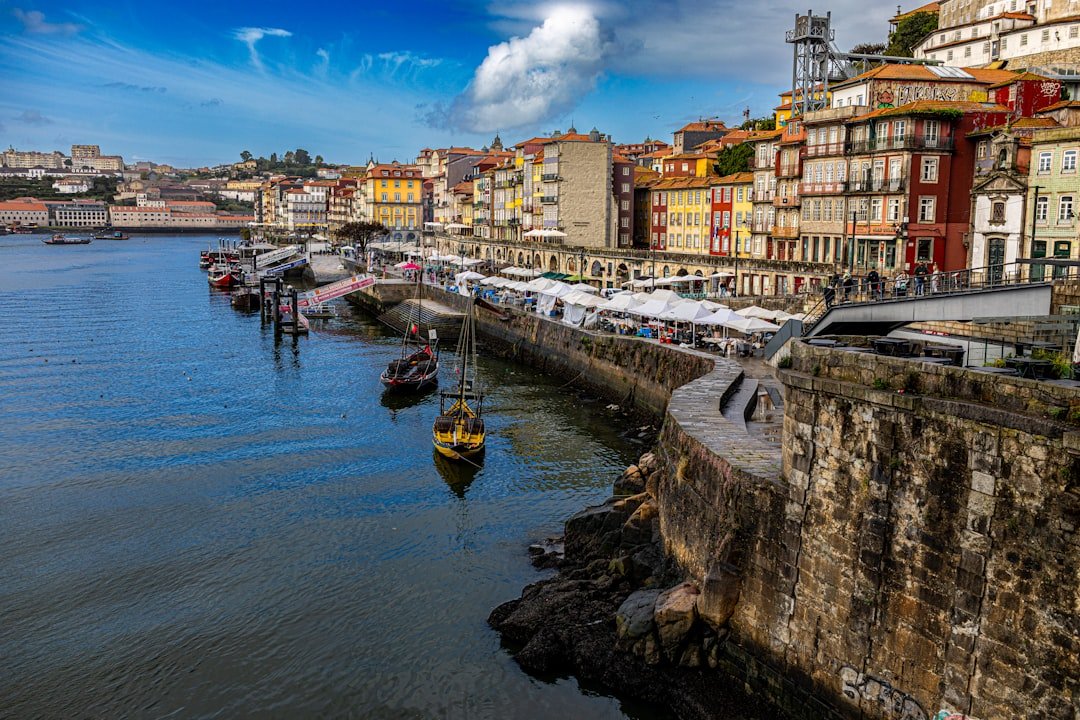
Porto is the city that most visitors to Portugal say they prefer to Lisbon on reflection — smaller, more intimate, more visually coherent, with the Douro River running through its centre and the Port wine lodges of Vila Nova de Gaia on the opposite bank. The Ribeira district (UNESCO-listed), the São Bento railway station (its walls covered in 20,000 azulejo tiles depicting Portuguese history), the Livraria Lello (one of the world’s most beautiful bookshops), and the bridge-hopping across the six bridges that connect the two sides of the city produce an experience of remarkable density.
3. The Algarve
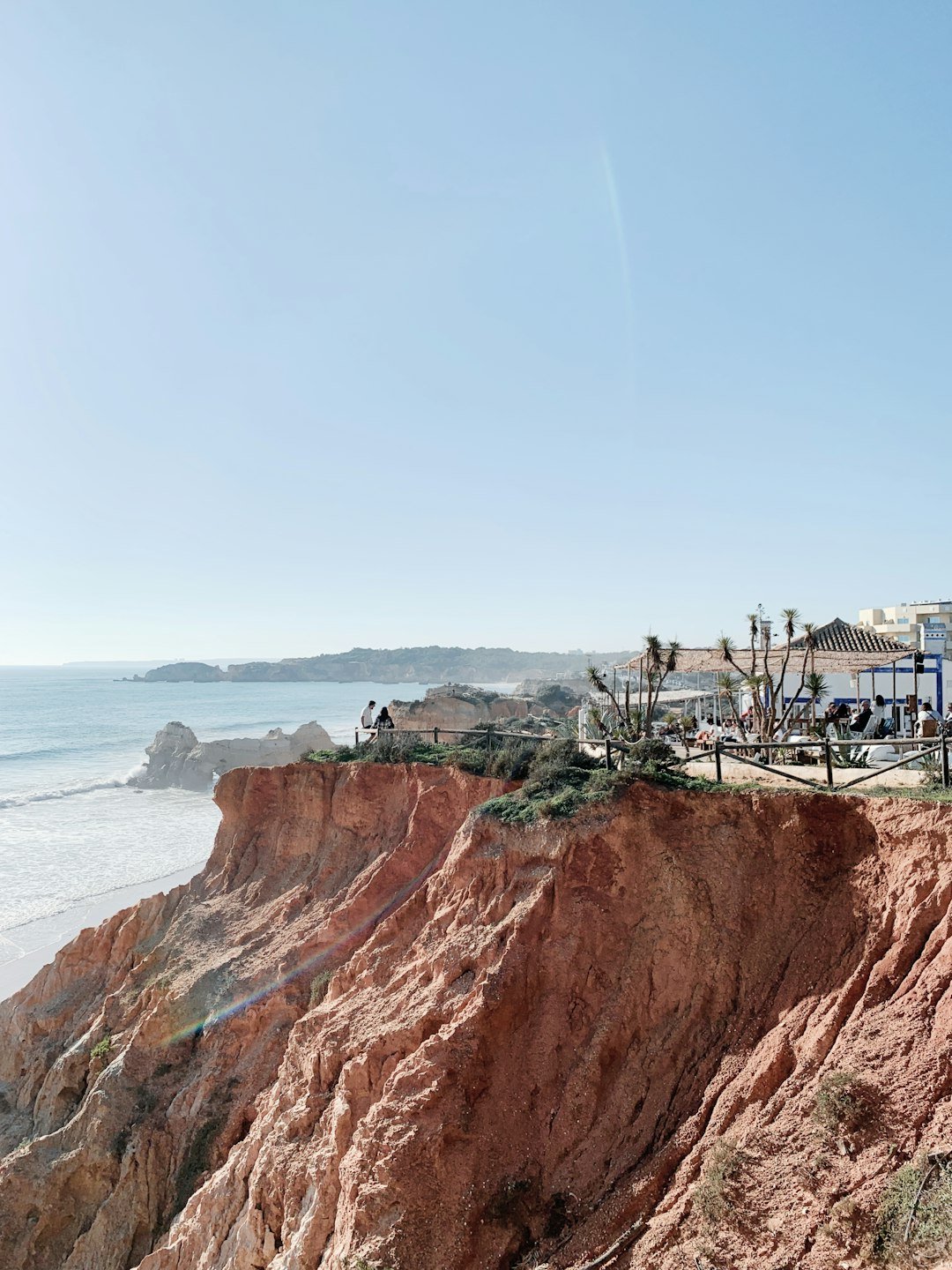
Portugal’s southern coast offers some of Europe’s most dramatic beach scenery — orange limestone cliffs eroded into arches, sea stacks, and hidden coves above sand of exceptional quality. The western Algarve (Sagres, Carrapateira, Aljezur) is wilder and more exposed; the central Algarve (Lagos, Albufeira) more developed and family-friendly; the eastern Algarve (Tavira, Manta Rota) has the calmest water and most traditional fishing town atmosphere. The Benagil Cave — accessible only by kayak or boat through a sea arch — is one of Europe’s most extraordinary natural formations.
4-15. The Complete Portugal
Sintra (the fantasy palaces of the Serra de Sintra — the Pena Palace, the Moorish Castle, and the Quinta da Regaleira — 40 minutes from Lisbon by train). The Douro Valley (Europe’s oldest demarcated wine region — terraced vineyards descending to the Douro River, best explored by boat or the Linha do Douro railway). Évora (the Alentejo’s capital — a Roman temple, a medieval cathedral, and the chapel of bones in the most well-preserved walled city in Portugal). Óbidos (a medieval walled village whose streets are entirely lined with whitewashed houses decorated with yellow and blue painted borders). Nazaré (the surf town where the world’s largest waves — 30 metres — break from October to March; the lighthouse viewpoint for watching big wave surfing is extraordinary). Coimbra (Portugal’s university city — the Biblioteca Joanina (18th-century library with bat-inhabited stacks), the old cathedral, and the Fado de Coimbra tradition). The Azores (nine volcanic islands in the mid-Atlantic — whale watching, hydrothermal pools, calderas, and the most dramatic island landscapes in Europe). Madeira (subtropical island garden — levada walks through laurisilva forest, Monte toboggan runs, and the most dramatic cliff scenery in the North Atlantic). Mértola (a small Alentejo town on a promontory above the Guadiana River — an Islamic heritage unlike anywhere else in Portugal). Serra da Estrela (Portugal’s highest mountain range — the only place in Portugal where it reliably snows, with excellent hiking and the famous queijo da serra cheese). Tavira (the most charming town on the eastern Algarve — Roman bridge, tile-roofed churches, and the calmest beaches in southern Portugal).