Thailand is Southeast Asia’s most visited country and its most complete travel destination — a kingdom of ancient temples, tropical islands, world-class street food, elephant sanctuaries, hill tribe villages, and a hospitality culture that has made the phrase “Land of Smiles” a cliché only because it is consistently true. These are its 15 most interesting places.
1. Bangkok
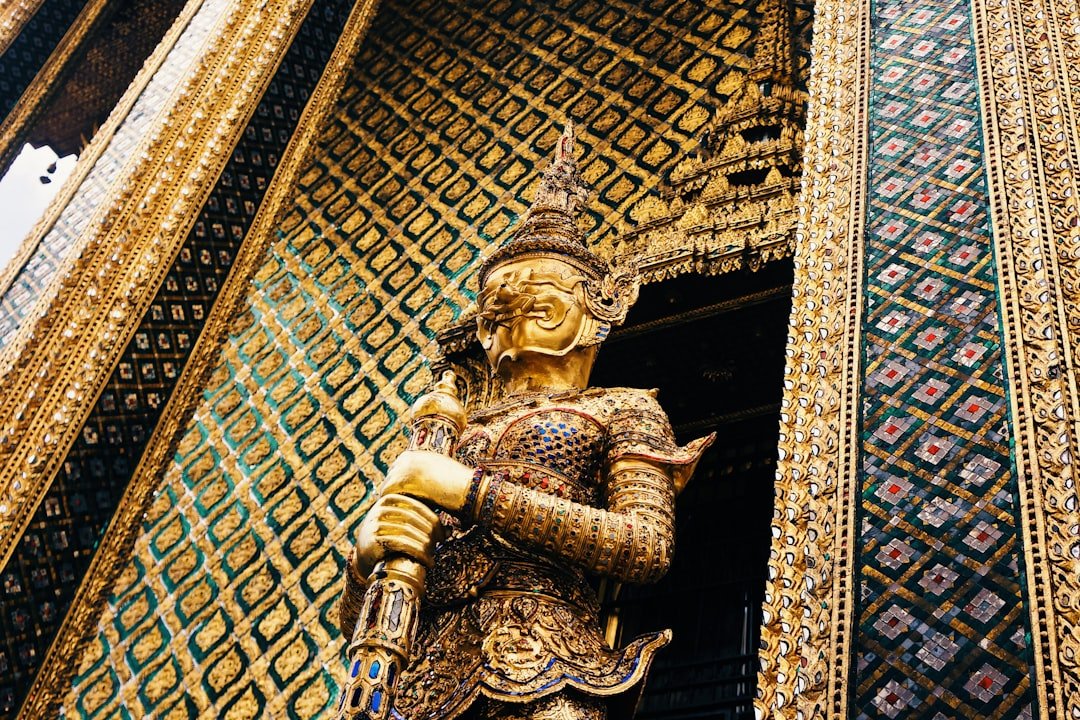
Bangkok is one of the world’s great cities — a sensory overload of temples, markets, street food, nightlife, and urban energy that operates at a pace and intensity found nowhere else in Southeast Asia. The Grand Palace and Wat Phra Kaew (Temple of the Emerald Buddha) are the non-negotiable first stop. Wat Pho (the Temple of the Reclining Buddha, 46 metres long and covered in gold leaf) and Wat Arun (Temple of Dawn, rising above the Chao Phraya River) complete the royal temple circuit. The floating markets of Damnoen Saduak and Amphawa, the Chatuchak Weekend Market (15,000 stalls), and the rooftop bars of Sukhumvit provide the contemporary counterpoint.
2. Chiang Mai
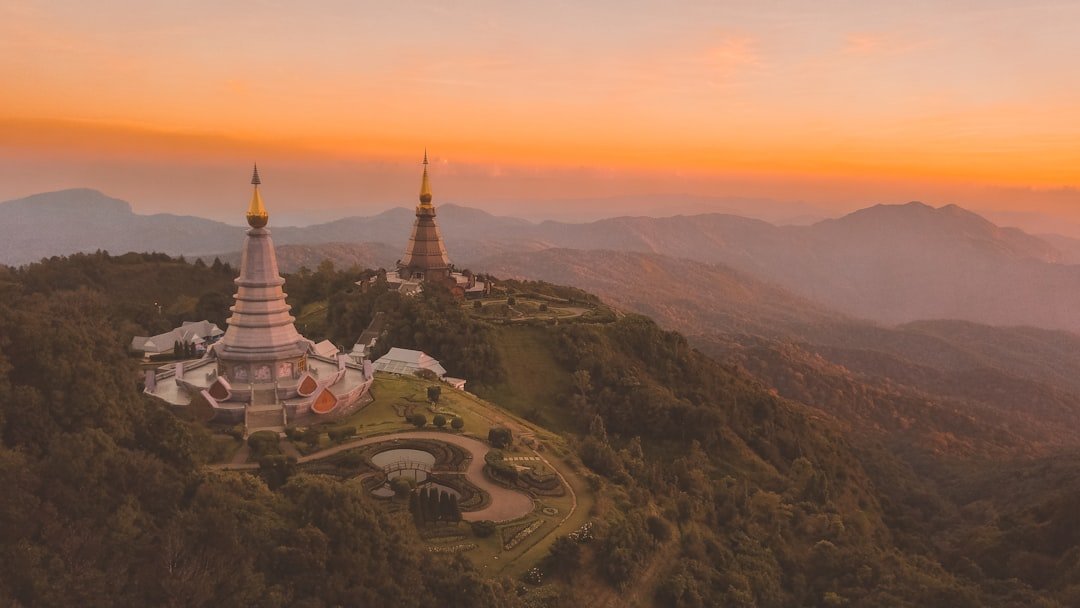
Thailand’s northern capital is the country’s most liveable city and the base for its best cultural and outdoor experiences. The Old City moat contains 30 temples within its walls; Doi Suthep, the mountaintop temple overlooking the city, is the most photographed. The Sunday Walking Street market, the Elephant Nature Park (an ethical sanctuary where rescued elephants roam freely), and the hill tribe villages of the surrounding mountains give Chiang Mai a depth that beach destinations cannot match. The city is also Thailand’s best base for slow travel — excellent co-working infrastructure, a rich café culture, and a cost of living among the lowest in the region.
3. The Southern Islands
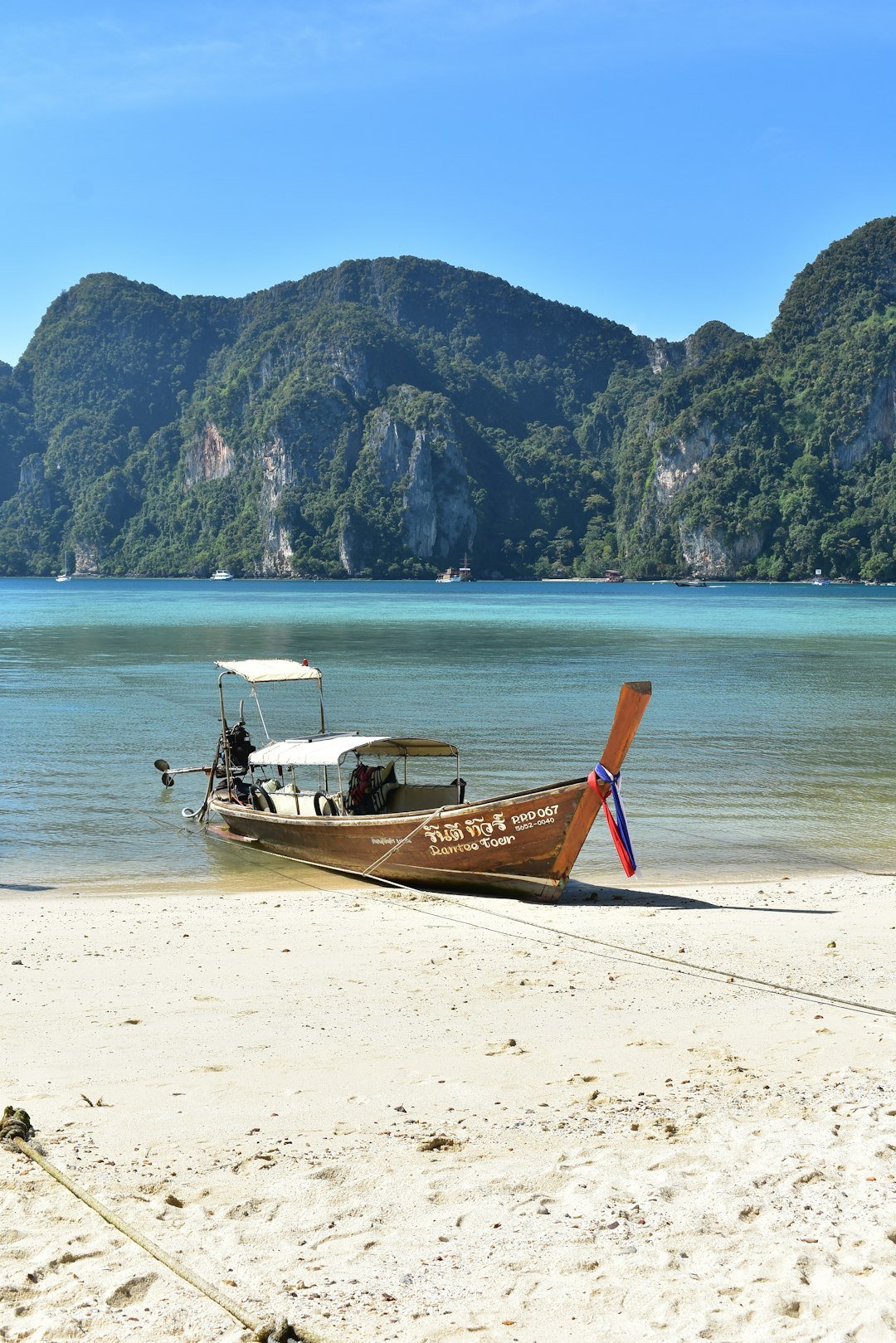
Thailand’s southern archipelago spans both the Andaman Sea (west coast) and the Gulf of Thailand (east coast), offering island experiences across every budget and style. Ko Samui (well-developed, good infrastructure, family-friendly), Ko Pha Ngan (Full Moon Party, quieter beaches on the north coast), Ko Tao (the world’s best-value scuba certification destination), Ko Lanta (relaxed, excellent food, less crowded than the north), and the Similan Islands (world-class diving, only accessible by liveaboard) together represent one of the world’s most diverse island networks.
4-15. The Complete Thailand
Krabi and Railay Beach (limestone karst cliffs rising from the Andaman Sea — Railay is only accessible by boat and has some of the best rock climbing in Asia). Ayutthaya (the former Thai capital, 80km north of Bangkok — temple ruins of extraordinary scale, accessible as a day trip). Pai (a small mountain town in the Mae Hong Son Loop — waterfalls, hot springs, and canyon landscapes popular with slow travellers). Sukhothai (the first Thai kingdom’s capital — UNESCO-listed ruins of remarkable refinement, best explored by bicycle at dawn). Kanchanaburi (the Bridge on the River Kwai, WWII history, and some of Thailand’s most beautiful waterfalls and national parks). Khao Yai National Park (UNESCO-listed, 3 hours from Bangkok — elephants, gibbons, hornbills, and one of Asia’s best wildlife experiences outside a safari context). Ko Chang (Thailand’s third-largest island — quieter than the famous southern islands, good hiking, waterfalls, and long stretches of undeveloped beach). Mae Hong Son (the most remote provincial capital in Thailand — Burmese-style temples, hill tribe markets, and border country landscapes). Hua Hin (Thailand’s oldest beach resort, favoured by the Thai royal family — less frenetic than the island destinations, excellent seafood). Chiang Rai (the White Temple of Wat Rong Khun, the Blue Temple, and the Golden Triangle where Thailand, Laos, and Myanmar meet at the Mekong River). Lopburi (the monkey city — Khmer ruins overrun by hundreds of macaques in one of Thailand’s most surreal urban experiences).