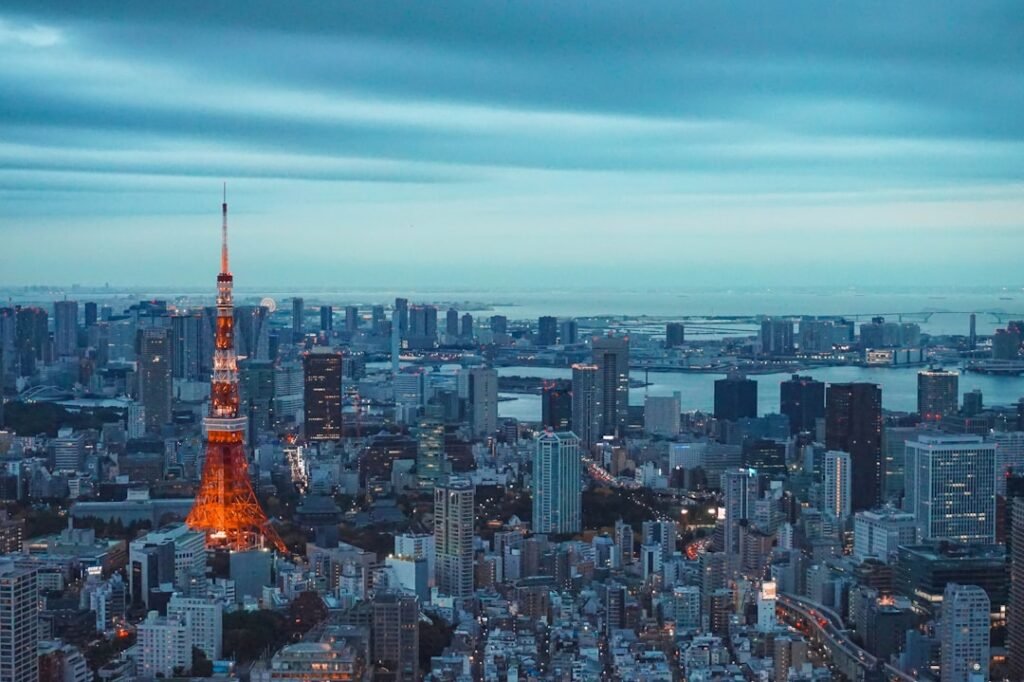
Tokyo is the world’s largest city and, by almost every measure, its best. The combination of extraordinary food (more Michelin stars than any other city on earth), impeccable service, visual environments ranging from ancient temples to hypermodern districts, a transport system that functions with clockwork precision, and a culture that values craft, quality, and public civility at every scale produces a city that consistently exceeds even the highest expectations. These are its 15 most interesting places.
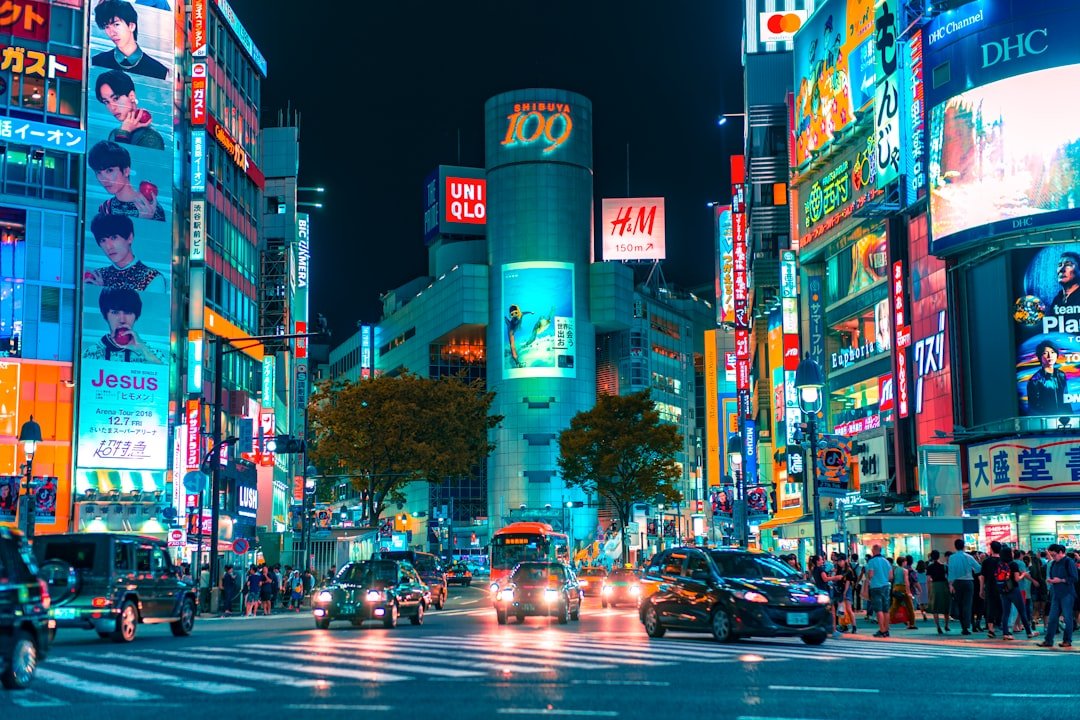
1. Shibuya Crossing
The Shibuya Scramble Crossing — the world’s busiest pedestrian intersection, with up to 3,000 people crossing simultaneously from six directions — is the most iconic visual symbol of Tokyo. It is best experienced from above (the Shibuya Sky observation deck or the Mag’s Park rooftop) and from within (cross it yourself at peak evening rush hour). The surrounding Shibuya neighbourhood offers the densest concentration of shopping, youth fashion, and entertainment in Asia.
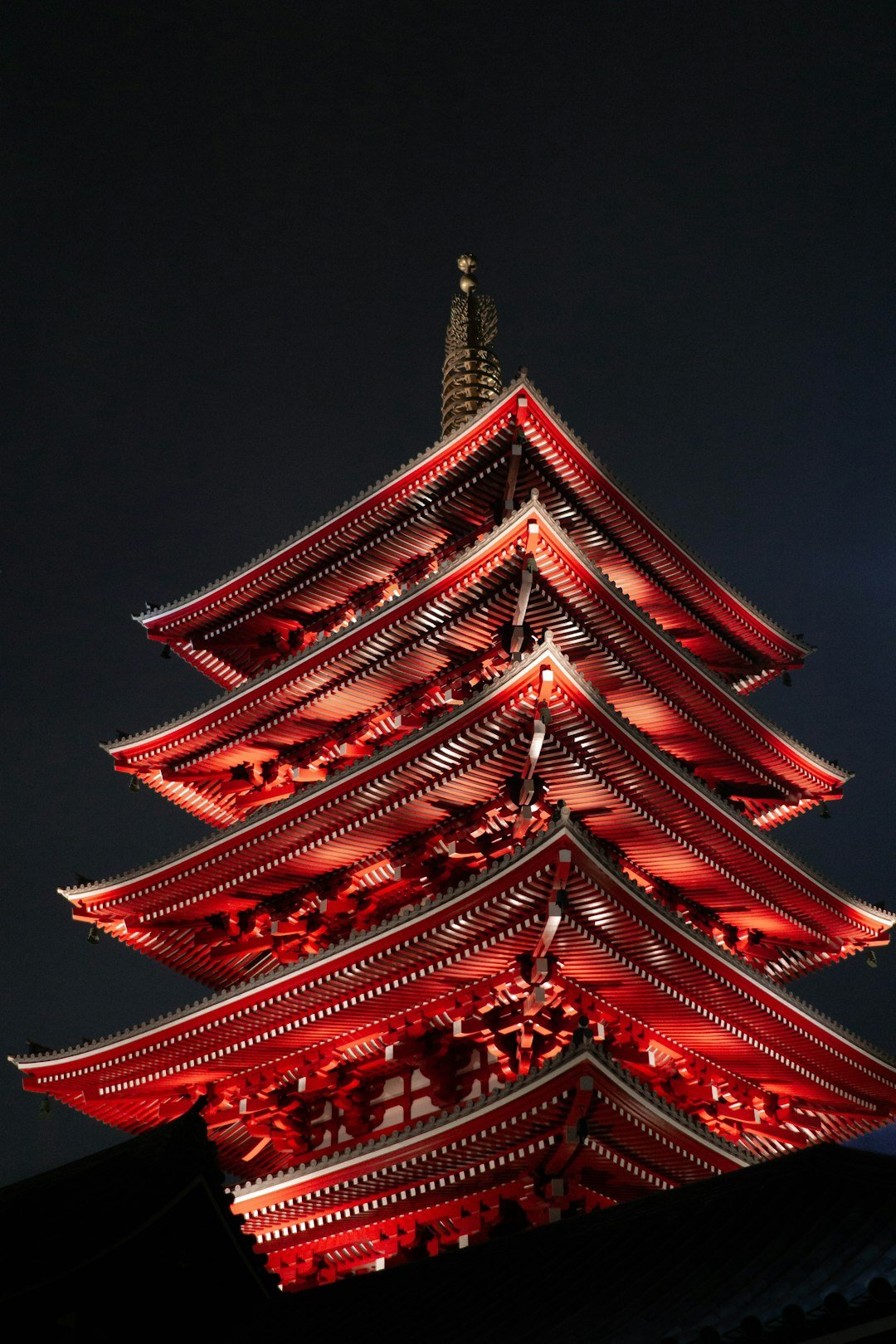
2. Senso-ji Temple, Asakusa
Senso-ji — Tokyo’s oldest temple, founded in 628 AD — is the city’s most visited cultural site. The approach through the Nakamise shopping street (selling traditional crafts and street food), the Kaminarimon thunder gate with its enormous red lantern, and the main hall with its incense smoke and constant activity produce an authentic encounter with Tokyo’s Buddhist heritage even at peak tourist hours. Visit at 6am for the most atmospheric experience — before the crowds, with the incense smoke curling through early morning light.
3. Shinjuku
Shinjuku is the city within the city — Japan’s busiest railway station (3.6 million passengers daily), surrounded by department stores, skyscrapers, neon-lit izakaya alleys (Omoide Yokocho — Memory Lane — with its tiny yakitori stalls), the red-light district of Kabukicho, and the transgender bar district of Ni-chome. The Tokyo Metropolitan Government Building offers free panoramic views from its 45th-floor observation deck. The contrast between the east exit’s neon commercial frenzy and the west exit’s corporate skyscraper calm captures Tokyo’s constant adjacency of contradictions.
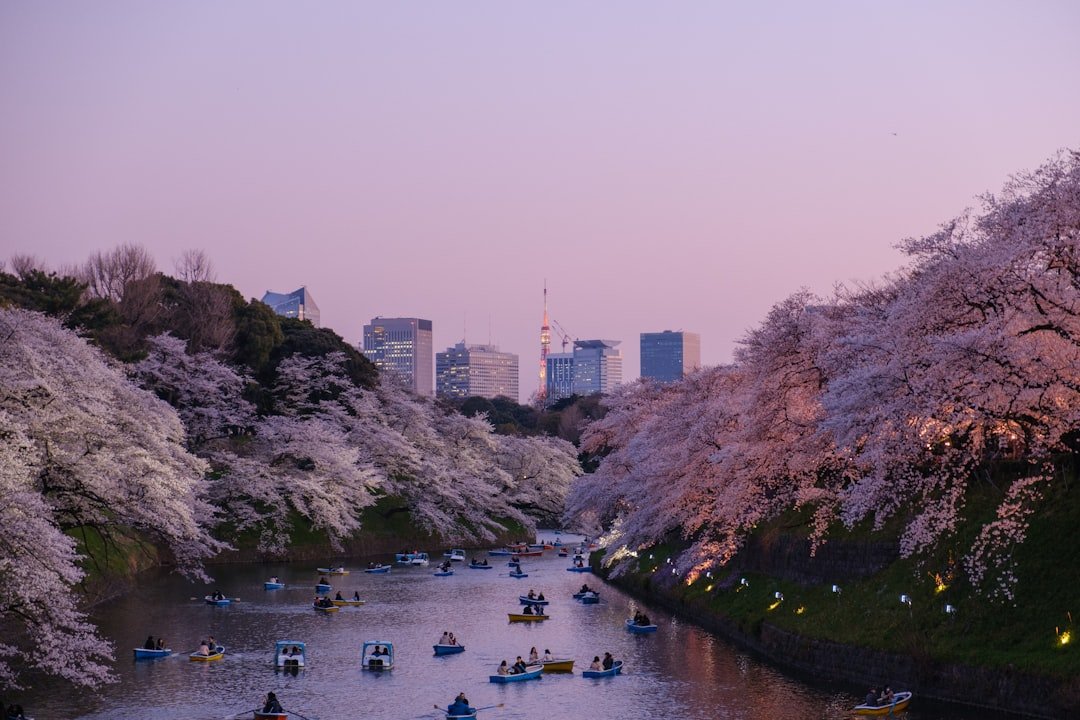
4-15. The Essential Tokyo
Harajuku and Omotesando (the intersection of youth street fashion and luxury retail — Takeshita Street for the most extreme fashion expressions, Omotesando for architecture by Tadao Ando, Herzog & de Meuron, and SANAA). Akihabara (electronics, anime, manga, and gaming culture concentrated into a single overwhelming neighbourhood). Yanaka (Tokyo’s best-preserved old neighbourhood — wooden houses, traditional craft shops, and the Yanaka Cemetery with its enormous cats). teamLab Planets (the most successful digital art installation in the world — immersive rooms of light, water, and flowers that justify the hype). Tsukiji Outer Market (the best morning food experience in Tokyo — fresh sushi, tamagoyaki, and fish skewers from dawn). Ueno Park and Museums (cherry blossom capital of Tokyo, plus the Tokyo National Museum — Japan’s finest collection of art and historical objects). Shimokitazawa (Tokyo’s bohemian neighbourhood — vintage clothing, independent music venues, and the most relaxed atmosphere in the city). Odaiba (the artificial island in Tokyo Bay — the teamLab art museum, the Gundam statue, and the best nighttime view of the Rainbow Bridge). Mount Takao (a 599-metre peak 50 minutes from Shinjuku by train — day hike with views of Mount Fuji on clear days). Tokyo Tower (the 1958 Eiffel Tower-inspired tower still provides excellent city views and is best photographed at night from below). Meiji Shrine (a Shinto shrine in a forested enclave — the most peaceful place in central Tokyo, best experienced at dawn on weekday mornings).