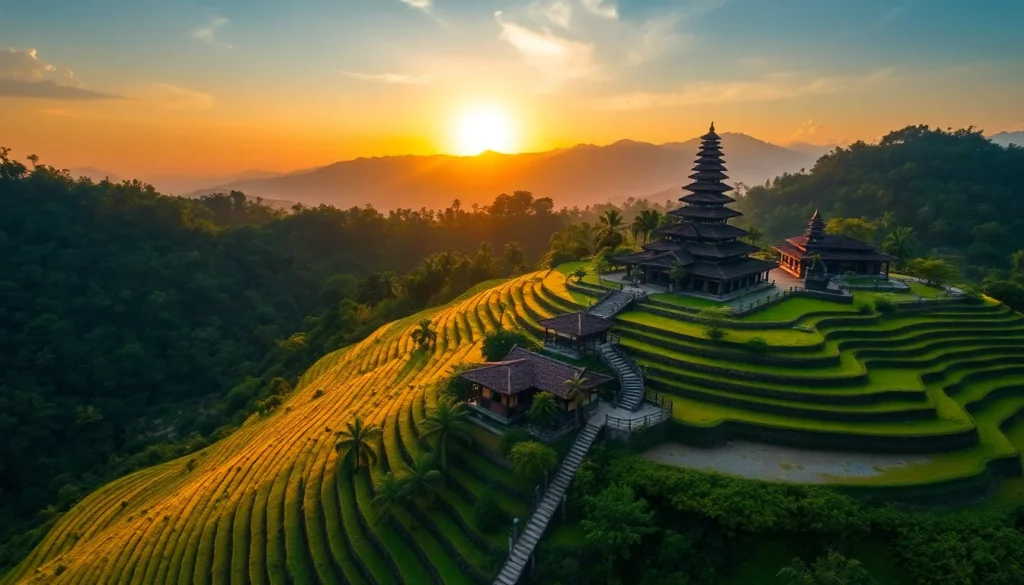
Asia offers some of the most extraordinary travel experiences on earth – ancient temples, world-class food, dramatic landscapes, and genuinely warm hospitality – at price points that make extended travel possible even on modest budgets. The challenge isn’t finding cheap destinations; it’s knowing which ones are worth your time and money and which are living on reputation alone.
This guide covers the best places to visit in Asia on a budget – places where £30 to £40 per day delivers a comfortable, enriching experience rather than a bare-minimum survival exercise.
Best Budget Destinations in Asia
1. Vietnam
Vietnam is consistently the best overall value in Asia for independent travelers. The country spans nearly 1,700 km from north to south and offers dramatically different experiences across its regions: Hanoi’s Old Quarter and Hoan Kiem Lake in the north; the rice terraces of Sapa; Hoi An’s ancient trading town and tailor shops; Hue’s imperial citadel; and Ho Chi Minh City’s energy and history in the south.
Daily budget: A bowl of pho costs 30,000 to 50,000 VND (£1 to £1.80). A comfortable guesthouse room in most cities runs £10 to £20 per night. A motorbike day trip costs £5 to £10. Total comfortable daily budget: £25 to £35.
2. Cambodia
Angkor Wat and the temple complex around Siem Reap are genuine world wonders – and the country surrounding them is extraordinarily affordable. A three-day Angkor pass costs $62; accommodation in Siem Reap runs $15 to $30 per night; local restaurants serve complete meals for $3 to $6.
Beyond Angkor, Phnom Penh (the capital) offers significant historical depth including the Tuol Sleng Genocide Museum and the Royal Palace. The southern coast around Kep and Kampot has a relaxed, genuine character that independent travelers love. Total daily budget including most activities: £25 to £40.
3. Indonesia (Beyond Bali)
Bali has become expensive by Southeast Asian standards – not by Western standards, but budget travelers increasingly look beyond it. Lombok (next door to Bali) offers comparable beaches and Rinjani volcano trekking at lower prices. Yogyakarta in Java is the cultural heart of Indonesia – Borobudur, Prambanan, batik workshops, and exceptional traditional food at remarkable value. The Gili Islands for snorkeling, Raja Ampat for diving (premium but worth it), and Flores for Komodo dragons all offer extraordinary experiences.
Daily budget: Varies significantly by island. Yogyakarta and most of Java run £15 to £25 per day. Lombok is £20 to £30. Bali is £30 to £50.
4. Nepal
For trekkers and outdoor enthusiasts, Nepal offers unparalleled value. The Himalayas are the highest mountains on earth, and the Annapurna Circuit, Everest Base Camp, and Langtang treks are achievable for travelers in reasonable fitness without technical mountaineering experience. Teahouse accommodation and meals along trekking routes are cheap and the scenery is incomparable.
Kathmandu’s Thamel district offers excellent guest houses for £15 to £25 per night. Trekking costs around £20 to £35 per day including teahouse accommodation, meals, and a guide (guides are required for certain areas and worth having regardless). A trekking permit costs $30 to $50 depending on route.
5. Sri Lanka
Sri Lanka packs an astonishing range of experiences into a small island: hill country tea plantations, ancient kingdoms at Anuradhapura and Polonnaruwa, wildlife at Yala, stunning beaches on the south and east coasts, and Sigiriya’s famous rock fortress. The country is small enough to see comprehensively in two to three weeks.
Costs have risen since post-civil war tourism recovery, but remain significantly cheaper than comparable experiences in Europe or Australia. Budget: £30 to £50 per day depending on transport choices and accommodation level. Trains are extremely cheap (and the views in the hill country are among the world’s most scenic rail journeys).
6. Japan (Budget Is Possible)
Japan has a reputation for being expensive that is somewhat overstated. Accommodation in business hotels and capsule hotels runs £30 to £60 per night. Food is remarkable value – a bowl of ramen costs £7 to £10, a sushi train lunch costs £10 to £15. The JR Rail Pass makes long-distance travel cost-effective for visitors staying three weeks or more.
Japan is not budget travel in the Southeast Asian sense, but it rewards the traveler who plans carefully. The combination of cultural richness, food quality, efficiency, and safety is unmatched anywhere in the world.
Best Budget Travel Tips for Asia
- Eat where locals eat – street food and local restaurants cost a fraction of tourist establishments and are often better
- Use overnight buses and trains for long journeys – saves on accommodation and transit simultaneously
- Book accommodation on arrival in quieter destinations rather than in advance – better prices, more flexibility
- Learn a few words in the local language – it transforms interactions and occasionally produces discounts
- Travel slow – staying longer in fewer places is always cheaper than rushing through many
If you’re combining an Asian trip with a European one, our guide on the best places to visit in Europe on a budget covers the best-value European destinations with comparable depth.
Frequently Asked Questions
What is the cheapest Asian country to visit?
Vietnam, Cambodia, and Nepal consistently rank as the cheapest for independent travelers seeking a combination of cultural depth and natural beauty. Bangladesh and Myanmar offer even lower prices but require more travel experience and research.
How much money do I need per day in Southeast Asia?
A comfortable backpacker budget in Vietnam, Cambodia, or Indonesia runs £25 to £40 per day including accommodation, food, local transport, and activities. Thailand is slightly higher at £30 to £50. Singapore and Hong Kong are comparable to Western European cities.
Final Thoughts
Asia’s budget destinations aren’t consolation prizes – Vietnam, Nepal, Cambodia, and Sri Lanka are among the most rewarding destinations on earth for any type of traveler. The value they offer simply means you can stay longer, see more, and return home without financial damage. Plan one trip there, and you’ll understand why so many travelers go back.
nn