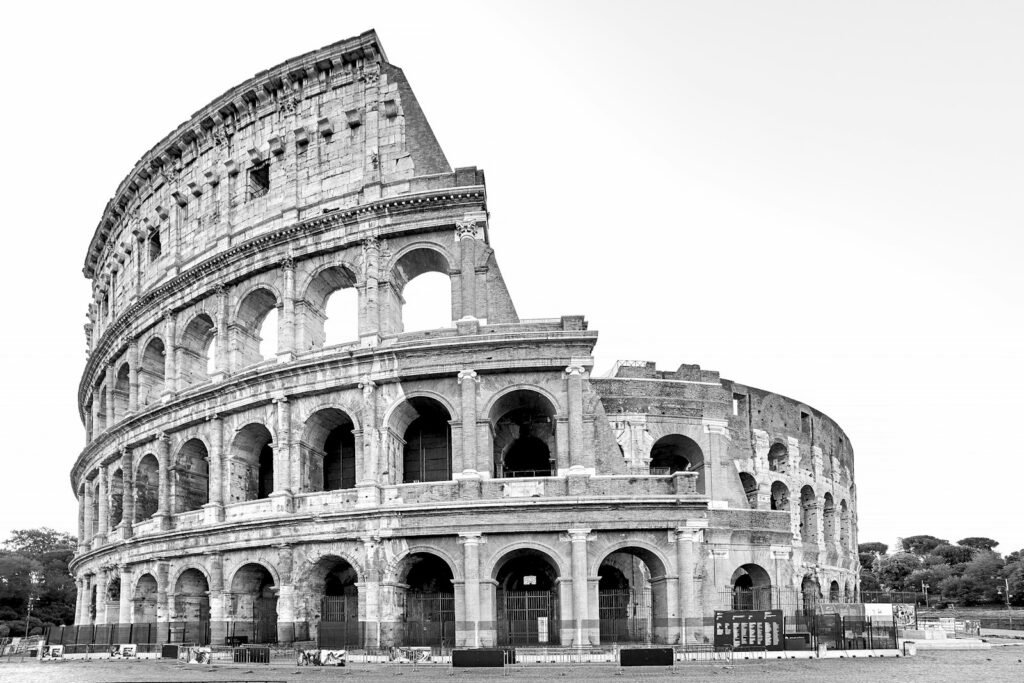
Choosing when to visit Rome makes a bigger difference to your trip than most people realise. I learned this the hard way on my first time there, which was part of a week-long trip through Italy. I tried to pack in Rome, Florence and Venice in seven days, which was already too ambitious. We were in Rome in June, and what I did not account for was the heat. Walking from the Colosseum to the Vatican at midday in 30-something degrees with a heavy rucksack is not the dreamy Roman holiday you see in films. We spent our best afternoon hours retreating to air-conditioned cafes, which ate into both the sightseeing and the budget. I would have planned it very differently.
This post contains affiliate links. If you book through them, I may earn a small commission at no extra cost to you.
TL;DR: best time to visit Rome
- April to May and September to October are the clear sweet spots: comfortable temperatures, manageable crowds, and outdoor dining that is actually enjoyable
- October is arguably the best single month: warm sunshine (the locals call it Ottobrata Romana), lighter crowds and prices starting to ease
- July and August are the worst for sightseeing: temperatures push 35C+ and every major attraction is at maximum capacity
- Winter (January to February) is the cheapest and most peaceful time, but cooler and occasionally wet
- Book Colosseum and Vatican tickets at least two to three weeks ahead regardless of when you visit: they sell out year-round
- If you are going in summer, start every outing before 9am and take a long break between 1pm and 4pm
Which season suits you? A quick-decision table
| Traveller type | Best time to visit |
|---|---|
| First-timer wanting the full experience | April or October |
| Budget traveller with flexible dates | January or February |
| Families on school holidays | Easter week or late September |
| Beach plus city combination | Late June (before peak heat) or September |
| Avoiding peak queues | February or November |
| Festivals and events | Easter, June/July open-air season, Christmas |
When is the best time to visit Rome?
The best time to visit Rome is during the shoulder seasons: April to May in spring and September to October in autumn. Temperatures sit between 18C and 25C, rainfall is low, and you can walk between sites without needing to stop every twenty minutes.
Rick Steves identifies April, May, June, September, October and early November as Rome’s best travel months. The honest caveat: these are also the busiest and most expensive. The practical answer is to target April to May or September to October, which gives you the pleasant conditions without the full summer crowd intensity.
Who it suits: First-time visitors, couples, and anyone who wants to see the main sites without being overwhelmed by heat and queues.
Watch out: Easter weekend brings a significant spike in visitors, particularly around St Peter’s Square and the Vatican. If your trip falls near Easter, book everything well ahead or factor in longer queues and higher nightly rates.
Spring in Rome (March to May)
Is spring a good time to visit Rome?
Spring is one of the best times to visit Rome, particularly from mid-April when temperatures settle into a comfortable 17-22C. The city’s parks and public gardens come into bloom, café terraces open up, and the evenings are long enough for a post-dinner walk through the historic centre without needing a jacket.
March is the variable month: it can be warm and clear, but showers are common. By April the weather is reliably pleasant, though Easter weekend always brings a surge of visitors and higher prices. May sits at the top of many travellers’ lists: warm without being hot, long evenings, and the city at its most vibrant.
Who it suits: First-timers and couples who want good sightseeing weather and an active city atmosphere. Also well-suited to anyone ticking off the big sights, since the outdoor sites like the Roman Forum and the Palatine Hill are genuinely enjoyable at these temperatures.
Watch out: Hotels and apartments fill up fast in April and May. Book accommodation at least six to eight weeks ahead, and buy Colosseum, Vatican and Borghese Gallery tickets as soon as your dates are confirmed. The Borghese Gallery runs on timed entry and sells out weeks ahead.
Recommended hotels in Rome (spring)
- Budget (under GBP80/night): Generator Rome – stylish hostel-hotel hybrid near Termini station, excellent for solo travellers and couples on a budget
- Mid-range (GBP80-GBP180): Hotel Campo de Fiori – rooftop terrace, central location in one of Rome’s most lively squares
- Luxury (GBP180+): Hotel de Russie – Rocco Forte property with a beautiful garden, close to the Piazza del Popolo
Summer in Rome (June to August)
How hot does Rome get in summer?
Rome summers are genuinely hot. July and August regularly see temperatures above 35C (95F), and Rome’s Mediterranean climate is dry and sunny through the summer months, which means there is little relief from the heat unless you find shade or air conditioning.
June is the most manageable summer month, especially the first two weeks before the European school holidays drive up crowds. July tips into uncomfortable territory for sustained outdoor walking. August is the most extreme: Ferragosto (Italy’s national summer holiday, centred on 15 August) sends Rome’s own residents to the coast, so some local restaurants and shops close while tourist areas become disproportionately busy.
If summer is your only window, plan sightseeing for 8am to 12pm and 6pm onwards. Use the afternoon heat as an excuse for a long lunch. Rome’s free nasoni drinking fountains, the small iron taps scattered across the city, produce reliably cold water and are far more useful than they look on a 35C day.
Who it suits: Visitors whose dates are fixed by school holidays, and those combining Rome with a beach destination where summer is the right season for the coast.
Watch out: The Colosseum and Vatican queues are at their longest from late June through August. Even with pre-booked timed entry, security checks add around 30 to 45 minutes. An early-access or skip-the-line tour is worth the extra cost in summer more than at any other time of year.
Tours worth booking ahead (summer)
- Skip-the-line Colosseum and Roman Forum: GetYourGuide Rome – around GBP25-35 per person, saves significant time
- Early morning Vatican access (pre-general opening): available via GetYourGuide and Viator; genuinely transformative in peak summer
- Evening food tour through Trastevere or Testaccio: operates after the heat breaks and gives a much better sense of Roman daily life than daytime sightseeing
Autumn in Rome (September to October)
Is October a good time to visit Rome?
October is one of the best months to visit Rome, and the one I would recommend to most people with flexible dates. The summer crowds have thinned significantly, temperatures sit around 20-22C, and the afternoon light has a quality that makes the city look its most beautiful.
October has a specific cultural status among Romans: they call it Ottobrata Romana, a term for the warm, golden days that extend well into the month. Trailfinders rate October alongside April and May as the best months for weather and atmosphere. The difference is that October tends to be slightly less expensive and less crowded than the spring peak.
September is excellent from mid-month onwards once the summer rush has subsided but the warmth remains. All restaurants and outdoor terraces are still open, evening temperatures are comfortable, and prices on accommodation start to ease back from their summer levels.
Who it suits: Anyone with date flexibility, especially those who want the best combination of good weather, manageable queues and lower prices. October is the strongest overall case.
Watch out: November marks the transition into Rome’s wetter season. Early November is still reasonable for sightseeing, but by mid-November rainfall increases and some outdoor spaces lose their appeal.
Recommended hotels in Rome (autumn)
- Budget (under GBP80/night): Hostel Beautiful Rome – well-reviewed, central, good value in the quieter season
- Mid-range (GBP80-GBP180): Hotel Locarno Rome – art deco property near the Piazza del Popolo, reliable comfort
- Luxury (GBP180+): Palazzo Montemartini – converted early 20th-century building, spa, exceptional service
Winter in Rome (November to February)
Is winter a good time to visit Rome?
Winter in Rome is the right choice for budget-conscious travellers and anyone who genuinely wants to explore without competition. From November to February, Rome quietens significantly, queues at the Colosseum and Vatican shorten to a fraction of their summer length, and accommodation reaches its lowest prices of the year.
Temperatures sit around 8-12C in January and February: cold enough for a proper coat, but not so cold that outdoor sightseeing becomes impossible. Rome sees very little snow, so the city remains fully operational. Christmas brings a short spike in visitors around the Vatican and the Christmas markets, but January is Rome at its most honest: unhurried restaurants, accessible piazzas, and a city that belongs to the people who live there.
The main downside is rain. November and December are the wettest months of the year in Rome. Pack a compact umbrella and build some indoor time into your day.
Who it suits: Travellers who prioritise cost and authenticity over guaranteed sunshine, or anyone returning for a second or third visit who already knows the main sights.
Watch out: Some smaller outdoor cafes and restaurants reduce their hours in winter. Always check ahead for any site-specific closures around public holidays.
Rome weather by month: at a glance
| Month | Avg temp | Crowd level | Notes |
|---|---|---|---|
| January | 8C | Very low | Cheapest flights and hotels; quiet piazzas |
| February | 10C | Low | Carnival events; city feels local |
| March | 13C | Low-Medium | Weather improving; Easter risk if dates align |
| April | 17C | High | Sweet spot; book well ahead |
| May | 21C | High | Peak season begins; best weather for walking |
| June | 26C | Very high | Hot but manageable early in the month |
| July | 30C | Very high | Hottest month; pace yourself carefully |
| August | 30C | High/chaotic | Ferragosto; locals leave, prices stay high |
| September | 26C | Medium-High | Excellent option; prices ease after peak |
| October | 21C | Medium | Best overall month for most travellers |
| November | 14C | Low | Wetter; peaceful sightseeing |
| December | 10C | Low-Medium | Christmas atmosphere; short price spike |
When to visit Rome: shoulder season vs peak season
The choice between shoulder season and peak season Rome comes down to what you are optimising for. If the priority is the best overall experience, shoulder season (April to May or September to October) wins on almost every measure: better temperatures for walking, shorter queues at the big sites, more pleasant outdoor dining, and prices that are lower than summer without falling to winter minimums.
Peak summer brings longer daylight hours and a specific city energy in June and July that some visitors enjoy. But the heat in July and August is not a minor inconvenience. It genuinely limits how much you can cover on foot in the middle of the day and changes the rhythm of the whole trip.
For most visitors, the question is not summer versus shoulder but which shoulder season: spring or autumn. April to May gives longer evenings and a more festive city buzz as the season opens up. September to October gives slightly lower prices, the famous October sunshine, and a city where the locals have returned from their summer breaks and reopened their best neighbourhood restaurants.
Our guide to the best area to stay in Rome covers every neighbourhood in detail.
There is no genuinely bad time to visit Rome: every season has something to offer. But if you have a real choice, mid-April through May or the first three weeks of October will give you the best return on your time and money. Plan the key sites around our guide to things to do in Rome and book the big tickets the moment your dates are confirmed, whatever month you are going.
Always check the latest travel advisories from your government before travelling.
Frequently asked questions
What is the best month to visit Rome?
October is the single best month for most visitors. Temperatures are comfortable (around 20-22C), the summer crowds have cleared, and accommodation prices are lower than peak season. April and May are close seconds if you prefer spring.
Is Rome too hot in July?
For most visitors, yes. Temperatures regularly exceed 35C in July, making outdoor sightseeing between about 11am and 5pm genuinely exhausting. If July is your only option, plan all outdoor activity for early mornings and evenings, and use the afternoon break for a long lunch and air-conditioned rest.
What is the cheapest time to visit Rome?
January is historically the cheapest month for both flights and hotels. February is similarly affordable. Queues at every major site are significantly shorter, and the city has a much more local atmosphere.
Do I need to book Colosseum tickets in advance?
Yes, regardless of when you visit. Colosseum tickets sell out well ahead of time from April through October. Book through the official website or a reputable tour provider as soon as your trip is confirmed, not once you arrive.
Is Rome worth visiting in winter?
Yes, particularly if you want to explore without crowds and keep costs down. Temperatures of 8-12C in January and February are cold but manageable, and most major sites remain open. The main compromise is that Rome’s outdoor dining and café culture is much less appealing in wet, cold weather.