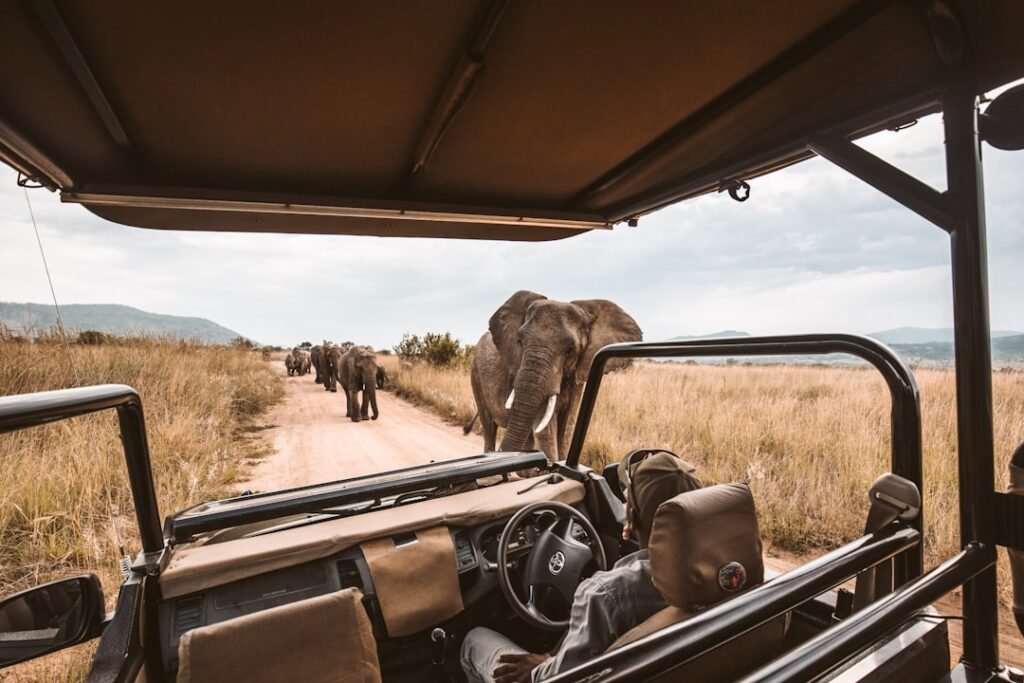
Choosing between the best safari destinations in Africa is harder than it looks, because every reserve sells itself as the best. The truth is that each one is best at something different: the Masai Mara for big cats and river crossings, the Okavango for wilderness and wild dog, Kruger for value and self-driving, Rwanda for mountain gorillas. This guide compares seven of the continent’s top safari regions, when to go to each, what a trip realistically costs, and how to match a destination to your budget and wildlife wish list.
An African safari is one of travel’s most transformative experiences — not because of any single moment, but because of the cumulative effect of spending days in an environment where humans are not the dominant species. The scale of the landscapes, the unpredictability of wildlife encounters, and the profound silence of the bush at dawn produce a perspective shift that is difficult to replicate anywhere else.
Masai Mara, Kenya
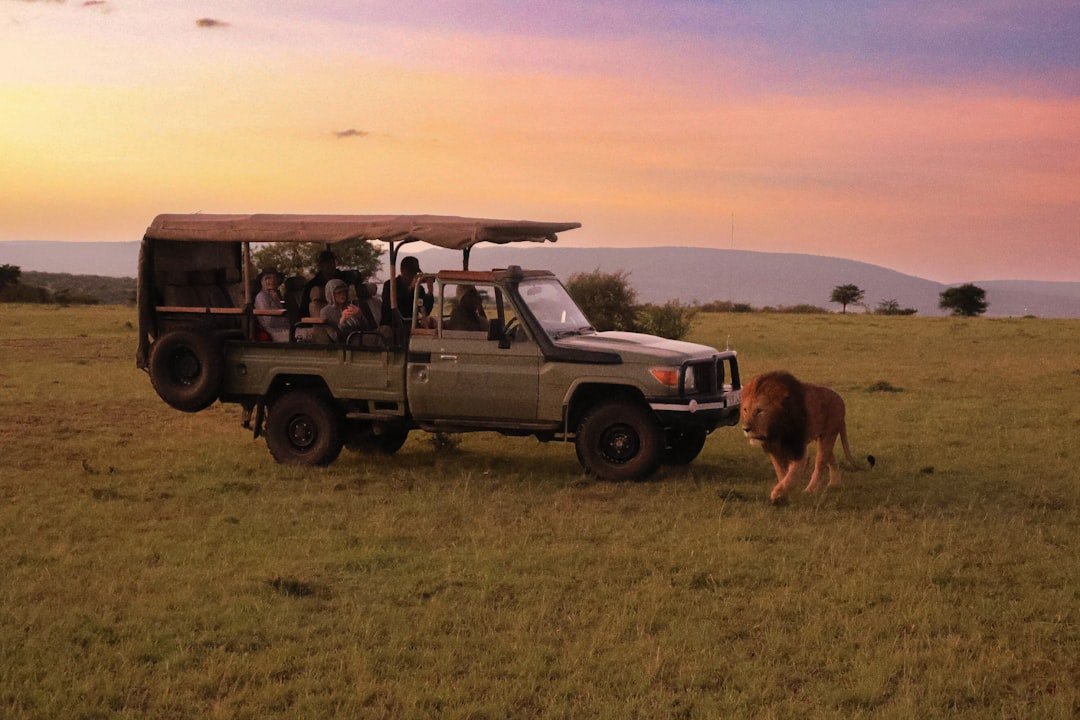
The Masai Mara is Kenya’s premier safari destination and one of the best in the world. The reserve forms part of the same ecosystem as Tanzania’s Serengeti, and the Great Migration — when roughly 1.5 million wildebeest, plus zebra and gazelle, move between the two — reaches the Mara between about July and October. The Mara River crossings, with crocodiles waiting below the banks, are the most dramatic wildlife spectacle on earth, though timing is never guaranteed: herds can wait for days before plunging in.
Outside migration season the Mara still has exceptional lion, leopard, cheetah, elephant and buffalo populations year-round, and fewer vehicles. The private conservancies bordering the reserve (Ol Kinyei, Mara North, Naboisho) are the smarter choice for many travellers: they cap vehicle numbers and allow off-road driving, walking and night drives that are not permitted inside the main reserve. For more on the rest of the country, see our guide to interesting places in Kenya.
Serengeti and Ngorongoro, Tanzania
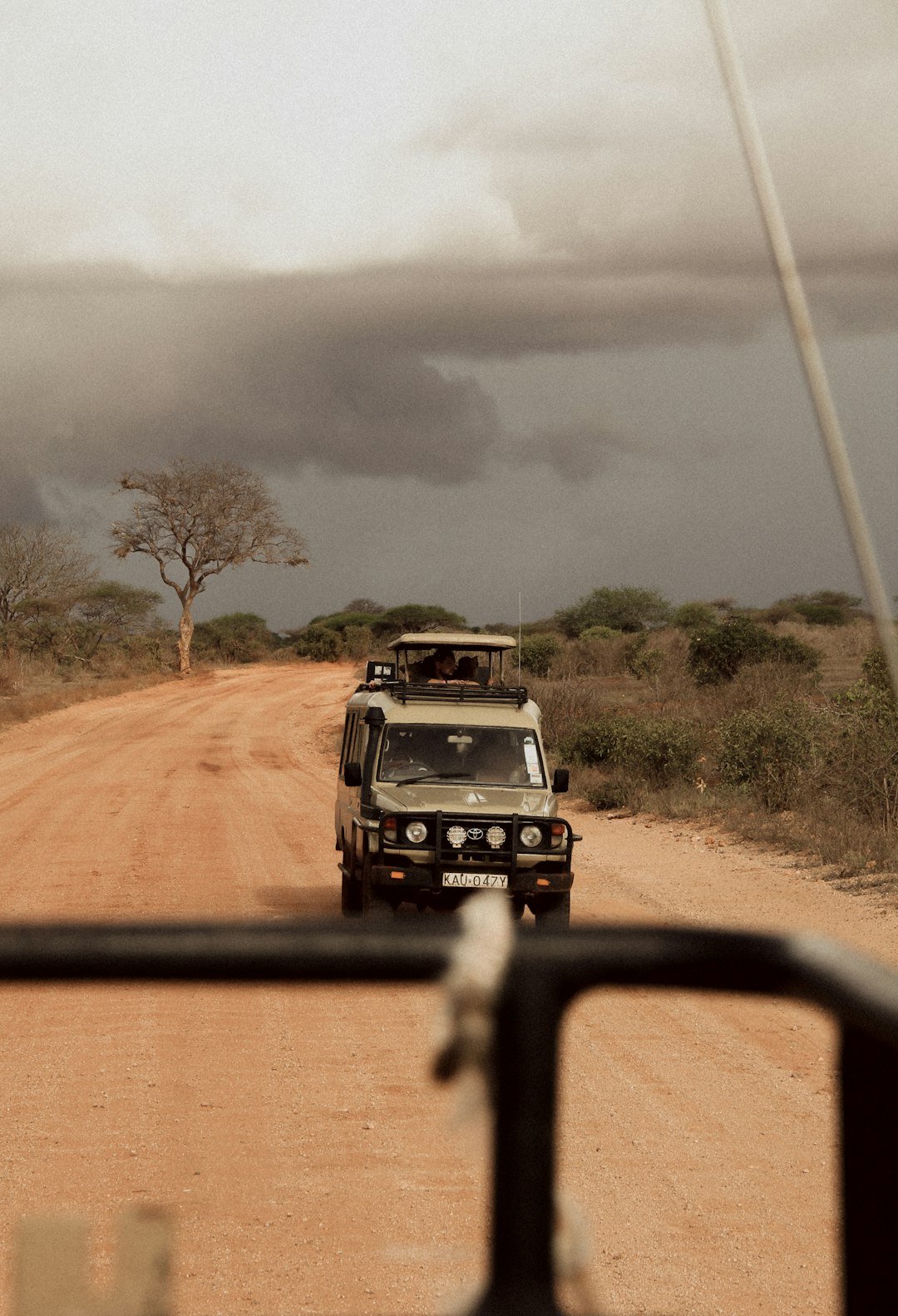
The Serengeti is Africa’s most famous safari park — 14,750 square kilometres of open savanna, acacia woodland and granite kopjes that host one of the highest concentrations of large mammals on the planet. The migration is in the Serengeti for most of the year: the southern Ndutu plains from roughly January to March for the calving season (hundreds of thousands of calves born in a few weeks, with predators close behind), the western corridor around May to July, and the far north near the Kenyan border from July onwards.
The central Seronera region delivers reliable year-round game, including some of the best leopard viewing in East Africa. Most itineraries combine the Serengeti with the Ngorongoro Crater, a collapsed volcano whose roughly 260 square kilometre floor holds lions, elephants, hippos and one of the few places in Tanzania where black rhino are seen with some regularity. Tarangire, famous for its baobabs and large elephant herds in the dry season, completes the classic northern circuit. Our Tanzania guide covers Zanzibar and Kilimanjaro add-ons.
Okavango Delta, Botswana
The Okavango Delta is one of the world’s most extraordinary landscapes — a vast inland delta in the middle of the Kalahari, created when the Okavango River spreads across a flat basin and evaporates rather than reaching the sea. The result is a mosaic of channels, islands and floodplains that supports African wild dog (one of the continent’s most endangered predators), lion, leopard, elephant, hippo and hundreds of bird species. Counter-intuitively, the floodwaters arrive in the dry season, peaking around June to August, when animals concentrate on the islands.
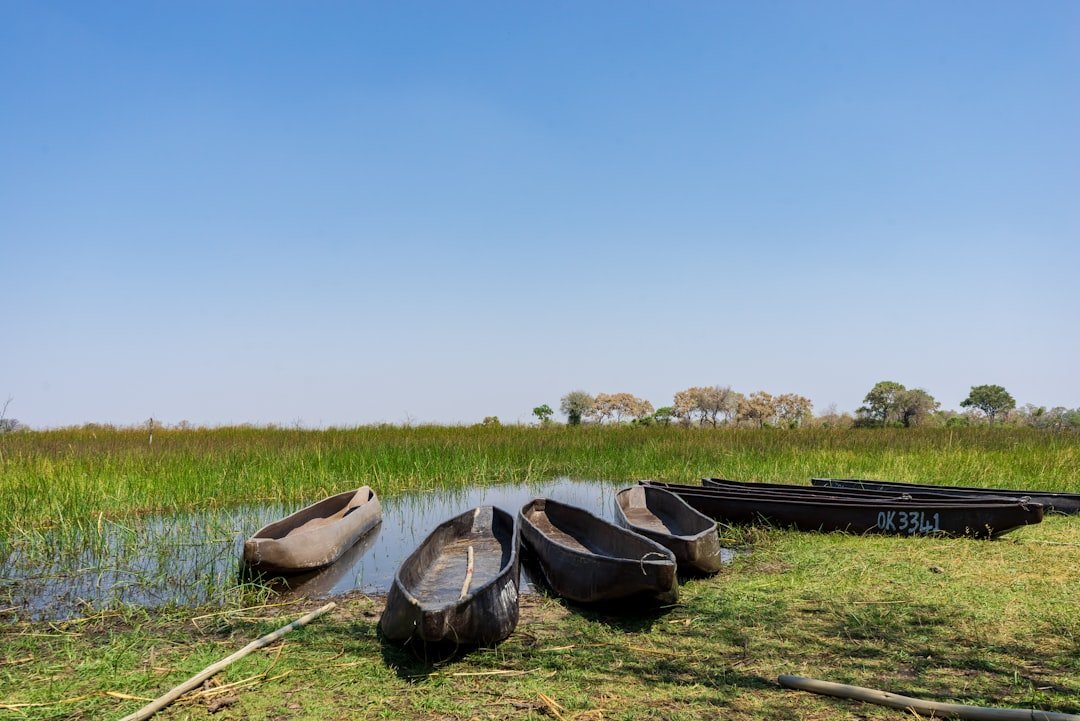
Botswana’s high-cost, low-volume tourism policy has kept the delta genuinely wild: small camps, few vehicles, and activities that include gliding through reed channels in a mokoro (dugout canoe) and guided walks. It is the most expensive safari destination in Africa and, for many seasoned travellers, the most rewarding. Pair it with Chobe National Park for some of the largest elephant herds on the continent. If you are considering a high-end trip, our luxury safari guide goes deeper into lodge styles.
Kruger and the Sabi Sands, South Africa
Kruger is Africa’s most accessible Big Five destination — nearly 20,000 square kilometres bordering Mozambique, with tarred main roads, well-run rest camps and self-drive options that make a safari possible without a guide. You can book directly with SANParks, the national parks authority, which keeps costs remarkably low compared to East Africa or Botswana.
The private reserves along Kruger’s western edge — Sabi Sands, Timbavati, Klaserie — offer the most reliable leopard sightings in Africa, open-vehicle drives with expert trackers, and off-road access to follow animals. For first-time visitors on a limited budget, self-drive Kruger is the best entry point; for those who want guaranteed intensity, two or three nights in a private reserve is hard to beat. Kruger also combines easily with Cape Town and the Winelands. Being malaria-free, the Madikwe and Eastern Cape reserves are a good alternative for families with young children.
South Luangwa, Zambia
South Luangwa is where the walking safari was popularised, and it remains the best place in Africa to experience the bush on foot with an armed guide and scout. The Luangwa River and its oxbow lagoons attract dense populations of hippo, elephant, buffalo and an impressive number of leopards, which are often seen on night drives. Thornicroft’s giraffe is a local subspecies found here and almost nowhere else. Most camps close or operate partially during the rainy season (roughly December to March), so the main window is June to October, with the dry, hot months of September and October producing the best concentrations around water.
Etosha, Namibia
Etosha is built around a huge salt pan of about 4,800 square kilometres, blindingly white in the dry season. Animals come to a network of waterholes rather than the other way round, which makes Etosha one of the easiest parks in Africa to self-drive: park beside a waterhole in the late afternoon and wait. The floodlit waterholes at the rest camps are famous for black rhino and elephant after dark. Etosha is usually combined with the red dunes of Sossusvlei and the Skeleton Coast on a road trip, making Namibia ideal for independent travellers who want landscapes as much as wildlife.
Volcanoes National Park, Rwanda
Gorilla trekking is not a classic savanna safari, but it is the wildlife encounter many travellers rank above everything else. In Volcanoes National Park, small groups hike through bamboo and montane forest on the slopes of the Virunga volcanoes to spend one hour with a habituated mountain gorilla family. Treks can take anywhere from one to several hours on steep, muddy ground. Permits are limited and expensive — around USD 1,500 per person at the time of writing; check current rates with the Rwanda Development Board. Many visitors add a few days in the Masai Mara or Serengeti to combine gorillas and the Big Five in one trip.
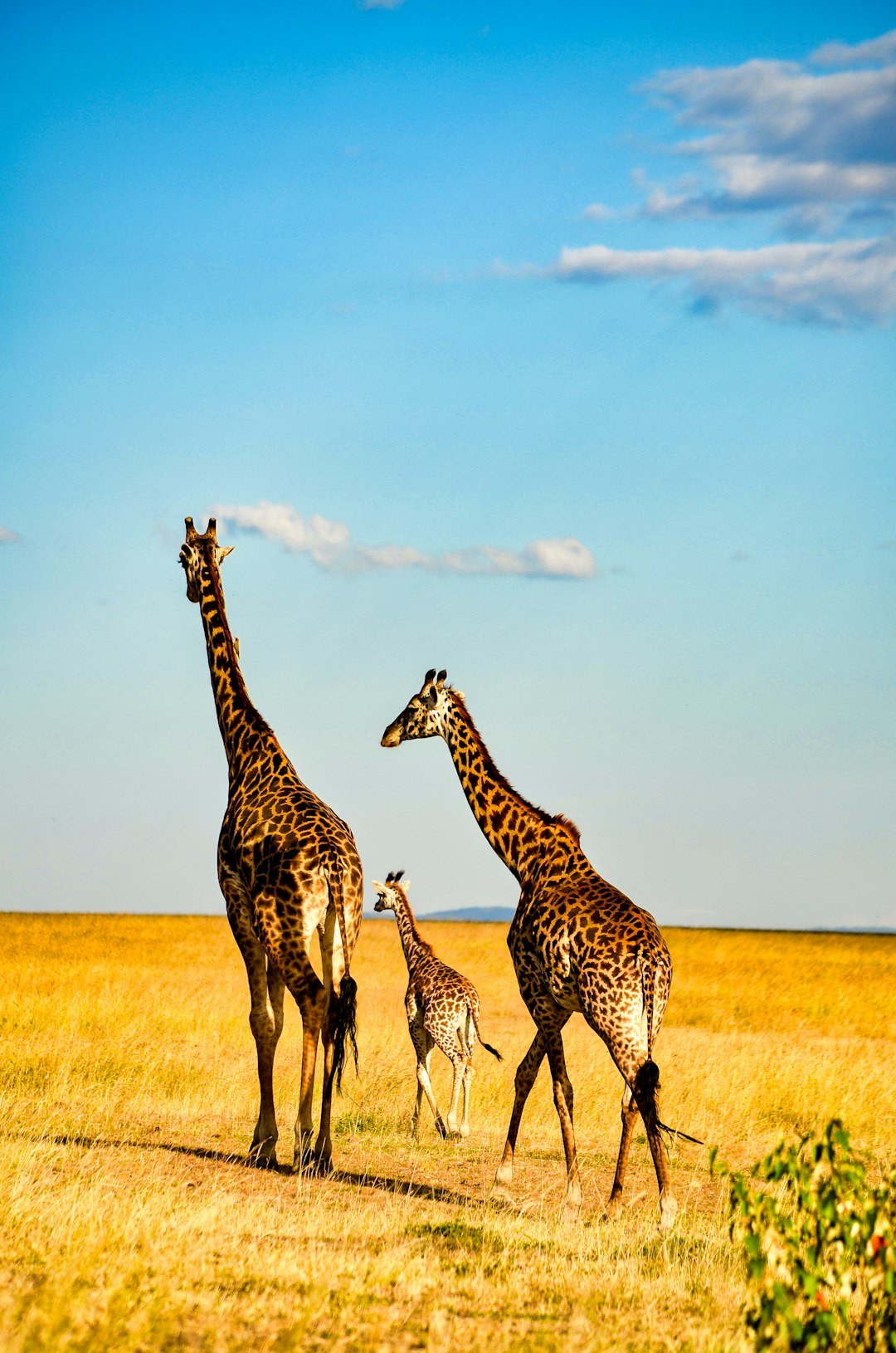
Best time to go on safari in Africa
For most of East and Southern Africa, the dry season is the best time for game viewing: vegetation thins, grass is short, and animals gather around rivers and waterholes. In practice that means roughly June to October across Kenya, Tanzania, Botswana, Zambia, Namibia and Kruger. Dry season is also peak season, so prices are highest and the best camps book up a year ahead.
The green or shoulder seasons (roughly November to May, varying by country) are underrated. Landscapes turn lush, migratory birds arrive, many animals give birth, and lodge rates can fall significantly. Tanzania’s calving season in the southern Serengeti falls squarely in this period. The main trade-offs are afternoon storms, some road closures, and in Zambia, seasonal camp closures. Gorilla trekking runs year-round, though the drier months make the hiking easier.
How much does an African safari cost?
Costs vary more than almost any other kind of trip, so treat these as rough estimates per person per night, excluding international flights. A self-drive Kruger or Etosha trip staying in national park rest camps can run from around €80 to €200 including car hire, fuel and park fees. A mid-range guided safari in Kenya or Tanzania with lodges or tented camps typically falls between €250 and €600. Private conservancies, Sabi Sands lodges and smaller Okavango camps commonly range from €700 to €2,000 or more, all-inclusive with activities.
Budget for the extras as well: park and conservancy fees (often USD 70 to 200 per person per day in East Africa), light-aircraft transfers in Botswana, gratuities for guides and camp staff, visas, vaccinations and comprehensive cover — our travel insurance guide explains what to look for when travelling to remote areas.
How to choose the right safari destination
Start with your priorities. If you want the migration and big cats, choose the Masai Mara or Serengeti and time your trip to the herds. If you want remote wilderness and few other vehicles, Botswana or Zambia will suit you better. If budget matters most, or you love the independence of a road trip, Kruger and Etosha are ideal. For gorillas, Rwanda is the most straightforward option.
Then consider practicalities: travelling with children (look for malaria-free reserves and camps that accept younger ages), mobility (walking safaris and gorilla treks are physically demanding), and time. Four nights is the realistic minimum for a satisfying safari; six to eight nights across two contrasting areas is the sweet spot. First-timers can also browse our wider guide to the best places to visit in Africa for first-timers.
Frequently Asked Questions
Which country has the best safari in Africa?
There is no single winner. Tanzania and Kenya offer the Great Migration and the highest density of big game; Botswana offers the most exclusive wilderness experience; South Africa offers the best value and easiest logistics. For a first safari, Kenya, Tanzania or South Africa are the most reliable choices for seeing a wide range of animals in a short time.
How many days do you need for a safari?
Plan for at least four nights in the bush, as wildlife sightings are unpredictable and one or two days often feel rushed. Six to eight nights lets you combine two contrasting areas, such as the Serengeti and Ngorongoro, or Kruger and the Okavango. Add a couple of days for gorilla trekking or a beach extension in Zanzibar or Mozambique.
Where can you see the Big Five in Africa?
The Big Five — lion, leopard, elephant, buffalo and rhino — can be seen in the Masai Mara, the Serengeti and Ngorongoro Crater, Kruger and its private reserves, and several reserves in the Eastern Cape. Rhino is usually the hardest to find, so the Ngorongoro Crater and South African reserves give you the best odds of completing the set.
What is the cheapest way to do an African safari?
A self-drive trip through Kruger in South Africa or Etosha in Namibia, staying in national park rest camps or campsites, is the most affordable option. You avoid guide fees and lodge premiums while still seeing excellent wildlife. Travelling in the shoulder or green season and joining small-group camping safaris in Tanzania or Kenya can also reduce costs considerably.