Some landscapes look like paintings. These look like the earth showing off. If you’re planning a trip around scenery rather than cities, this is the shortlist: places where geology, weather and light combine into something genuinely dramatic, not just pretty.
I’ve stood in front of two of these in person: Iceland’s black sand coastline and Morocco’s dunes at Erg Chebbi. The rest I’ve researched properly rather than pretending to have been, because a made-up anecdote isn’t worth much to someone actually planning the trip. What follows isn’t a ranked “best in the world” list, since that’s subjective and impossible to prove. It’s ten landscapes dramatic enough to justify building a holiday around, with the practical detail most bucket list posts skip: when to go, roughly what to budget, and what nobody mentions until you’re standing there.
Torres del Paine, Chile and Argentina
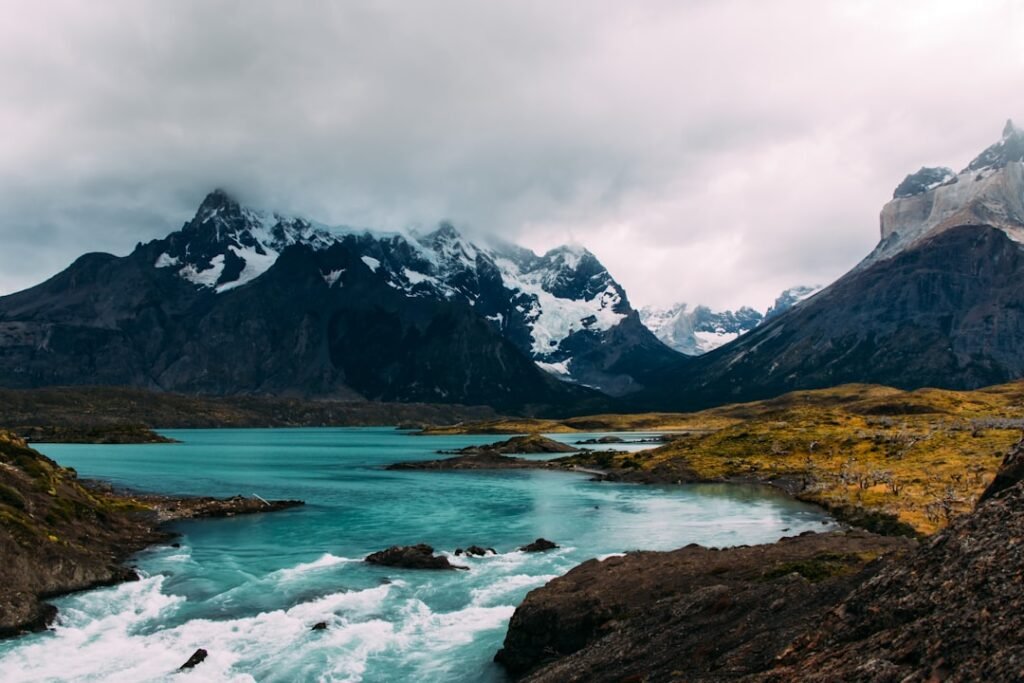
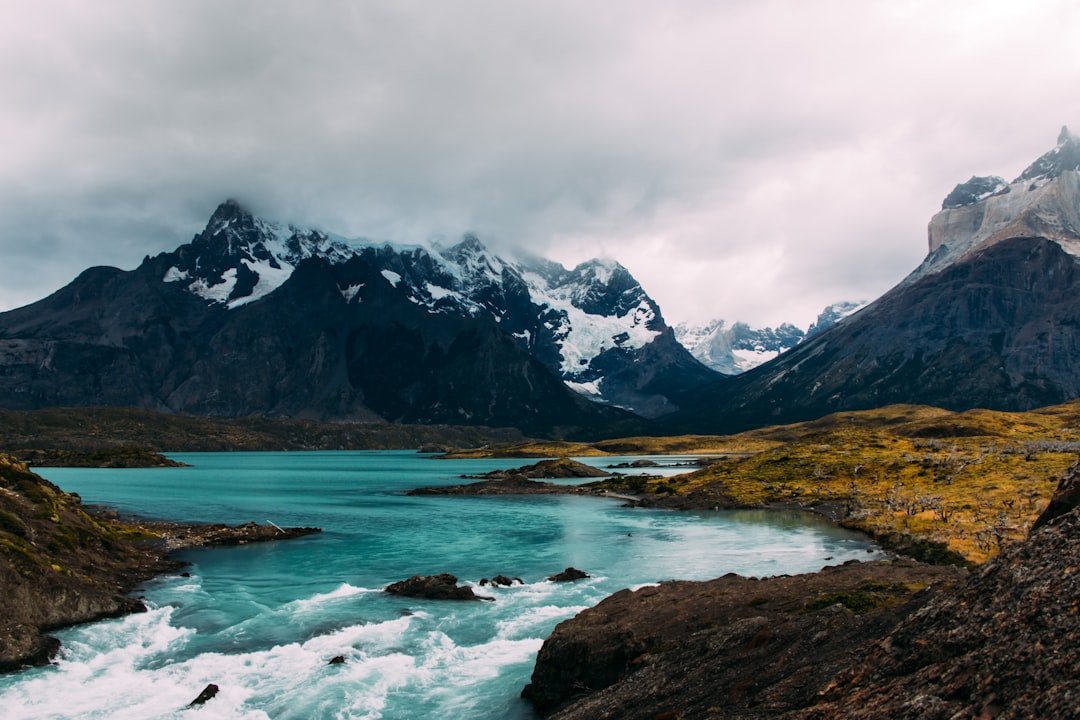
Three granite towers punch straight up out of the Patagonian steppe, ringed by glaciers, turquoise lakes and wind that can knock you sideways. What makes it dramatic isn’t just the peaks, it’s the scale: you can see them from miles away across completely flat grassland, so there’s no gradual build-up, just an abrupt wall of rock against the sky.
Go between November and March (southern hemisphere summer) for the best weather, though “best” in Patagonia still means four seasons in one afternoon. The W Trek is the classic route and takes four to five days; day-trippers based in Puerto Natales can see the main viewpoints in a single long day. Park entry runs to around £25 to £35 for foreign visitors, and refugios on the trek book out months ahead in peak season, so this is one trip that genuinely needs planning in advance rather than winging it.
Geirangerfjord, Norway
Waterfalls with names like the Seven Sisters drop hundreds of metres straight into the fjord, and the cliffs rise so steeply on either side that the water below stays almost perfectly still. It’s the combination of scale and stillness that gets people, not just the waterfalls themselves.
Visit May to September when the fjord ferries and hiking trails are running, and budget for Norway to be expensive: this isn’t a place to try to do on a shoestring. A one-way fjord cruise costs roughly £30 to £45, and even a modest Norwegian hotel room can run £120 a night in summer. If the cost puts you off, the free viewpoint at Flydalsjuvet gives you the postcard shot without paying for a boat at all.
Vatnajokull and the south coast, Iceland
When I visited Iceland’s south coast, what stayed with me wasn’t the famous blue ice at Jokulsarlon lagoon, it was watching chunks of that same ice wash up and glitter on the black sand beach next door. Glacier, black volcanic sand and grey Atlantic in the same frame, with nothing else in view. I’ve written more on where to go across the country in my Iceland travel guide.
Self-drive along the Ring Road is the practical way to see this stretch, and glacier hikes with a certified guide start from around £70 to £90 per person. Iceland isn’t cheap, but a rental car and a decent packed lunch will get you further than any organised tour.
Salar de Uyuni, Bolivia
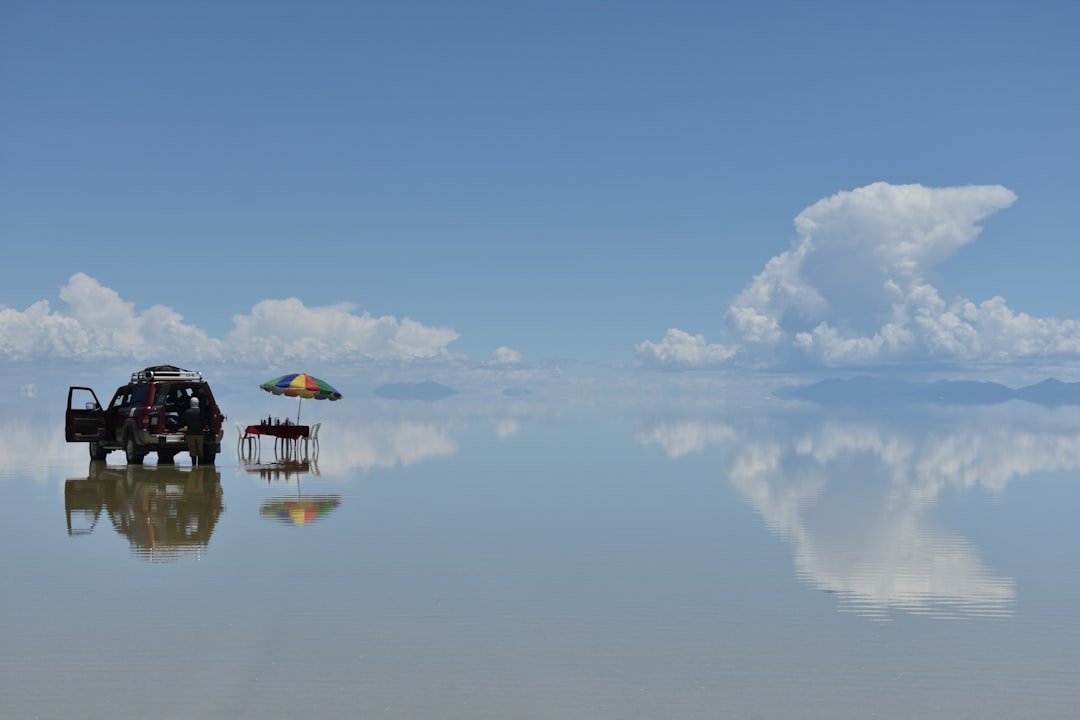
The world’s largest salt flat turns into an almost perfect mirror after a thin layer of rain, to the point that photos of it look faked even when they aren’t. Outside the wet season it’s still worth seeing: a flat white horizon in every direction, broken only by cactus-covered “islands” that were once volcanic peaks in a prehistoric lake.
The mirror effect is most reliable from December to April, though the salt flat is also harder to drive across then. Multi-day tours from Uyuni town or across the border from San Pedro de Atacama in Chile cost roughly £80 to £150 depending on group size and how much comfort you’re paying for. Altitude sickness is a real risk here, since much of the route sits above 3,500 metres, so build in a day or two to acclimatise beforehand rather than flying straight in and out.
Zhangjiajie, China
Thousands of narrow sandstone pillars rise straight out of the forest, some over 200 metres tall, often wreathed in low cloud that makes them look like they’re floating. It’s the landscape that inspired the floating mountains in Avatar, and once you see it in person the comparison makes complete sense.
Spring and autumn bring the best chance of clear views without summer’s crowds or humidity. The glass-bottomed Zhangjiajie Grand Canyon bridge and the Bailong elevator (the tallest outdoor lift in the world) are the two most photographed additions, and neither is optional if heights make you nervous. Entry to the national park costs around £20 to £25 and is valid for several days, which is worth knowing since one day genuinely isn’t enough to see it properly.
Erg Chebbi, Morocco
Sand dunes rising up to 150 metres, glowing orange at sunrise and sunset, with silence so complete you can hear your own footsteps. When I did a solo trip through Morocco, this was the stretch that made the long drive from Marrakech worth it. I’ve covered more of the country in my Morocco travel guide.
Most people arrive via a desert camp booked through Merzouga, with camel treks or 4×4 transfers out to the dunes for sunset and sunrise. A night in a basic desert camp runs from around £25 to £40 including dinner and breakfast; the more “luxury camp” options with private tents cost considerably more for a similar view. Bring a scarf for the sand and don’t expect much sleep, since desert nights get properly cold even after 40C daytime heat.
The Dolomites, Italy
Jagged limestone peaks that turn pink and orange at sunset, a phenomenon locals call enrosadira. Unlike the smoother granite of somewhere like Patagonia, the Dolomites are sharp and vertical, which is exactly what makes them feel dramatic rather than just scenic.
Lake Braies and the Tre Cime di Lavaredo loop are the two most photographed spots and also the two most crowded, so aim for early morning if you want the view without the queue for photos. Summer (June to September) is best for hiking; winter turns the same peaks into a serious ski destination. A cable car up to the main viewpoints typically costs £25 to £35 return, and staying in nearby Cortina d’Ampezzo will cost considerably more than basing yourself in a smaller valley town.
Ha Long Bay, Vietnam
Thousands of limestone karsts rise out of emerald water, many of them draped in jungle and riddled with caves. Early morning mist makes the islands look like they’re stacked in layers disappearing into the distance, which is the shot everyone is chasing on an overnight boat.
An overnight cruise is the standard way to see it, with budget boats from around £50 to £80 per person including meals, and considerably more for higher-end operators. Book through a reputable operator rather than the cheapest tout on the street in Hanoi, since boat safety standards vary a lot in this part of Vietnam. I go into more detail on planning a Vietnam trip in my Vietnam guide.
Deadvlei, Namibia
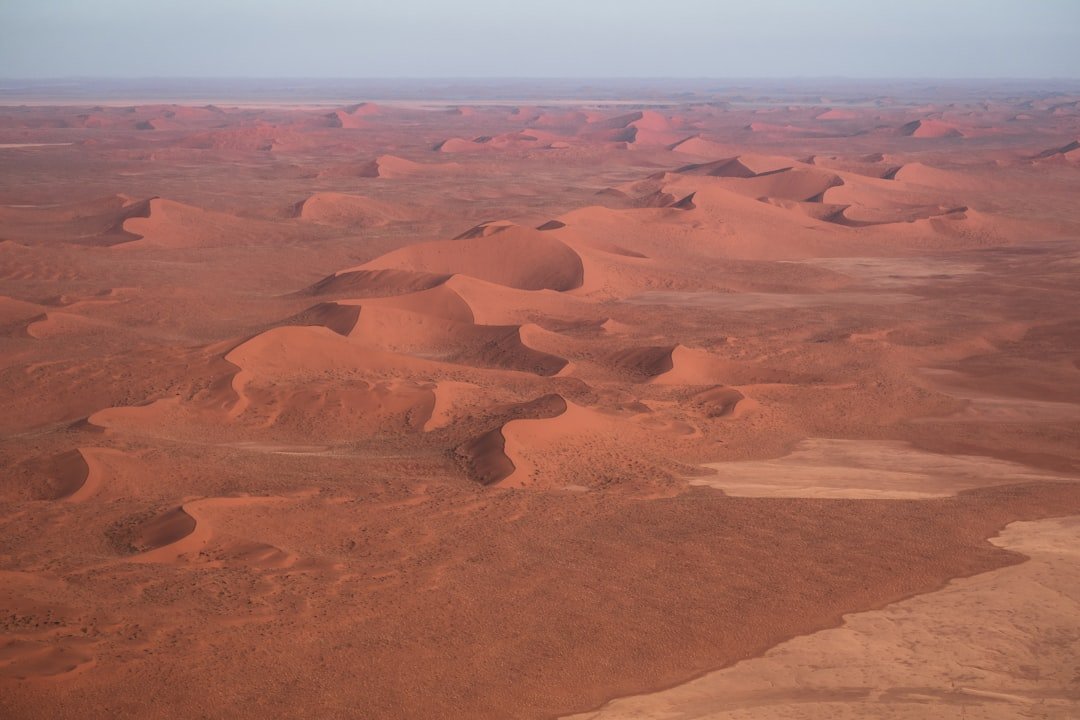
Camel thorn trees, dead for centuries but preserved by the desert’s dryness, stand black against blindingly white clay ground and towering red dunes. The colour contrast (black, white and deep orange-red) is what makes this one of the most photographed spots in southern Africa, and photos genuinely don’t oversell it.
Sossusvlei and Deadvlei are best visited at sunrise, both for the light and to beat the heat, which climbs fast once the sun is up. You’ll need a 4×4 or a shuttle for the final stretch of sand track, and park fees plus a vehicle permit add up to roughly £15 to £25 per person. This is a genuinely remote part of the world, so factor in fuel, water and a proper buffer in your schedule rather than trying to do it as a rushed day trip from Windhoek.
Frequently asked questions
What is the most dramatic landscape in the world?
There’s no single agreed answer, since it depends on whether you’re drawn to mountains, deserts, water or ice. Patagonia’s Torres del Paine and Bolivia’s Salar de Uyuni are two of the most consistently mentioned by travel writers and photographers, but “most dramatic” is ultimately a matter of taste.
Which of these destinations is the most affordable to visit?
Morocco’s Erg Chebbi and Namibia’s Deadvlei tend to be the most budget-friendly on this list once you’re in the country, with desert camps and park fees costing a fraction of a Norwegian fjord cruise or a Dolomites cable car ticket. Flights are the bigger variable, so compare total trip cost rather than just on-the-ground prices.
Do I need a guide to visit these places safely?
For a few of them, yes. Salar de Uyuni’s altitude, the Namib desert’s remoteness and Patagonia’s changeable weather all carry real risks for anyone travelling independently without local knowledge. A guide isn’t just about convenience in these cases, it’s a genuine safety consideration.
Planning the trip
None of these are weekend destinations. Most need at least four or five days once you account for the travel time to reach them, and a few (Patagonia, Bolivia, Namibia) reward a proper two-week trip if you can manage the time off. If you’re building out a longer itinerary, my guide on how to plan a trip from start to finish covers the logistics, and my tips on finding cheap flights will help offset some of the cost of getting to the more remote spots on this list.
If ten isn’t enough and you want the fuller list, I’ve put together a broader travel bucket list of 50 places covering cities and cultural sites alongside natural landscapes.
Always check the latest travel advisories from your government before travelling, particularly for the more remote entries on this list.
Many of these landscapes are in the countries that top our ranking of the most beautiful countries in the world.