South Korea rewards travellers who go beyond Seoul, but almost nobody does. Most first trips land at Incheon, spend five days in the capital, and fly home having missed the coastline, the mountain temples, and the second city that half the country prefers. Here is how to plan a South Korea trip that actually covers the country.
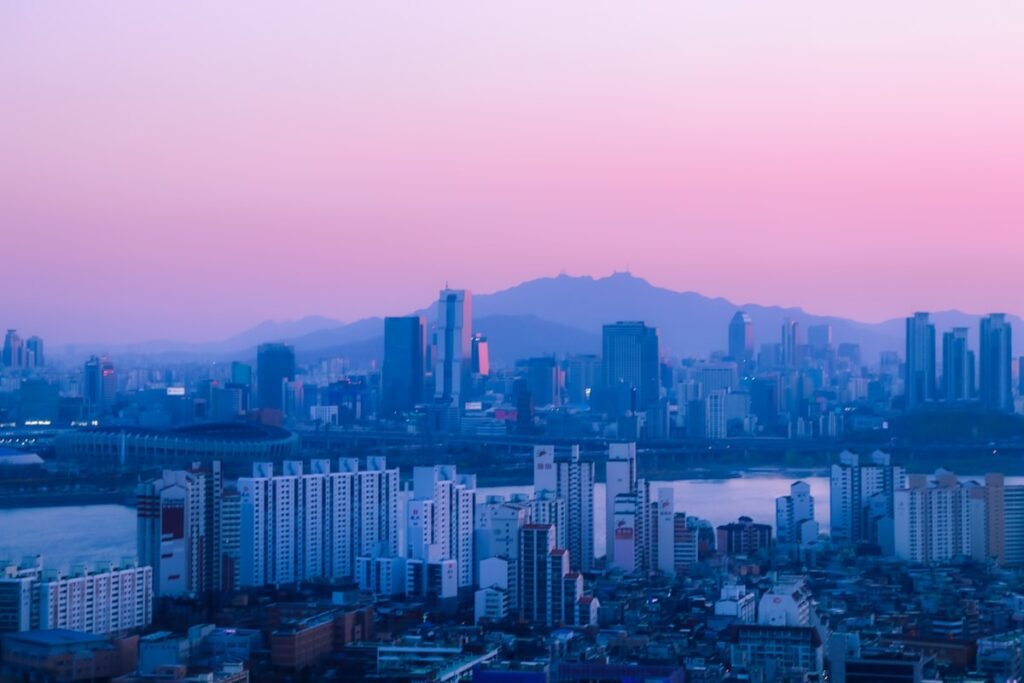
Seoul (4 days)
Seoul is dense, efficient, and open late. Base yourself in Jongno for history or Hongdae for nightlife and food. The metro is signposted in English throughout and a T-money card covers buses and trains nationwide.
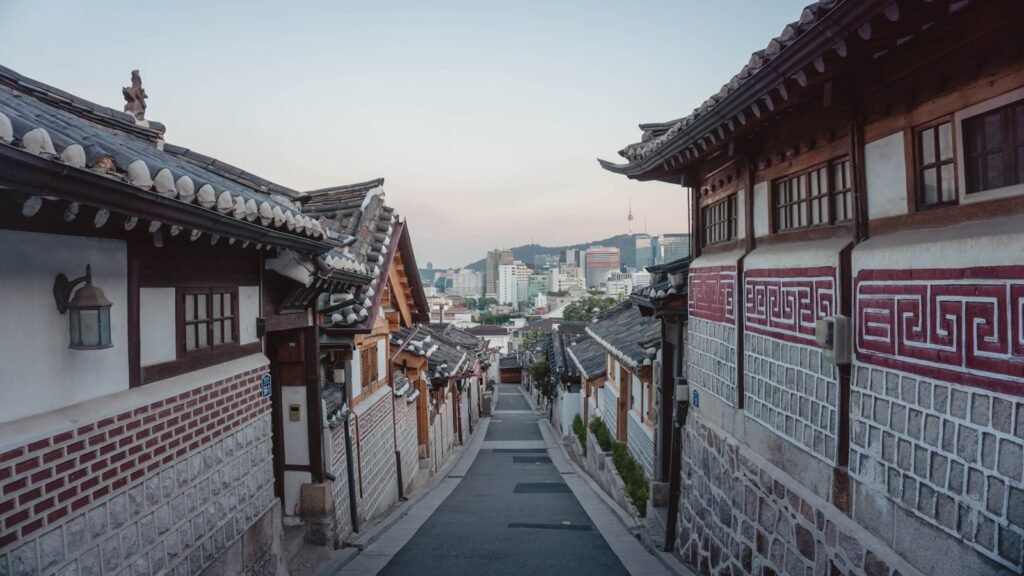
Priorities: Gyeongbokgung Palace early in the morning before the tour groups, Bukchon Hanok Village on a weekday, Gwangjang Market for lunch, and Bukhansan National Park for a half-day hike that starts inside city limits.
The underrated one is Ihwa Mural Village at sunset, which most itineraries skip entirely.
The DMZ (half day from Seoul)
The Demilitarized Zone can only be visited on an organised tour, and tours must be booked in advance with passport details. Access to the Joint Security Area is intermittent and depends on the political situation, so check status before building a day around it.
Busan (3 days)
Busan is the coastal counterweight to Seoul and the reason a Korea trip should not stop at the capital. Two and a half hours on the KTX high-speed train gets you there.
Gamcheon Culture Village on the hillside, Jagalchi fish market, Haeundae beach, and the Haedong Yonggungsa temple built directly onto the rocks above the sea. Busan also has the better nightlife of the two cities, which will surprise people who assume Seoul owns that category.
Gyeongju (1-2 days)
The old Silla capital, easily done between Seoul and Busan. Burial mounds, Bulguksa temple, and Anapji pond lit at night. It is often called a museum without walls and it earns that.
Jeju Island (3 days)
A volcanic island an hour by air from Seoul or Busan. Hallasan crater hike, the Seongsan Ilchulbong sunrise peak, black sand beaches and lava tubes. Renting a car is close to essential here, as the bus network is slow.
When to visit South Korea
- Spring (April to May). Cherry blossom late March into April, mild temperatures. The most popular window.
- Autumn (September to November). Arguably better than spring. Clear skies, dramatic foliage, fewer crowds.
- Summer (June to August). Hot, humid, and monsoon rain through July. Manageable but not ideal.
- Winter (December to February). Cold and dry, excellent skiing, very few tourists.
Practical notes
- Many nationalities need a K-ETA travel authorisation before flying. Check the current requirement for your passport, as the list has changed repeatedly.
- Get a T-money card at any convenience store on arrival.
- Cash is needed less than in Japan, but keep some for markets.
- Naver Map and KakaoMap work far better than Google Maps, which is legally restricted in Korea.
- Tipping is not customary and can cause confusion.
A two week route
Seoul 4 days, DMZ day trip, Gyeongju 2 days, Busan 3 days, Jeju 3 days, return to Seoul for departure. That covers the capital, the historic heart, the coast, and the island without a rushed pace.
Getting around South Korea
The transport network is one of the best in the world, and it removes most of the difficulty from independent travel.
- KTX high-speed rail. Seoul to Busan in roughly two and a half hours. Book through Korail or at the station. A KR Pass exists for foreign visitors and is worth it only if you are covering several long routes in a short window.
- Intercity buses. Cheaper than rail, extensive, and often faster to smaller towns. Express buses have large reclining seats.
- City metro. Seoul, Busan, Daegu and Daejeon all have clear English signage.
- Domestic flights. Only really necessary for Jeju.
- Taxis. Inexpensive by European standards. Use Kakao T rather than hailing, since it removes the language barrier.
Food you should not leave without eating
Korean food is a genuine reason to visit rather than a side note.
- Korean barbecue. Samgyeopsal pork belly or galbi short ribs, grilled at the table. Usually ordered for two minimum.
- Bibimbap. Best in Jeonju, where it originates.
- Korean fried chicken with beer, known as chimaek. Better than the global reputation suggests.
- Jjigae. Bubbling stews, particularly kimchi jjigae and sundubu with soft tofu.
- Street food at Gwangjang and Myeongdong. Tteokbokki, hotteok, gimbap, mandu.
- Temple food. Available at temple stay programmes, and completely different in character.
Banchan side dishes come free and are refilled at no charge. Vegetarians should note that fish sauce and anchovy stock are used widely, including in dishes that appear plant-based.
Budgeting
South Korea sits in the middle of Asian costs, considerably cheaper than Japan and more expensive than Southeast Asia.
- Budget. Guesthouses and hostels, street food and metro travel. Very manageable.
- Mid-range. Business hotels, restaurant meals, KTX travel and paid attractions.
- Higher end. International hotels, hanok stays, fine dining and private guides.
Accommodation is the largest variable. Jjimjilbang bathhouses allow overnight stays cheaply and are a genuine cultural experience, though not a restful night.
Etiquette that matters
- Receive and give items, particularly money and business cards, with two hands.
- Remove shoes when entering homes, temple halls and many traditional restaurants.
- Wait to be seated and let the eldest person begin eating first in a group.
- Pouring your own drink is unusual; pour for others and they will pour for you.
- Avoid writing names in red ink, which carries funerary associations.
- Tipping is not practised and can cause confusion rather than pleasure.
Frequently asked questions
Is South Korea expensive?
Less than Japan, more than Vietnam or Thailand. Food and transport are excellent value; accommodation in Seoul is where costs climb.
Do people speak English?
In Seoul and Busan tourist areas, reasonably. Outside them, less so. Papago translates Korean considerably better than most alternatives.
How many days do you need?
Seven days covers Seoul and Busan. Fourteen allows the full route including Gyeongju and Jeju without rushing.
Is South Korea safe?
Crime rates are low and public transport is comfortable late at night. Standard precautions apply and little more.
What is the best time to visit?
Autumn, from late September to November, for clear skies and foliage. Spring is equally good and busier during blossom.
For neighbouring options, see the best places to visit in Japan for first time travellers.