post thumbnail placeholder

15 Most Interesting Places in Iceland (2026 Travel Guide)

in

Iceland

Iceland is the most geologically young and active landscape accessible to tourists anywhere on earth — an island still being built by volcanic eruptions, its interior a high desert of lava fields, glaciers, and geothermal calderas that cover 64,000 square kilometers in conditions closer to the moon than to any country in Europe.

The Northern Lights are real and extraordinary. The waterfalls really do cascade over black basalt cliffs into the North Atlantic. The geysers really do erupt every few minutes. The midnight sun really does make July nights feel like afternoons.

These are the most interesting places in Iceland for travelers who want to understand why the country has become one of the most visited in Northern Europe.

Iconic Iceland Landmarks Every Visitor Must Experience

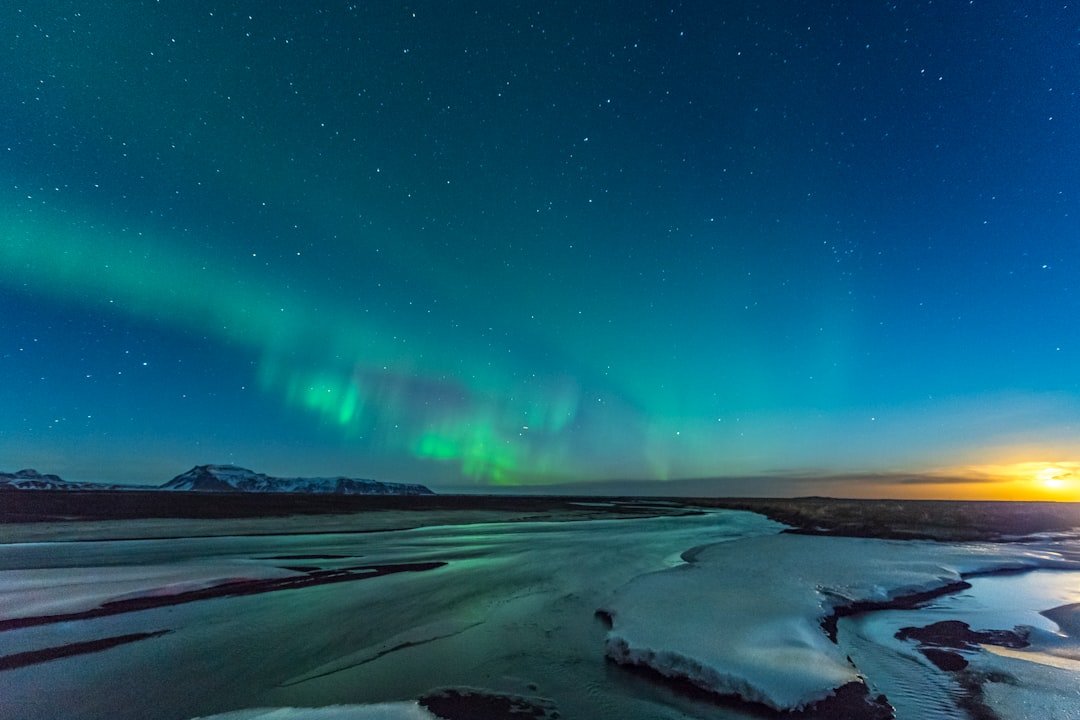
1. The Northern Lights – Iceland’s Greatest Natural Show

The Aurora Borealis above Iceland — green, purple, and white curtains of light rippling across a sky of stars — is one of the most transcendent natural experiences on earth. Iceland’s position just below the Arctic Circle, its low light pollution outside Reykjavik, and its darkness from September to April make it one of the most reliable Northern Lights destinations in the world.

Practical tip: The best viewing season is September to March. Move away from Reykjavik light pollution — even 30 minutes out of the city makes an enormous difference. Check the aurora forecast at vedur.is and be prepared to go out at midnight on short notice.

Book now: Northern Lights hunting tour from Reykjavik via Viator

2. The Golden Circle – Geysers, Waterfalls, and a Rift Valley

The Golden Circle is Iceland’s most popular day route from Reykjavik — three extraordinary natural sites within 300 kilometers. The Thingvellir National Park, where the North American and Eurasian tectonic plates are visibly pulling apart (and where Iceland’s ancient parliament first convened in 930 AD). The Geysir geothermal area, where Strokkur erupts every 5-10 minutes to 30 meters. And the Gullfoss waterfall, where the Hvita River drops 32 meters in two stages into a canyon of extraordinary drama.

Practical tip: Rent a car and do the Golden Circle independently — it’s straightforward to navigate and self-pacing allows you to spend more time at the places that interest you most.

Book now: Golden Circle guided day tour from Reykjavik via GetYourGuide

3. The South Coast – Waterfalls, Black Sand, and Glaciers

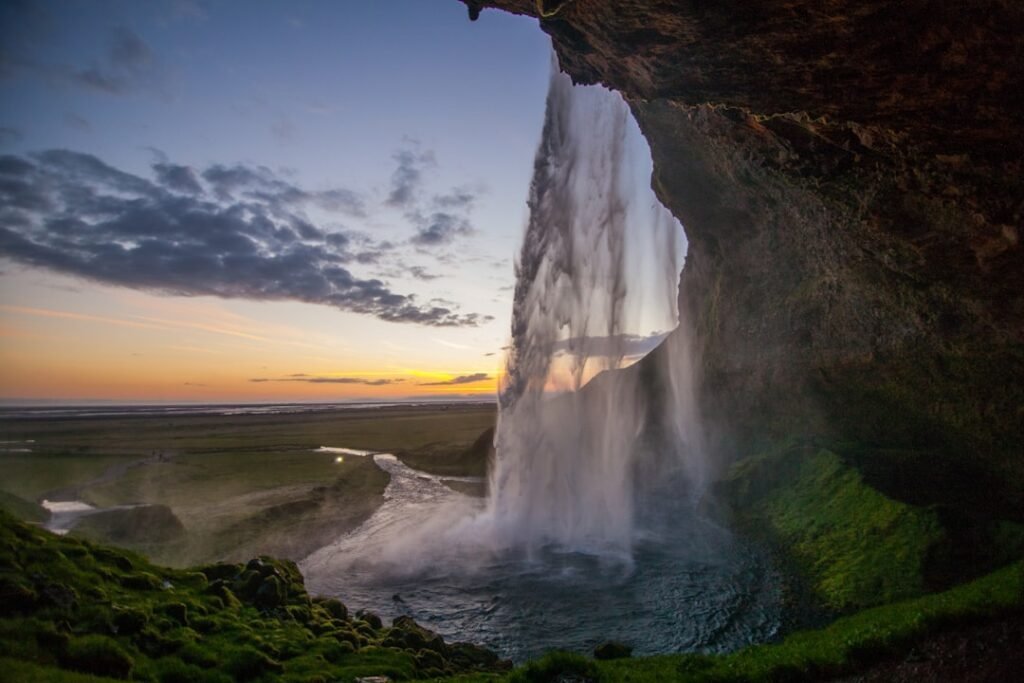
Iceland’s south coast between Reykjavik and the Vatnajokull glacier is the most scenically dramatic road in the country — the Skogafoss and Seljalandsfoss waterfalls (the latter walkable behind the curtain of water), the black sand Reynisfjara beach with its basalt columns and sea stacks, the Jokulsarlon glacier lagoon where icebergs calve into an Atlantic-connected lake, and the Diamond Beach where ice washes onto black sand.

Practical tip: Drive the south coast from west to east to end at Jokulsarlon — the glacier lagoon at golden hour is one of the finest photographic subjects in Iceland.

Book now: South Coast and glacier lagoon day tour via Viator


Lesser-Known Iceland Attractions Worth Every Detour

4. Vatnajokull Glacier – Europe’s Largest Ice Cap

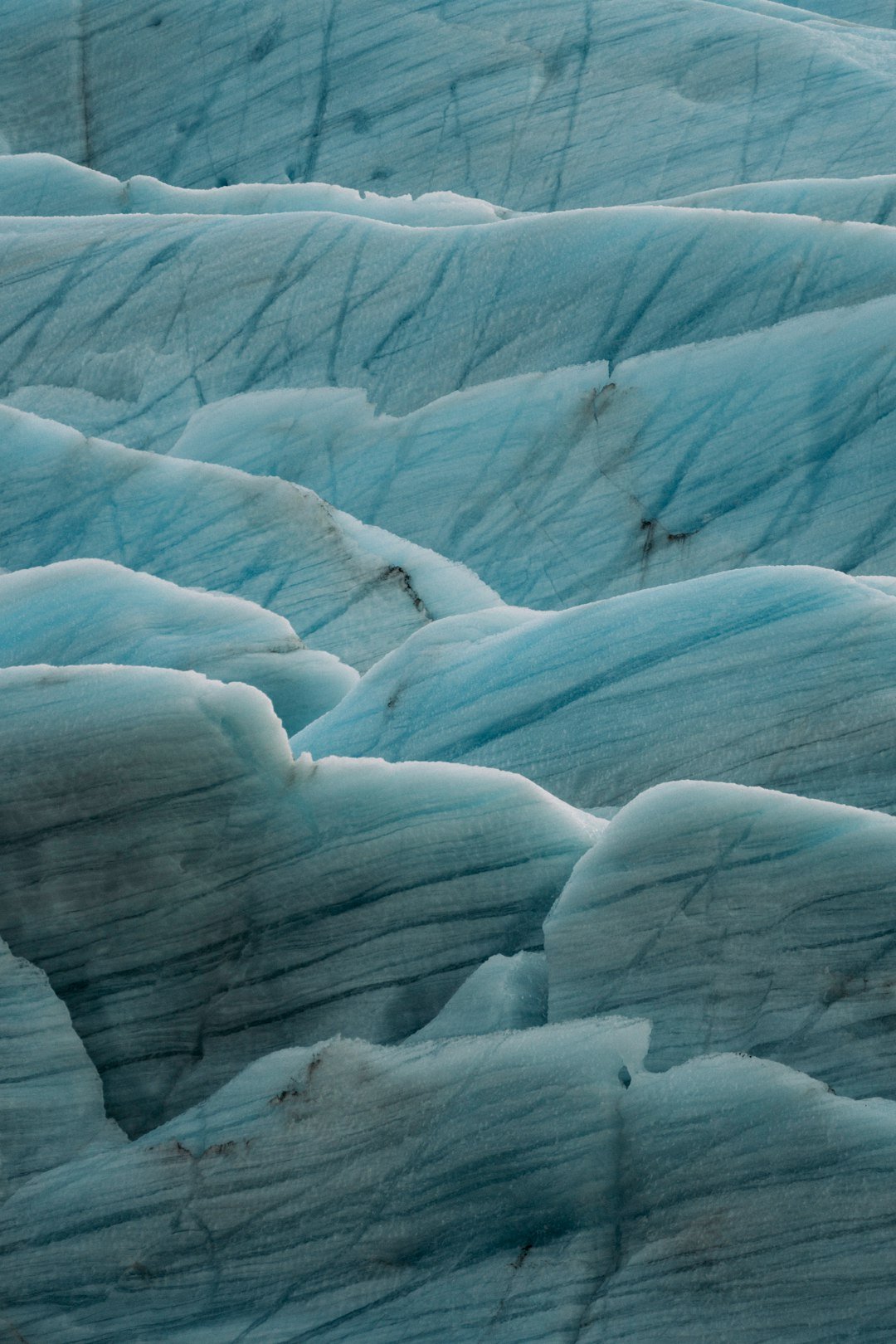
The Vatnajokull glacier covers 8% of Iceland’s total land area — the largest ice cap in Europe outside the Arctic archipelagos. Glacier hikes across its blue-ice surface, ice cave tours into its extraordinary interior (accessible October to March when ice is stable), and the views from its outlet glacier tongues descending into green valleys are extraordinary.

The ice caves vary year to year as the glacier moves — each winter reveals new formations.

Practical tip: Blue ice caves within the glacier are accessible October to March only. Book months in advance — tours are limited and sell out completely.

Book now: Vatnajokull glacier ice cave tour via GetYourGuide

5. Snaefellsnes Peninsula – Jules Verne’s Gateway to the Earth’s Center

Jules Verne chose the Snaefellsjokull volcano on the Snaefellsnes Peninsula as the entrance to the center of the earth in Journey to the Centre of the Earth. The glacier-capped volcano dominates a peninsula of extraordinary variety — Kirkjufell mountain (the most photographed mountain in Iceland), the Djupalonssandur black beach, lava tube caves, seal colonies, and the remarkable Londrangar basalt plugs. Snaefellsnes is called “Iceland in miniature” for its concentration of the island’s best features.

6. The Westfjords – Iceland’s Dramatic and Deserted Northwest

The Westfjords peninsula in Iceland’s far northwest is the most remote and dramatically beautiful region in the country — deep fjords, bird cliffs with millions of nesting seabirds, the Dynjandi waterfall (the most beautiful in Iceland), and roads that follow every fjord contour for hundreds of kilometers. The Hornstrandir Nature Reserve at the peninsula’s northern tip is accessible only by boat and is completely uninhabited — a wilderness of Arctic fox, seabirds, and silence.

Practical tip: The Westfjords require at least 3-4 days and a 4WD rental. Many roads are unpaved. The effort is entirely proportional to the reward.

7. Blue Lagoon and Iceland’s Geothermal Pools – Bathing in Volcanic Water

The Blue Lagoon near Reykjavik — milky blue silica-rich geothermal water at 38 degrees, set in a lava field — is Iceland’s most visited attraction and genuinely extraordinary. But Iceland’s geothermal bathing culture extends far beyond the famous lagoon: the Myvatn Nature Baths in the north, the Secret Lagoon near the Golden Circle, and dozens of free roadside hot pools provide the same volcanic bathing experience without the crowds or the price.

Practical tip: Blue Lagoon entry is 60-110 euros and must be booked in advance. The free hot pot at Landmannalaugar (highland interior) and the Hvammsvik Ocean Baths are among the finest alternatives.

Book now: Blue Lagoon premium entry with transfer via Viator


Hidden Gems in Iceland Only Slow Travelers Find

8. Landmannalaugar – The Highlands in Every Color

The Landmannalaugar highland area in the interior of Iceland is a landscape of rhyolite mountains in extraordinary colors — green, pink, yellow, red, and grey — surrounding a natural hot spring pool accessible by 4WD in summer. The Laugavegur Trail from Landmannalaugar to Thorsmork is considered one of the finest multi-day hikes in the world — 55 kilometers through highland desert, glacial rivers, and lava fields.

Practical tip: Highland roads (F-roads) require 4WD and are open June to September only. The Laugavegur Trail huts book out months in advance — check Ferdalag and Iceland Mountain Guides.

Book now: Landmannalaugar day tour from Reykjavik via GetYourGuide

9. Askja Caldera – A Volcanic Lake in the Interior Desert

The Askja caldera in Iceland’s central highlands contains two lakes: the large crater lake Oskjuvatn and the smaller Viti crater lake filled with geothermal water warm enough to swim in. The approach through the Sprengisandur highland desert — a vast lava plain with no vegetation and no settlements — is a journey through one of the most desolate and beautiful landscapes in Europe.

The 1875 eruption of Askja was the largest in Iceland since Laki in 1783 and triggered a mass emigration of Icelanders to Canada.

10. Dettifoss – The Most Powerful Waterfall in Europe

The Dettifoss waterfall in northeast Iceland carries more water over its 44-meter drop than any other waterfall in Europe — the roar is audible from kilometers away and the spray creates rainbows that persist for hundreds of meters downstream. The Jokulsargljufur canyon downstream, carved by catastrophic glacial floods over thousands of years, continues for 28 kilometers to the Asbyrgi horseshoe canyon.

11. Myvatn – Iceland’s Lake of Midges and Volcanic Wonders

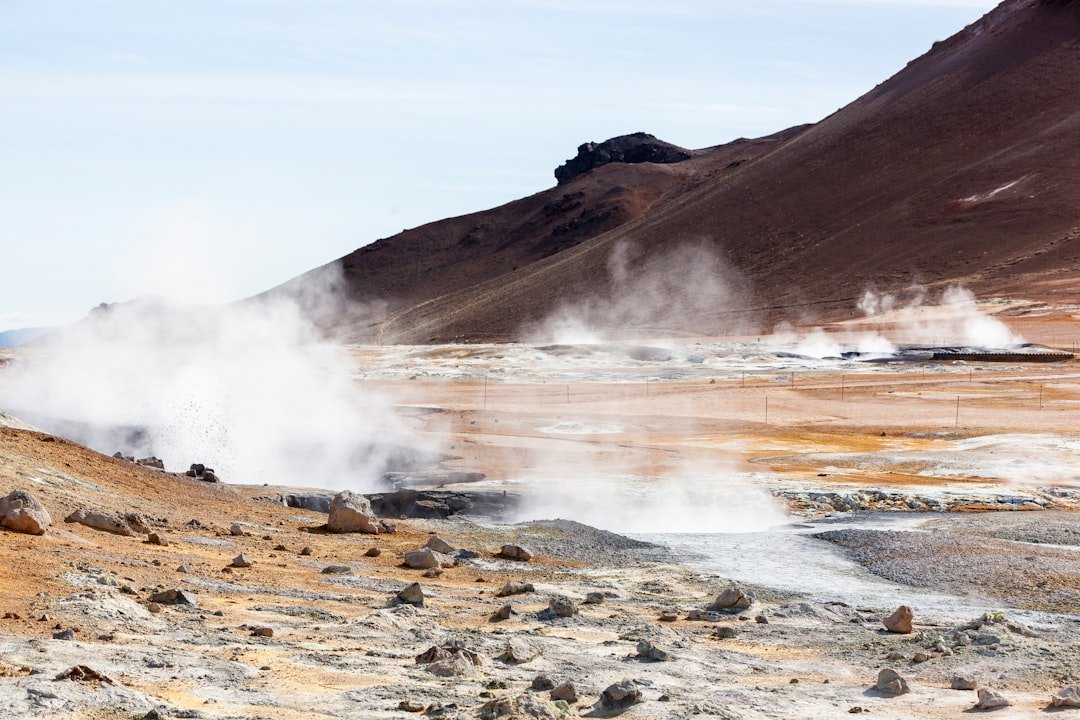
The Lake Myvatn area in northeast Iceland is the most geologically concentrated area in Iceland outside the Reykjanes Peninsula — pseudocraters, lava pillars, the Dimmuborgir lava formations, the Hverfell tephra crater, the Krafla volcanic system, and the Myvatn Nature Baths all within a 30-kilometer radius. The lake itself supports the largest population of ducks in Europe.

Practical tip: The midges (the “myvatn”) are worst in June-July — bring head nets. September is the finest month to visit for fewer insects and better Northern Lights.

12. Thorsmork – Valley of Thor

The Thorsmork valley, accessible only by 4WD or specially equipped buses, sits between three glaciers — Eyjafjallajokull, Tindfjallajokull, and Myrdalsjokull — in a remarkable sheltered position that allows birch forest to grow at the edge of the highland ice. It is the end point of the Laugavegur Trail and the start of the Fimmvorduhals trail crossing to the South Coast. The combination of glaciers, birch forest, and river gorges makes it one of Iceland’s finest hiking bases.

13. Reykjavik – The World’s Northernmost Capital

The capital city of 220,000 people is the cultural heart of Iceland — the Hallgrimskirkja church offering panoramic city and mountain views from its tower, the Harpa concert hall’s glass facade reflecting the harbor, the National Museum of Iceland providing essential historical context, and a restaurant scene that has put New Nordic cuisine on the world map.

The Reykjavik bar scene on Friday and Saturday nights, when the entire city seems to condense into a few streets of the old town, is one of the most energetic nightlife experiences in Northern Europe.

14. The Ring Road in Winter – Iceland at Its Most Dramatic

The Route 1 Ring Road circumnavigating Iceland at 1,332 kilometers is Iceland’s greatest journey. In summer it is beautiful. In winter — driven carefully on snow-covered roads between landscapes of dark basalt, white ice, and aurora-lit sky — it is extraordinary. The same waterfalls that cascade in summer are frozen solid in January; the same black beaches are surrounded by ice rather than tourists.

Practical tip: Winter Ring Road driving requires a 4WD with winter tires, careful attention to road conditions (road.is), and flexibility for closures. The reward is an Iceland almost entirely to yourself.

15. Husavik – Whale Watching Capital of Europe

The small town of Husavik on Iceland’s north coast is the finest whale watching destination in Europe — humpback whales feed in Skjalfandi Bay in reliable numbers from April to October, along with minke whales, white-beaked dolphins, and occasionally blue whales. The traditional oak ship tours are more atmospheric than the high-speed RIBs. The Husavik Whale Museum is the finest of its kind in the North Atlantic.

Book now: Husavik traditional whale watching tour via Viator


Practical Iceland Travel Tips

Best time to visit Iceland: June to August for midnight sun, green landscapes, and access to all highland roads. September to March for Northern Lights, ice caves, and winter landscapes (fewer crowds, lower prices). April to May and September to October are the finest shoulder seasons.

Getting around: Renting a car is essential for exploring Iceland beyond Reykjavik. A 4WD is required for highland F-roads (summer only) and recommended for winter driving anywhere in the country. The Ring Road is manageable in a standard car in summer.

Currency: Icelandic Krona (ISK). Iceland is one of Europe’s most expensive countries — budget 150-250 euros per person per day including accommodation, car, and food. Credit cards accepted virtually everywhere.

Weather: Iceland’s weather changes dramatically and rapidly. The saying is: “if you don’t like the weather, wait five minutes.” Layer clothing, carry waterproof outer layers always, and check forecents.is (weather) and road.is (road conditions) daily.


Final Thoughts on Interesting Places in Iceland

Iceland is a country that makes you feel the planet is still young. The lava that poured across the south coast in 2024 is the same process that created the island from nothing 16 million years ago, and the experience of standing on ground that did not exist a year earlier has no parallel anywhere else accessible to ordinary travelers.

Drive the Ring Road. Chase the Northern Lights. Sit in a hot pool under a sky full of stars. Iceland gives you an experience of geological time that no other destination in Europe can match.


Exploring Europe? Read our complete guides to Interesting Places in Paris, Interesting Places in Barcelona, and Interesting Places in Santorini.

Tags :

Iceland

Share This Post :

Destinations

Recent Posts

Popular Tags

Africa Travel Algarve Asia Travel Bali Attractions Barcelona Barcelona Attractions Beauty Booking Cape Town Europe Travel Greece Greek Islands Guide Hidden Gems Bali Hidden Gems Barcelona Hidden Gems Rome Iceland Italy Kilimanjaro Lisbon Minimalism Nordic North Porto Portugal Attractions Rome Rome Attractions Room Safari Santorini Santorini Attractions Serengeti Sigiriya South Africa South Africa Attractions Spain Sri Lanka Sri Lanka Attractions Sri Lanka Beaches Tanzania Tanzania Safari Thailand Thailand Attractions USA Travel Zanzibar