in
15 Most Interesting Places in Istanbul, Turkey (2026 Travel Guide)
Istanbul is the only city in the world that straddles two continents. One foot in Europe, one in Asia, a Bosphorus strait between them busy with tankers, ferries, and fishing boats. For 1,600 years it was the capital of the world’s greatest empires — Rome’s successor Byzantium, then the Ottoman Empire — and the layers of that history are compressed into a city of 16 million people that is alive, chaotic, and endlessly surprising.
The Hagia Sophia alone would justify a trip. The Grand Bazaar alone would justify a trip. The Bosphorus alone would justify a trip. The fact that all three exist within a few kilometers of each other in the same extraordinary city explains why Istanbul consistently ranks among the world’s most visited destinations.
These are the most interesting places in Istanbul for travelers ready to explore all of it.
Iconic Istanbul Landmarks Every Visitor Must See
1. Hagia Sophia – The Building That Changed Architecture Forever
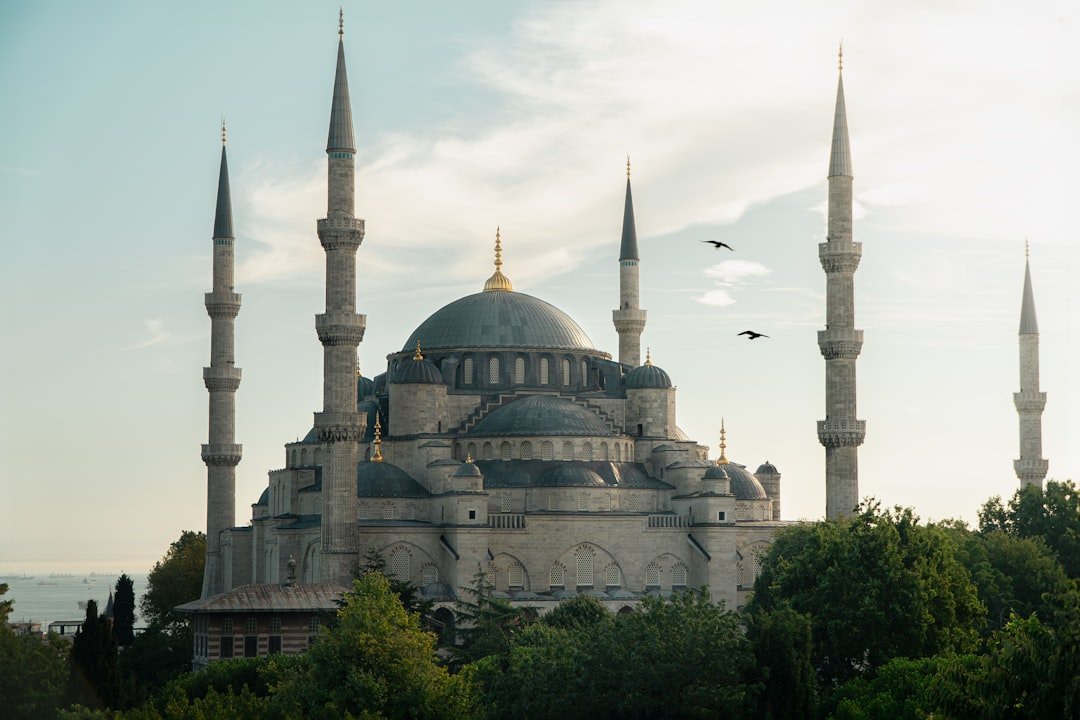
Completed in 537 AD by Emperor Justinian, the Hagia Sophia was for 1,000 years the largest enclosed space in the world. Its dome — 55 meters high, appearing to float on a ring of light — was an engineering achievement so far beyond anything that came before it that it influenced every domed building constructed in the subsequent 1,500 years, from St. Peter’s Basilica to the US Capitol.
It has been a Byzantine cathedral, an Ottoman mosque, a secular museum, and since 2020, a mosque again. The Byzantine mosaics and the Ottoman calligraphy coexist inside in a conversation across 1,500 years of history.
Practical tip: Entry is now free as an active mosque. Women must cover their heads; all visitors must remove shoes. Arrive before 9 AM or after 4 PM to avoid the largest groups.
Book now: Hagia Sophia and Sultanahmet guided tour via GetYourGuide
2. Topkapi Palace – The Heart of the Ottoman Empire
For 400 years the administrative and residential center of the Ottoman Empire, Topkapi Palace is a city within a city — courtyards, pavilions, the Imperial Harem, the treasury (containing the Topkapi Dagger and the 86-carat Spoonmaker’s Diamond), and the sacred relics chamber housing items attributed to the Prophet Muhammad. The fourth courtyard terrace offers one of the finest views of the Bosphorus.
Practical tip: The Harem requires a separate ticket and is the most interesting part of the palace — do not skip it. Book online to avoid queues at the gate.
Book now: Topkapi Palace skip-the-line guided tour via Viator
3. The Grand Bazaar – 4,000 Shops Under One Roof
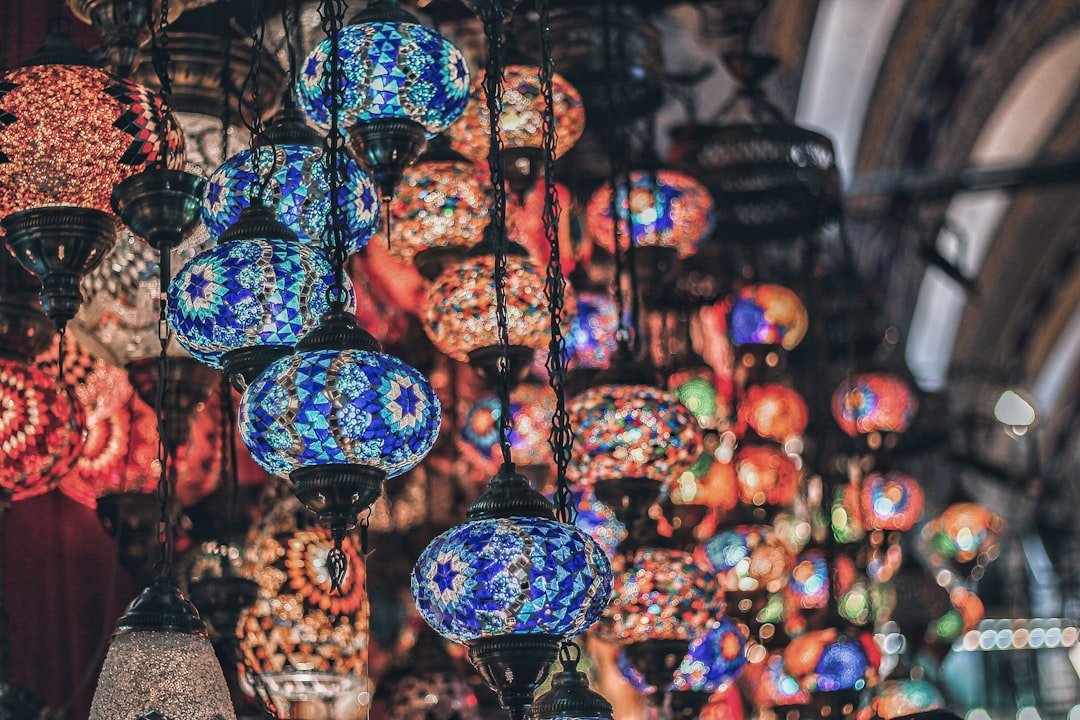
The Kapali Carsi (Grand Bazaar) has been operating continuously since 1461, making it one of the world’s oldest and largest covered markets. Its 61 covered streets contain over 4,000 shops selling gold jewelry, Turkish carpets, ceramics, leather goods, spices, and tea sets. Getting deliberately lost in the interior — the streets away from the main tourist corridor — is one of the most interesting places in Istanbul.
Practical tip: Enter from the less-used Beyazit Gate for a more authentic first impression. The Sandal Bedesteni at the center of the bazaar is the oldest part, selling antiques and collectibles.
Lesser-Known Istanbul Attractions Worth Every Detour
4. The Basilica Cistern – A Cathedral Beneath the City
Built in 532 AD to supply water to the Great Palace of Constantinople, the Basilica Cistern is a subterranean cathedral of 336 marble columns rising from dark water. Two column bases carved as Medusa heads (one upside down, one sideways — to neutralize their power) are among the most striking artifacts in Istanbul. The cistern recently underwent major renovation and reopened with atmospheric lighting that makes it more beautiful than ever.
Practical tip: Book tickets online — queues to enter are long in peak season. The 10-minute walk from Hagia Sophia makes it an easy combination.
Book now: Basilica Cistern timed-entry ticket via GetYourGuide
5. Chora Church – Byzantine Mosaics Better Than the Hagia Sophia
The Kariye Mosque (Chora Church) in the Edirnekapi neighborhood contains the finest surviving Byzantine mosaics and frescoes in the world — more complete and more vivid than anything in the Hagia Sophia. The 14th-century mosaics in the outer and inner narthex depicting the life of Christ and the Virgin Mary are extraordinary in their color, movement, and humanity.
It is one of the most interesting places in Istanbul and receives a fraction of Hagia Sophia’s visitors.
6. Dolmabahce Palace – Where the Ottoman Empire Ended
The 1856 Dolmabahce Palace on the European shore of the Bosphorus was the last capital of the Ottoman Empire — the palace where Ataturk, founder of modern Turkey, died in 1938. Its 285 rooms, 68 toilets, and 6 tonnes of gold leaf on the ceilings represent the final extravagance of a dying empire trying to match European grandeur. The 4.5-tonne crystal chandelier in the ceremonial hall — a gift from Queen Victoria — is still the largest in the world.
Practical tip: Entry by guided tour only. Tours sell out by mid-morning — arrive early or book in advance.
7. Galata Tower – The Medieval Watchtower Over the Golden Horn
The 67-meter Genoese tower built in 1348 on the Beyoglu hill has been a lighthouse, a dungeon, a fire watchtower, and now an observation platform offering the finest 360-degree panorama of Istanbul’s European side — the Golden Horn, the Bosphorus, the minarets, and the Asian shore beyond. The surrounding Galata neighborhood is Istanbul’s most stylish and creative quarter.
Hidden Gems in Istanbul Only Curious Travelers Find
8. Balat – The Rainbow Neighborhood
The Balat neighborhood on the Golden Horn shore was historically Istanbul’s Jewish quarter, later home to Greek and Armenian communities. Today its steep cobblestone streets of brightly painted houses, independent cafes in old Greek mansions, and antique shops in ancient cellars make it one of the most photogenic and authentic neighborhoods in the city.
The adjacent Fener neighborhood, with its red-brick Greek Orthodox Patriarchate and its Byzantine-era churches, adds another layer to one of Istanbul’s most interesting urban walks.
9. The Bosphorus by Ferry – Asia to Europe for 30 Lira
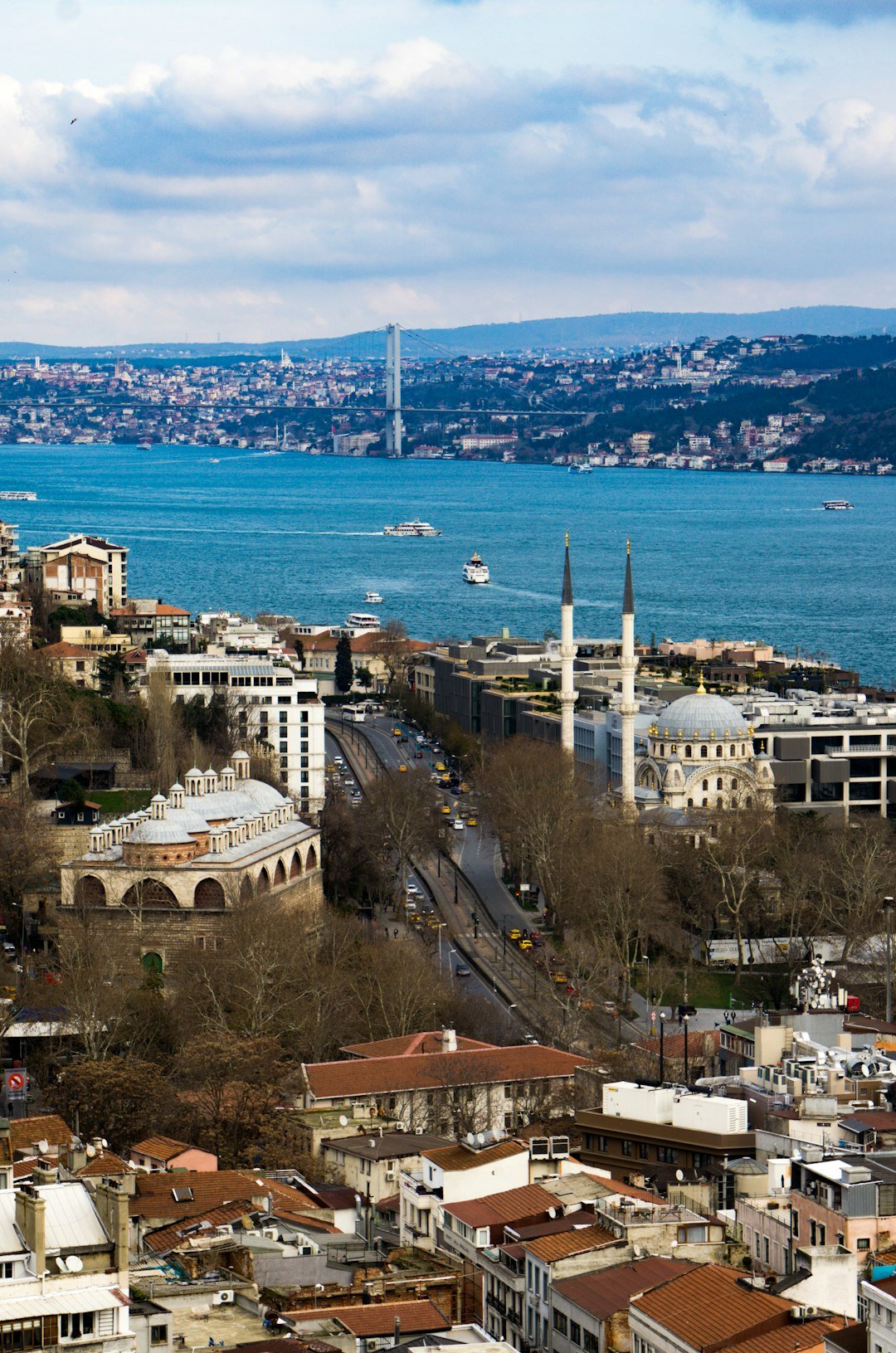
The public ferry crossing from Eminonu or Kabatas on the European side to Kadikoy or Uskudar on the Asian side takes 20 minutes and costs 30 Turkish Lira — one of the great travel bargains in the world. The crossing provides views of the Topkapi Palace, the Dolmabahce Palace, the Bosphorus Bridge, and the Asian shore simultaneously.
The commuter ferry at rush hour, packed with Istanbul residents crossing between continents on their daily journey, is a genuinely moving experience of everyday urban life.
10. Kadikoy Market – Istanbul’s Best Food Neighborhood
The Kadikoy district on the Asian shore of Istanbul is the city’s best food neighborhood — a dense market area of fishmongers, cheese shops, spice dealers, and meyhane (tavern) restaurants operating alongside some of the finest specialty coffee and natural wine bars in the city. The Kadikoy market building and the surrounding streets represent Istanbul food culture at its most authentic and least touristy.
Practical tip: Take the ferry from Eminonu rather than the metro — the approach by water sets the scene. The food market is most active Tuesday to Saturday morning.
11. The Egyptian Spice Bazaar – Smaller, Better, Less Famous
The 1664 Misir Carsisi (Egyptian Spice Bazaar) near Eminonu is everything the Grand Bazaar is but smaller, more fragrant, and less overrun with tourist shops. The L-shaped covered market specializes in spices, Turkish delight, dried fruits, nuts, and herbal teas. The outer courtyard contains some of Istanbul’s best traditional restaurants.
12. Miniaturk – All of Turkey in One Park
On the Golden Horn waterfront, Miniaturk contains 1:25 scale models of 122 of Turkey’s most important monuments and archaeological sites — Hagia Sophia, Ephesus, Cappadocia rock formations, Ataturk’s mausoleum, and the ancient ruins of Pergamon, all in a walkable outdoor park. It is genuinely educational, unexpectedly moving, and a very pleasant 90-minute walk.
13. Istanbul Modern – Turkey’s Finest Contemporary Art Museum
The Istanbul Modern, relocated to a spectacular new Renzo Piano building on the Galataport waterfront in 2023, is the finest contemporary art museum in Turkey — a collection of 20th and 21st century Turkish art that provides essential context for understanding modern Turkey. The building itself, hovering over the Bosphorus with floor-to-ceiling glass walls, is a destination in its own right.
Practical tip: Entry includes access to the rooftop terrace with exceptional Bosphorus views. Free on Thursdays after 6 PM.
14. Pierre Loti Cafe – Tea Above the Golden Horn
The hilltop cafe named after French novelist Pierre Loti, reached by cable car from the Eyup Sultan Mosque district, sits above a cemetery overlooking the Golden Horn with views across the entire European city. Drinking Turkish tea (cay) in small tulip glasses at a table on the terrace, watching the light change over the minarets below, is one of the most atmospheric experiences in Istanbul.
15. Princes’ Islands – Istanbul’s Car-Free Escape
Nine islands in the Sea of Marmara, 30 minutes by ferry from Eminonu, were used as places of exile for Byzantine princes and later Ottoman royalty. Today they are Istanbul’s summer escape: horse-drawn carriages, wooden Victorian mansions, pine forests, and beaches completely free of motor vehicles. Buyukada (Great Island) is the largest and most beautiful.
Practical tip: Ferry from Kabatas pier runs year-round. Weekends in summer are crowded — visit midweek. Rent a bicycle rather than taking a horse carriage for environmental reasons.
Book now: Princes’ Islands day trip from Istanbul via Viator
Practical Istanbul Travel Tips
Best time to visit Istanbul: April to May and September to October offer the best weather and manageable crowds. July and August are hot and crowded but the city’s energy is at its peak. December to February is cold but the museums are uncrowded and the city feels genuinely local.
Getting around: The Istanbul Metro, tram, and funicular network covers most tourist areas. The Istanbulkart contactless card works on all public transport. The tram T1 line connects the Grand Bazaar, Sultanahmet, Eminonu, and Karakoy efficiently.
Currency: Turkish Lira (TRY). Turkey has experienced significant inflation in recent years — check current exchange rates before travel. ATMs are plentiful. Many tourist areas accept euros and US dollars but at unfavorable rates.
Food: Turkish breakfast (kahvalti) is one of the world’s great meal traditions — cheeses, olives, eggs, tomatoes, honey, and fresh bread spread across a table. Never skip it. The standard lunch of a balik ekmek (fish sandwich) on the Galata Bridge costs 50 lira and is one of Istanbul’s finest meals.
Final Thoughts on Interesting Places in Istanbul
Istanbul is one of those rare cities that makes you feel the weight of human history in the most physical way possible — standing under Justinian’s dome, walking through bazaars that have operated for 600 years, crossing between two continents on a commuter ferry. The city is alive with that history rather than preserved by it, and the combination of past and present is what makes it one of the most interesting places in the world.
Give it at least four days. And take the ferry.
Exploring Europe and the Middle East? Read our guides to Interesting Places in Paris, Interesting Places in Rome, and Interesting Places in Dubai.