in
15 Most Interesting Places in Mexico (2026 Travel Guide)
Mexico is one of the world’s great travel destinations — a country of extraordinary depth and diversity that most international visitors experience from a beach resort in Cancun or Los Cabos, seeing perhaps 2% of what the country actually offers.
Behind the resort strips lies one of the finest cities in the Americas, some of the most spectacular ancient ruins on earth, a food culture so complex and regional that UNESCO declared it an Intangible Cultural Heritage, underground river systems of dreamlike beauty, and colonial cities built with silver wealth that rival anything in Spain.
These are the most interesting places in Mexico for travelers ready to go beyond the all-inclusive.
Iconic Mexico Landmarks Every Visitor Must Experience
1. Mexico City – One of the World’s Great Capitals
Mexico City at 2,240 meters in the Valley of Mexico is one of the most culturally rich cities in the Americas — a metropolis of 22 million people built on the ruins of Tenochtitlan, the Aztec capital demolished by Hernan Cortes in 1521. The Zocalo (main square) is flanked by the Metropolitan Cathedral built over the Aztec Templo Mayor, whose ruins and extraordinary museum sit immediately adjacent. The Anthropology Museum, Frida Kahlo’s Casa Azul, the Xochimilco floating gardens, and the Roma and Condesa neighborhoods represent only a fraction of what the city contains.
Practical tip: Mexico City is safe for tourists in the central neighborhoods (Centro, Roma, Condesa, Polanco, Coyoacan). Use Uber for transport between neighborhoods. The Metro is extremely cheap and efficient but crowded.
Book now: Mexico City historic center and Anthropology Museum tour via GetYourGuide
2. Chichen Itza – The Most Famous Mayan City
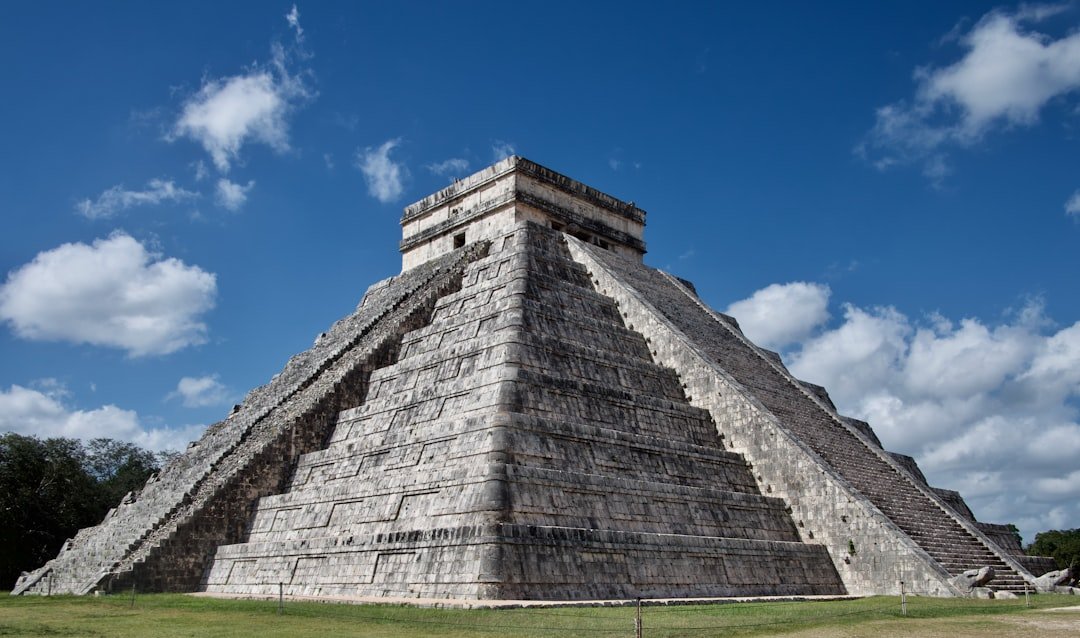
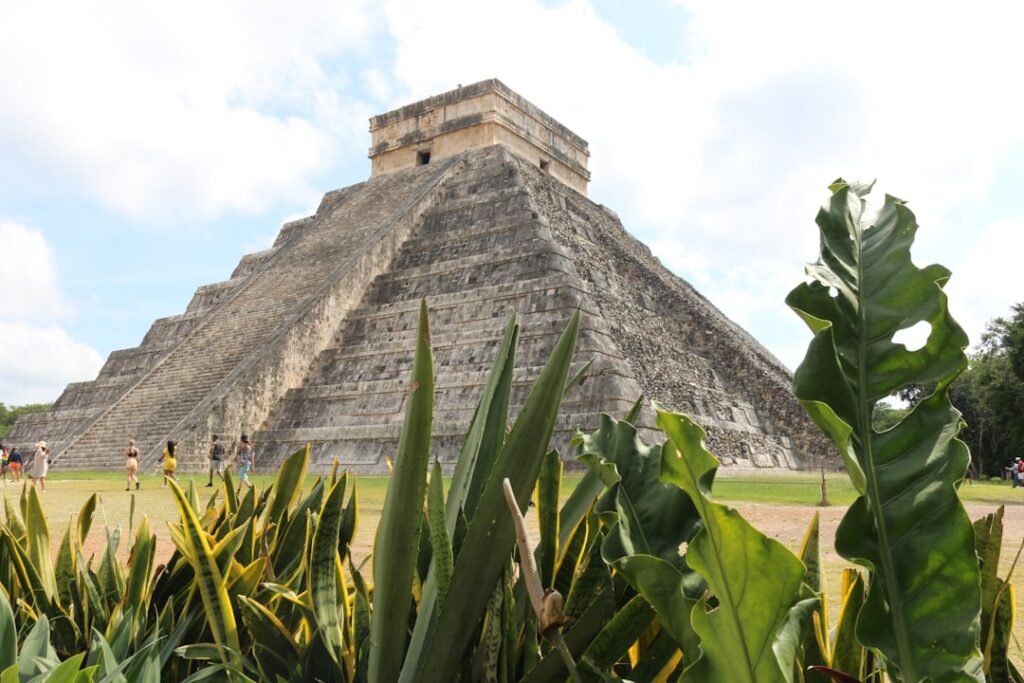
The Mayan city of Chichen Itza in the Yucatan Peninsula is one of the New Seven Wonders of the World — the Temple of Kukulkan (El Castillo) a precise astronomical calendar in stone, the Great Ball Court (the largest in Mesoamerica), and the Sacred Cenote where offerings and human sacrifices were cast. The equinox shadow serpent — a pattern of light and shadow that creates the illusion of a serpent descending the pyramid staircase on the spring and autumn equinoxes — is one of the most remarkable astronomical alignments in ancient architecture.
Practical tip: Visit at opening (8 AM) before tour buses from Cancun arrive (typically 10-11 AM). Stay nearby in Valladolid rather than day-tripping from Cancun for a completely different experience of the site.
Book now: Chichen Itza early access tour via Viator
3. Cenotes of the Yucatan – Underwater Cathedral Rivers
The Yucatan Peninsula sits on a porous limestone shelf riddled with an underground river system connected to the Caribbean Sea. Where the ceiling has collapsed, the underground rivers become accessible as cenotes — circular pools of extraordinary clarity, stalactite-hung caverns, and open-sky swimming holes surrounded by jungle. Gran Cenote near Tulum, Ik Kil near Chichen Itza, and the cavern diving system at Dos Ojos are among the finest.
Practical tip: The cavern diving and snorkeling at Dos Ojos and the Rio Secreto underground river system are the finest cenote experiences — better than the more famous but overcrowded single cenotes.
Book now: Yucatan cenote snorkeling tour via GetYourGuide
Lesser-Known Mexico Attractions Worth the Journey
4. Oaxaca – Mexico’s Food and Indigenous Culture Capital
The city of Oaxaca in the southern highlands is the cultural heart of indigenous Mexico and the country’s most celebrated food destination. The local cuisine — tlayudas, mole negro (a sauce of over 30 ingredients including chocolate and dried chilies), chapulines (toasted grasshoppers), and the finest mezcal in Mexico — has influenced the world’s best restaurant menus.
The surrounding valley contains the Zapotec ruins of Monte Alban (the oldest city in Mexico), the Hierve el Agua petrified waterfalls, and villages where pre-Columbian weaving, pottery, and carving traditions continue unchanged.
Book now: Oaxaca food and mezcal tasting tour via Viator
5. Palenque – Mayan Ruins in the Jungle
The Mayan city of Palenque in Chiapas is the finest jungle ruin site in Mexico — temples and palaces emerging from dense tropical forest, with waterfalls audible in the background and toucans and howler monkeys in the canopy above. The Palace, the Temple of the Inscriptions (containing the extraordinary sarcophagus of King Pakal), and the recently excavated Temple XX are among the most sophisticated structures in Mayan archaeology.
Practical tip: Stay in Palenque town or the jungle lodges near the site — the morning light in the ruins before the day-trippers arrive is extraordinary.
6. San Miguel de Allende – The Most Beautiful Colonial City in Mexico
The UNESCO World Heritage colonial city of San Miguel de Allende in the Bajio highlands is frequently listed among the world’s most beautiful cities — a perfectly preserved 18th-century silver boom town of cobblestone streets, baroque churches, and haciendas converted into boutique hotels. The neo-Gothic parish church of La Parroquia, its pink stone towers dominating the main jardín, is one of the most photographed buildings in Mexico.
The city’s art scene, international population, and extraordinary concentration of restaurants make it one of the finest bases in central Mexico.
7. Copper Canyon – Four Times Bigger Than the Grand Canyon
The Barrancas del Cobre (Copper Canyon) in Chihuahua state is actually a system of six canyons, collectively four times the volume of the Grand Canyon. The Chihuahua al Pacifico railway — the Chepe — descends from the high desert plateau through the canyons to the Pacific coast at Los Mochis in one of the great train journeys in the Americas. The indigenous Tarahumara (Raramuri) people, famous for extraordinary long-distance running, inhabit the canyon communities along the route.
Book now: Copper Canyon train journey and tour via GetYourGuide
Hidden Gems in Mexico Only Adventurous Travelers Discover
8. Merida – The White City of the Yucatan
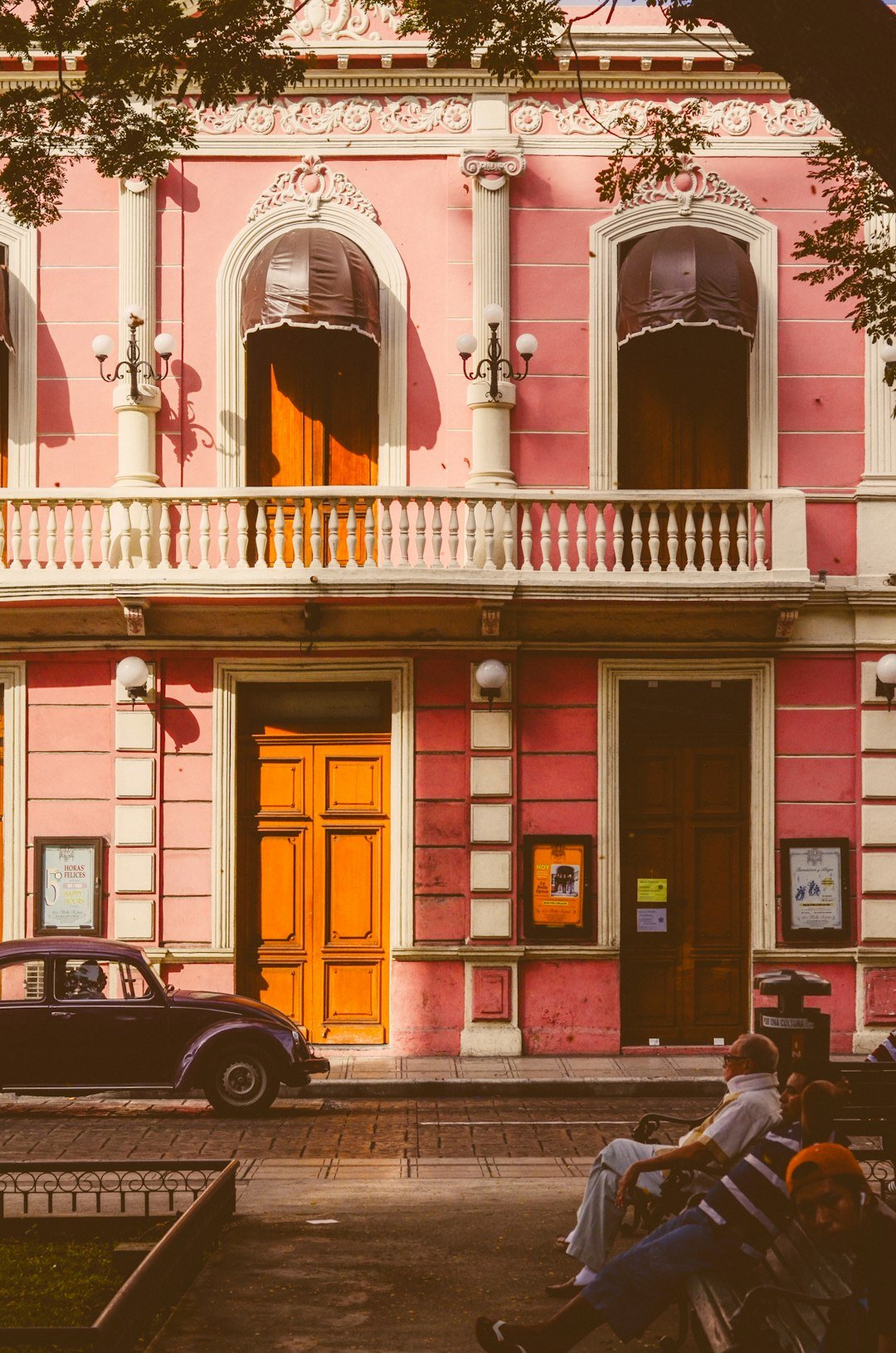
The capital of Yucatan state is one of the finest colonial cities in Mexico — wide boulevards of neoclassical mansions built with 19th-century henequen (sisal) wealth, the finest regional cuisine in the Yucatan, and a Sunday cultural life (free concerts, dance performances, and markets in the main plaza) that reflects a genuinely proud and vibrant local culture. Merida is a magnificent base for exploring Chichen Itza, Uxmal, the Puuc Route ruins, and the flamingo colonies of the Celestun biosphere reserve.
9. Tulum – Ancient Ruins on a Caribbean Cliff
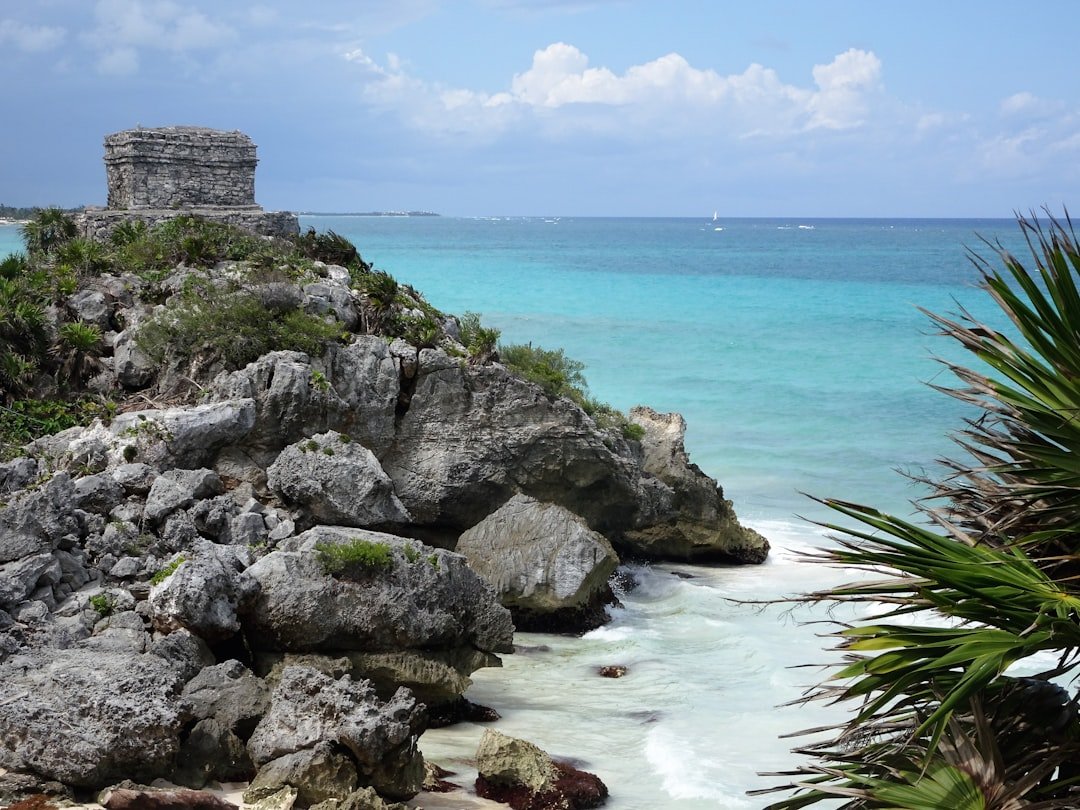
The Mayan walled city of Tulum occupies a 12-meter cliff above a turquoise Caribbean bay — the only Mayan site built directly on the sea. The combination of ancient ruins, Caribbean backdrop, and jungle setting creates one of the most photographed archaeological sites in Mexico. Below the cliff, the beach is accessible for swimming.
Practical tip: Arrive at opening (8 AM) — Tulum is one of the most visited sites in Mexico and overcrowded by mid-morning. The ruins close at sunset.
10. Guanajuato – The Underground City
The UNESCO colonial city of Guanajuato in the Bajio has an extraordinary feature unique in Mexico: its historic center is built in a narrow ravine, and the traffic system runs through former silver mine tunnels beneath the city. The Callejon del Beso (Alley of the Kiss), where two balconies are close enough to kiss across, the Juarez Theatre, and the Mummy Museum containing naturally mummified remains from the 19th century make Guanajuato one of the most interesting places in Mexico.
The annual Cervantino International Arts Festival in October transforms the city into one of the finest arts festivals in Latin America.
11. Sumidero Canyon, Chiapas – A Cathedral of Rock
The Sumidero Canyon near Tuxtla Gutierrez in Chiapas is a river gorge with vertical walls up to 1,000 meters high. Motorboat tours along the Grijalva River at the canyon floor pass waterfalls, crocodiles on the banks, and a Christmas Tree formation where mineral deposits create a green wall of vegetation — one of the most dramatic canyon experiences in Mexico.
Book now: Sumidero Canyon boat tour from San Cristobal via Viator
12. Teotihuacan – The City of the Gods
Just 50 kilometers from Mexico City, Teotihuacan was the largest city in pre-Columbian America — a metropolis of 150,000 people at its peak in 450 AD, its identity still unknown. The Avenue of the Dead connects the Pyramid of the Sun (third-largest pyramid in the world), the Pyramid of the Moon, and the Temple of Quetzalcoatl. Climbing the Pyramid of the Sun at sunrise, before the tour buses arrive, is one of the great early-morning experiences in Mexico.
Practical tip: Take the first bus from Mexico City’s Terminal Norte (departing 5 AM) to reach the site at opening and have the pyramids almost to yourself for 90 minutes.
13. Bacalar – The Lake of Seven Colors
The Laguna de Bacalar near the Belize border in Quintana Roo is a 42-kilometer freshwater lake whose depth variations create shades of color ranging from pale turquoise to deep blue-black — the seven colors of Bacalar. The 17th-century Fort San Felipe (built against pirate raids) and the cenote accessible directly from the lake add historical depth to a destination best experienced by sailboat or kayak.
14. Monte Alban – Zapotec Capital Above the Oaxacan Valley
The Zapotec city of Monte Alban, built on an artificially leveled mountain top 400 meters above the Oaxaca Valley, was one of the first cities in Mesoamerica — inhabited continuously from 500 BC to 700 AD. The main plaza, aligned astronomically and flanked by pyramidal platforms, contains Mexico’s finest example of danzante carvings (figures in impossible contortions) and a building aligned to mark stellar events rather than cardinal directions.
Practical tip: Entry is 95 pesos. The site is 10 kilometers from Oaxaca city by taxi (80 pesos). Arrive early for the best light and smallest crowds.
15. Sayulita – Mexico’s Bohemian Pacific Village
The small village of Sayulita on the Pacific Nayarit coast north of Puerto Vallarta has the character that Tulum had 15 years ago — colorful streets, a beginner surf beach, excellent seafood restaurants on the sand, and a genuine village life operating alongside the tourists rather than for them. The Riviera Nayarit coastline between Sayulita and San Pancho contains some of the finest uncrowded beaches on the Mexican Pacific.
Practical Mexico Travel Tips
Best time to visit Mexico: November to April is ideal for most of Mexico — dry, warm, and the best conditions for beach and ruins. The Yucatan is good year-round. Hurricane season (June to November) affects the Caribbean and Pacific coasts. Mexico City and highland destinations are pleasant year-round.
Getting around: Mexico’s domestic airline network (Aeromexico, VivaAerobus, Volaris) connects major cities cheaply. First-class buses (ETN, ADO) are comfortable, punctual, and cover routes airlines don’t. Uber works in most major cities and is significantly safer than street taxis.
Currency: Mexican Peso (MXN). USD is widely accepted in tourist areas but at unfavorable rates — pay in pesos wherever possible. ATMs dispense pesos and are widely available.
Food safety: Street food from busy stalls with high turnover is generally safe. Avoid ice in drinks unless clearly purified. Bottled or filtered water is standard — tap water is not safe to drink in most of Mexico.
Final Thoughts on Interesting Places in Mexico
Mexico rewards the traveler who moves beyond the resort and the package tour. The ruins are extraordinary, the food is extraordinary, the colonial cities are extraordinary, and the people — whose hospitality is one of the defining characteristics of Mexican culture — make the country feel genuinely welcoming at every turn.
Plan at least two weeks. Combine Mexico City with Oaxaca, or the Yucatan with San Miguel. And eat everything.
Exploring the Americas? Read our complete guides to Interesting Places in Peru, Interesting Places in New York, and Interesting Places in Colombia.