in
15 Most Interesting Places in New Zealand (2026 Travel Guide)
New Zealand is the destination that makes other destinations feel ordinary. A country the size of the United Kingdom containing fiords, active volcanoes, glaciers, geothermal fields, ancient kauri forests, subtropical beaches, and alpine peaks — all connected by roads of extraordinary scenic beauty and all within a few hours’ drive of each other.
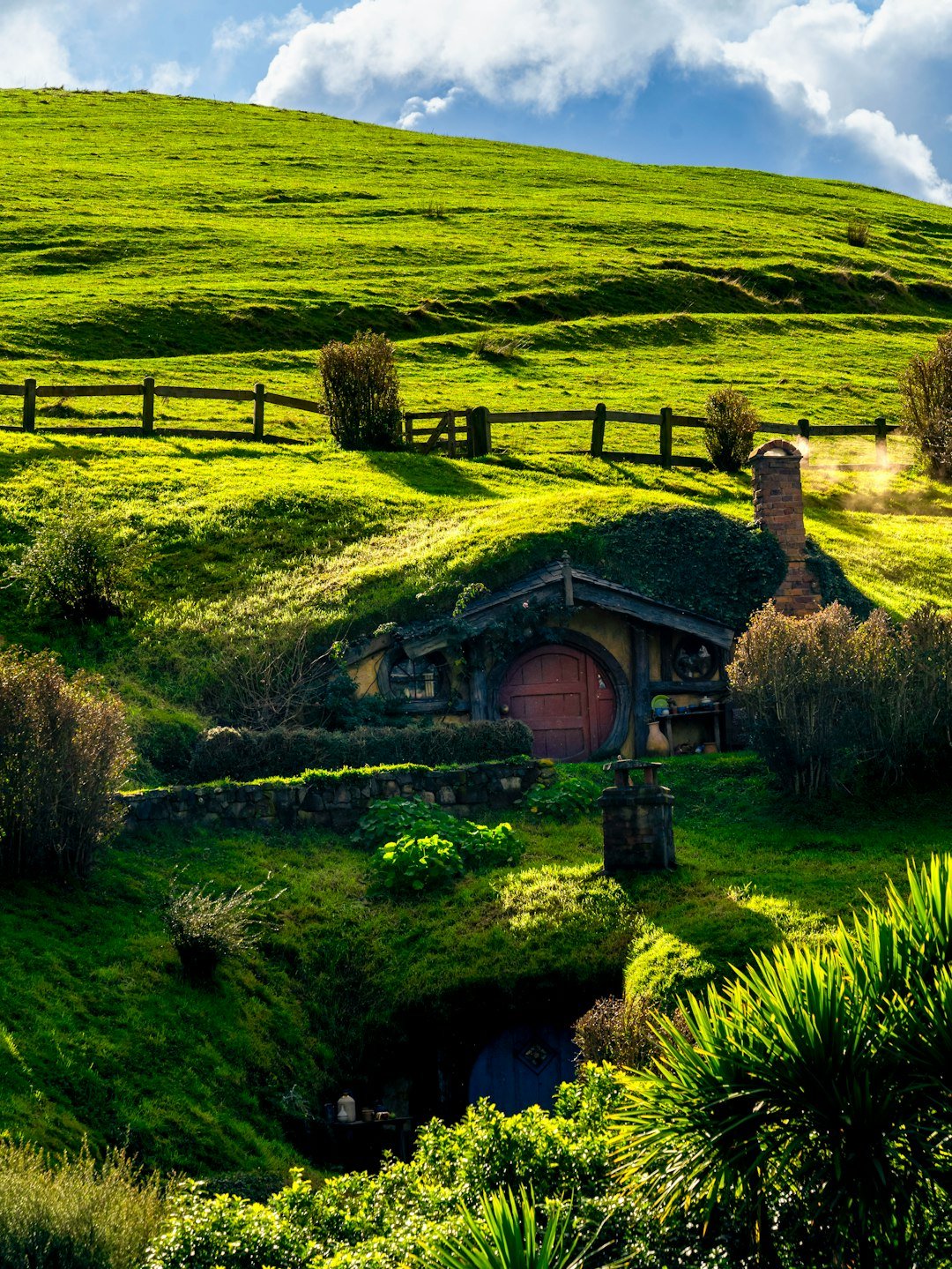
Peter Jackson set Middle Earth here not because he was biased (though he was) but because New Zealand genuinely looks like a landscape from another world. The reality is that it looks like this constantly, in every direction, in weather that shifts from sunshine to dramatic storm and back in the same afternoon.
These are the most interesting places in New Zealand for travelers arriving for the first time and those returning for the fifth.
Iconic New Zealand Landmarks Every Visitor Must See
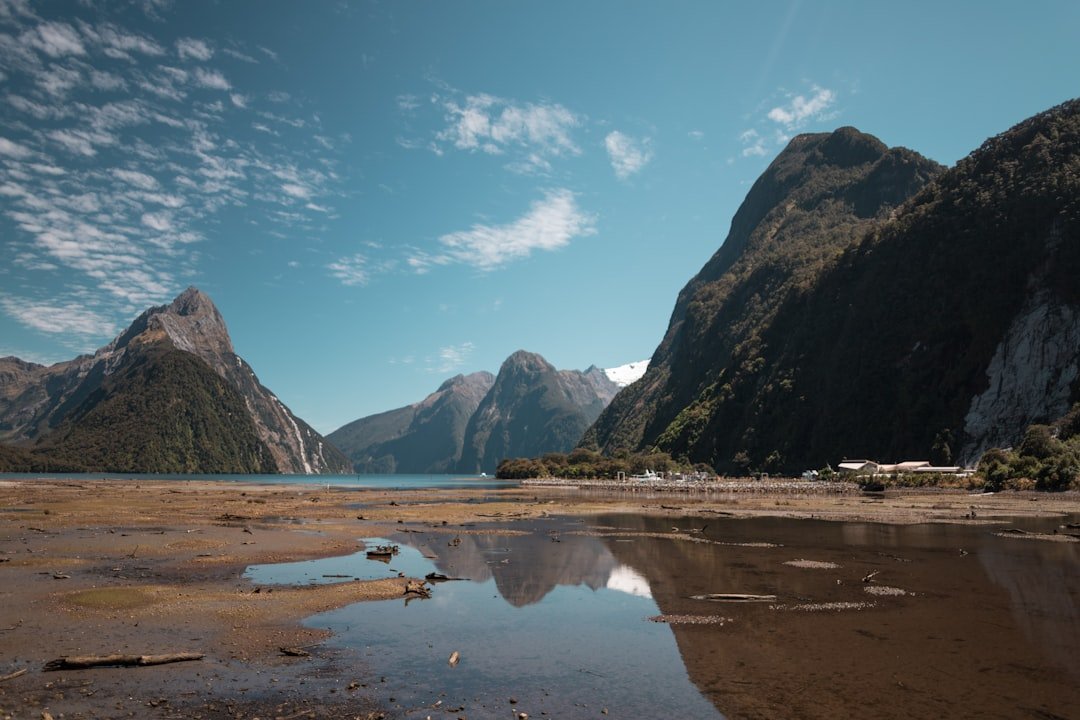
1. Milford Sound – The Eighth Wonder of the World
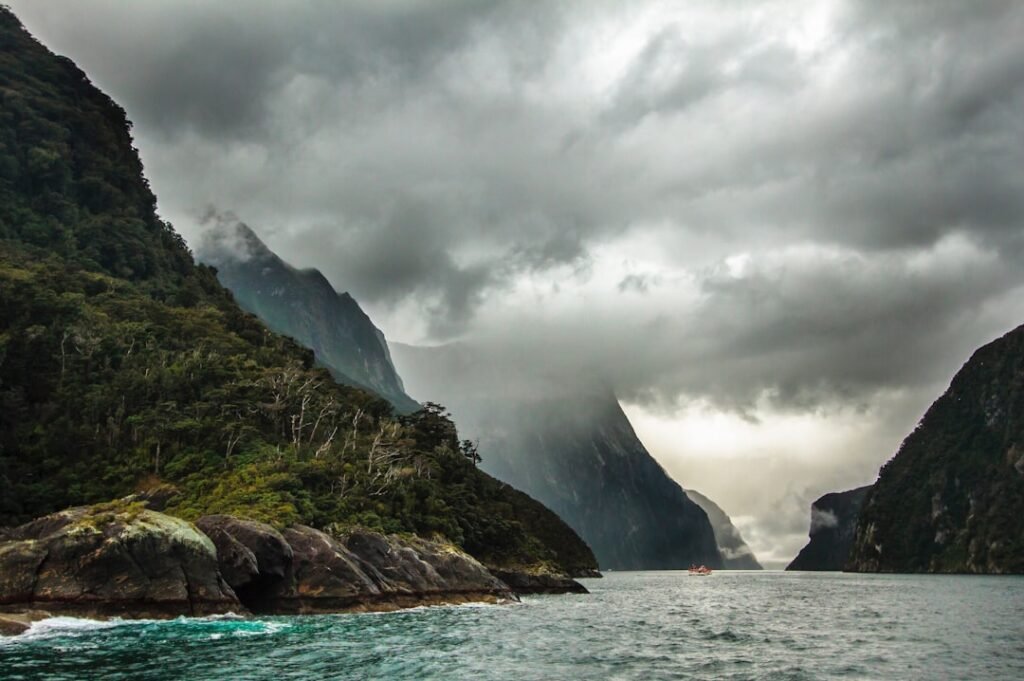
Rudyard Kipling called Milford Sound the eighth wonder of the world. The 15-kilometer fiord in Fiordland National Park is carved between vertical cliffs rising 1,200 meters directly from the water, draped in waterfalls and dense rainforest, with Mitre Peak rising 1,692 meters from the surface. Seals, dolphins, and penguins live in its cold black waters.
The drive from Queenstown or Te Anau through the Homer Tunnel (2 kilometers of hand-carved rock) is half the experience.
Practical tip: Rain makes Milford Sound more dramatic, not less — the waterfalls multiply from a few to hundreds in rain. An overnight cruise catches the Sound at dawn before the day boats arrive.
Book now: Milford Sound overnight cruise via Viator
2. Tongariro Alpine Crossing – The Best One-Day Walk in the World
The 19.4-kilometer Tongariro Alpine Crossing traverses the active volcanic terrain of Tongariro National Park — New Zealand’s oldest — passing the Emerald Lakes, Red Crater, and the South Crater of Mount Ngauruhoe (the volcano used as Mount Doom in Lord of the Rings). The crossing takes 6-8 hours and is widely considered the finest one-day walk in the world.
Practical tip: The crossing is weather-dependent — in poor visibility or high winds it loses much of its appeal. Check the Department of Conservation forecast the day before. Shuttle buses from Whakapapa Village or National Park town are required as the walk is point-to-point.
Book now: Tongariro Alpine Crossing guided experience via GetYourGuide
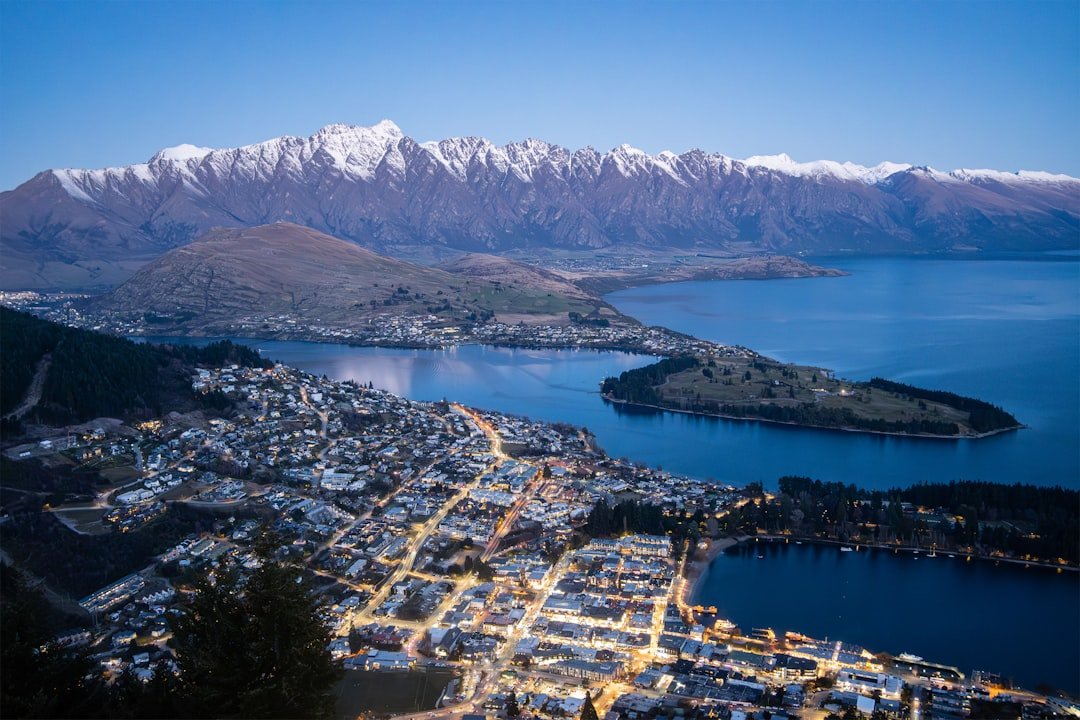
3. Queenstown – Adventure Capital of the World
Queenstown on the shores of Lake Wakatipu beneath the Remarkables mountain range is the adventure capital of the world — the place where bungee jumping was commercialized, where skydiving is a daily activity, where heli-skiing, white water rafting, paragliding, and canyon swinging are routine Tuesday activities. But Queenstown is also one of the most scenically beautiful resort towns in the world, with excellent restaurants, wineries in the surrounding Gibbston Valley, and the Routeburn and Milford Tracks accessible from its front door.
Book now: Queenstown bungee jump and adventure combo via Viator
Lesser-Known New Zealand Attractions Worth Every Detour
4. Rotorua – Geothermal Wonderland and Maori Culture
The city of Rotorua sits on one of the most geothermally active zones on earth — the ground bubbles, steams, and smells of sulphur. The Wai-O-Tapu geothermal park contains the Champagne Pool (a 900-year-old hot spring in vivid orange and green), boiling mud pools, and silica terraces in colors that look digitally enhanced. Rotorua is also the cultural heartland of the Maori people — Te Puia and Mitai offer the finest traditional Maori cultural performances in New Zealand.
Book now: Rotorua Wai-O-Tapu and Maori cultural evening via GetYourGuide
5. Abel Tasman National Park – Golden Beaches and Coastal Kayaking
New Zealand’s smallest national park at the top of the South Island has the country’s finest coastal scenery — a succession of golden sand beaches, granite headlands, and clear turquoise water accessible only by water taxi, kayak, or foot. The 51-kilometer Abel Tasman Coast Track is one of New Zealand’s Great Walks, taking 3-5 days to complete in either direction.
Practical tip: Water taxis allow walkers to skip sections in either direction, making it easy to tailor the walk to available time. Sea kayaking from Marahau is the best way to access beaches inaccessible on foot.
6. Fiordland National Park – Wilderness on a Scale That Humbles
The 1.2 million-hectare Fiordland National Park in the southwest corner of the South Island is one of the largest national parks in the world and one of the most remote inhabited places on earth. Besides Milford Sound, it contains Doubtful Sound (three times larger, accessible only by boat from Manapouri), the Kepler Track, and the Dusky Track — a 10-day wilderness route that requires a week of fine weather and genuine backcountry experience.
7. Waitomo Glowworm Caves – Stars Underground
The Waitomo cave system in the Waikato contains chambers whose ceilings are covered in Arachnocampa luminosa — the New Zealand glowworm, a bioluminescent fungus gnat larva found only in New Zealand. Floating silently through the Glowworm Grotto by boat, looking up at what appears to be a sky full of blue-green stars in an underground cathedral, is one of the most surreal and beautiful experiences in New Zealand.
Practical tip: The Black Abyss adventure combo — abseil into the cave, walk through glowworm passages, tube through underground rivers — is significantly more memorable than the standard tourist boat.
Book now: Waitomo Glowworm Caves guided tour via GetYourGuide
Hidden Gems in New Zealand Only Slow Travelers Discover
8. The Catlins – New Zealand’s Wild Southern Coast
The Catlins coast in the far south of the South Island, between Dunedin and Invercargill, is one of New Zealand’s least visited and most beautiful regions — a coastline of sea stacks, petrified forests, yellow-eyed penguin colonies, sea lion beaches, Niagara Falls (a miniature 3-meter waterfall, charmingly named), and Cathedral Caves accessible only at low tide.
Few international tourists make it this far south. The ones who do often name it the highlight of their New Zealand trip.
9. Coromandel Peninsula – Hot Water Beach and Cathedral Cove
The Coromandel Peninsula east of Auckland has two extraordinary natural phenomena within a few kilometers of each other. At Hot Water Beach, for two hours either side of low tide, visitors dig holes in the sand to create their own hot pools fed by geothermal water rising through the sand. At Cathedral Cove, accessible only by boat or a 45-minute clifftop walk, an enormous natural rock arch frames a beach backed by a sea cave.
Practical tip: Hot Water Beach is best at low tide — check tide times before visiting. Bring a spade (hire available at the beach).
10. Wanaka – Queenstown Without the Crowds
The lake town of Wanaka, 100 kilometers from Queenstown, offers most of the same mountains, outdoor activities, and scenery with a fraction of the visitors and a noticeably more relaxed character. The Roys Peak track above the town provides one of the finest mountain views in the South Island. The Puzzling World attraction is delightfully eccentric. And the Wanaka Tree — a lone willow growing from the edge of the lake — is one of New Zealand’s most photographed natural subjects.
11. Napier – Art Deco City of the Pacific
The city of Napier in Hawke’s Bay was rebuilt after a devastating 1931 earthquake in Art Deco style — and because rebuilding happened at a single moment rather than over decades, the result is the world’s most complete and consistent Art Deco city outside of Miami. The surrounding wine region, producing the finest Chardonnay and Syrah in New Zealand, extends the reasons to visit.
12. Stewart Island – New Zealand’s Third Island
The small island of Stewart Island (Rakiura) south of the South Island has 85% of its area protected as Rakiura National Park, a population of 400 people, and the finest wild brown kiwi viewing in New Zealand — the birds are visible after dark on the beach at Oban, the island’s only town. The Rakiura Track is one of New Zealand’s Great Walks and one of its most remote.
13. Hokitika Gorge – The Bluest Water on Earth
The Hokitika River where it enters a narrow gorge on the West Coast of the South Island carries glacial flour in suspension that gives the water a blue-green color of extraordinary intensity — a color that appears photoshopped until you are standing in front of it. The short walk from the carpark to the gorge viewpoint takes 20 minutes and delivers one of the most vivid natural color experiences in New Zealand.
14. Kaikoura – Whales and Mountains at the Same Latitude
The town of Kaikoura on the northeast coast of the South Island sits where the Kaikoura Canyon — a deep-sea trench close to shore — brings sperm whales to the surface year-round within 30 minutes of the coastline. Whale watching boats reliably encounter sperm whales; dolphins, New Zealand fur seals, and the rare Hutton’s shearwater are also regular sightings. The snow-capped Kaikoura Ranges rise directly behind the town.
Book now: Kaikoura whale watching tour via Viator
15. Cape Reinga – Where Two Oceans Meet at the Top of New Zealand
The northernmost accessible point of New Zealand’s North Island is where the Tasman Sea and the Pacific Ocean converge in visible rip currents below the lighthouse. In Maori belief, Cape Reinga (Te Rerenga Wairua) is where the spirits of the dead begin their journey to the ancestral homeland. The dunes of Ninety Mile Beach to the south, navigable by 4WD along the exposed sand, complete a journey to one of the most spiritually significant and scenically dramatic places in New Zealand.
Practical New Zealand Travel Tips
Best time to visit New Zealand: December to February (southern hemisphere summer) offers the best weather for outdoor activities, though peak prices and crowds apply. March to May (autumn) is excellent — quieter, golden-leafed, still warm. June to August (winter) is ski season in the South Island.
Getting around: New Zealand is a driving country — a campervan or rental car is the best way to experience it. The journey is the destination on most New Zealand roads. Domestic flights (Air New Zealand) connect Auckland, Wellington, Christchurch, Queenstown, and Dunedin efficiently.
Currency: New Zealand Dollar (NZD). ATMs and card payment are available virtually everywhere.
DOC Huts and Great Walks: The Department of Conservation maintains a network of huts along all major tracks. Great Walk huts (the Routeburn, Milford, Kepler, Abel Tasman) require advance booking which sells out months ahead.
Final Thoughts on Interesting Places in New Zealand
New Zealand changes people. The scale of its landscapes, the quality of its light, the accessibility of its wilderness — all of it together creates a travel experience that recalibrates what outdoor beauty means. Travelers who come planning to see the South Island in four days inevitably extend. Travelers who extend their trip inevitably plan to return.
Give yourself time. Drive slowly. Stop at every viewpoint. The reward is proportional to the attention paid.
Exploring the Pacific? Read our guides to Interesting Places in Bali, Interesting Places in Hawaii, and Interesting Places in Tokyo.