

in
Pasta e Ceci (Pasta With Chickpeas) Recipe
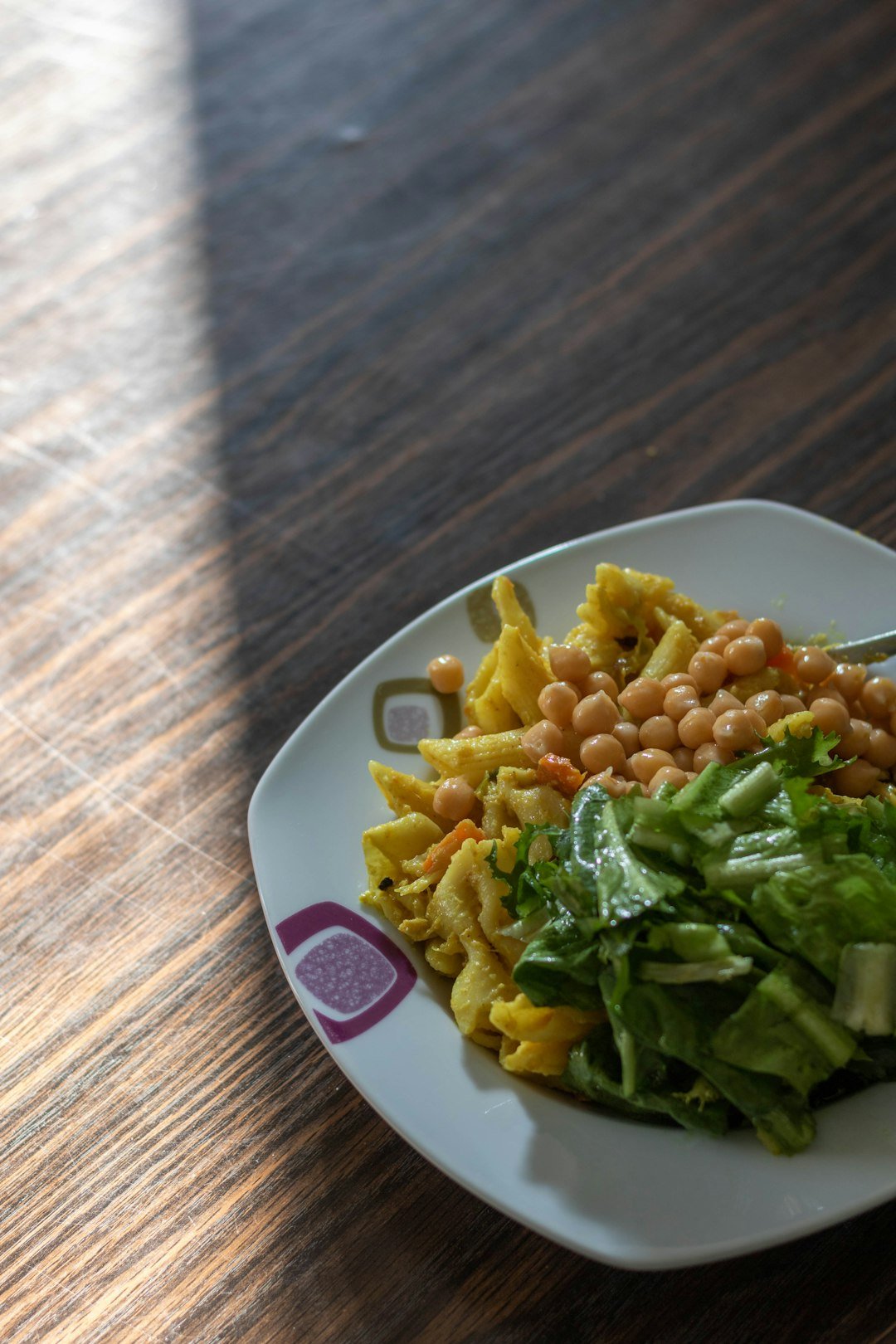
Pasta e ceci — pasta with chickpeas — is one of the great dishes of Roman cucina povera: simple, cheap, deeply satisfying, and with a depth of flavour that exceeds the complexity of its ingredients. It is soup and pasta simultaneously, thick enough to stand a spoon in but loose enough to eat from a bowl. It takes 30 minutes from dried chickpeas if you use canned, 24 hours if you start from scratch — and starting from scratch is almost always worth it.
Ingredients (serves 4)
- 400g dried chickpeas (or 2 x 400g cans, drained)
- 200g pasta (ditalini, broken spaghetti, or small tubetti)
- 4 tbsp extra virgin olive oil, plus more for serving
- 4 cloves garlic, crushed
- 1 sprig fresh rosemary
- 1 small dried chilli (optional)
- 2 tbsp tomato paste
- 1.5 litres chicken or vegetable stock (or water)
- Salt and black pepper
- Parmesan rind (optional but recommended)
Method
If using dried chickpeas: soak overnight in cold water with a pinch of bicarbonate of soda. Drain, rinse, cover with fresh cold water, and cook for 1.5 to 2 hours until completely tender. Reserve the cooking water.
Build the base: heat the olive oil in a large heavy pot over medium heat. Add the garlic, rosemary, and chilli. Cook gently for 3-4 minutes until the garlic is golden and the oil is fragrant. Add the tomato paste and stir for 1-2 minutes.
Add the chickpeas: add three-quarters of the chickpeas to the pot and pour in the stock. Add the Parmesan rind if using. Simmer for 15 minutes. Remove the rosemary sprig. Use a stick blender to roughly blend about half the soup — you want a mixture of whole chickpeas, broken chickpeas, and creamy broth, not a smooth purée. Add the remaining whole chickpeas.
Cook the pasta: bring the soup back to a simmer, season generously with salt, and add the pasta directly to the pot. Cook until the pasta is al dente, stirring frequently to prevent sticking. The soup will thicken significantly — add a splash of water or stock if it becomes too thick.
Serve: remove the Parmesan rind. Divide between bowls, finish with a generous pour of your best olive oil, a few grinds of black pepper, and grated Parmesan if you like. Eat immediately — pasta e ceci waits for no one, and the pasta continues to absorb liquid as it sits.
Notes
The dish should be thick — the Romans call it né troppo asciutta né troppo brodosa (neither too dry nor too soupy). The exact quantity of pasta and liquid to achieve this depends on your pasta’s starch content and how long it cooks; treat the recipe as a framework and adjust. Leftovers are excellent the next day if you loosen with a little water or stock when reheating — the pasta will have absorbed most of the liquid overnight.