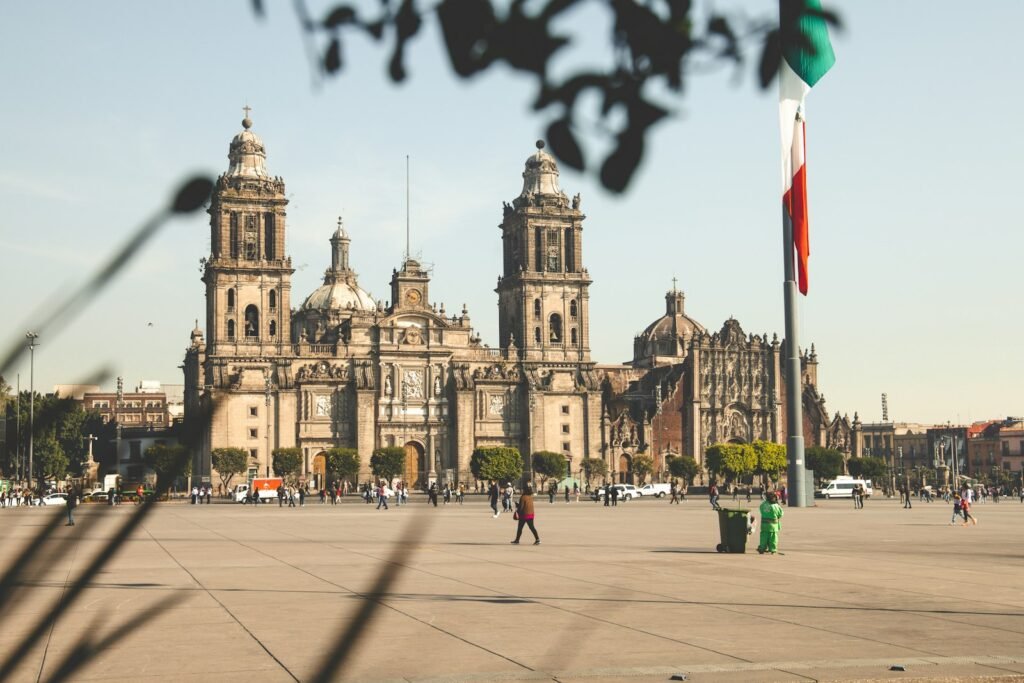
Mexico City is one of the largest cities on earth and it is not remotely as intimidating as that makes it sound. The parts a visitor uses are a handful of walkable, leafy neighbourhoods — colonias — sitting close together in the middle. Pick the right one and the city is easy.
The altitude is worth knowing about before anything else: CDMX sits at around 2,240m. Most people feel it for the first day or two, so plan a gentle start regardless of where you book.
The short answer
First visit, stay in Roma Norte. It is the best balance of walkability, safety, food and character in the city, and everything else is a short Uber away. If you want the same location but quieter and greener, take Condesa next door.
- First visit, best all-round — Roma Norte
- Quieter, greener, families — Condesa
- Luxury and hotel quality — Polanco
- History and budget — Centro Histórico
- Longer stays, local feel — Coyoacán or San Miguel Chapultepec
Roma Norte
Early twentieth-century mansions, jacaranda trees, and the densest concentration of good restaurants, coffee and galleries in the city. It is consistently rated among the safest colonias for visitors and it is extremely walkable, which is the combination that makes it the default recommendation.
It is also where much of the city’s recent restaurant scene has landed, so you can eat exceptionally well without booking weeks ahead — though for the famous places you still should.
Stay here if: it is your first trip and you want one decision you will not second-guess.
Condesa
Immediately west of Roma and often discussed as its twin. The difference is real though: Condesa is built around two large parks, Parque México and Parque España, and it is more residential and quieter at night.
It suits couples, longer stays, families with children and anyone who wants green space out of the door. Roma has the better restaurant density; Condesa has the better sleep.
Polanco
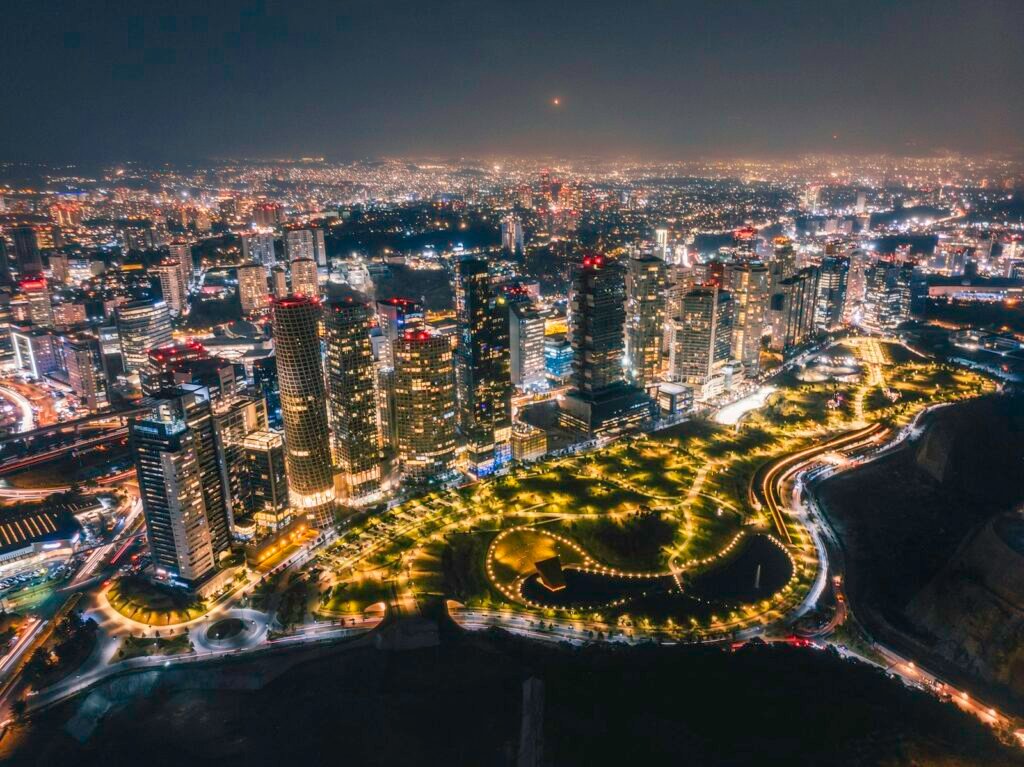
The upscale district — designer shopping on Avenida Presidente Masaryk, the city’s highest concentration of fine dining, and the best luxury hotels. It borders Chapultepec park and the Museo Nacional de Antropología, which is the single best museum in the country and worth planning a day around.
Expect to pay roughly 30 to 50 per cent more than Roma or Condesa for equivalent quality. It is safe and comfortable and a little corporate; it feels less like Mexico City than the colonias to its south.
Centro Histórico
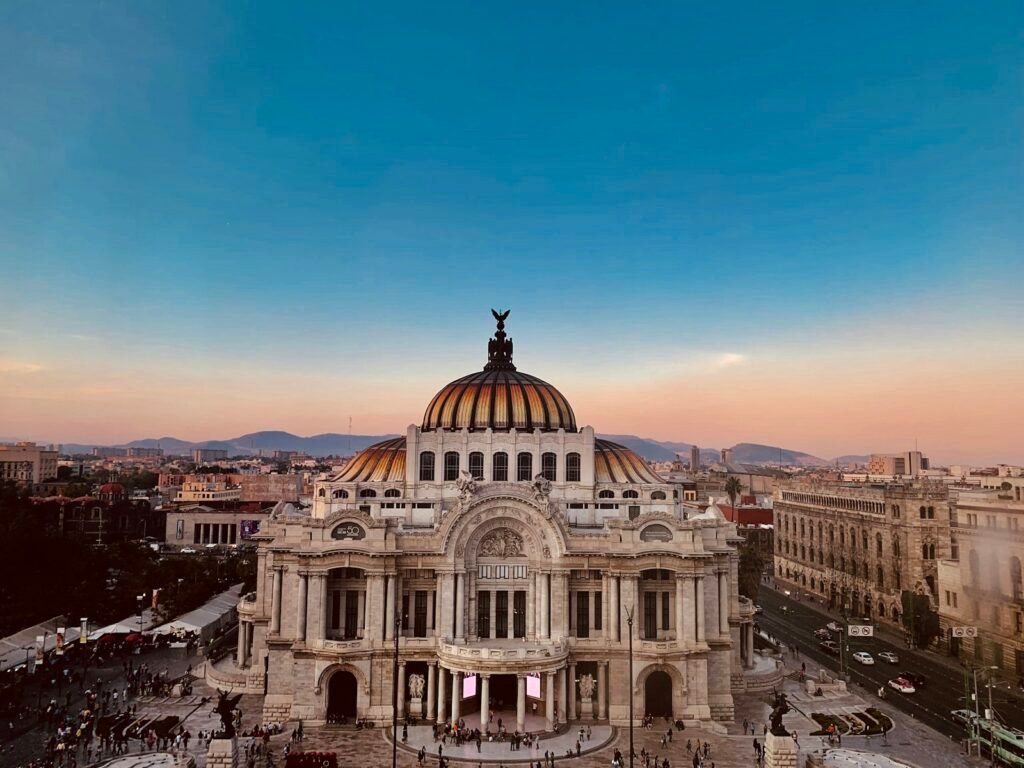
The historic core: the Zócalo, the Metropolitan Cathedral, Templo Mayor, Bellas Artes and the Diego Rivera murals. By day it is the most interesting square kilometre in Mexico and you should certainly spend time here.
As a base it is more of a trade-off. Rates are the lowest of the central options and the sightseeing is on your doorstep, but the streets are intense, much of the area empties commercially after dark, and it is easy to wander a few blocks into somewhere you would rather not be at night.
Stay here if: budget and museums are the priority and you are comfortable taking Ubers after dark.
Coyoacán and the alternatives
Coyoacán is the colonial village in the south — cobbled streets, a lively market, and the Frida Kahlo Museum. It is charming and genuinely local, and it is also 30 to 45 minutes from the centre, which rules it out for short trips.
San Miguel Chapultepec, between Condesa and the park, is the quiet insider pick: residential, walkable to Roma, and cheaper than Polanco.
What it costs
Mexico City is good value, though Roma and Condesa have risen sharply in recent years. Budget properties start around $29–40, Roma Norte hotels commonly run $40–80, mid-range boutique sits around $80–150, and Polanco luxury climbs well past $250.
Book ahead for Día de Muertos at the start of November — the city fills and rates rise substantially.
Safety, plainly
The tourist colonias are safe with ordinary big-city sense. The practical rules: use Uber or Didi rather than hailing cabs on the street, especially at night; keep your phone out of sight while walking; and treat Centro Histórico after dark as somewhere to arrive by car rather than wander into.
Earthquake alarms sound periodically and there is a citywide drill each September. They are loud and startling and almost always a test.
Frequently asked questions
How many days do you need?
Four is a good minimum: one for Centro, one for Chapultepec and the anthropology museum, one for Coyoacán and Frida Kahlo, one for Teotihuacán.
Roma Norte or Condesa?
Roma for food and going out, Condesa for parks and quiet. They are adjacent, so either works and the walk between them is ten minutes.
Do I need Spanish?
It helps considerably. English is common in Roma, Condesa and Polanco and much less so elsewhere.
Is the altitude a problem?
Usually mild — some breathlessness and poorer sleep for a day or two. Drink more water than feels necessary and go easy on alcohol the first night.
More of the country: the most interesting places in Mexico.