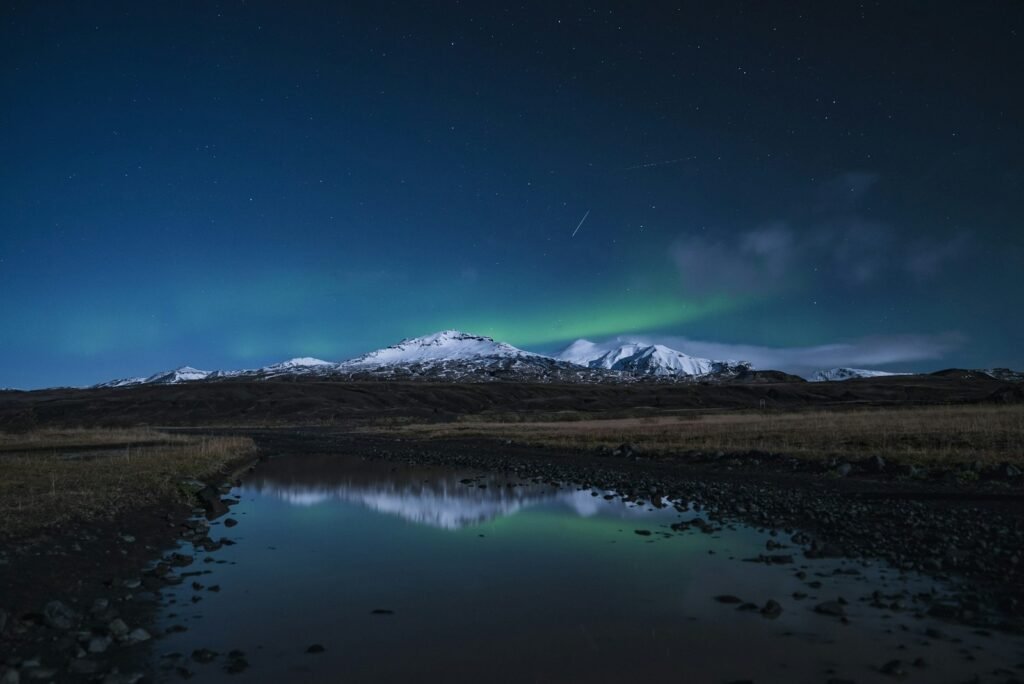
Best Time to Visit Iceland: Northern Lights, Midnight Sun and What to Expect Each Season
The best time to visit Iceland depends entirely on what you want to do and what kind of experience suits you. If you’re chasing the northern lights, winter is non-negotiable. If you’re hiking and hoping to see puffins, summer is your window. But here’s the honest part: Iceland is expensive year-round, and every season comes with real trade-offs. This guide breaks down what to expect month by month, so you can choose the season that actually matches your priorities instead of just showing up and hoping for the best.
TL;DR
- Northern lights hunters: November to February, with peak visibility in December and January
- Midnight sun and outdoor adventures: June to August, warmest weather but peak crowds and highest prices
- Best value and fewer crowds: April-May or September-October, with excellent weather and lower accommodation costs
- Winter activities: November to February for ice caves, glacier hiking, and dark skies – but limited daylight for sightseeing
- Budget reality: Iceland is expensive in all seasons; shoulder season (spring and autumn) offers the best value-to-experience ratio
Summer in Iceland: Midnight sun, puffins and hiking season
June through August is when Iceland wakes up. The midnight sun dominates – you get nearly 24 hours of daylight, which sounds incredible but honestly takes some adjustment. The roads are fully open, the weather is at its warmest (still only 12-15°C / 54-59°F), and hikers from across the world descend on every mountain trail.
This is prime season for seeing puffins along the coast, particularly on the Westfjords and the Snæfellsnes Peninsula. The visibility is excellent for landscape photography. Waterfalls run full from snowmelt. If hiking the Laugavegn Trail or exploring remote highlands is on your list, summer is when you can actually do it – many mountain roads don’t open until July.
The downside is immediate. Every tour bus, hostel, and restaurant is packed. Popular hiking trails look like commute-hour subway platforms. Hotel rooms in Reykjavik are double the off-season price. A simple dinner out will cost £20-30 per person. Even budget-conscious travellers report frustration with shoulder-to-shoulder tourism. If you’re arriving without advance bookings, you will struggle to find accommodation.
The midnight sun is genuinely strange – your body doesn’t know when to sleep, and you can’t really escape the light even with curtains. Some people love it. Others find it exhausting.
Best for: hikers, photographers, families (long daylight means more time to do things), anyone wanting warm(ish) weather.
Avoid if: you dislike crowds, you’re on a tight budget, you need solid sleep patterns.
Winter in Iceland: Northern lights, ice caves and dark skies
November through February is the counterintuitive peak season for northern lights hunters. The dark skies are essential – you won’t see the aurora in summer’s twilight. From December onwards, daylight shrinks to around 4 hours a day in Reykjavik, dropping to almost nothing further north. That darkness is the whole point.
The northern lights themselves are unpredictable. They happen when solar activity aligns, weather is clear, and you’re in the right place. Winter nights are long, which technically gives you more chances, but no one can guarantee you’ll see them. Many visitors spend three nights chasing them and leave empty-handed. That’s not a failure of planning – it’s just how it works.
Winter is also when Iceland’s ice caves are accessible. The glacier ice is most stable, and tour operators run regular expeditions into caves that exist nowhere else in the world. The landscape is otherworldly – frozen waterfalls, snow-covered lava fields, ice formations you won’t find in guidebooks. This is uniquely Iceland, and winter is the only time you can do it.
The realistic challenges are real. Roads are icy and sometimes closed, even major routes like Route 1. Rental cars are pricier and come with mandatory winter tyres and insurance add-ons. A two-hour drive might take four hours. Tours get cancelled due to weather – it’s unpredictable enough that you should build contingency days into your itinerary. Daylight is minimal, so sightseeing feels rushed. You might get 3-4 hours of actual daylight, and if it’s overcast (which is common), even that feels like dusk.
Temperatures sit around 0°C to -5°C (32-23°F), sometimes dropping to -10°C and below. Wind makes it feel colder. You need proper winter gear – thermal layers, a quality waterproof jacket, insulated waterproof boots. Buying or renting this in Iceland costs a lot; bringing it from home makes sense.
The cost is higher than shoulder seasons but lower than summer. Accommodation in Reykjavik is cheaper than June-August, but tours (especially northern lights and ice cave tours) are expensive – typically £50-100 per person. Food and dining are the same cost year-round.
Best for: northern lights chasers, ice cave enthusiasts, photographers wanting dramatic winter light, anyone wanting solitude and fewer tourists.
Avoid if: you dislike extreme cold, you need guaranteed good weather, you struggle with lack of daylight, you’re on a strictly limited budget.
Spring in Iceland: Shoulder season with unpredictable weather
April and May are transitional months. Daylight increases rapidly from about 16 hours in April to nearly 24 in May. Waterfalls are still running high from snowmelt, so the landscape is dramatic. Tourist numbers start creeping up but haven’t hit the summer wall. Accommodation prices are noticeably lower than June-August.
The catch is weather unpredictability. You might get a beautiful 10°C day one day and wake to heavy snow the next. That’s not unusual – the phrase “if you don’t like the weather, wait five minutes” is genuinely accurate. It means packing layers and being flexible with outdoor plans.
The northern lights are technically possible until mid-April in clear skies, but daylight increases quickly, so the window is closing. By May, there’s too much twilight for reliable northern lights viewing.
Many hikers love spring because you can access trails before peak season and the waterfall flow is incredible. But some mountain roads don’t open until June, so check before planning specific hikes.
Best for: budget-conscious visitors wanting decent weather, hikers timing the waterfall season, anyone wanting fewer crowds than summer.
Avoid if: you need predictable warm weather, you’re visiting with very young children who need stability.
Autumn in Iceland: Clear skies and better prices
September and October mirror spring in terms of temperature and daylight, but autumn tends to have clearer, more stable weather – fewer of those sudden snow showers. The landscape is subtly different. Vegetation changes colour in greens and yellows. Tourist numbers drop significantly after September 1st, which is noticeable if you were in summer.
The northern lights become visible again in mid-September, and by October they’re a genuine possibility on clear nights. Not as frequent as winter, but the upside is you still have reasonable daylight for sightseeing. A typical day might give you 12 hours of light plus a few hours of twilight, so you can see something during the day and still have dark skies at night.
Accommodation prices drop – late September hotels are 20-30% cheaper than June. Food costs are the same, but your overall trip budget breathes a bit more. Hiking season is still on, though some higher mountain passes start closing as autumn progresses.
The weather is genuinely more unpredictable than you’d expect. September can still bring rain and wind, and October starts the transition to proper autumn storms. Plan outdoor activities but have indoor backups.
Best for: northern lights enthusiasts with more flexibility, budget travellers wanting reasonable weather, hikers wanting fewer crowds, photographers wanting dramatic skies without the summer hordes.
Avoid if: you’re hoping for warm weather, you specifically want to see puffins (they’ve mostly left by September).
Winter vs summer: What actually matters for your trip
This comes up constantly in travel forums: “Should I visit in summer or winter?” The answer depends entirely on what you came for.
Summer offers long days, warm(ish) weather, accessible trails, and guaranteed accommodation without hunting. You can cover more ground. You can be outdoorsy from 6am to 11pm if you want. You can camp. The tradeoff is cost, crowds, and the surreal difficulty of sleeping in broad daylight.
Winter offers northern lights, ice caves, moody landscapes, and genuine solitude in a way summer never does. You see Iceland differently – emptier, quieter, more dramatic. You also see much less of it due to darkness. A day of sightseeing means 3-4 hours of actual visibility. Tours feel rushed. And cost-wise, while accommodation is cheaper than peak summer, tours are expensive and unpredictability (weather cancellations) is frustrating.
Neither is objectively “better.” It’s genuinely about what appeals to you. If you’ve never seen the northern lights and that’s your main goal, winter is non-negotiable. If hiking remote mountains is the priority, summer is essential. If you want a balanced mix of activities with reasonable weather and lower costs, shoulder seasons win.
Reykjavik by season: What to expect in the capital
Reykjavik is the main entry point for most visitors, so its seasonal character matters.
In summer, the city is bustling. The Old Harbour area is packed with tourists, tour buses, and restaurants charging tourist prices. Parking is hard to find. The city feels energetic but crowded. That said, the long daylight means you can explore neighborhoods like Skólavörðustígur or walk to suburbs without feeling rushed.
In winter, Reykjavik is quieter and feels more local. Locals actually use the cafés and restaurants again. The city is lined with colourful lights (especially around Christmas). It’s noticeably less touristy. Weather is often clearer than the countryside (cities moderate temperature a bit), so it can be a good base for northern lights hunting.
Spring and autumn in Reykjavik are straightforward – fewer tourists, normal cafe culture, weather that requires layers but isn’t extreme.
Accommodation prices are most extreme in Reykjavik. In June, a basic hotel room costs £80-120 per night. In March, the same room costs £40-60. That difference compounds over a week.
The city itself doesn’t change dramatically with seasons like some destinations do, but the experience of moving through it certainly does. Summer Reykjavik is tourist-destination Reykjavik. Winter Reykjavik is actually where locals live.
Shoulder seasons: Better value and why they’re underrated
April-May and September-October don’t have the headline appeal of summer’s midnight sun or winter’s northern lights. Because of that, they’re less crowded and noticeably cheaper. Accommodation typically costs 30-40% less than peak summer. Tours are still running. The weather is unpredictable but not extreme. Most major attractions are open and accessible.
If you’re visiting on a budget, shoulder season is where your money stretches furthest. You can actually afford dinner out more than twice. You can book accommodation without checking seven different sites. You can do most outdoor activities without feeling like you’re in a shopping mall.
The tradeoff is weather unpredictability and longer gear requirements – you need layers but probably not full winter kit. It’s a reasonable middle ground that most people overlook because summer and winter are so visually dramatic.
Many repeat visitors to Iceland actually prefer shoulder seasons. You see more of the country (more daylight than winter), pay less, and experience fewer crowds. The trade is accepting that you might get rained on and that weather plans sometimes change.
Iceland weather by month: What to actually expect
January and February: Coldest months, around -2 to 2°C. Days are short (about 5 hours daylight in Reykjavik). Northern lights are possible. Snow is common but not guaranteed – Iceland’s coastal location means more rain and sleet than snow sometimes.
March and April: Daylight increasing rapidly. Still cold (0-5°C) but less extreme. Waterfalls are dramatic. Easter school holidays mean crowds pick up late April. Northern lights still possible but daylight increases.
May and June: Mild (8-12°C), long days. June is nearly 24-hour daylight. Tourist season begins in May. Puffin season is strongest May-June.
July and August: Peak summer. Warmest month (12-15°C, still cool for summer). Most crowded. Midnight sun in effect. Hiking is at its best.
September and October: Cooling down (8-12°C), daylight dropping to 12 hours by October. Northern lights return in October. Autumn storms possible but weather often clearer than spring.
November and December: Getting cold (-1 to 2°C). Darkness increasing. December is the darkest month but offers the most northern lights potential. Snow likely but not guaranteed.
None of these months are “warm” by traditional beach-holiday standards. Bring layers always. Wind is a factor in all seasons – it makes everything feel colder.
Best time to see northern lights in Iceland
The northern lights need three things: dark skies, clear weather, and solar activity. You can’t control solar activity, but you can control the other two.
Darkness is why winter is necessary. From mid-November through January, you have enough darkness for northern lights hunting. From early February, twilight increases and makes it much harder. September and October have dark skies too, but not as much darkness as winter.
Clear weather is the hard part. Iceland is cloudy frequently – it’s a maritime climate. This isn’t pessimism; it’s just statistics. You might chase the northern lights for four nights and see clouds every time. It happens regularly. This is why many people book northern lights tours instead of self-hunting: the tour operators have local knowledge about which areas are clearest that night.
December and January are traditionally the peak months because they have the most darkness. February works but with fewer hours of opportunity. November and March are possible but the twilight window is tighter.
The reality is that northern lights are never guaranteed, even in perfect season. Build flexibility into your plans. If you have four nights, you have four chances. Some visitors get lucky on night one. Others get nothing all four nights.
Cost reality: Iceland is expensive no matter when you go
This needs saying clearly: Iceland is one of Europe’s most expensive destinations, and the season barely changes that fact. Yes, hotel rooms are cheaper in winter. Yes, tours are pricier in winter. But food costs are the same year-round. Rental cars are expensive year-round. A coffee costs £4-5 whether you’re visiting in January or July. Alcohol is expensive year-round.
On a budget, expect to spend £70-100 per day minimum as a solo traveller or couple if you self-cater and stay in budget accommodation. That’s hiking, cooking in hostels, avoiding restaurants. Once you add restaurant meals and a tour or two, you’re at £100-150 per day easily.
In peak summer, double those figures if you want hotels and restaurant dining. Winter brings hotel prices down but tour prices up, so it largely balances out.
The seasonal difference in cost is real but not dramatic enough to be the deciding factor. Choose your season based on what you want to do, not based on trying to save £20 per day. The difference between staying in a hostel dorm (£30/night) vs a cheap hotel (£50/night) matters far more than the seasonal price shifts.
Practical planning for each season
If you’re visiting in summer, book everything in advance. Hotel, rental car, tours – all of it. Three months ahead is reasonable for major tourism season. Don’t expect walk-in availability.
If you’re visiting in shoulder season, you have more flexibility. Booking two-three weeks ahead usually works. Weather is more variable, so pack layers and be ready to adjust plans.
If you’re visiting for winter northern lights, book accommodations and tours in advance, but build flexibility into outdoor plans. Get tour operator recommendations for the best viewing nights rather than committing to specific dates. Download apps like Aurora Forecast to get real-time predictions of northern lights likelihood.
For any season, rent a car if you’re doing self-drive exploration. Buses exist but are slow and expensive. If you’re staying in Reykjavik and doing day trips, consider whether each trip justifies rental costs – some tours pick you up from the city.
Pack waterproof layers regardless of season. Weather changes rapidly. A “clear day” can turn rainy in an hour.
Frequently Asked Questions
Is November a good time to visit Iceland?
November is a genuine sweet spot if you want to see northern lights without peak winter cold. Daylight is dropping rapidly (about 4-5 hours by late November), so you have enough darkness for aurora hunting. Temperatures hover around 0-5°C, which is cold but not extreme. Tourist numbers drop after October half-term, so accommodation is easier to find. The main trade-off is weather unpredictability – November is often stormy. Plan flexible activities and check weather forecasts daily.
Can you see the midnight sun in Iceland from June onwards?
Yes, the midnight sun is strongest from mid-June through early July. In Reykjavik, the sun barely sets from mid-June to early July. Further north (places like Akureyri), the effect is even more extreme. Even in May and August, daylight is nearly 24 hours. The practical effect is you can do activities from 6am to midnight and never see real darkness. Some people find it invigorating; others find it disorienting for sleep. Plan activities around your natural rhythms rather than assuming more daylight automatically means more productivity.
What is the shoulder season in Iceland and why should I consider it?
Shoulder season is April-May and September-October. These are months between peak summer tourism and winter northern lights. The advantage is price (accommodation costs 30-40% less than summer), fewer crowds, and often better weather stability than spring or early winter. The trade-off is variable daylight and less guarantee of specific activities (April puffins are possible but not guaranteed; October northern lights are possible but not as likely as December). If you’re flexible on activities and budget-conscious, shoulder season is genuinely worth considering.
What’s the difference in cost between visiting Iceland in summer vs winter?
The biggest difference is accommodation. Summer hotels are 50-100% more expensive than winter. Rental cars are similarly expensive year-round but insurance add-ons for winter tyres make them slightly pricier. Tours are more expensive in winter (northern lights and ice cave tours cost £50-100 per person). Food, transport, and general living costs are the same year-round. Overall, winter accommodation savings are offset by tour costs, so the season choice shouldn’t be purely financial. Choose based on what you actually want to do.
Is Iceland safe to visit in winter?
Yes, winter is safe for visitors. Road conditions can be challenging (snow and ice), which is why rental cars require winter tyres and experience matters. Using a tour operator or taxi for northern lights hunts removes the driving concern. The main seasonal hazard is weather causing tour cancellations, not danger. Dress appropriately for cold (proper thermal layers, insulated boots, waterproof jacket) and you’ll be fine. Icelanders live and work through winter regularly, so infrastructure supports winter travel.