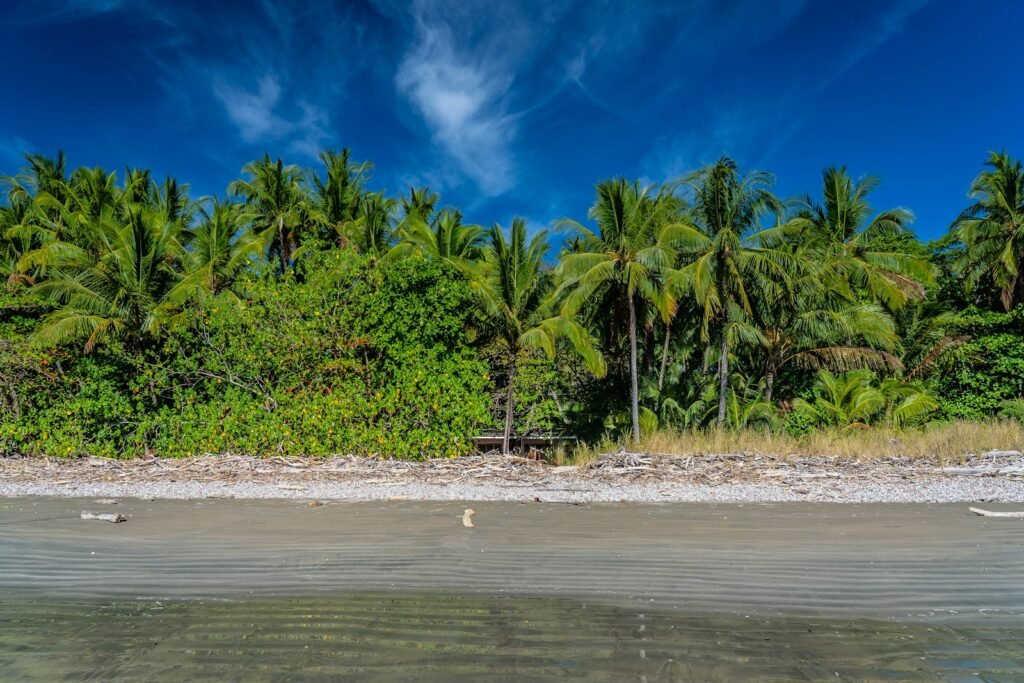
The best time to visit Costa Rica for most travelers is the dry season, from mid-December to April, when the Pacific coast gets almost no rain and the beaches, national parks and roads are at their easiest. That’s also when prices and crowds peak. The green season from May to November is cheaper and quieter, the rainforest is at its most lush, and the rain usually comes in afternoon bursts rather than all day.
Costa Rica is small, but its weather isn’t uniform. The Pacific side, the Caribbean side and the mountains each follow their own pattern, so the right month depends on where you’re going and what you want to do. This guide breaks it down by season, by region and by activity.
Costa Rica’s seasons at a glance
| Months | Season | What to expect |
|---|---|---|
| Mid-December to April | Dry season (“verano”) | Sunny, dry Pacific coast, peak prices, book early |
| May to June | Early green season | Short afternoon showers, fewer people, good value |
| July to August | Mid-year dry spell (“veranillo”) | Often a drier break, busier with summer holidays |
| September to October | Wettest months (Pacific) | Heavy rain on the Pacific side, but the Caribbean coast is at its driest |
| November | End of the rains | Rain easing, landscapes very green, prices still low |
Dry season: mid-December to April
Locals call this “verano” (summer), and it’s the classic time to go. The Guanacaste coast in the northwest gets very little rain during these months, which makes it ideal for beach days in places like Tamarindo, Playa Conchal and the Papagayo Peninsula. Roads to more remote areas are easier to drive, and wildlife is often easier to spot in the drier forests of the northwest because animals gather near water.
The downside is demand. Christmas, New Year and Semana Santa (Holy Week, usually in March or April) are the busiest and most expensive weeks of the year. If you want to travel then, book hotels and rental cars several months ahead. January and February also bring strong winds to the central highlands and the Monteverde cloud forest, which can make hanging bridges and ziplines feel colder than you’d expect.
Green season: May to November
Tourism boards call it the green season rather than the rainy season, and that’s fair for much of it. In May, June and November, mornings are often sunny and the rain arrives in the afternoon, sometimes heavily, for an hour or two. Plan hikes and boat trips for the morning and you’ll lose very little. In exchange you get lower hotel rates, quieter parks and the rainforest at its greenest.
Many parts of the country get a short drier spell in July and early August, known as the “veranillo” or little summer. It isn’t guaranteed, but it makes July a reasonable month to travel, especially for families working around school holidays.
September and October are the wettest months on the Pacific side and in the Central Valley. Some rural roads flood or wash out, a few smaller lodges close for the season, and the Osa Peninsula can be difficult to reach. If these are your only dates, head to the Caribbean coast instead.
Best time to visit by region
Guanacaste and the North Pacific
This is the driest part of the country. December to April is reliably sunny, and even the green season is lighter here than further south. It’s the best choice if a beach holiday is the main goal.
Central and South Pacific (Manuel Antonio, Uvita, Osa)
The dry season is the easiest time for Manuel Antonio National Park and the beaches around Uvita and Dominical. The Osa Peninsula and Corcovado National Park get a lot of rain, so the drier months from December to April are strongly recommended for serious hiking there.
The Caribbean coast (Puerto Viejo, Cahuita, Tortuguero)
The Caribbean side doesn’t follow the rest of the country. It can rain at any time of year, but September and October, the worst months on the Pacific, are usually among the driest here. That makes the Caribbean coast the best escape if you’re traveling in early autumn.
Arenal and Monteverde
The area around Arenal Volcano sits between the two weather systems and gets rain in most months, so clouds often hide the summit. Visit in the dry season for the best chance of a clear view. Monteverde’s cloud forest is misty and cool all year, and windy from roughly December to February, but its wildlife and hanging bridges are good in any season.
Best time for wildlife and activities
- Sea turtles: green turtles nest at Tortuguero on the Caribbean coast from roughly July to October, with a peak in August and September. Leatherbacks nest there earlier in the year, around March to May.
- Whale watching: humpback whales visit the South Pacific around Marino Ballena National Park twice a year, from about December to April and again from July to October, as populations from both hemispheres pass through.
- Surfing: the Pacific coast has good waves all year, but the bigger swells arrive in the green season. The Caribbean side, around Puerto Viejo, is best in the winter months.
- Bird watching: the dry season is the easiest time for birders, and the resplendent quetzal is easiest to see in the highland cloud forests during its breeding season, roughly March to June.
- White-water rafting: the Pacuare and Sarapiquí rivers run all year, and the green season brings higher water and bigger rapids.
Costa Rica month by month
December starts dry in most of the country, with prices climbing sharply in the last two weeks. January and February are dry, sunny and busy, and the best months for Guanacaste. March is hot and dry, and April is the last dry month, often with Semana Santa crowds.
May brings the first rains and a big drop in visitors. June is similar, green and good value. July often has the veranillo dry break, and August is busier with summer travelers and turtle season on the Caribbean coast. September and October are very wet on the Pacific side and the best months on the Caribbean side. November is a transition month, with rain easing by the end and the country looking its greenest.
Tips for any time of year
Rent a 4×4 if you plan to leave the main highways, especially in the green season, when unpaved roads turn to mud. Pack a light rain jacket and quick-drying clothes whatever the month, because cloud forests and the Caribbean coast can be wet at any time. Start activities early: wildlife is most active in the morning, and afternoon rain is common for half the year. And check whether your dates overlap with Semana Santa or local school holidays, when Costa Ricans head to the beaches and accommodation fills up.
If you’re weighing up other trips, see our guides to the best family travel destinations and best honeymoon destinations, or build a day-by-day plan with our AI trip planner.
Frequently asked questions
What is the best month to visit Costa Rica?
For dry weather across most of the country, February and March are the most reliable. For a balance of decent weather, lower prices and fewer people, consider late November, early December or July.
What is the cheapest time to go to Costa Rica?
September and October are usually the cheapest months, followed by May and June. Many hotels offer green season discounts, and flights are often lower outside the December to April peak.
Is it worth visiting Costa Rica in the rainy season?
Yes, for many travelers. Rain usually falls in the afternoon, the forests are at their most vivid, and prices are lower. Avoid September and October if you’re focused on the Pacific coast, or go to the Caribbean side instead.
How many days do you need in Costa Rica?
A week covers two or three areas, such as Arenal, Monteverde and one beach. With ten days to two weeks you can add the Caribbean coast or the Osa Peninsula without spending most of your time in the car.