post thumbnail placeholder

15 Most Interesting Places in Peru (2026 Travel Guide)

in

Peru

Peru is a country that operates on a mythological scale. The Inca Empire — the largest pre-Columbian civilization in the Americas — built its capital here in the mountains of the Andes, and the ruins of that civilization are so extraordinary that Machu Picchu alone would justify a trip from anywhere in the world.

But Peru is far more than a single iconic site. It contains the world’s deepest canyon, the highest navigable lake, the second-longest river, one of the richest colonial cities in the Americas, and a stretch of Amazon rainforest that remains among the most biodiverse ecosystems on earth.

These are the most interesting places in Peru for travelers arriving ready to be genuinely astonished.

Iconic Peru Landmarks Every Visitor Must Experience

1. Machu Picchu – The Lost City of the Incas

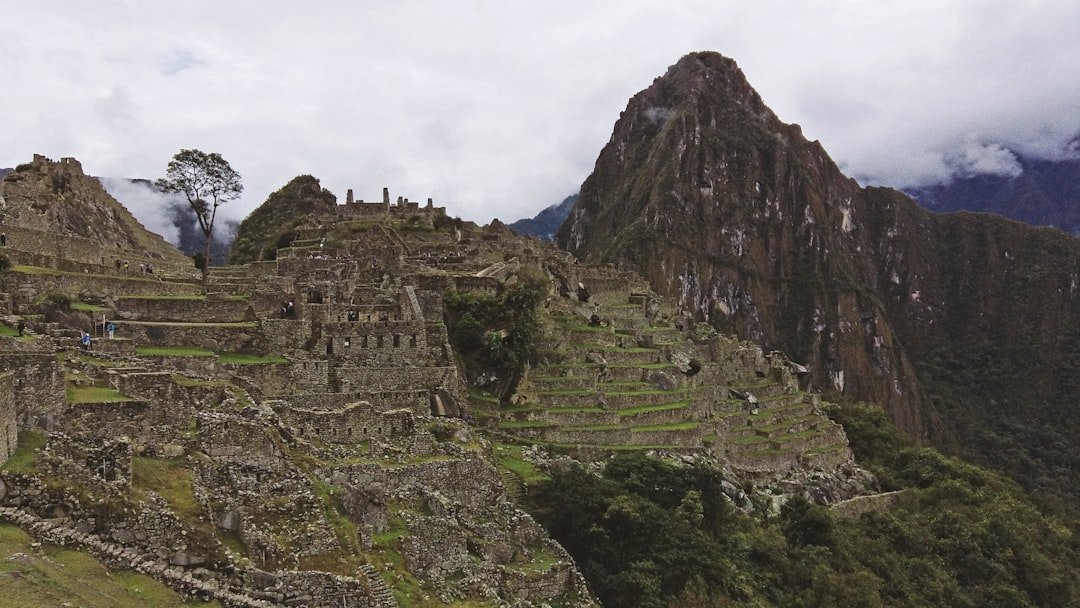
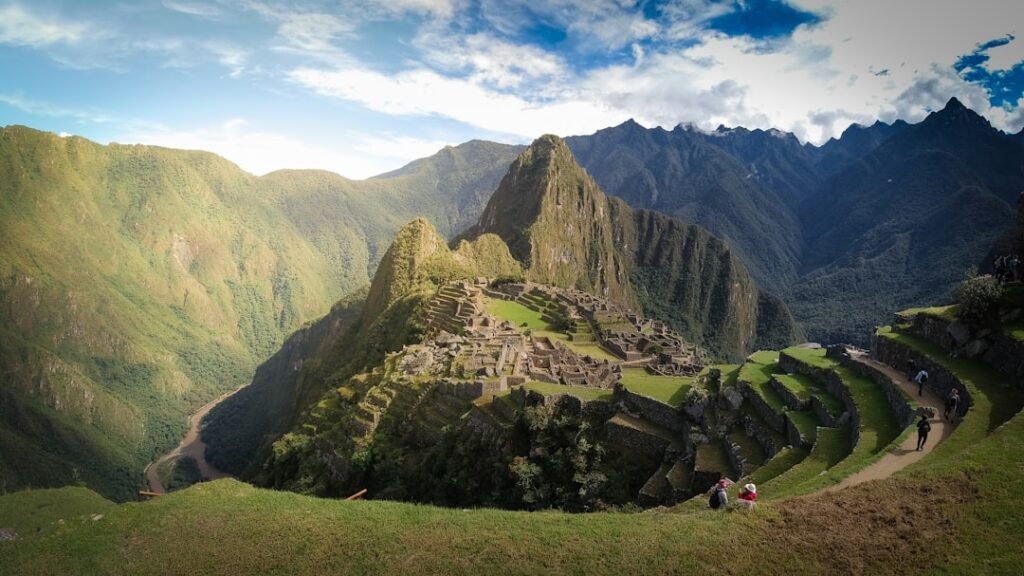
The Inca citadel of Machu Picchu, built at 2,430 meters on a saddle between two Andean peaks and abandoned within a century of its construction, was unknown to the outside world until Hiram Bingham arrived in 1911. The precision of its stone construction — massive blocks fitted without mortar to tolerances of millimeters — remains incompletely understood. The views of the citadel from the Sun Gate, or from the Huayna Picchu peak above, with the Urubamba River 600 meters below and the Andes rising on every horizon, are among the most spectacular on earth.

Practical tip: Entry is strictly ticketed and timed — book 3-6 months in advance for peak season (June to August). The Inca Trail (4 days, 45km) requires booking a year in advance with a licensed operator. The train from Cusco to Aguas Calientes is the alternative approach.

Book now: Machu Picchu full-day guided tour via Viator

2. Cusco – The Navel of the Inca World

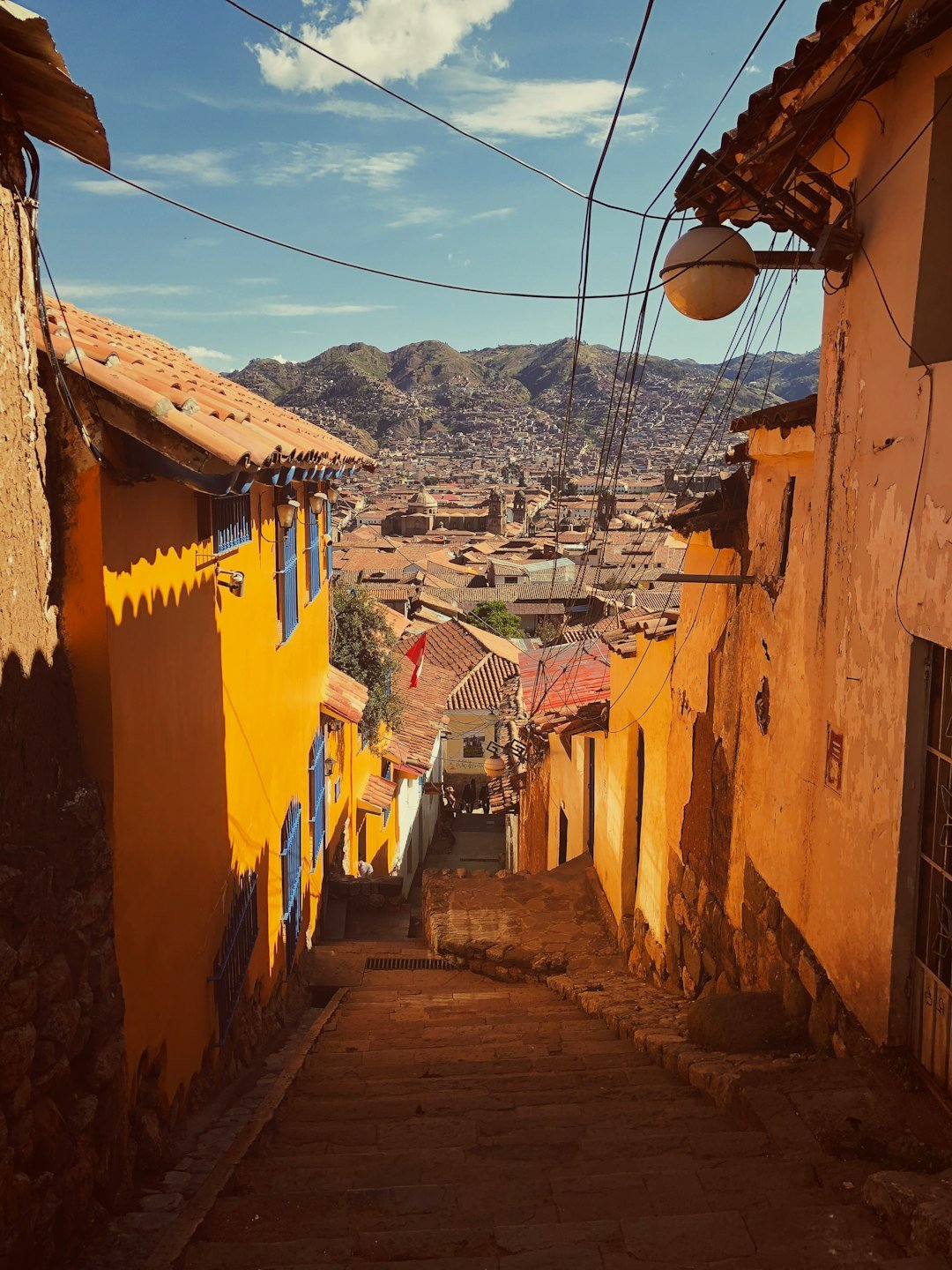
The Inca called Cusco the Qosqo — the navel of the world — and built their empire outward from it in four great roads. The Spanish conquered it in 1533 and built their colonial city directly on top of the Inca foundations — literally: the cathedral and the finest colonial mansions use Inca stone walls as their base. The result is the most extraordinary architectural palimpsest in the Americas.

The Qorikancha (Temple of the Sun), the Sacsayhuaman fortress above the city, and the streets of San Blas neighborhood make Cusco one of the most interesting cities in South America.

Practical tip: Acclimatize in Cusco for 2 days before attempting any physical activity at altitude (3,400 meters). Coca tea is the local remedy. Altitude sickness is real and debilitating if ignored.

Book now: Cusco city and Sacsayhuaman guided tour via GetYourGuide

3. The Sacred Valley – The Heart of the Inca Empire

The Urubamba Valley between Cusco and Machu Picchu was the agricultural and spiritual heartland of the Inca Empire. The valley floor, terraced by Inca engineers, still produces the native potato varieties (over 3,000 of them) and purple maize that sustained the empire. The ruins of Pisac, Ollantaytambo (the best-preserved Inca town in existence), and Moray (circular agricultural terraces used as a crop laboratory) line the valley in a concentration of Inca archaeology unmatched anywhere.


Lesser-Known Peru Attractions Worth the Journey

4. Lake Titicaca – The Floating Islands of the Uros People

At 3,812 meters, Lake Titicaca is the world’s highest navigable lake — a vast inland sea on the Bolivian border where the light has the clarity of high altitude and the water is a deep cold blue. The Uros people live on 120 artificial floating islands made of totora reeds, building their homes, boats, and watch towers from the same material. The larger natural islands of Taquile and Amantani maintain traditional Andean communities where visitors can stay with local families.

Practical tip: The overnight stay on Taquile or Amantani, arranged through community-run tourism cooperatives, is significantly more meaningful than a day trip from Puno.

Book now: Lake Titicaca floating islands and Taquile overnight tour via GetYourGuide

5. Colca Canyon – Twice as Deep as the Grand Canyon

The Colca Canyon near Arequipa is 3,270 meters deep — more than twice the depth of the Grand Canyon. The Cruz del Condor viewpoint at its rim is one of the finest places in the world to observe Andean condors soaring on thermal currents, often at eye level or below. The traditional villages in the canyon, accessible by a 2-day descent, maintain a way of life that has changed little since Inca times.

Practical tip: Condors are most active between 8 and 10 AM when thermals build. The drive from Arequipa takes 3 hours. Most tours depart at 3 AM for sunrise arrival.

Book now: Colca Canyon 2-day tour from Arequipa via Viator

6. Arequipa – The White City

Peru’s second city, built from white volcanic sillar stone beneath the perfect cone of El Misti volcano, is one of the most beautiful colonial cities in South America. The Jesuit Santa Catalina Monastery — a complete city within a city, home to cloistered nuns for 400 years — is the finest colonial religious complex in Peru. The surrounding Arequipa cuisine, centered on the picanterias (traditional restaurants), is the most distinctive regional cooking in the country.

7. Amazon Rainforest, Madre de Dios – The Most Biodiverse Place on Earth

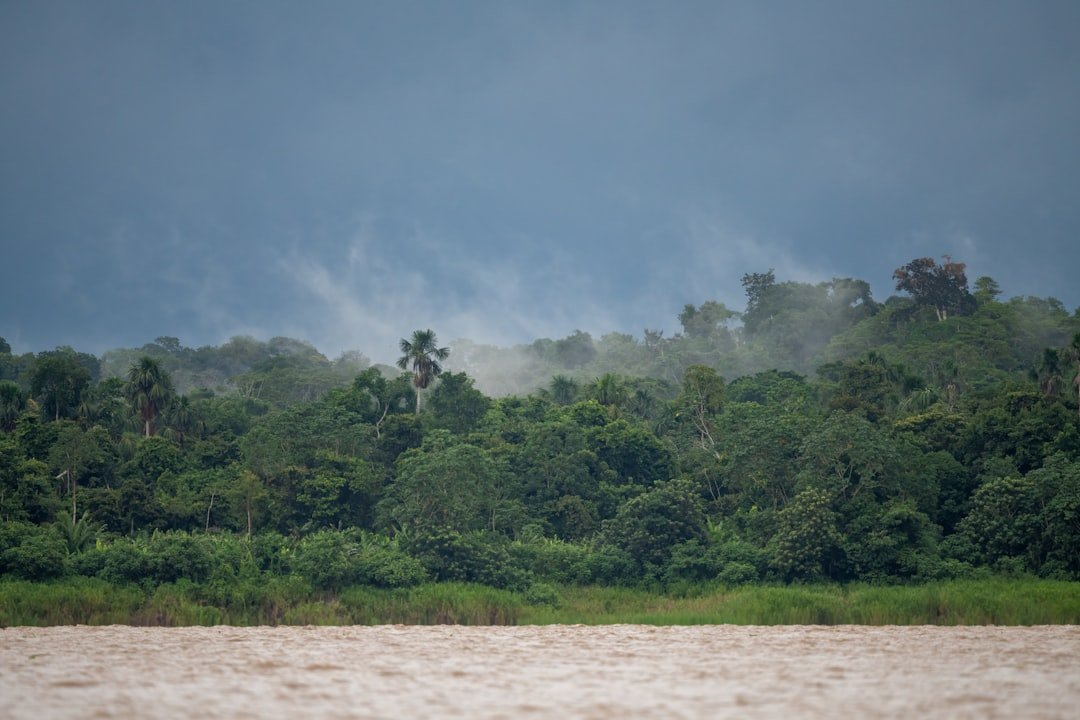
The Madre de Dios region in southern Peru, centered on the Manu Biosphere Reserve and Tambopata National Reserve, protects some of the most pristine and biodiverse Amazon rainforest remaining anywhere. Over 1,000 bird species, 200 mammal species, and a staggering diversity of insects, reptiles, and plants inhabit the region. Clay lick sites attract hundreds of macaws and parrots simultaneously.

Practical tip: Access is by small plane to Puerto Maldonado or the 9-hour bus from Cusco. Multi-day lodge stays deep in the reserve offer the richest wildlife experiences.


Hidden Gems in Peru Only Adventurous Travelers Find

8. Choquequirao – The Other Machu Picchu

The Inca citadel of Choquequirao, perched on a mountain ridge at 3,085 meters, is larger than Machu Picchu and arguably more impressive — and accessible only by a 4-5 day round-trip trek from the trailhead above the Apurimac Canyon. The complete absence of crowds and the physical commitment required give Choquequirao an authenticity that Machu Picchu, with its 3,000 daily visitors, can no longer match.

Practical tip: A cable car project has been proposed that would bring visitor numbers to Machu Picchu levels — the window to experience Choquequirao in its current state may be limited.

9. Huacachina – An Oasis Surrounded by Desert Dunes

The village of Huacachina, built around a natural lagoon surrounded by sand dunes up to 100 meters high in the Ica Desert, is one of the most surreal landscapes in South America. Dune buggy and sandboarding excursions onto the surrounding dunes, ending at sunset from the highest dune crest, are the primary activities. The nearby Paracas National Reserve on the Pacific coast adds sea lions, penguins, and Humboldt dolphins to the itinerary.

Book now: Huacachina dune buggy and sandboarding tour via GetYourGuide

10. Nazca Lines – Ancient Geoglyphs in the Desert

The Nazca Lines in the coastal desert south of Lima are a series of geoglyphs — lines, geometric shapes, and figures of animals and plants — scratched into the desert surface by the Nazca culture between 500 BC and 500 AD. The figures (a hummingbird 93 meters wide, a spider 46 meters long, a condor with a 130-meter wingspan) are only fully visible from the air.

The reason for their creation remains debated. Their preservation over 2,000 years in one of the driest places on earth is remarkable.

Book now: Nazca Lines scenic flight via Viator

11. Lima Food Scene – South America’s Best Restaurant City

Lima is the undisputed food capital of South America — home to Central (consistently ranked among the world’s top three restaurants), Maido, Astrid y Gaston, and a street food culture of ceviche, tiradito, causa, and anticuchos that represents one of the world’s great culinary traditions. The Miraflores and Barranco neighborhoods offer the finest restaurant concentration on the continent.

Practical tip: Book top restaurants (Central, Maido) months in advance. The Mercado Surquillo for morning ceviche and the street food of Barranco’s pedestrian street are equally essential and completely free of reservations.

12. Rainbow Mountain – Vinicunca’s Technicolor Geology

The Vinicunca mountain at 5,200 meters in the Cusco region has stripes of red, yellow, green, white, and purple running across its slopes — the result of different mineral compositions in the sedimentary rock exposed by glacial erosion. The 2-3 hour hike from the trailhead to the summit ridge rewards with one of the most dramatic and colorful high-altitude landscapes in the Andes.

Practical tip: Acclimatize fully in Cusco before attempting this hike — the altitude at the summit is extreme. Cold and wind are constant above 4,800 meters regardless of season.

Book now: Rainbow Mountain day trek from Cusco via GetYourGuide

13. Chan Chan – The World’s Largest Adobe City

The pre-Inca city of Chan Chan near Trujillo on Peru’s northern coast was the capital of the Chimu Empire and the largest adobe (mud brick) city ever built — a 20-square-kilometer complex of royal compounds, temples, and residential areas housing an estimated 30,000 people at its peak in the 15th century. The relief decorations on the surviving walls — fish, birds, waves, and geometric patterns — are extraordinary in their completeness.

Chan Chan is a UNESCO World Heritage Site on the endangered list due to El Nino rain damage.

14. Kuelap – The Fortress Above the Clouds

High in the cloud forest of the Amazonas region, the Chachapoyas culture built the fortress city of Kuelap at 3,000 meters — a massive walled citadel containing over 400 circular stone buildings, predating the Inca Empire by 500 years. The gondola cable car from the valley floor makes it accessible; the sense of remote highland mystery is preserved by the journey.

The surrounding cloud forest has extraordinary biodiversity including the rare yellow-tailed woolly monkey found only in this region.

15. Huaraz and the Cordillera Blanca – The World’s Highest Tropical Mountain Range

The Cordillera Blanca near Huaraz in northern Peru contains 27 peaks over 6,000 meters — more than the entire Himalayas outside of the Karakoram and Nepal. The Huascaran (6,768 meters) is the highest mountain in the tropics on earth. The Laguna 69 day hike to a turquoise glacial lake below the Chopicalqui and Chopicalqui Norte peaks is one of the finest mountain day walks in South America.

Book now: Laguna 69 trekking day tour from Huaraz via Viator


Practical Peru Travel Tips

Best time to visit Peru: May to September is the dry season — the best time for the Inca Trail, the Sacred Valley, and the Andes generally. October to April is the wet season — the Amazon is most lush, the Nazca Lines flights are clearer, and accommodation prices drop in Cusco.

Getting around: Domestic flights (LATAM, Sky Airline, Peruvian Airlines) connect Lima to Cusco, Arequipa, Juliaca (Lake Titicaca), and Puerto Maldonado (Amazon) efficiently. The overnight bus from Cusco to Puno (Lake Titicaca) is scenic and saves a night’s accommodation.

Currency: Peruvian Sol (PEN). ATMs in Cusco and Lima are plentiful. Carry cash for markets, small restaurants, and transport in rural areas.

Altitude sickness: The transition from Lima (sea level) to Cusco (3,400 meters) in a 90-minute flight is a shock to the body. Plan 2 rest days on arrival in Cusco before any physical activity. Diamox (acetazolamide) taken 24 hours before arrival helps significantly — consult a doctor before travel.


Final Thoughts on Interesting Places in Peru

Peru gives back in proportion to what you bring to it. Travelers who arrive with curiosity about the Inca civilization, the colonial period, the food culture, and the extraordinary landscape leave with one of the richest travel experiences available anywhere on earth.

Machu Picchu will exceed your expectations. And then Choquequirao will make you wish you had three more weeks.


Exploring more destinations? Read our complete guides to Interesting Places in Morocco, Interesting Places in New Zealand, and Interesting Places in Kenya.

Tags :

Peru

Share This Post :

Leave a Reply

Your email address will not be published. Required fields are marked *

Destinations

Recent Posts

Popular Tags

Africa Travel Algarve Asia Travel Bali Attractions Barcelona Barcelona Attractions Beauty Booking Cape Town Europe Travel Greece Greek Islands Guide Hidden Gems Bali Hidden Gems Barcelona Hidden Gems Rome Iceland Italy Kilimanjaro Lisbon Minimalism Nordic North Porto Portugal Attractions Rome Rome Attractions Room Safari Santorini Santorini Attractions Serengeti Sigiriya South Africa South Africa Attractions Spain Sri Lanka Sri Lanka Attractions Sri Lanka Beaches Tanzania Tanzania Safari Thailand Thailand Attractions USA Travel Zanzibar