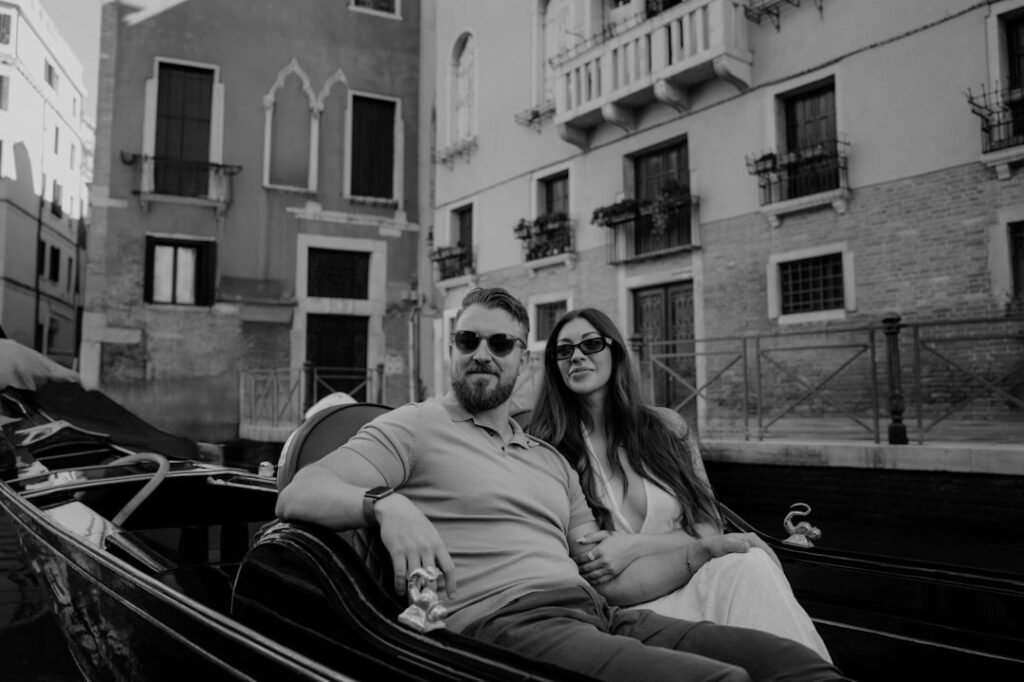
Looking for the best romantic getaways in Europe? You are choosing from the world’s most concentrated collection of them. Europe packs extraordinary food, walkable old cities, dramatic coastline and intimate accommodation into short flight times and cheap onward trains — a combination almost impossible to replicate anywhere else. This guide covers 23 romantic holidays in Europe for couples, grouped by what they actually cost, with honest notes on when to go, where to stay and the one experience worth planning each trip around.
The short answer
For a first trip together, choose Lisbon, Prague or Seville — walkable, affordable and easy to navigate. For a milestone or honeymoon, choose Santorini, the Amalfi Coast or Venice. For the best romance-per-euro anywhere in Europe, choose Kraków, Porto or Budapest. For quiet over famous, choose Lake Bled, Hallstatt or Bruges.
Go in May–June or September–early October almost everywhere. Budget €110–500 per night for two, all in, depending on the tier you pick.
Compare All 23 Romantic European Getaways
Costs below are a realistic 2026 planning figure for two people per night, all in — mid-range hotel, meals, drinks and local transport. Not flights.
| Destination | Best for | Best months | Cost / night (2) |
|---|---|---|---|
| Kraków, Poland | Best value in Europe | May–Sep | €90–130 |
| Porto, Portugal | Wine and river sunsets | May–Jun, Sep | €110–140 |
| Budapest, Hungary | Thermal baths at night | Apr–Jun, Sep, Dec | €100–140 |
| Lake Bled, Slovenia | Fairytale scenery, low cost | May–Jun, Sep | €120–160 |
| Seville, Spain | Spring evenings, flamenco | Mar–May, Oct | €110–160 |
| Prague, Czechia | Gothic old town, winter | Apr–Jun, Sep, Dec | €140–200 |
| The Algarve, Portugal | Quiet coves, mild winters | May–Jun, Sep–Oct | €120–180 |
| Lisbon & Douro, Portugal | City plus vineyards | Apr–Jun, Sep–Oct | €150–230 |
| Bruges, Belgium | Slow medieval weekend | May, Dec | €160–220 |
| Dubrovnik, Croatia | Walled city, island trips | May–Jun, Sep | €170–260 |
| Cinque Terre, Italy | Walkable coastal hiking | May–Jun, Sep | €180–280 |
| Colmar, France | Storybook Christmas | May–Jun, Dec | €170–240 |
| Hallstatt, Austria | Alpine lake seclusion | May–Jun, Sep | €180–260 |
| Athens + an island | Santorini alternative | May–Jun, Sep–Oct | €160–240 |
| Scottish Highlands | Wild, quiet, log fires | May–early Oct | €200–300 |
| Madeira, Portugal | Year-round, incl. winter | Any month | €180–280 |
| Copenhagen, Denmark | Design, harbour, hygge | Jun–Aug, Dec | €220–320 |
| Vienna, Austria | Imperial grandeur, music | Apr–Jun, Sep, Dec | €300–450 |
| Paris, France | The benchmark | Apr–Jun, Sep–Oct | €300–450 |
| Venice, Italy | Nowhere else like it | Sep–Oct, Jan–Feb | €300–480 |
| Lake Como, Italy | Effortless glamour | May–Jun, Sep | €320–500 |
| Santorini, Greece | Honeymoon icon | May, late Sep | €350–600 |
| Amalfi Coast, Italy | Drama and variety | Jun, Sep | €350–600 |
| Swiss Alps | Mountains, rail, chalets | Jun–Sep, Dec–Mar | €380–550 |
Romantic Getaways in Europe on a Budget: Under €150 a Night
The romance-per-euro ratio is highest in Central Europe and northern Portugal. These are not compromises — several are more atmospheric than destinations costing three times as much.
1. Kraków, Poland
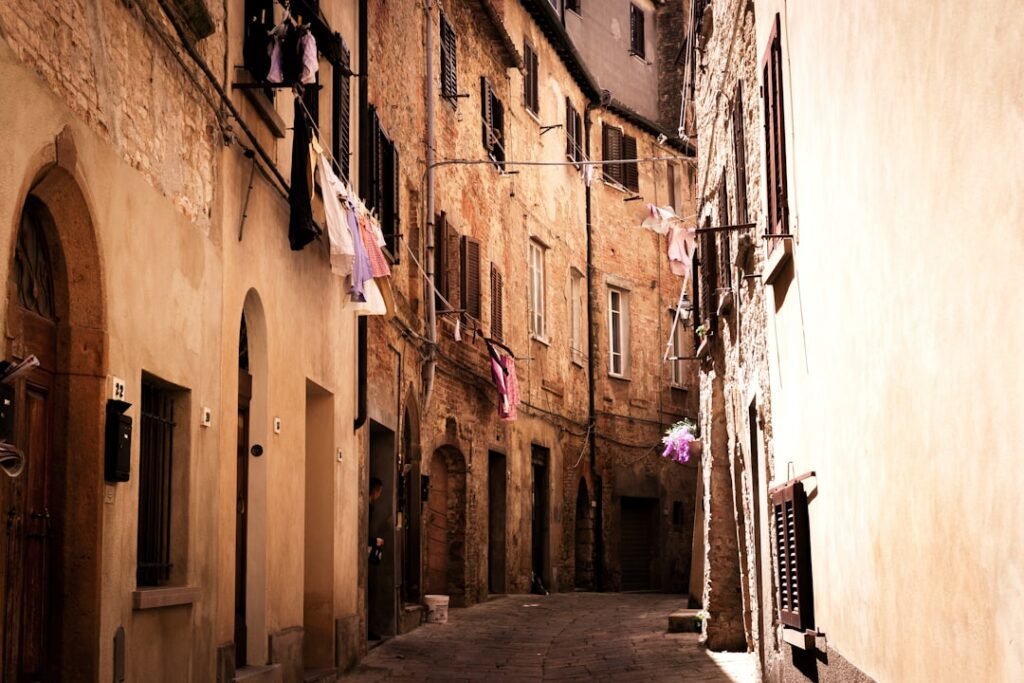
Kraków has the largest medieval market square in Europe, a castle above the river, and a former Jewish quarter, Kazimierz, that has become one of the continent’s best small nightlife districts. What makes it work for couples is the price ceiling: a candlelit dinner in a vaulted cellar restaurant, good wine included, still costs less than a mid-range lunch in Paris. The city is walkable end to end, so you spend evenings wandering rather than negotiating transport.
Where to stay: Kazimierz for atmosphere and restaurants; Stare Miasto (Old Town) for the square on your doorstep.
Best time: May to September. December for the Christmas market on the square.
Plan around: a late dinner in Kazimierz followed by the Old Town square after 10pm, when the day crowds have gone.
Cost for two, per night: €90–130.
2. Porto, Portugal
Porto stacks azulejo-tiled houses up a gorge above the Douro, with port lodges on the opposite bank in Vila Nova de Gaia. The romance here is unfussy: sunset from a Gaia terrace with a glass of tawny, dinner in a tiled dining room, and a walk back across the upper deck of the Dom Luís I bridge with the whole city lit below. Extend into the Douro Valley for terraced vineyards and wine-estate stays.
Where to stay: Ribeira for river views, Baixa for restaurants and quieter streets.
Best time: May to June and September.
Plan around: a dusk river cruise under the bridges, or a two-night Douro extension.
Cost for two, per night: €110–140.
3. Budapest, Hungary
Budapest pairs grand café culture and a castle district with something no other European capital has: thermal baths. An evening soak at Széchenyi or Gellért, followed by a walk across the Chain Bridge with the Parliament lit gold across the Danube, costs very little and is unreasonably romantic. River-view rooms here are affordable in a way Paris will never be.
Where to stay: District V (Belváros) for walkability; the Buda side for quiet and views back across the water.
Best time: April to June, September, and December for markets.
Plan around: a late-evening Széchenyi soak, then dinner after 9pm.
Cost for two, per night: €100–140.
4. Lake Bled and Ljubljana, Slovenia
Slovenia’s postcard lake — an alpine church on an island, a clifftop castle, water the colour of cut glass — delivers more romance per euro than almost anywhere in Western Europe. Row a traditional pletna to the island and ring the wishing bell, then drive 30 minutes into the Julian Alps for the Vintgar Gorge boardwalks. Pair it with Ljubljana, Europe’s most underrated small capital, for a week that costs less than four days in Paris.
Where to stay: lakeside on the quieter northern shore; or in Ljubljana’s old town and day-trip out.
Best time: May to June and September. Avoid August coach traffic.
Plan around: sunrise at the lake before the tour buses arrive — the single best hour in Slovenia.
Cost for two, per night: €120–160.
5. Seville, Spain
Seville is orange blossom, Moorish palaces, and dinner at 10pm in a plaza that smells of jasmine. The Real Alcázar’s gardens are arguably the most romantic single site in Spain, flamenco in Triana is raw rather than staged, and spring evenings are made for aimless walking. The city rewards couples who abandon the itinerary and simply walk. More options in our guide to the best places to visit in Spain.
Where to stay: Santa Cruz for the labyrinth streets; Triana across the river for a local evening scene.
Best time: March to May, or October. Avoid July and August — the heat is genuinely brutal.
Plan around: the Alcázar at opening time, then a Triana flamenco tablao after dark.
Cost for two, per night: €110–160.
6. Prague, Czech Republic
Prague’s Gothic and Baroque old town survived the 20th century almost entirely intact: the Charles Bridge at dawn, the Castle district, the astronomical clock in the Old Town Square. Come in shoulder season, stay in Malá Strana below the castle, and the city feels made for two. Under snow in December it is arguably the most atmospheric city in Europe. Planning a longer stop? See our full Prague travel guide.
Where to stay: Malá Strana for quiet cobbled romance; Vinohrady for a residential, restaurant-heavy base.
Best time: April to June, September, and December.
Plan around: Charles Bridge at 7am. Empty, misty, and the reason people fall for this city.
Cost for two, per night: €140–200.
7. The Algarve, Portugal
Golden cliffs, hidden coves reachable only by boat, and quiet seaside towns at prices well below the Mediterranean average. Skip the resort strip around Albufeira and head west to Lagos and the Costa Vicentina, or east to Tavira, where the Algarve still feels Portuguese. Seafood is excellent and cheap, and the winter climate is mild enough for walking holidays in January.
Where to stay: Tavira for authenticity, Lagos for coast and nightlife, Carvoeiro for cove-hopping.
Best time: May to June and September to October.
Plan around: a small-boat trip into the Benagil sea caves early, before the swell and crowds build.
Cost for two, per night: €120–180.
Mid-Range Romantic Breaks in Europe: €150–300 a Night
This is the sweet spot for most couples: enough budget for a room with a view and a memorable dinner, without the peak-season premium of the icons.
8. Lisbon and the Douro Valley, Portugal
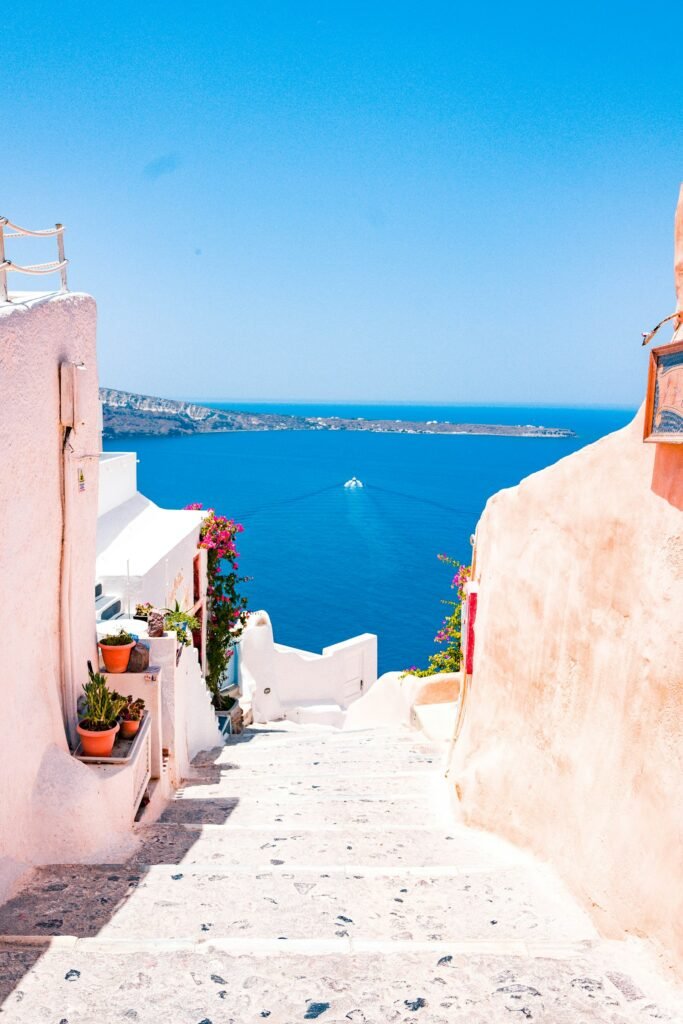
Lisbon’s combination of fado music, hilltop miradouros, Manueline architecture and the best custard tarts in the world creates a romantic atmosphere at a fraction of the cost of Paris or Venice. Add Sintra — a day-trip of palaces in the hills that feels invented for proposals — or head three hours north to the Douro for river cruises through terraced vineyards. Full detail in our Lisbon travel guide.
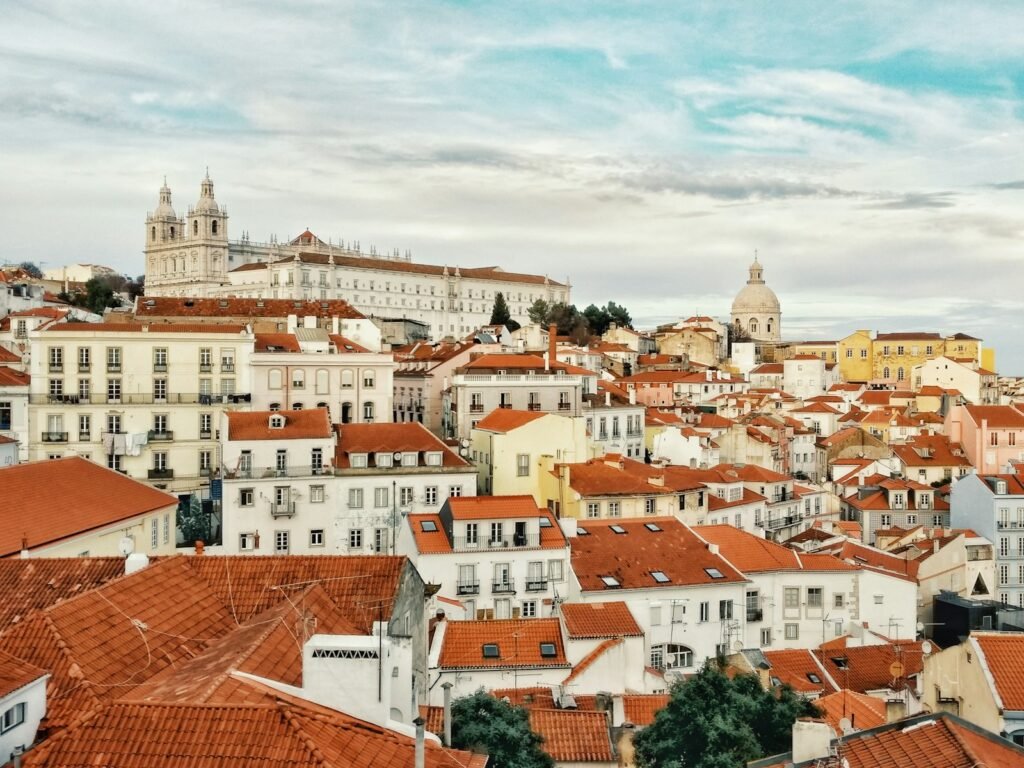
Where to stay: Alfama for atmosphere and fado; Príncipe Real for restaurants and calm.
Best time: April to June, September to October.
Plan around: a small fado house in Alfama — book, and go late.
Cost for two, per night: €150–230.
9. Bruges, Belgium
Bruges is a preserved medieval city built around canals, chocolate and beer — walkable end to end in twenty minutes, and at its best after the day-trippers leave. An evening canal-side walk under the step-gabled houses, followed by a quiet brown café with a Trappist ale, is the whole point. The single most important decision here is to stay overnight rather than day-trip in.
Where to stay: inside the ring canal, ideally north of the Markt where it is quieter.
Best time: May for canal-side terraces, December for the Christmas markets.
Plan around: the city between 7pm and 9pm, once the coaches have gone.
Cost for two, per night: €160–220.
10. Dubrovnik, Croatia
Dubrovnik’s marble old town inside intact medieval walls, the Adriatic glittering beyond, makes an unforgettable base for couples — especially in May, June or September when cruise crowds ease. Walk the walls at opening time, take the cable car up Mount Srđ for sunset, and day-trip to Lokrum island or the Elafiti. See our Dubrovnik travel guide and our breakdown of the best areas to stay in Dubrovnik.
Where to stay: inside the old town for atmosphere; Ploče for sea views and easier access.
Best time: May to June, and September. Check the cruise schedule and avoid the heaviest days.
Plan around: the city walls at 8am, then Srđ at sunset.
Cost for two, per night: €170–260.
11. Cinque Terre, Italy
Five fishing villages stitched into the Ligurian cliffs, connected by hiking paths and a local train — the Cinque Terre is the Amalfi Coast’s smaller, more walkable sibling. Base yourselves in Vernazza or Manarola, hike a section of the coastal path in the morning, and spend afternoons swimming off the rocks with a bottle of local Sciacchetrà. Staying overnight is what separates this from a day-trip.
Where to stay: Vernazza for the harbour, Manarola for the classic sunset view, Levanto for space and lower prices.
Best time: May to June and September.
Plan around: the Manarola viewpoint at dusk, with a bottle and no plan afterwards.
Cost for two, per night: €180–280.
12. Colmar, France
A candy-coloured Alsatian town of half-timbered houses and flower-lined canals, with a wine route running south through villages that look staged but are not. Colmar is compact enough to see in a day and rewarding enough to stay three, particularly in December when the Christmas markets fill every square. Combine with Strasbourg or Riquewihr for an easy, low-mileage road trip.
Where to stay: Petite Venise, the canal quarter, for the postcard version.
Best time: May to June for flowers and terraces; December for markets.
Plan around: a half-day on the Alsace wine route, stopping at two villages, not six.
Cost for two, per night: €170–240.
13. Hallstatt, Austria
A storybook lakeside village pinned between a mountain and deep green water, with a boat crossing that remains the best way to arrive. Hallstatt is heavily photographed and heavily day-tripped, which makes the calculus simple: stay the night. Between 5pm and 9am the village empties and becomes exactly what the photographs promise. Extend into the wider Salzkammergut lakes for hiking and swimming.
Where to stay: in the village itself, or nearby Obertraun for lower prices and the same lake.
Best time: May to June and September. Winter is magical but access can be limited.
Plan around: the lakeside at sunrise, and the boat across the water rather than the road in.
Cost for two, per night: €180–260.
14. Athens Plus One Island, Greece
The affordable answer to Santorini. Two nights in Athens for rooftop dinners with the Acropolis lit above you, then a ferry to Hydra, Naxos or Milos for the coast. You get the same Aegean light, the same seafood tavernas on the water, and none of the caldera pricing. Hydra in particular — no cars at all, only donkeys and boats — is one of the most quietly romantic islands in Greece. See our Greek islands guide for choosing between them.
Where to stay: Plaka or Koukaki in Athens; harbour-side on whichever island you pick.
Best time: May to June, September to October.
Plan around: a rooftop dinner facing the lit Acropolis on your first night.
Cost for two, per night: €160–240.
15. The Scottish Highlands
For couples whose idea of romance is a log fire after a day of mountains, lochs and empty single-track roads, the Highlands are unmatched in Europe. Glencoe’s brooding valleys, the Isle of Skye’s coastal cliffs, whisky distilleries and small country-house hotels create an entirely different register of romantic — wilder, quieter, and far less scheduled. Start or end in Edinburgh; our Edinburgh travel guide covers the city side.
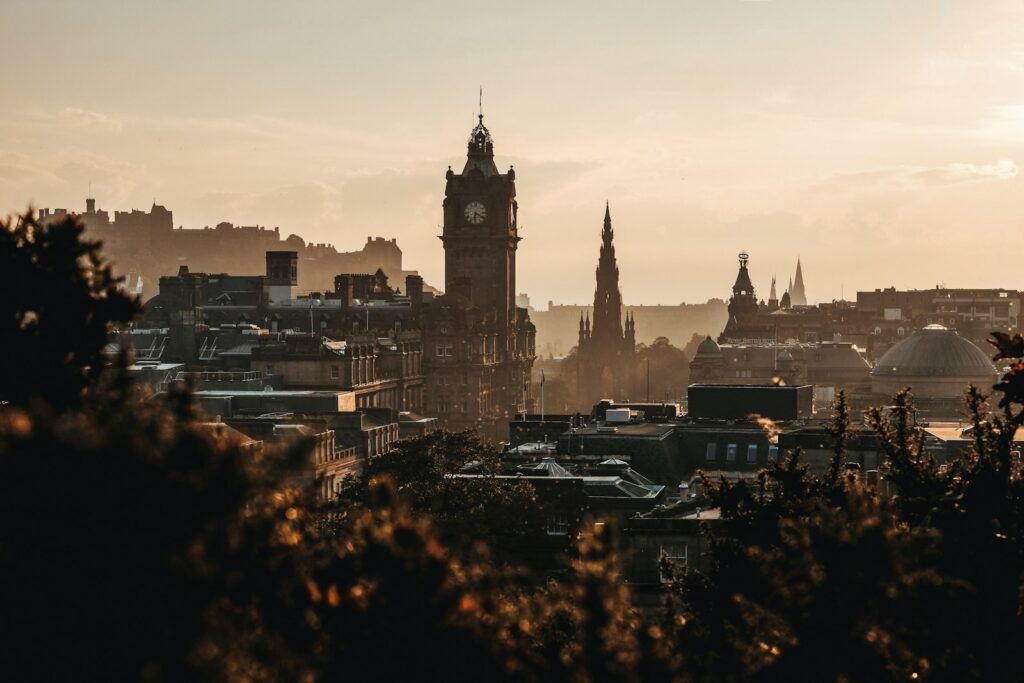
Where to stay: small country-house hotels and inns rather than towns. Book far ahead in summer.
Best time: May to early October. May and September have the fewest midges.
Plan around: one long driving day through Glencoe, then two nights in the same place.
Cost for two, per night: €200–300.
16. Madeira, Portugal
Madeira is eternal spring in the Atlantic: levada walks through laurel forest, black-sand pools, poncha at sunset and clifftop viewpoints like Cabo Girão. Funchal’s old town has quietly become one of Europe’s best small food scenes. Because the climate barely changes, it is the rare romantic getaway in Europe that works beautifully in January — which also makes it the cheapest month to go.
Where to stay: Funchal old town for restaurants; the north coast for seclusion and drama.
Best time: any month. January to March is quietest and cheapest.
Plan around: a levada walk in the morning, then Funchal’s old town for dinner.
Cost for two, per night: €180–280.
17. Copenhagen, Denmark
Nyhavn’s painted houses, harbour saunas and cold-water swims, cycling everywhere, and a food scene that ranges from world-famous to excellent bakery pastries at 7am. Copenhagen is expensive, but it is the rare expensive city where the best experiences — canals, parks, harbour baths, cycling — are free or nearly so. December turns it into one of Europe’s great Christmas cities. Our Copenhagen guide has the budget tactics.
Where to stay: Vesterbro or Nørrebro for value and restaurants; Indre By to be central.
Best time: June to August for long evenings; December for markets and lights.
Plan around: renting bikes for a full day and following the harbour.
Cost for two, per night: €220–320.
Luxury Romantic Getaways in Europe: €300+ a Night
These are the icons. They are expensive, crowded in season, and they earn it — provided you go at the right time of year and stay long enough to see them outside daylight hours.
18. Paris, France
Paris has earned its romantic reputation across two centuries of literature, film, and the genuine experience of millions of visitors. The specific pleasures — a candlelit dinner in a bistro that has not changed its menu in 40 years, a morning walk along the Seine before the city wakes, the Musée Rodin garden where the sculptures stand among the roses, the view from Sacré-Cœur at sunset — are as good as the reputation suggests. The key is avoiding the tourist-trap restaurants near the famous landmarks and eating where Parisians eat.
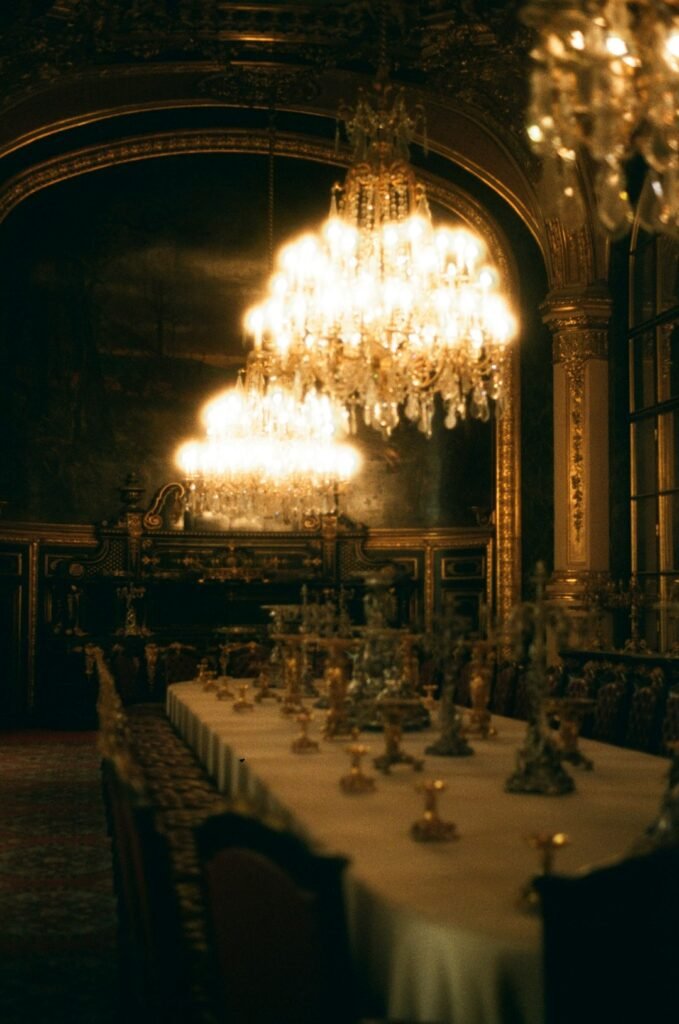
Where to stay: the 6th or 7th for classic Paris; the 11th for lower prices and a younger restaurant scene.
Best time: April to June and September to October.
Plan around: skip the expensive Eiffel Tower dinner. Take wine and a blanket to the Champ de Mars for the 9pm sparkle instead.
Cost for two, per night: €300–450.
19. Venice, Italy
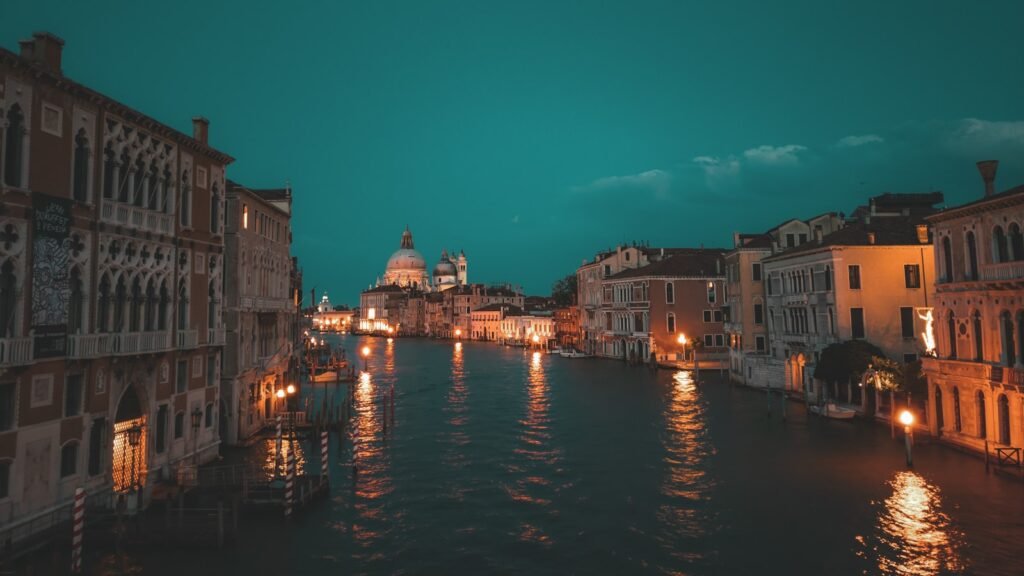
Venice remains the only city on earth where every journey is by water or on foot, and that alone rearranges how a couple experiences time together. Skip the gondola cliché if the queue is long; instead take the traghetto across the Grand Canal for a couple of euros, get deliberately lost in Cannaregio at dusk, and drink a spritz standing at a bacaro with cicchetti. Winter Venice — fog on the lagoon, empty campi — is arguably the most romantic version of all, and the cheapest.
Where to stay: Dorsoduro or Cannaregio. Both are residential, quiet at night, and minutes from the crowds you are avoiding.
Best time: September to October, or January to February for fog and empty squares.
Plan around: staying overnight. Venice between 7pm and 9am, once the day-trippers have gone, is a different city.
Cost for two, per night: €300–480.
20. Santorini, Greece
Santorini is the most photogenic island in the Mediterranean and the most deliberately romantic destination in Europe. Caldera views from cliffside rooms, sunsets from Oia that produce genuine collective wonder, private infinity pools over the Aegean, and exceptional seafood in the harbours below the cliffs. The crowds are real and so is the pricing, but a caldera-side room in late September is worth doing once. Full detail in our Santorini honeymoon and couples guide.
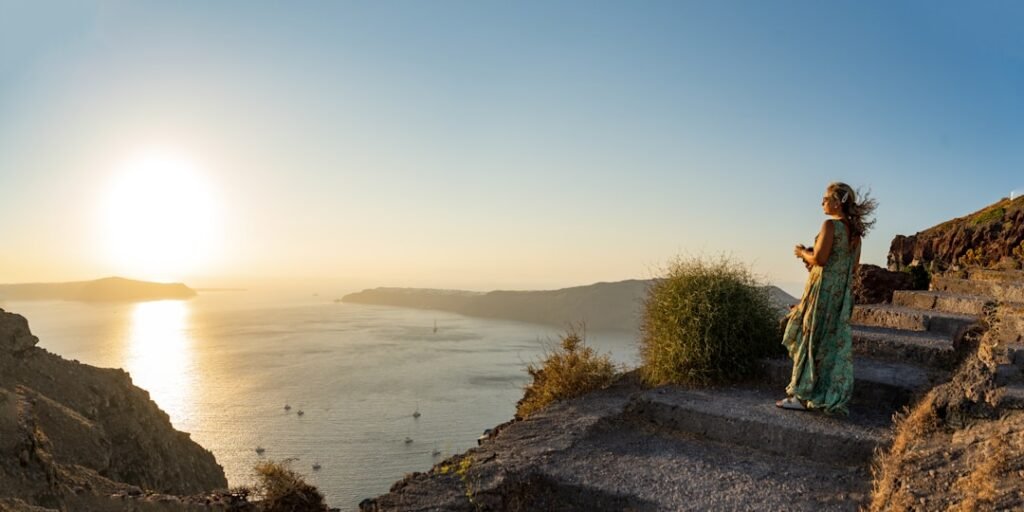
Where to stay: Imerovigli for caldera views without Oia’s crush; Oia if the view is the entire point.
Best time: May, or late September. Avoid July and August entirely.
Plan around: watching sunset from your own terrace rather than the Oia castle scrum.
Cost for two, per night: €350–600.
21. The Amalfi Coast, Italy
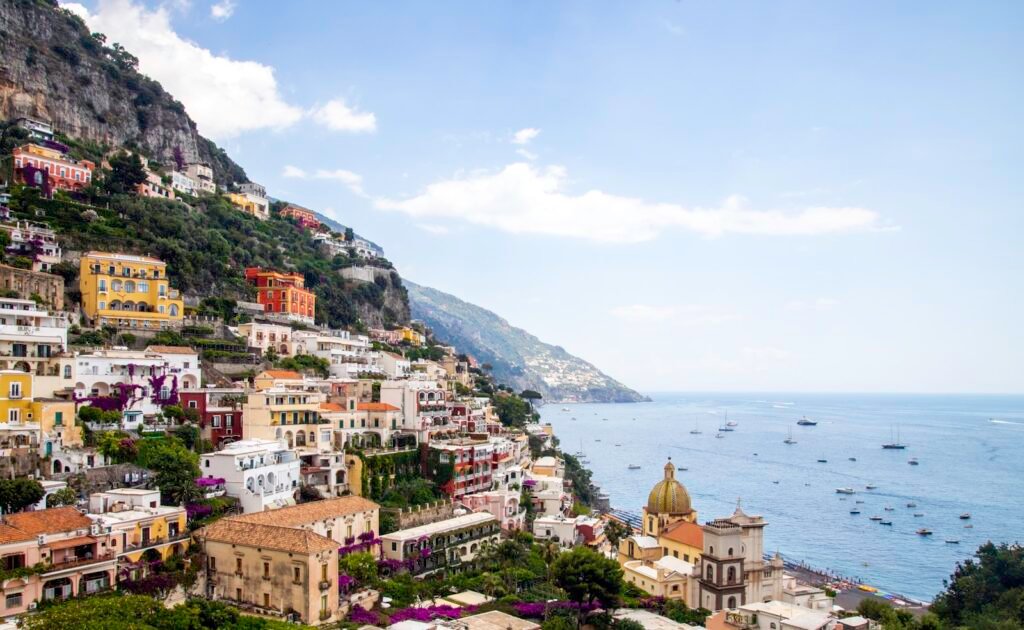
The 50km stretch of coast between Sorrento and Salerno — pastel villages clinging to near-vertical cliffs above the Tyrrhenian Sea — is Italy at its most dramatically beautiful. Positano (the most photographed), Ravello (gardens overlooking the coast from 350 metres) and Amalfi (the medieval maritime capital) anchor the itinerary. A boat hired for the day, swimming in sea caves and eating anchovy bruschetta on the water, is the definitive Amalfi experience. See our Amalfi Coast travel guide.
Where to stay: Ravello for quiet and gardens; Positano for the postcard; Praiano as the sensible middle.
Best time: June and September. July and August combine peak heat with peak traffic.
Plan around: a private or shared boat day — the coast looks entirely different from the water.
Cost for two, per night: €350–600.
22. Lake Como, Italy
Grand lakeside villas, mountains dropping straight into deep water, and slow ferry rides between Bellagio, Varenna and Menaggio. Lake Como is the least effortful of the Italian icons: you do not need to plan anything beyond which ferry and which terrace. It works particularly well for anniversaries, where the point is to slow down rather than see things. Pair with Milan for the flights.
Where to stay: Varenna for charm at lower prices; Bellagio for the classic; Menaggio for ferry access to both.
Best time: May to June and September.
Plan around: a full day doing nothing but ferry-hopping between the three towns.
Cost for two, per night: €320–500.
23. The Swiss Alps and Vienna
Two very different splurges. The Swiss Alps deliver panoramic rail journeys, car-free villages like Zermatt and Wengen, and chalets with a fondue and a fire at the end of the day — romantic in summer for hiking and in winter for the fireside version. Vienna adds the imperial grandeur of the Habsburgs: the Kunsthistorisches Museum, the Naschmarkt, coffee houses unchanged since 1900. A concert in a palace hall followed by Sachertorte at midnight is as close as Europe gets to time travel for two.
Best time: Alps June to September or December to March; Vienna April to June, September, or December.
Plan around: one scenic rail leg in Switzerland rather than three. In Vienna, a palace concert.
Cost for two, per night: €380–550 (Alps), €300–450 (Vienna).
How to Choose Your Couples Holiday in Europe
Match the destination to how you actually travel, not to its reputation. Three questions settle it for most couples.
1. City energy or slow scenery? If you like walking, eating and staying out late, choose Kraków, Prague, Budapest, Seville, Lisbon or Paris. If you want to slow down and look at something, choose Lake Bled, Hallstatt, Lake Como, the Highlands or Madeira.
2. First trip together, or a milestone? First trips go better in walkable mid-priced cities where the logistics stay easy and a bad day costs nothing — Lisbon, Prague, Seville. Anniversaries and honeymoons earn the splurge tier, where the room itself is part of the experience.
3. Are your dates fixed? If you can only travel in July or August, avoid Seville, Santorini and the Amalfi Coast and go north instead — the Highlands, Copenhagen, the Alps. If you can only travel in winter, go to Madeira, the Algarve, or a Christmas-market city like Prague, Vienna, Budapest, Bruges or Colmar.
If you want the room itself to be part of the romance, start with our pick of the best boutique hotels in Europe. Travelling on a tighter budget? Our Europe budget guide and list of the best places to visit in Europe on a budget cover the tactics.
Romantic City Breaks vs Coastal Escapes
Most couples default to a coastal trip and then discover they wanted a city, or vice versa. The distinction is really about pace.
A romantic city break in Europe gives you density: a dozen good restaurants within walking distance, museums for a rainy afternoon, and something to do at 11pm. It suits three- and four-night trips, works year-round, and is far easier to reach on a Friday-evening flight. Best picks: Prague, Budapest, Seville, Lisbon, Kraków, Vienna, Paris, Copenhagen.
A coastal or lakeside escape gives you space and a view, but needs longer — five nights minimum, because transfer time eats a day at each end and the point is to stop moving. It is strongly seasonal; many coastal towns close down between November and March. Best picks: Amalfi, Santorini, Cinque Terre, Dubrovnik, the Algarve, Lake Como, Lake Bled.
The hybrid that works best: two nights in a city, three on the coast or a lake, connected by one train or a short ferry. Lisbon plus the Algarve, Athens plus an island, Milan plus Lake Como, and Split plus Dubrovnik all do this well. For a wider view, see our most romantic cities in the world.
Couple Holiday Packages in Europe vs Booking Direct
Package deals for couples are worth it in specific cases and a waste in others.
A package usually wins for island destinations where flights and transfers are awkward — Santorini, the Greek islands, Madeira, the Canaries — and for peak-season coastal trips, where operators hold room blocks at rates you cannot match independently. It also wins if you want financial protection on the whole trip in one booking.
Booking direct usually wins for city breaks and anywhere reachable by train. Packages tend to route you into large, characterless hotels, and in cities the hotel is most of the romance. Booking direct also lets you split the trip across two places, which packages rarely handle well.
The reliable saving either way: fly into a cheap hub and take the train onward. Milan for Lake Como, Naples for the Amalfi Coast, Lisbon for the Algarve, Vienna for Hallstatt. This routinely saves a few hundred euros per trip and is often faster than a connecting flight. Whichever route you take, read our travel insurance guide before you book — the cover differs significantly between packages and independent bookings.
First Trip Together, Honeymoon, or Anniversary?
First trip together. Keep it short, walkable and low-stakes. Three or four nights in Lisbon, Prague, Seville or Kraków. Do not book a road trip, do not book two countries, and do not spend the entire budget on one hotel — you are learning how the other person travels.
Honeymoon. This is where the splurge tier pays. Santorini, the Amalfi Coast, Lake Como and Venice all deliver the version of Europe people picture. Book six to nine months ahead for the good rooms, and tell every hotel it is your honeymoon — the upgrades are real. See our best honeymoon destinations and Italy honeymoon planning guide.
Anniversary or reconnection trip. Choose somewhere you stop moving: Lake Como, Hallstatt, Madeira, the Highlands, Lake Bled. One base, five nights, no internal transfers. The couples who report the best trips are almost always the ones who went to one place and stayed there.
Proposal trip. Venice at dawn, the Manarola viewpoint in the Cinque Terre, Sintra’s palace gardens above Lisbon, and the Oia caldera in Santorini are the four that come up most. All four are better an hour before the crowds than at the obvious time.
When to Go: The Shoulder-Season Rule
Almost every destination on this list is at its most romantic in the shoulder seasons — April to early June and September to mid-October. You get warm weather, open restaurants and golden light without the July–August crowds and prices. On the Mediterranean the difference is stark: the same room in Santorini or Positano can cost half as much in late September as in early August, with better temperatures for walking.
Three exceptions run in reverse:
- Winter-friendly: Madeira, the Algarve and Seville are pleasant from December to March, when northern Europe is not.
- Best in December: Bruges, Vienna, Prague, Budapest and Colmar are arguably at their peak during Christmas market season.
- Best in deep winter: Venice in January and February — fog, empty campi, and the lowest prices of the year.
What a Romantic Europe Trip Actually Costs in 2026
As a realistic planning figure for a couple, per night, all in — mid-range hotel, meals, drinks and local transport, excluding flights:
- €90–150 — Kraków, Budapest, Porto, Seville, Lake Bled, the Algarve
- €150–250 — Prague, Lisbon, Bruges, Athens and an island, Dubrovnik, Colmar, Hallstatt
- €250–350 — Cinque Terre, Madeira, the Scottish Highlands, Copenhagen
- €300–450 — Paris, Venice, Vienna, Lake Como
- €350–600 — Santorini, the Amalfi Coast, the Swiss Alps in season
A four-night trip for two therefore ranges from roughly €400 in Kraków to €2,400 in Santorini, before flights. The two decisions that move this number most are the month you travel and whether you fly direct to the destination or into a cheaper hub and take the train.
Five Mistakes Couples Make Planning a Europe Trip
- Adding a third city. Two destinations in ten nights works. Three in seven does not. Romance dies on train platforms and in airport queues.
- Day-tripping the places that are best at night. Bruges, Hallstatt, Venice, Dubrovnik and the Cinque Terre are all transformed after the coaches leave. Staying overnight is the single highest-value decision in this entire guide.
- Booking a longer trip in a worse room. Four nights somewhere with a view beats seven nights in a room facing a wall. Couples consistently report the room as the thing they remember.
- Scheduling every evening. Book one anchor experience per destination and leave the rest open. The best moments are almost never the booked ones.
- Travelling in August. Peak heat, peak prices, peak crowds, and in southern Europe many of the good local restaurants close for the month.
Frequently Asked Questions
What is the most romantic place in Europe?
Paris still earns the title for cities and Santorini for islands. But couples who prefer quiet over famous consistently rate Lake Bled, Bruges, Hallstatt and the Douro Valley above the headline names. The most romantic place in Europe is the one that matches your pace — a couple who like walking and eating will be happier in Seville than in a caldera suite.
What is the cheapest romantic getaway in Europe?
Kraków is the cheapest genuinely romantic destination in Europe, at roughly €90–130 per night for two including a good hotel. Porto and Budapest follow closely at €100–140. All three stay affordable even in high season, and all three have walkable old towns where the atmosphere costs nothing.
When is the best time for a romantic holiday in Europe?
May to early June and September to mid-October. You get warm weather, open restaurants, softer light and noticeably lower prices than July and August. December is the exception worth making, for the Christmas markets in Prague, Vienna, Budapest, Bruges and Colmar.
Where should couples go in Europe for the first time?
Lisbon, Prague and Seville are the best first trips for couples: walkable, affordable, easy to reach, and forgiving if plans change. Paris, Venice and Santorini are the iconic first choices but cost two to three times as much and are less forgiving in peak season.
How many days do you need for a romantic Europe trip?
For one destination, four to five nights is the sweet spot — long enough to slow down, short enough to stay special. For two destinations such as Prague and Vienna, or Lisbon and the Douro, plan eight to ten nights. Coastal trips need five nights minimum because transfers consume a day at each end.
Is Santorini or the Amalfi Coast better for couples?
Santorini suits a shorter, view-centred escape built around sunsets and a caldera room. The Amalfi Coast suits a longer stay with more variety — towns, boat days, gardens and better food. Both demand booking months ahead and both are considerably better in September than in August.
Where should we go for a honeymoon in Europe?
Santorini and the Amalfi Coast are the classic European honeymoon choices — dramatic scenery, exceptional hotels and effortless day-to-day romance. For a less photographed honeymoon, combine Lisbon with the Douro Valley, Dubrovnik with the Croatian islands, or spend the whole trip on Lake Como.
What is the most romantic city break in Europe for a long weekend?
Prague, Bruges and Seville are the strongest three-night city breaks. All are compact enough to see properly in a weekend, all have a genuine evening atmosphere, and all are cheap enough that you can upgrade the hotel without upgrading the budget.
Are couple holiday packages to Europe worth it?
Packages are worth it for island destinations with awkward transfers — Santorini, the Greek islands, Madeira — and for peak-season coastal trips where operators hold rooms at rates you cannot match. For city breaks and anywhere reachable by train, booking direct is almost always better value and gives you a more characterful hotel.
Where can couples go in Europe in winter?
Madeira and the Algarve stay mild enough for walking and coastal days from December to March. For cold-weather romance, Prague, Vienna, Budapest, Bruges and Colmar are at their best during Christmas market season, and Venice in January is the quietest and cheapest it ever gets.
The Bottom Line
The best romantic getaways in Europe are not always the most famous ones. Pick the destination that matches how you actually like to travel, go in shoulder season, stay overnight in the places that empty out after dark, and book one great room rather than three average ones. Then leave whole afternoons unplanned — that is where the romance actually happens.